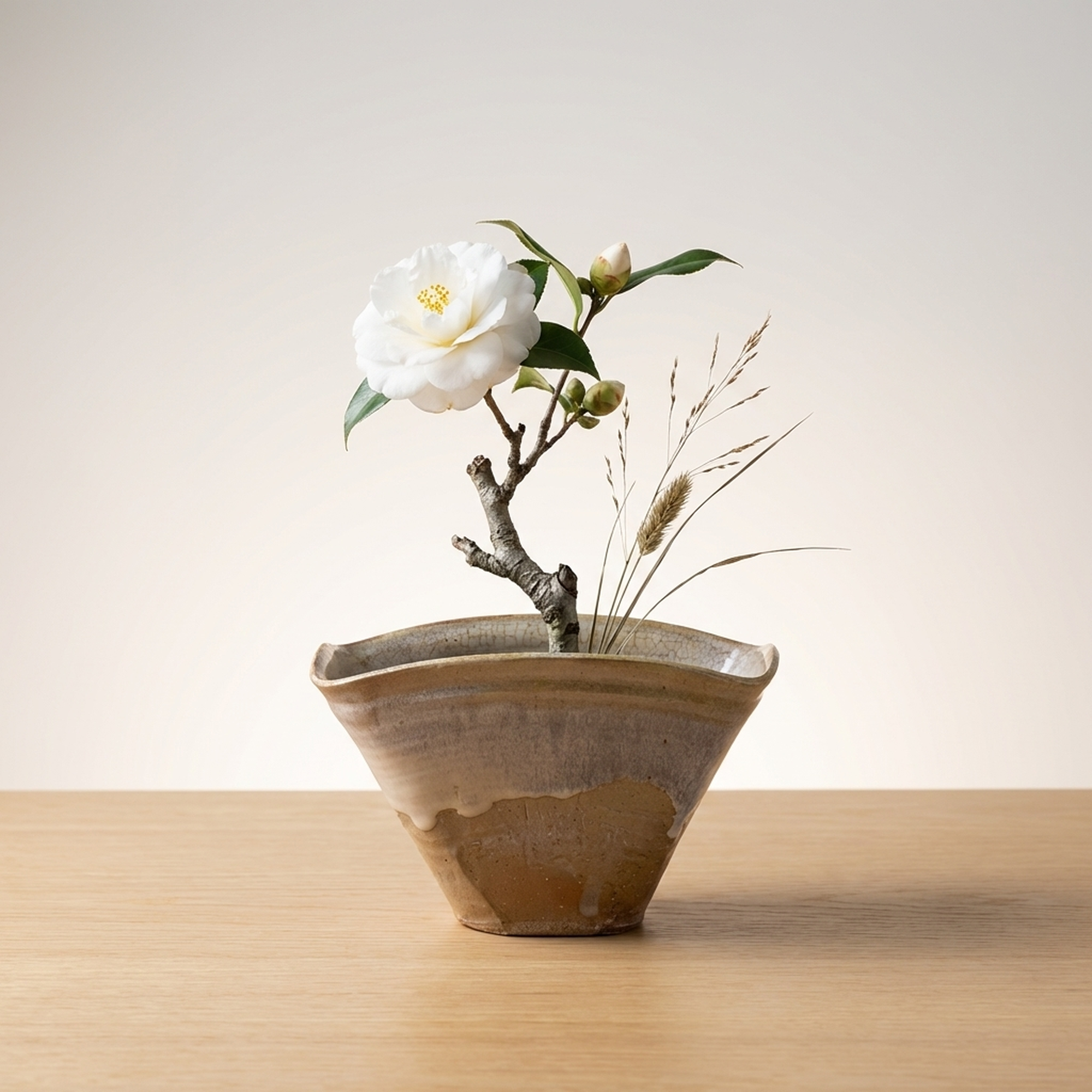
Unused Hagi Ware 13th Gen Sakata Deika Square Flower Vase with Original Signed Box
【未使用】 萩焼 十三代 坂田泥華 萩 四方花器 花器 花入 共箱
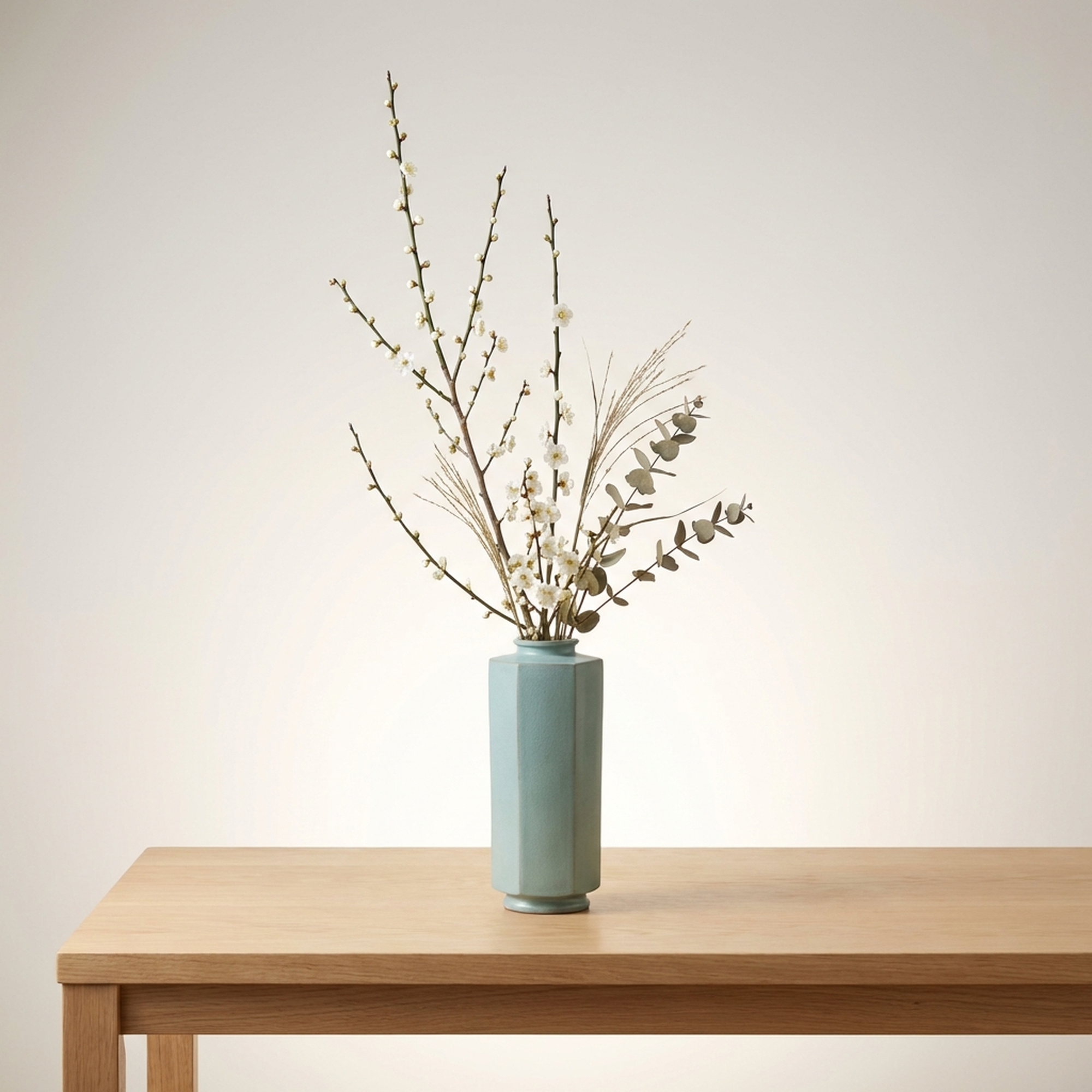
<p>Maker / Brand: Hagi-yaki, Jusan-dai Sakata Deika Title of Work: Unused Hagi-yaki, 13th Generation Sakata Deika, Hagi Square Flower Vessel with Tomobako</p> <p>This exquisite Hagi-yaki flower vessel, crafted by the esteemed 13th Generation Sakata Deika, presents a beautiful example of traditional Japanese ceramic art. Offered in an unused condition and accompanied by its original tomobako (signed wooden box), it embodies the serene elegance characteristic of Hagi ware. Its unique square form and subtle glazing make it a striking piece for any connoisseur.</p> <p>Artistic & Cultural Background Hagi-yaki ceramics originate from Hagi in Yamaguchi Prefecture and are celebrated for their understated beauty and connection to the Japanese tea ceremony. Developed in the early 17th century by Korean potters brought to Japan, Hagi ware is known for its soft, warm texture and the phenomenon of "nanabake" (seven changes), where the glaze gradually changes color and develops a unique patina over time with use, deepening its character.</p> <p>Design & Technique This piece showcases the classic Hagi aesthetic, featuring a rich, earthy clay body partially covered with a flowing, creamy white glaze. The glaze application creates a natural, organic drip pattern, allowing the underlying clay to peek through and adding depth and texture. The "shikaku" (square) form, while geometric, is softened by the handmade nature of the piece and the gentle undulations of the rim.</p> <p>Form & Aesthetic Qualities * <strong>Distinctive Form:</strong> The elegant "shikaku" (square) shape offers a contemporary yet timeless silhouette, providing a unique foundation for floral arrangements. * <strong>Textural Harmony:</strong> The interplay between the unglazed, earthy base and the smooth, subtly variegated white glaze creates a pleasing tactile and visual contrast. * <strong>Wabi-Sabi Appeal:</strong> The natural imperfections and the gentle flow of the glaze embody the Japanese aesthetic of wabi-sabi, celebrating beauty in simplicity and transience.</p> <p>Collector & Decorative Appeal * <strong>Master Craftsmanship:</strong> A rare opportunity to acquire a piece by Jusan-dai Sakata Deika, a distinguished name in the lineage of Hagi-yaki masters. * <strong>Pristine Condition:</strong> Presented in an unused state, ensuring its original beauty is preserved, ready to be cherished and enjoyed. * <strong>Versatile Elegance:</strong> Perfect for displaying traditional ikebana arrangements or as a standalone sculptural object, bringing a touch of authentic Japanese artistry to any space.</p> <p>This flower vessel is an ideal acquisition for those who appreciate the profound beauty and historical legacy of Japanese ceramics.</p> <h3>Details</h3> <table style="border-collapse:collapse;width:100%"><tr><td style="padding:4px 12px 4px 0;font-weight:bold;white-space:nowrap">Condition</td><td style="padding:4px 0">Excellent</td></tr><tr><td style="padding:4px 12px 4px 0;font-weight:bold;white-space:nowrap">Origin</td><td style="padding:4px 0">Hagi, Yamaguchi</td></tr><tr><td style="padding:4px 12px 4px 0;font-weight:bold;white-space:nowrap">Material</td><td style="padding:4px 0">Ceramic</td></tr><tr><td style="padding:4px 12px 4px 0;font-weight:bold;white-space:nowrap">Era</td><td style="padding:4px 0">Unknown</td></tr></table>
Details
- Kategorie
- Ikebana Vases
- Zeitraum
- Unknown Period
- Zustand
- Excellent
- Material
- Ceramic
- Herkunft
- Hagi, Yamaguchi
Kostenloser weltweiter Versand ab 300 $
Jedes Stück wird sorgfältig für den sicheren internationalen Versand verpackt
Bewertung schreiben
Das könnte Ihnen auch gefallen
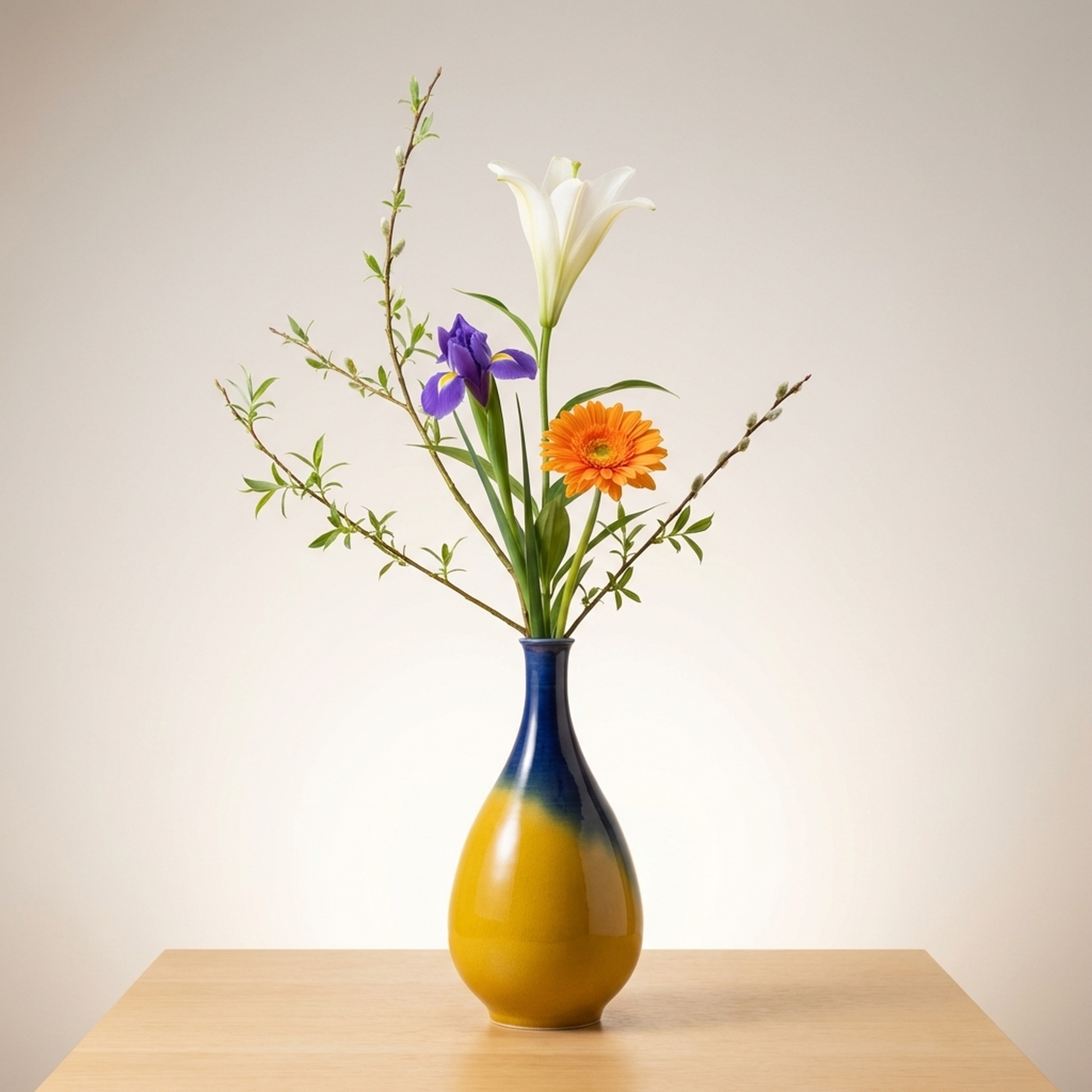
Edo Period (1603-1868)
Kutani Ware Polychrome Glaze Vase by Nitten Artist Nakamura Masahiko, Godai Shutō with Original Box
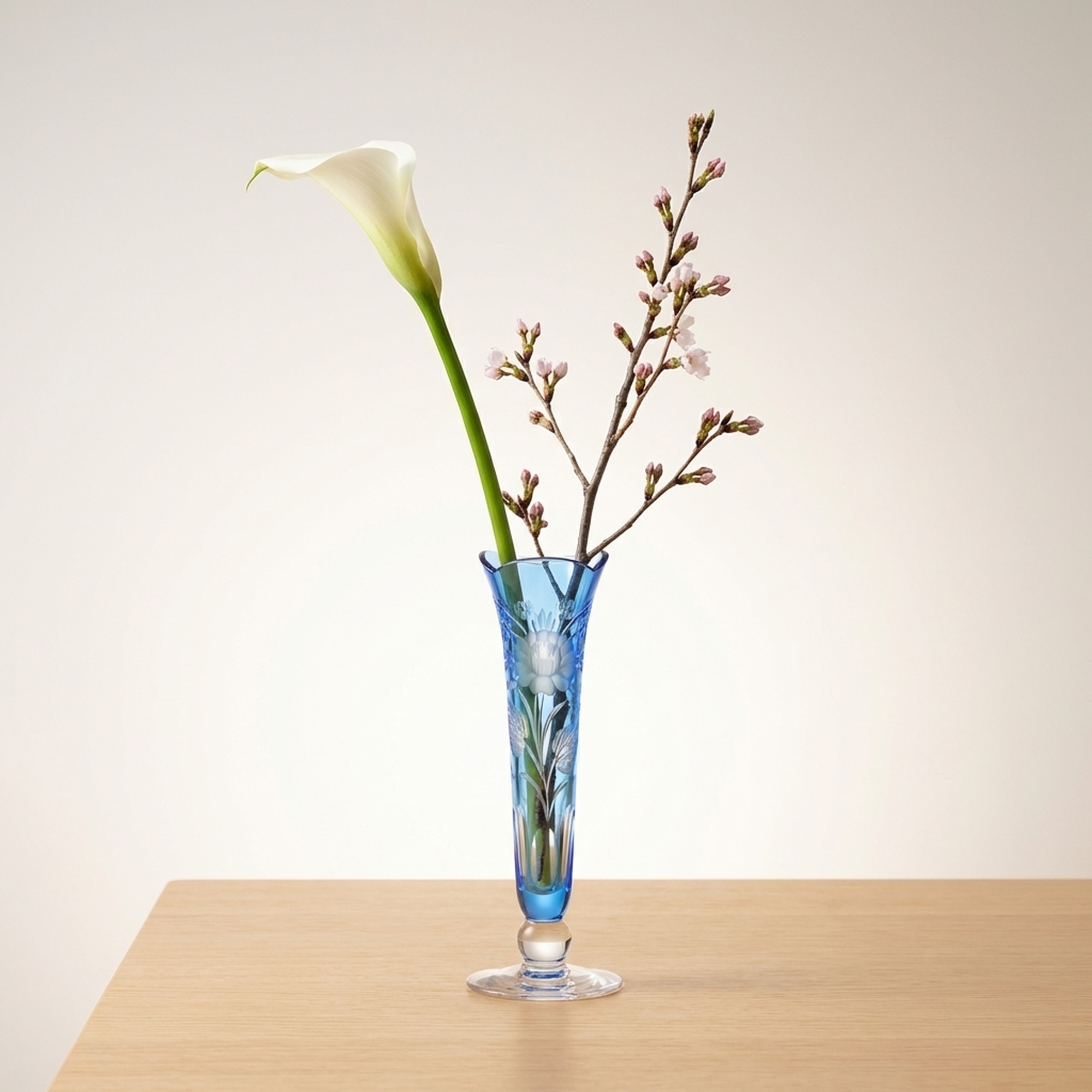
Unknown Period
ELBE Blue Crystal Vase: Handcrafted Glass Art for Striking Floral Displays and Modern Home Decor
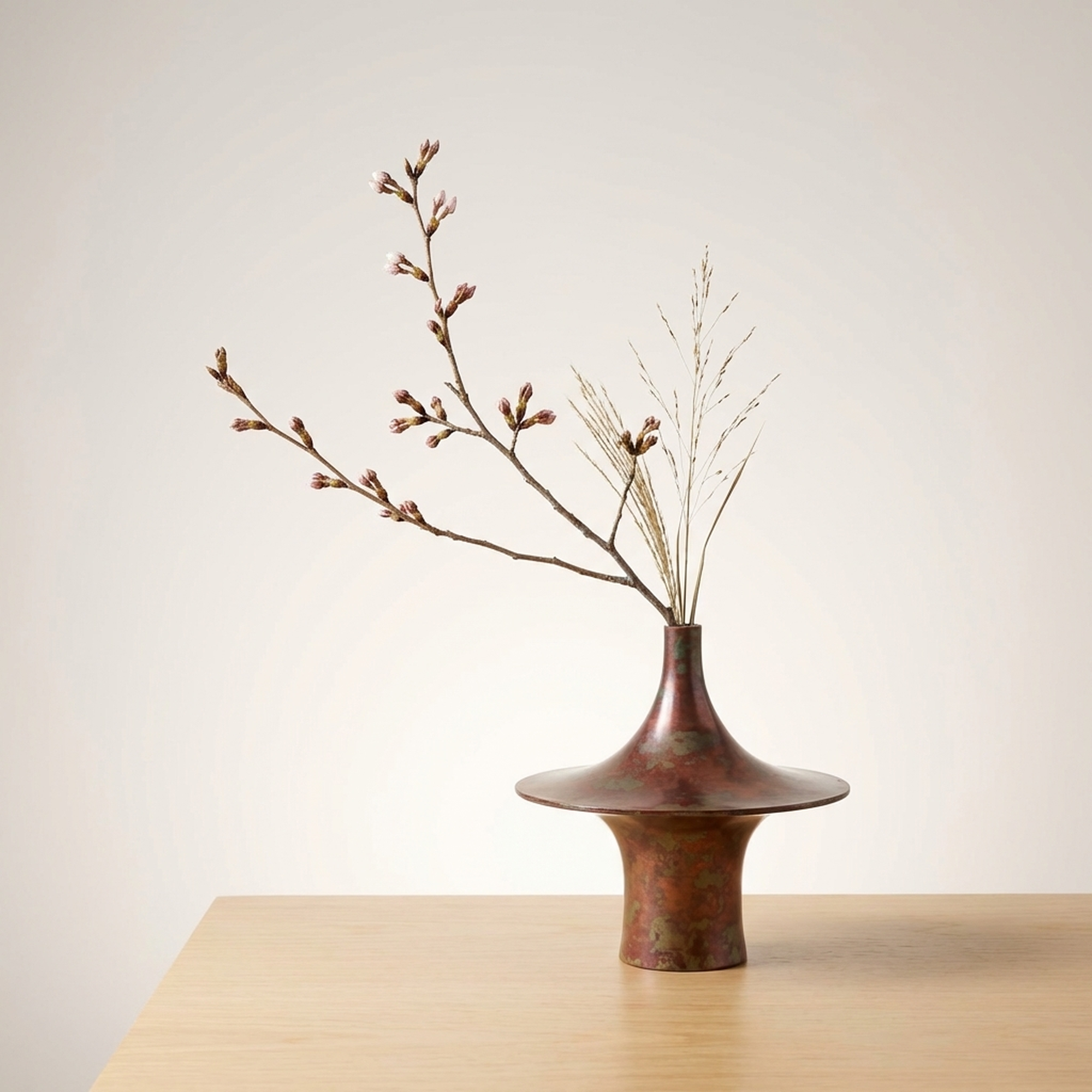
Shōwa Period (1926-1989)
Shōwadō Cast Bronze Single-Stem Flower Vase with Original Wooden Box
Heisei Period (1989-2019)