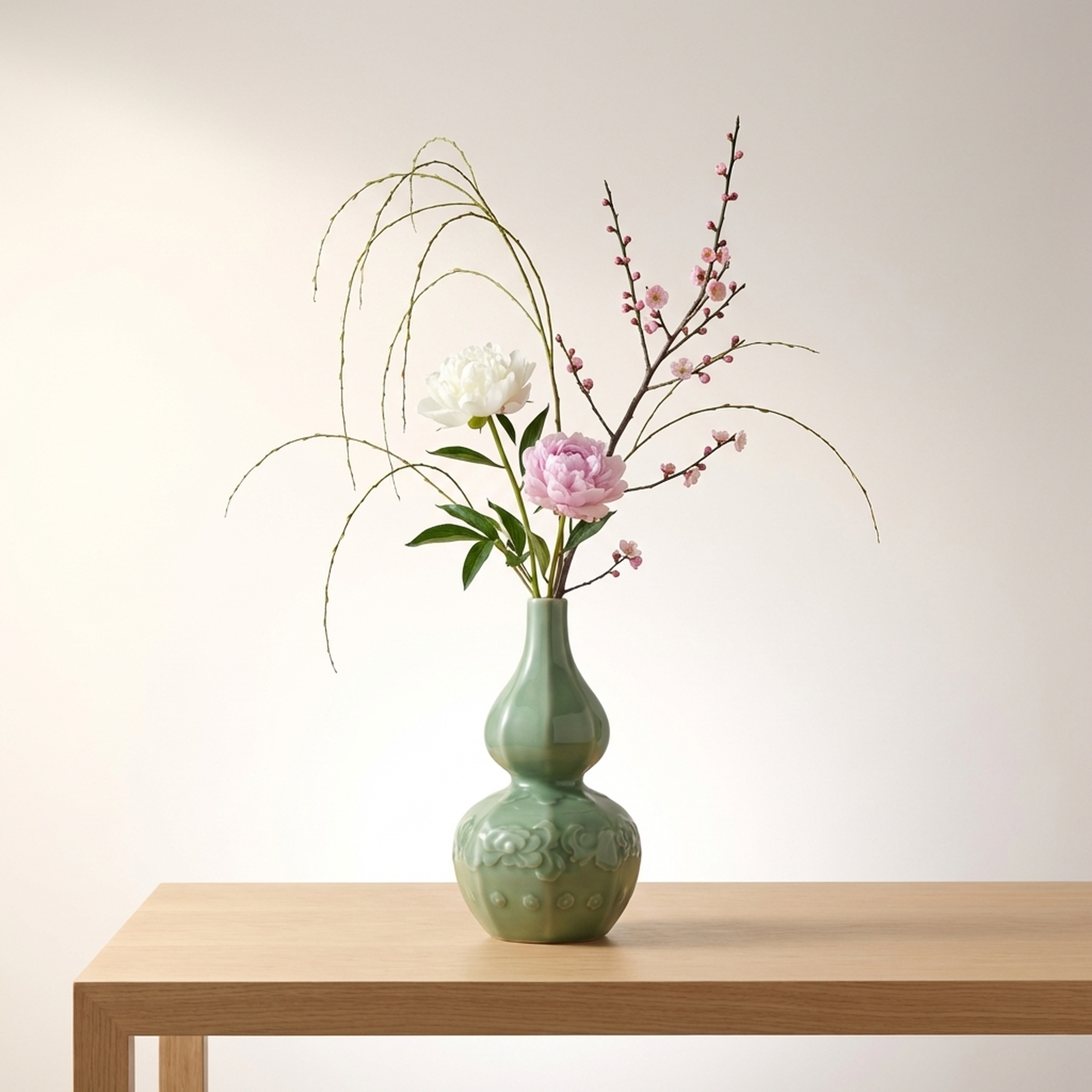
Unused Rare Sanda Celadon Gourd Vase with Embossed Peony Design, Sayama, Boxed
未使用 美品 希少 三田青磁 瓢箪 花瓶 陽刻 牡丹文 狭山 箱付 壺
Maker / Brand: Sanda Seiji (Signed Sayama) Title of Work: Unused, Beautiful, Rare Sanda Seiji Gourd Vase with Positive Carved Peony Motif, Signed Sayama, with Box
Discover this exquisite and rare Sanda Seiji vase, presented in pristine, unused condition. Crafted in an auspicious gourd shape, it features a beautifully rendered peony motif using the distinctive positive carving technique. This piece embodies the refined elegance characteristic of traditional Japanese ceramics.
Artistic & Cultural Background Sanda Seiji refers to celadon ceramics from Hyogo Prefecture, known for their elegant green glazes inspired by classical Chinese celadon. This piece incorporates the auspicious *hyotan* (gourd) motif, a symbol of good fortune and prosperity. The *botan* (peony) is also a highly revered flower, representing wealth, honor, and beauty in Japanese culture.
Design & Technique The vase showcases the sophisticated *yokoku* (positive carving) technique, where the peony design is raised from the surface, creating a tactile and visually dynamic effect. This *botan* motif is enhanced by the lustrous celadon glaze, which highlights the carving's contours. The body is subtly faceted, presenting an elegant octagonal form. It comes with its original *kiribako* (paulownia wood box) and *shiori* (leaflet), though the box shows some signs of age.
Form & Aesthetic Qualities * Graceful Gourd Shape: The classic *hyotan* form, symbolizing good fortune, offers a harmonious and balanced aesthetic. * Luminous Celadon Glaze: A beautiful, serene green glaze characteristic of Sanda Seiji, offering a smooth surface that subtly shifts with light. * Tactile Relief Carving: The *yokoku* peony motif provides a delightful textural contrast against the smooth glaze, inviting closer inspection.
Collector & Decorative Appeal * Rare & Pristine Condition: Described as "unused" and in "beautiful condition" after long-term storage, making it a highly desirable find. * Auspicious Symbolism: The *hyotan* and *botan* motifs give the piece with profound cultural significance, a meaningful addition to any space. * Versatile Elegance: Its timeless design and serene color palette complement any interior, perfect for displaying a single bloom or as a standalone art object.
This Sanda Seiji vase offers an exceptional opportunity for collectors seeking Japanese ceramic artistry with profound cultural resonance and enduring beauty.
Details
| Condition | Excellent |
| Material | Ceramic |
| Era | Unknown |
| Dimensions | 高さ22cm / 口径2.5cm / サイズ 高さ22cm |
Details
- Categorie
- Ikebana Vases
- Periode
- Unknown Period
- Conditie
- Excellent
- Materiaal
- Ceramic
- Afmetingen
- 高さ22cm / 口径2.5cm / サイズ 高さ22cm
Gratis wereldwijde verzending bij bestellingen boven $300
Elk stuk wordt zorgvuldig verpakt voor veilige internationale bezorging
Schrijf een beoordeling
Misschien vindt u dit ook mooi
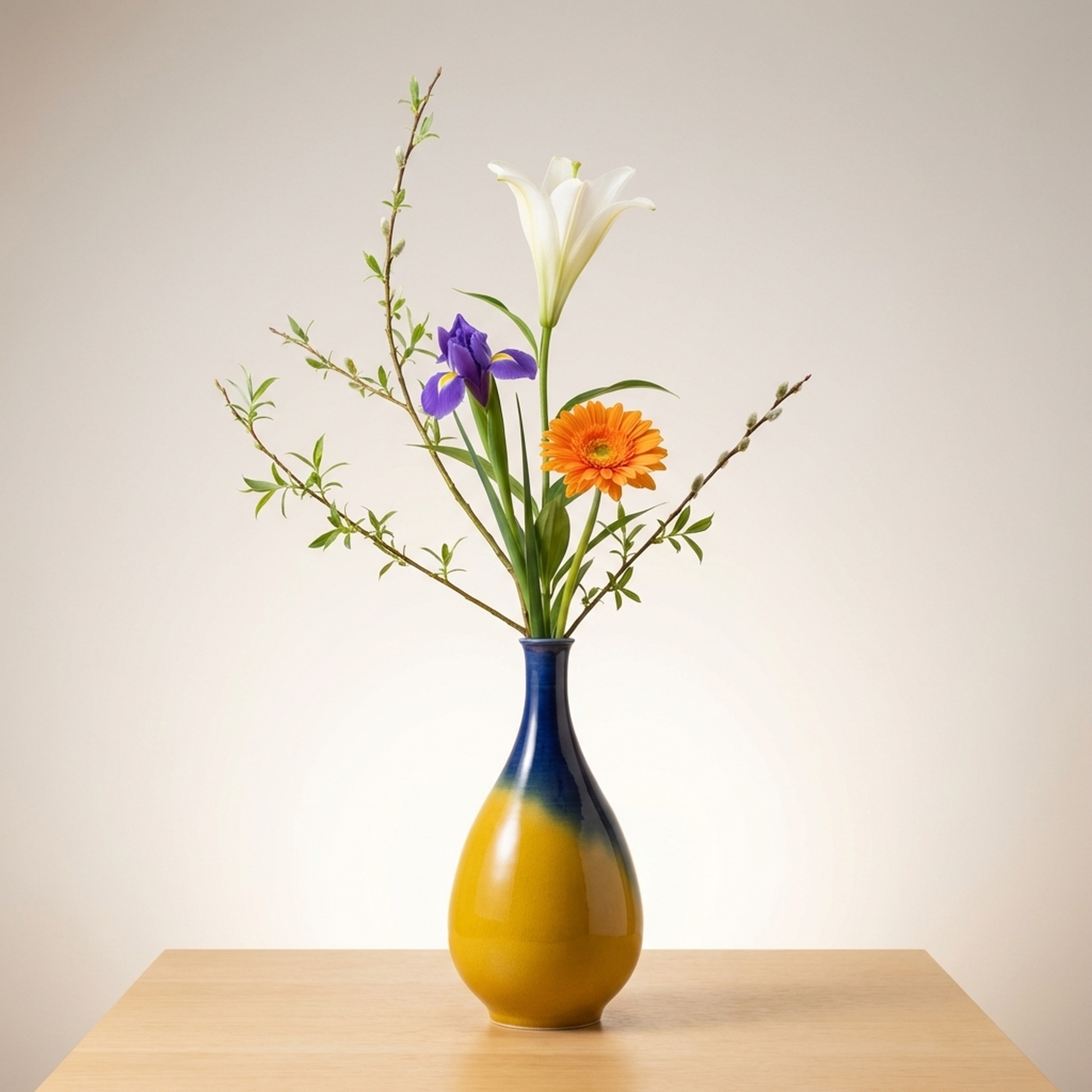
Edo Period (1603-1868)
Kutani Ware Polychrome Glaze Vase by Nitten Artist Nakamura Masahiko, Godai Shutō with Original Box
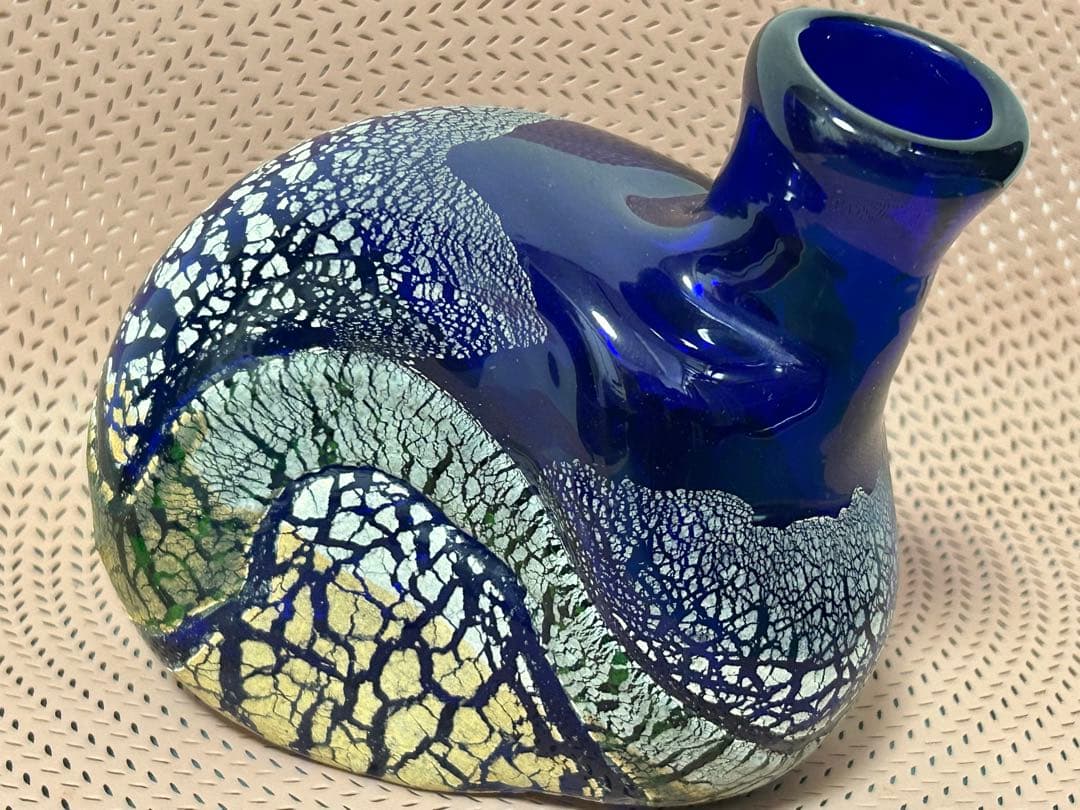
Ikebana Vases
Ryukyu Glass Inamine Seikichi Vase Ikebana Blue Glass Earth Pattern
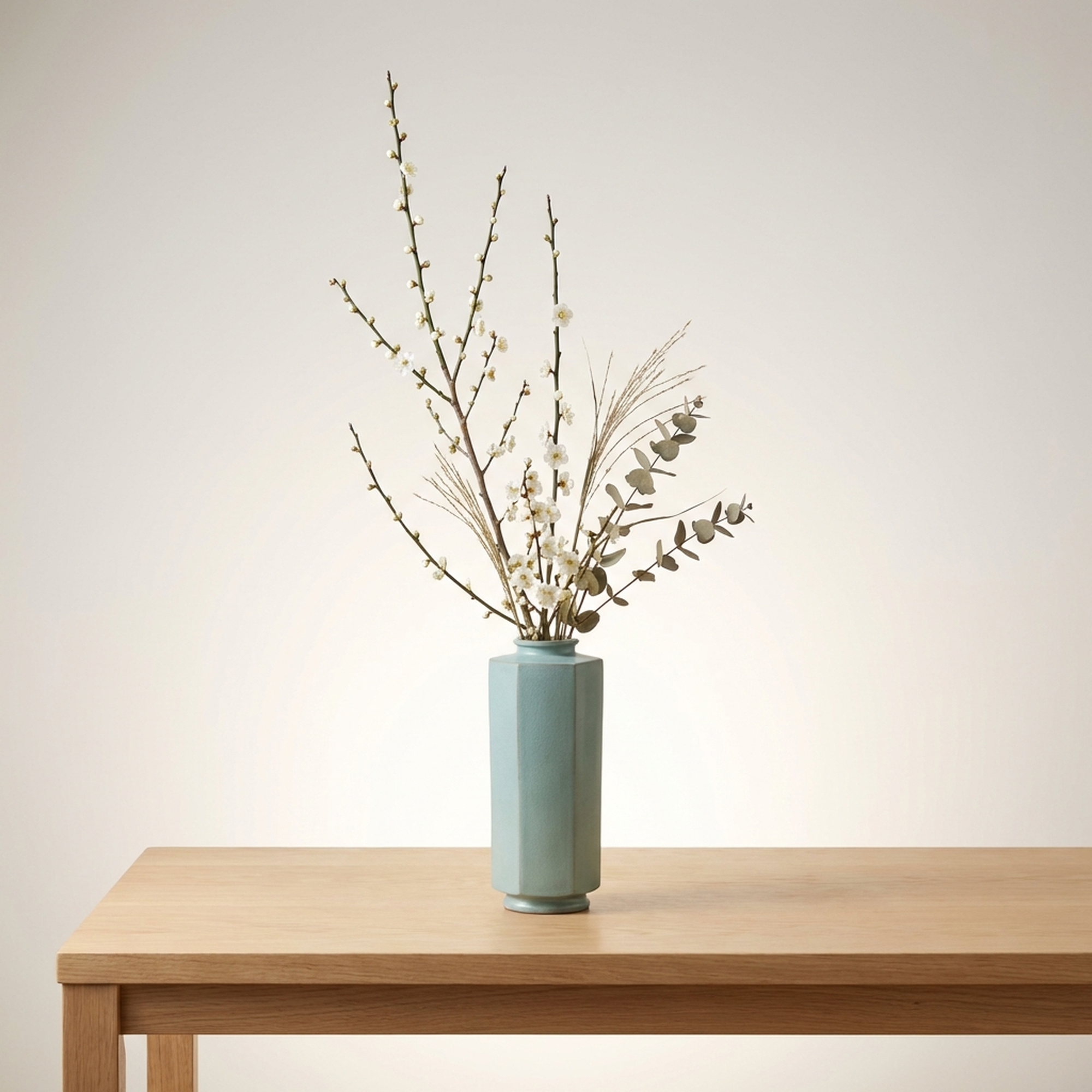
Heisei Period (1989-2019)
Takahashi Wasaburo Kiyomizu-yaki Blue Stone Celadon Flat Flask Vase with Iron Motif, Original Box
Ikebana Vases