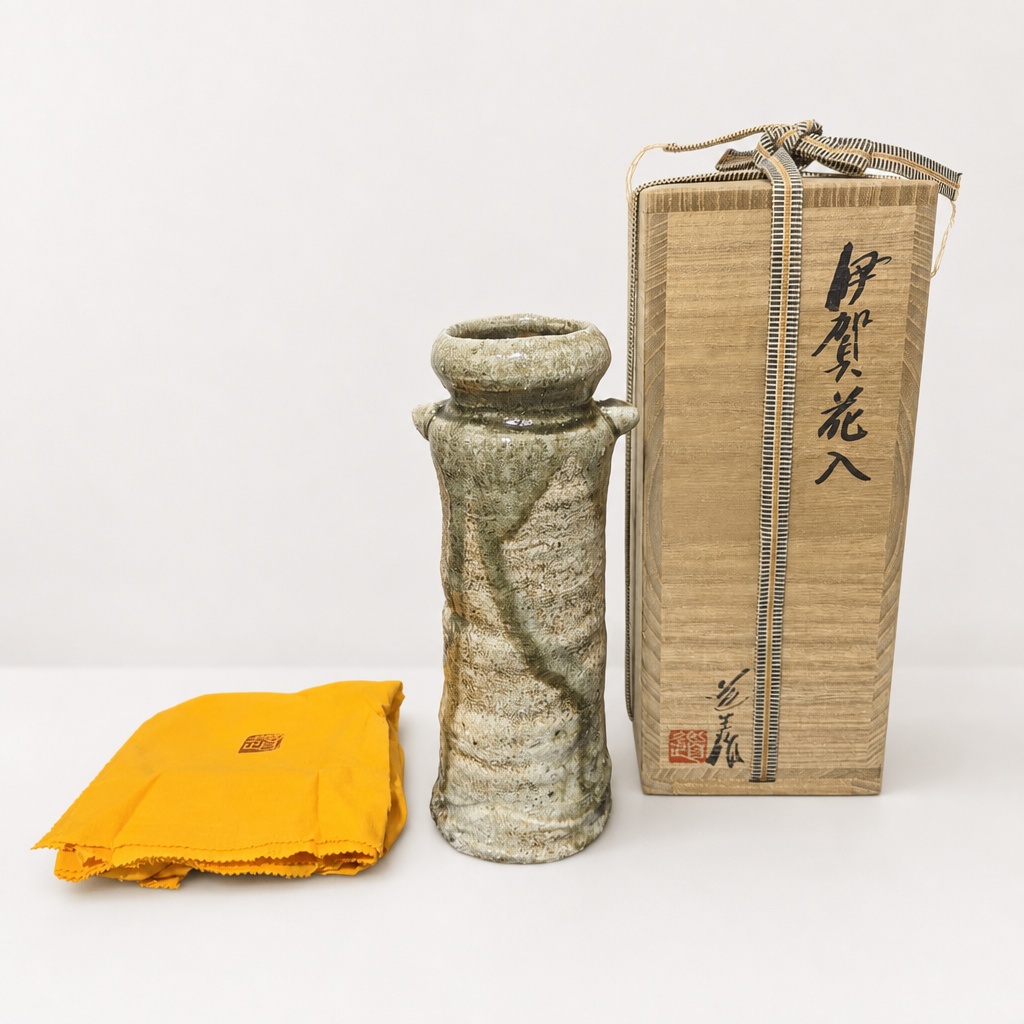
伊賀焼
Iga ware
Mie · Medieval origins; Iga tea wares flourished in the Momoyama period (late 16th–early 17th c.)
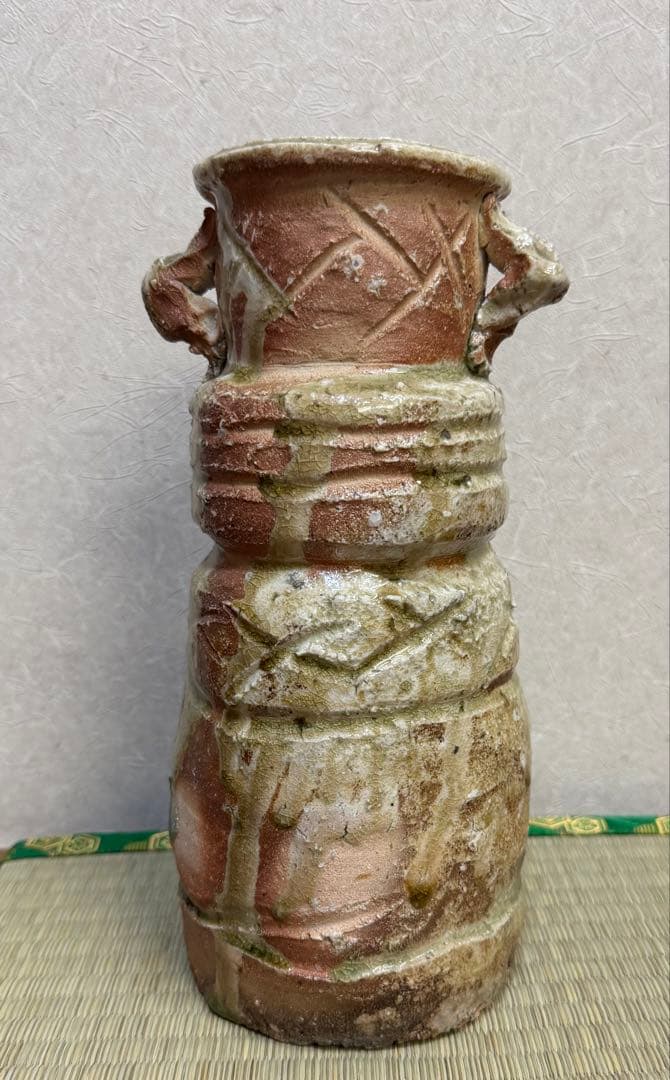
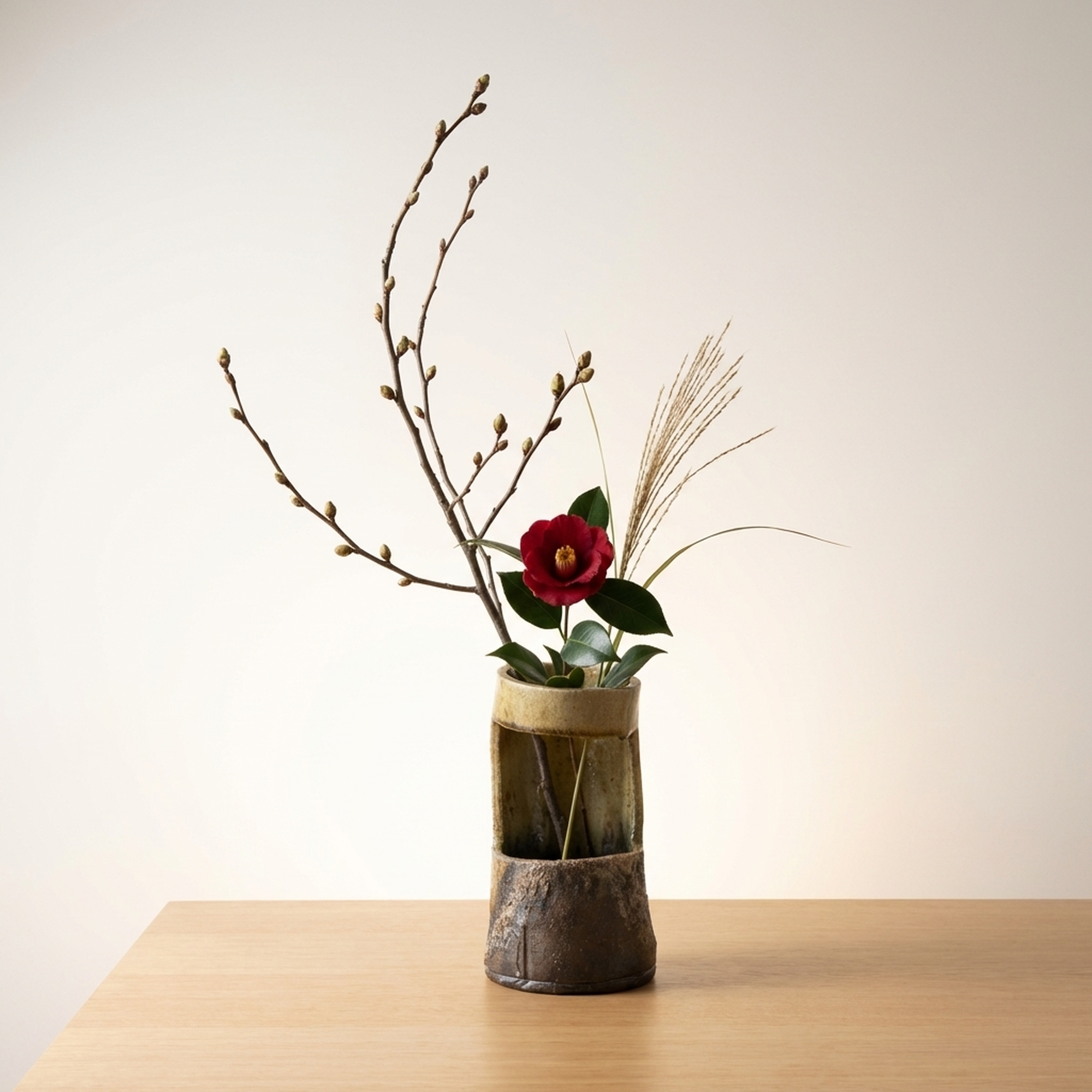
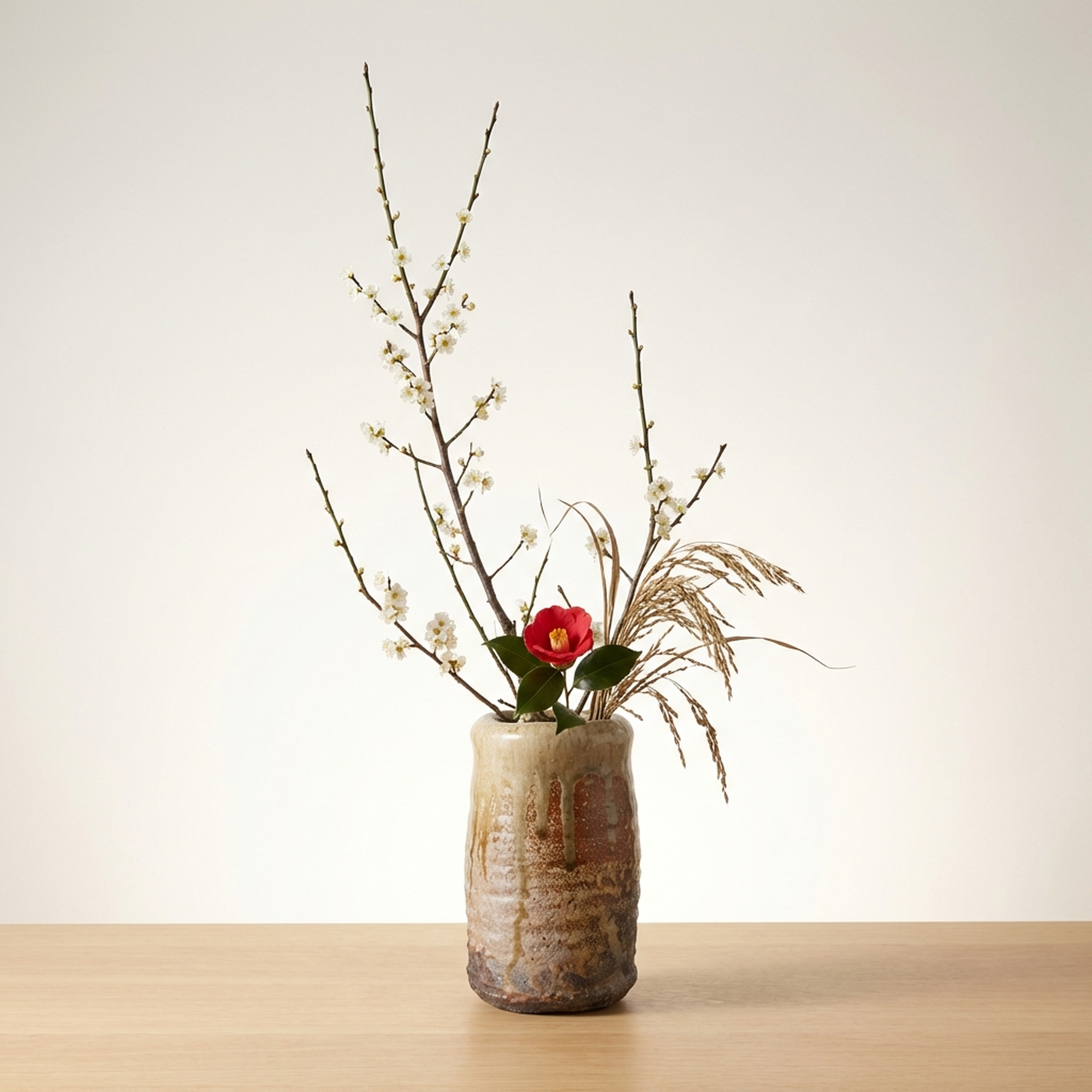
Wood-fired stoneware from Iga, Mie, best known for Momoyama-period tea vases with dramatic glassy green ash glaze and strong, distorted forms.
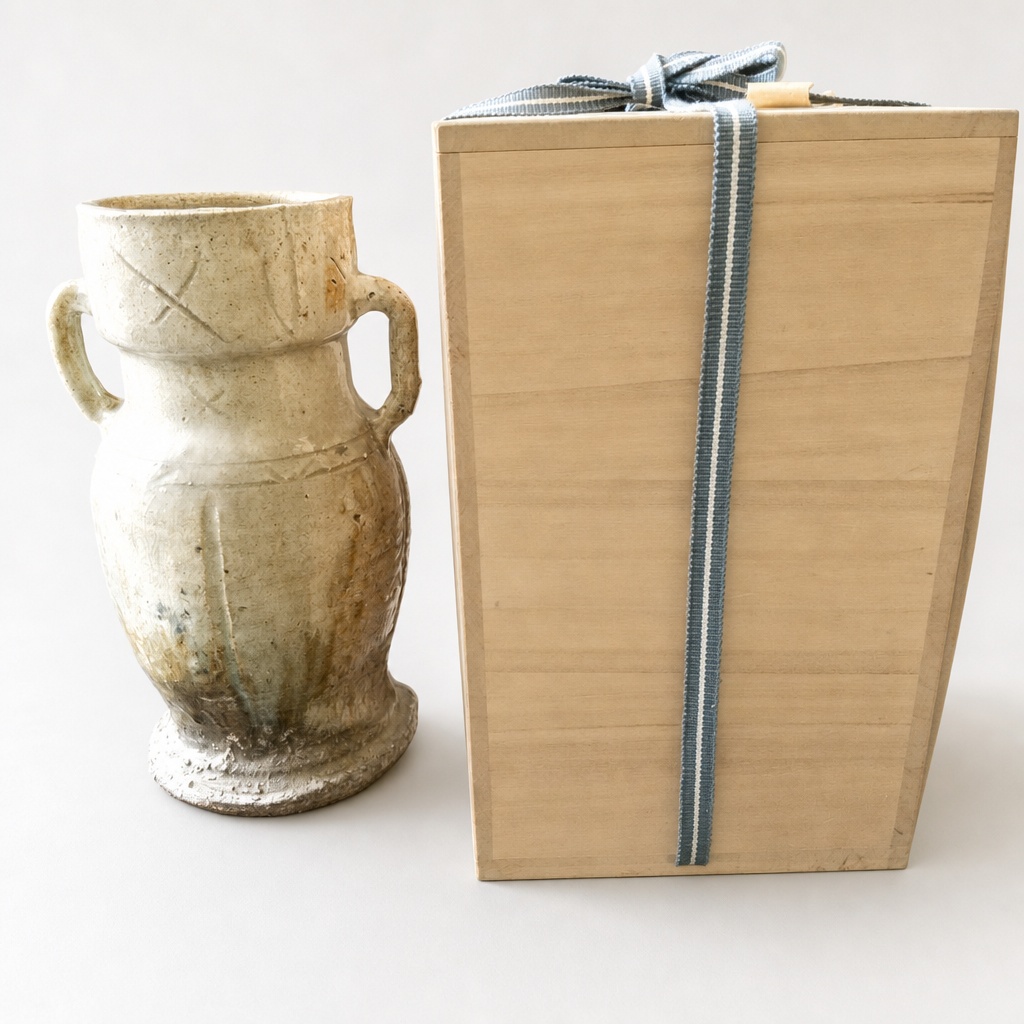
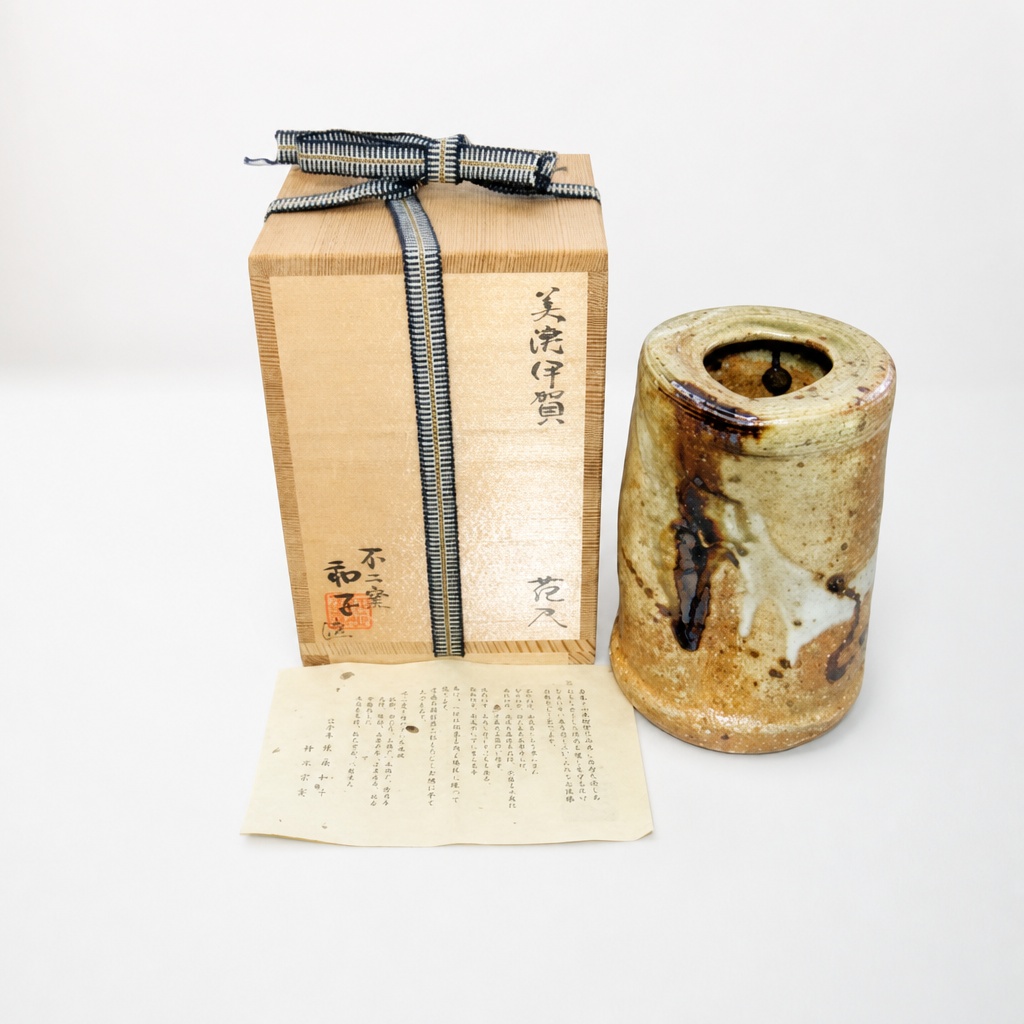
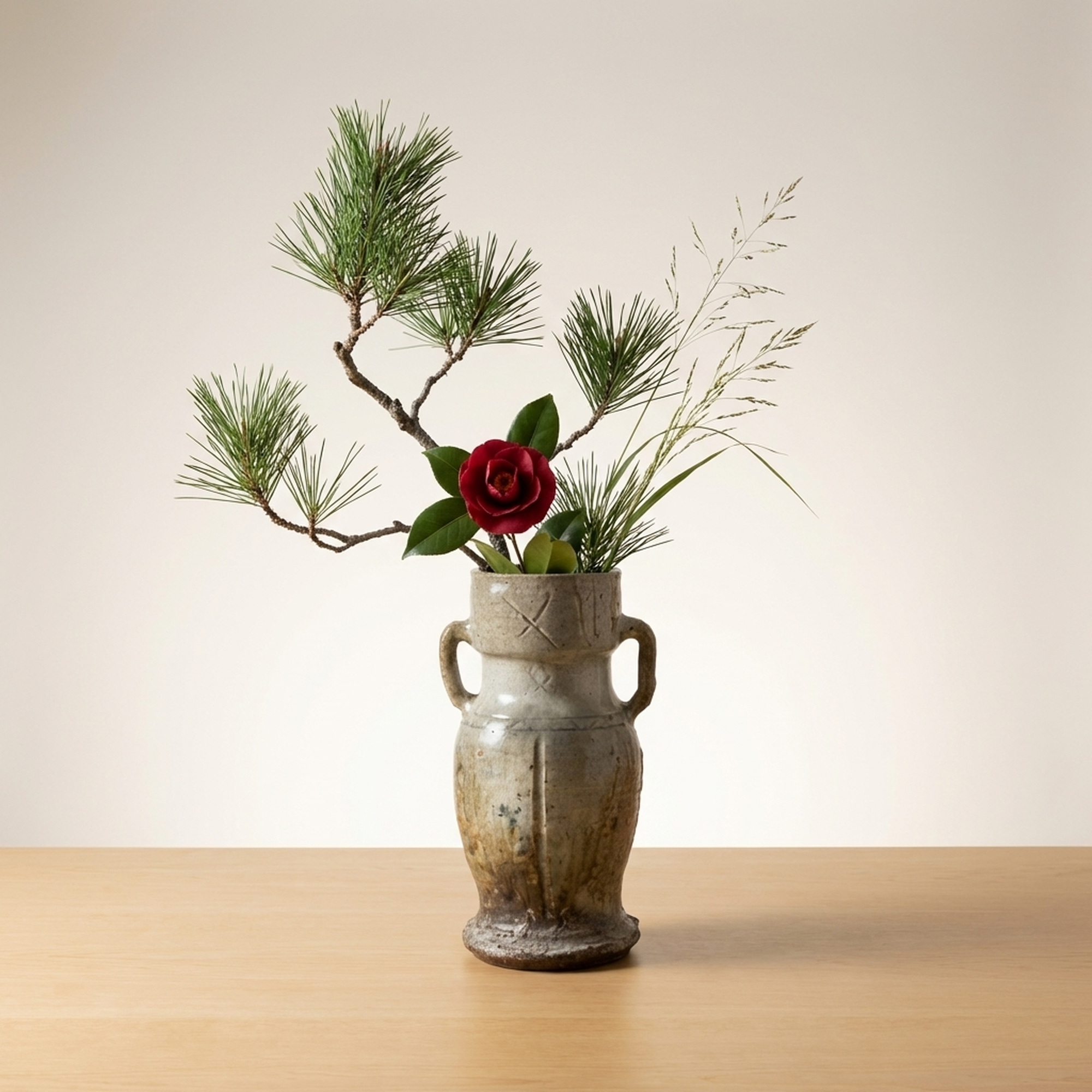
Iga ware is made in the Marubashira area of Iga City in western Mie, on the other side of the hills from Shigaraki, and the two traditions share similar clays. Early production consisted of everyday stoneware. In the Momoyama period, Iga became known for tea ceremony flower vases and water jars with forceful, deliberately distorted shapes, often with small handle-like 'ears', fired repeatedly to build thick deposits of natural ash glaze. These pieces are among the most admired Japanese tea ceramics. Production declined after the early Edo period and later turned towards domestic wares such as earthenware pots (donabe), which remain an important product. Iga is not one of the Six Ancient Kilns, but it is a designated Traditional Craft.
Arcilla y cocción
Heat-resistant clay from the same ancient lakebed formation as Shigaraki; high-fired in wood kilns, sometimes several times, producing heavy natural ash glaze and scorching.
Cómo identificar Iga ware
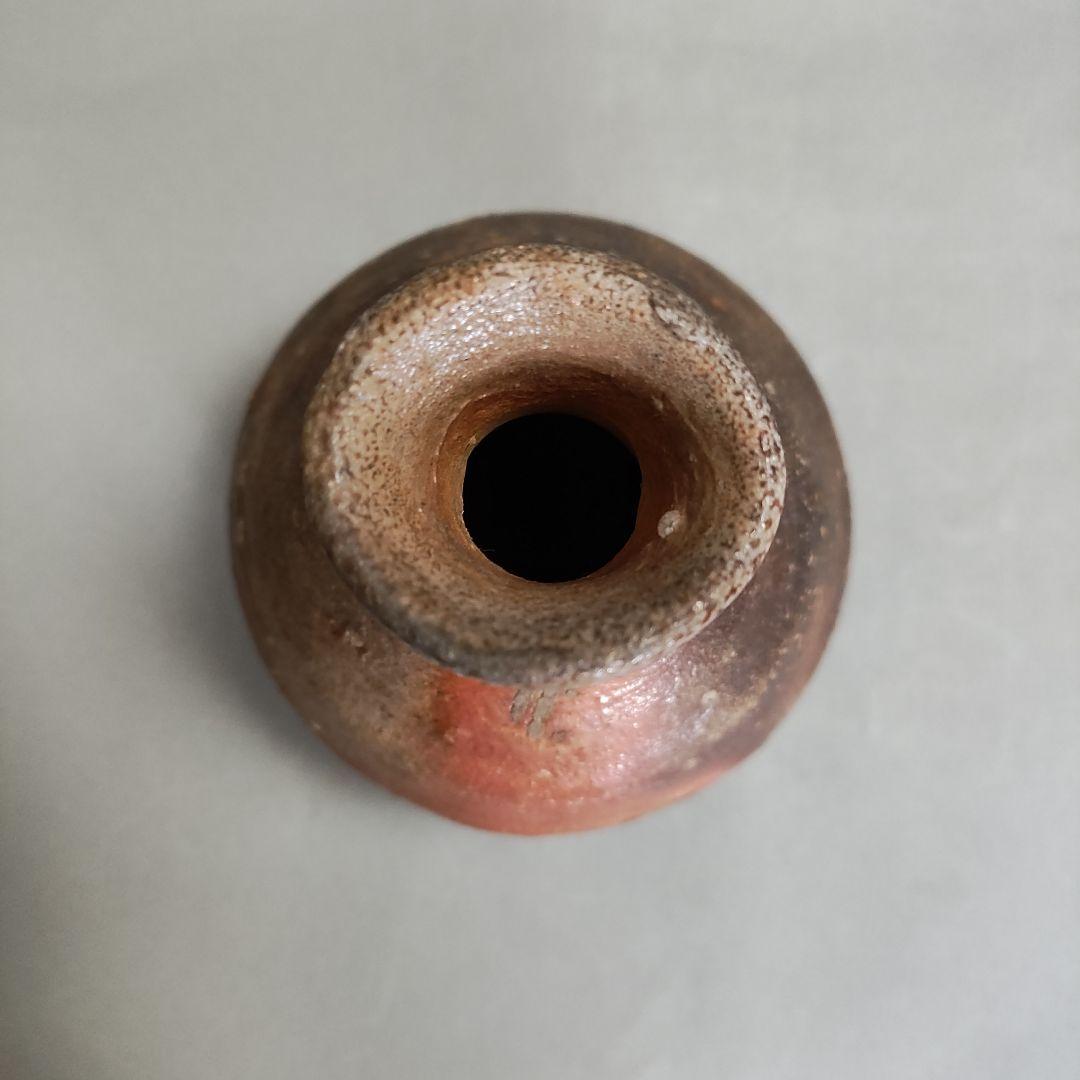
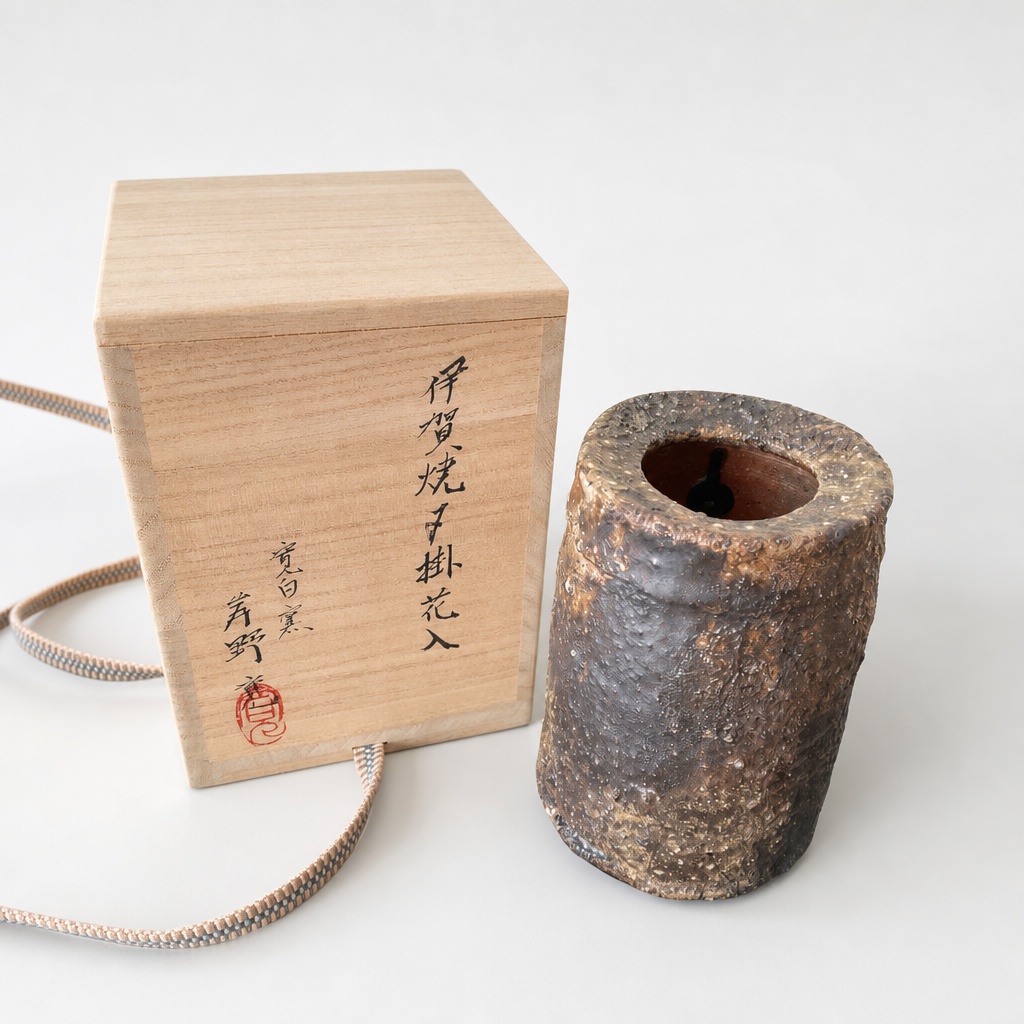
Thick, glassy green natural ash glaze (bidoro) running and pooling down the vessel; scorched, blackened areas (koge) beside rough sandy clay; asymmetric, pushed or cut forms with small 'ear' lugs on vases and water jars.
- Traditional Craft designated by METI (1982)