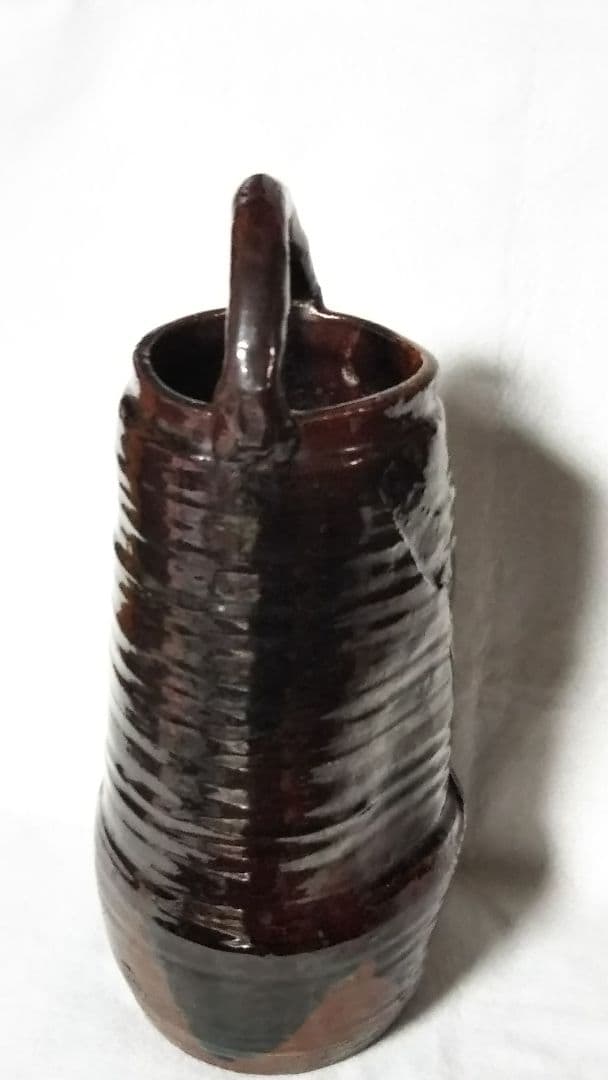
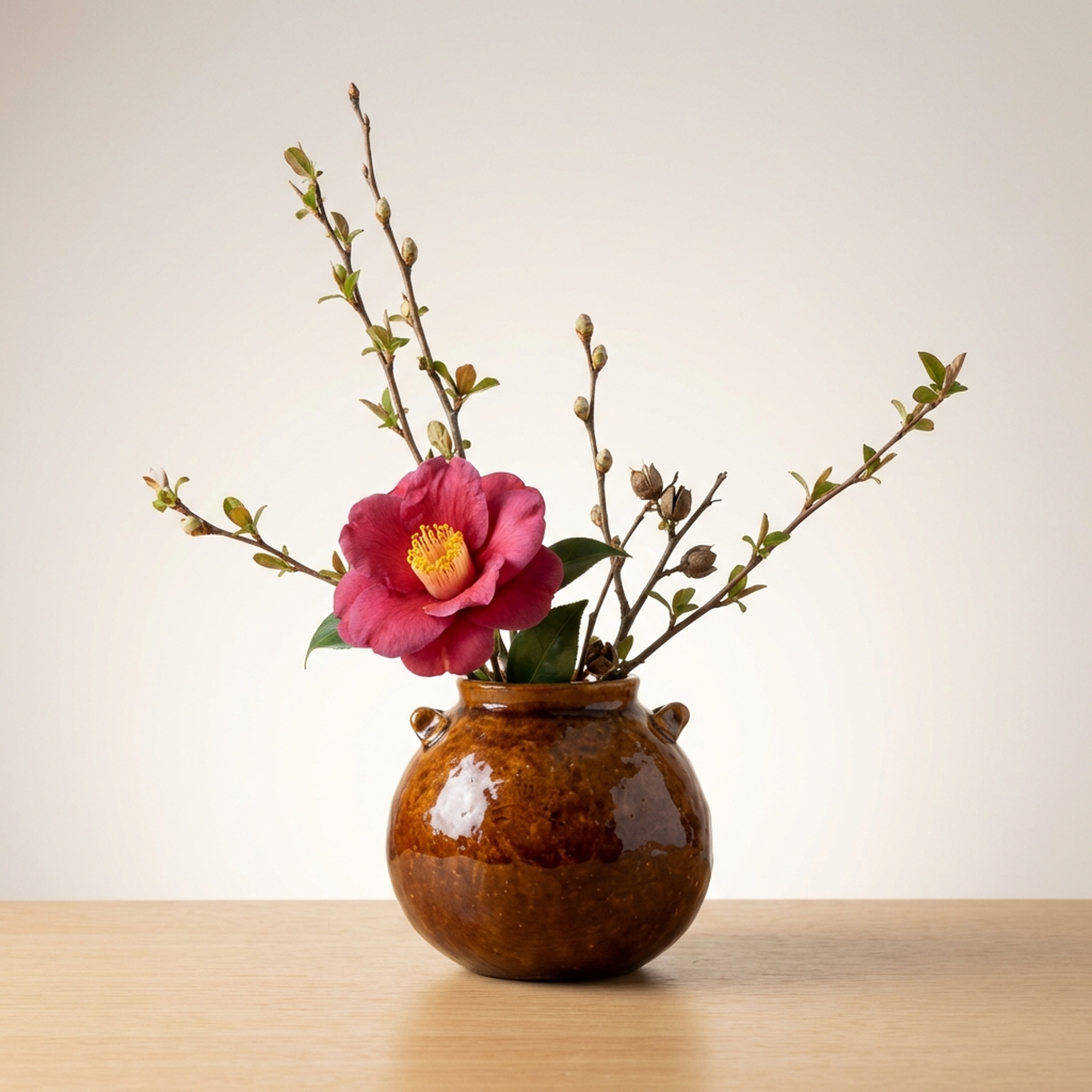
大樋焼
Ohi ware
Ishikawa (Kanazawa) · Edo period (1666)
Hand-built, raku-related tea ware from Kanazawa, known for its distinctive amber glaze and made by the Ohi Chōzaemon family line.
Ohi ware began in 1666, when Maeda Tsunanori, fifth lord of the Kaga domain, invited Sen Sensō Sōshitsu, the fourth head of the Urasenke tea school, to Kanazawa as his official for tea utensils. With him came a potter who had been a leading pupil of Ichinyū, fourth head of the Raku family in Kyoto. This potter settled in Ohi village, now Ohi-machi in Kanazawa, and took the name Ohi Chōzaemon. His descendants have continued the line to the present day. Like Raku ware, Ohi pieces are shaped by hand and spatula rather than on a wheel, fired briefly at high temperature in a small kiln, and pulled out while still hot to cool quickly. The ware was made mainly for the tea ceremony.
Arcilla y cocción
Hand-built clay bodies, carved with a bamboo spatula, fired quickly in a small kiln and removed hot (a raku-type technique); characteristic amber (ame) glaze.
Cómo identificar Ohi ware
Distinctive amber to honey-brown glaze; hand-shaped, slightly uneven walls with spatula-carved facets rather than wheel-thrown rings; mainly tea bowls and tea wares, often with an Ohi seal and a signed wooden box.