有田焼・伊万里焼
Arita / Imari ware
Saga · Early Edo period (traditionally 1616)
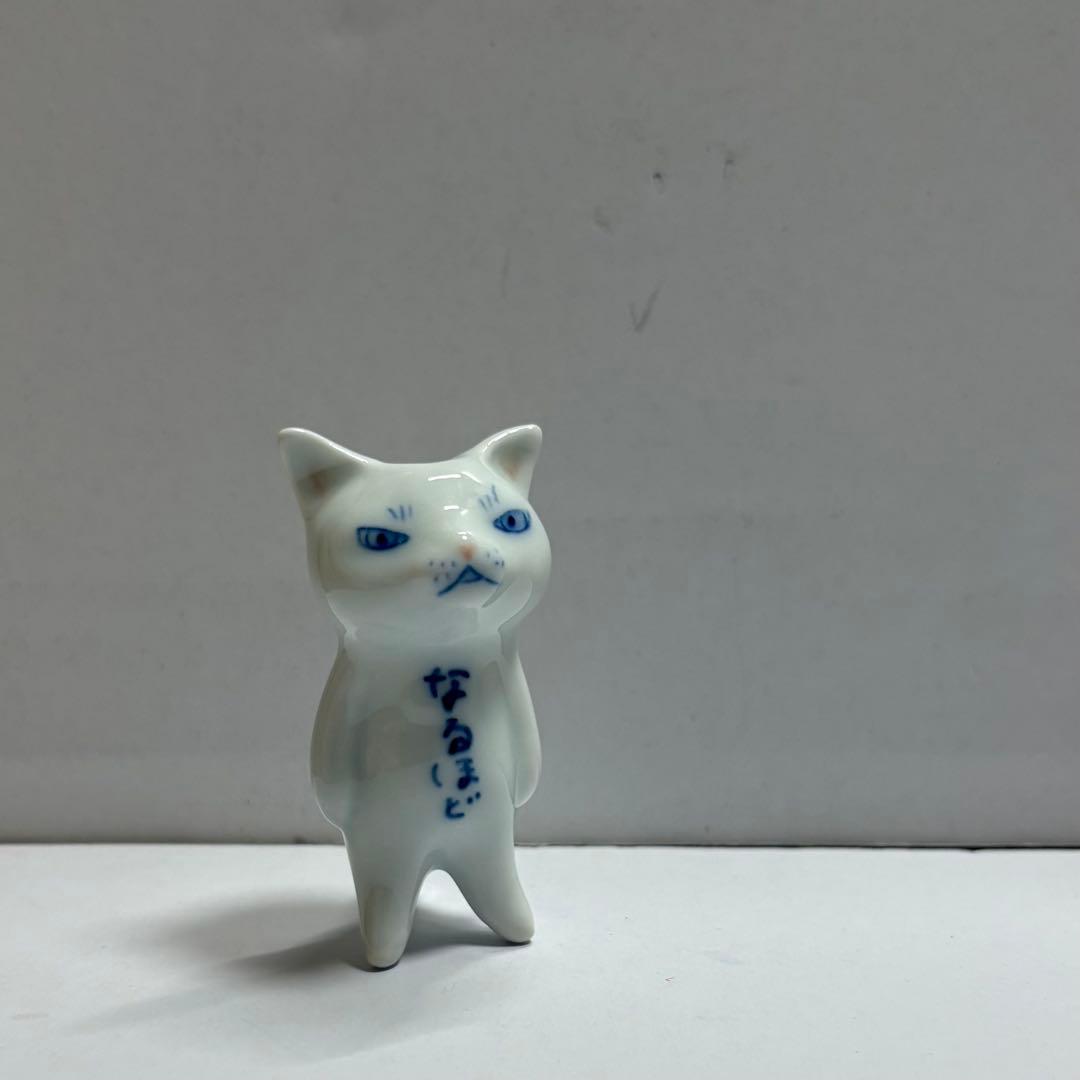
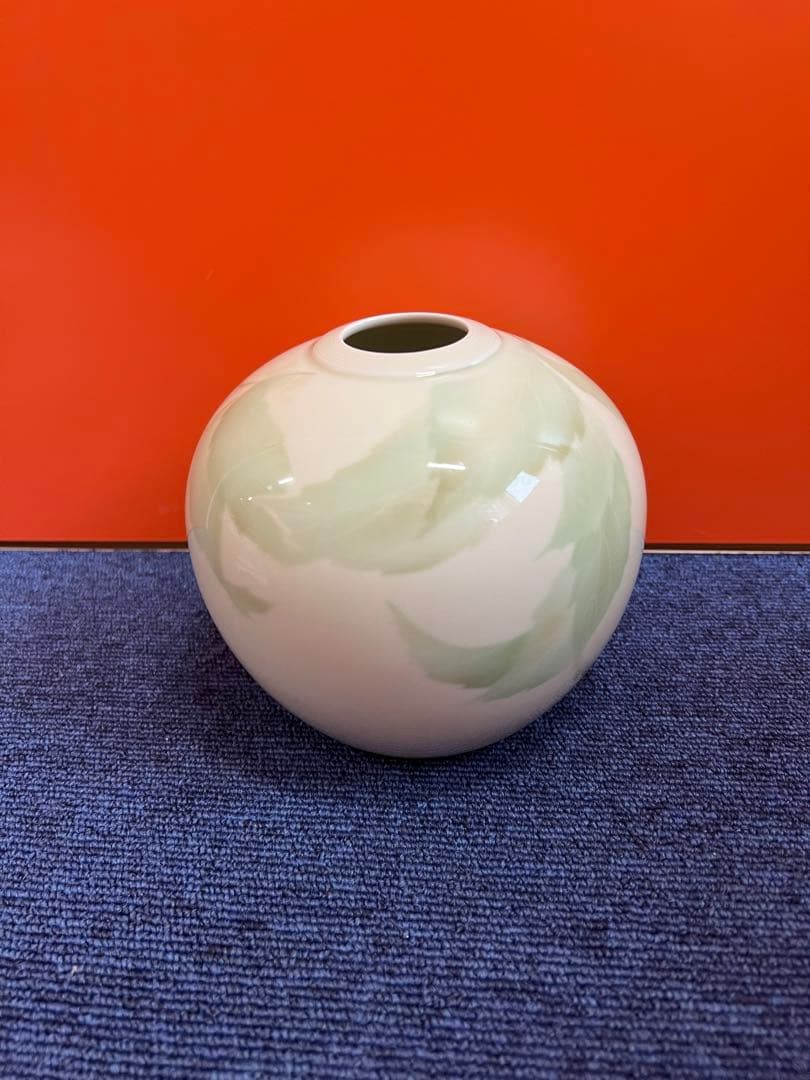
Japan's first porcelain, made in Arita from the early seventeenth century and shipped through the nearby port of Imari to Japan and Europe.
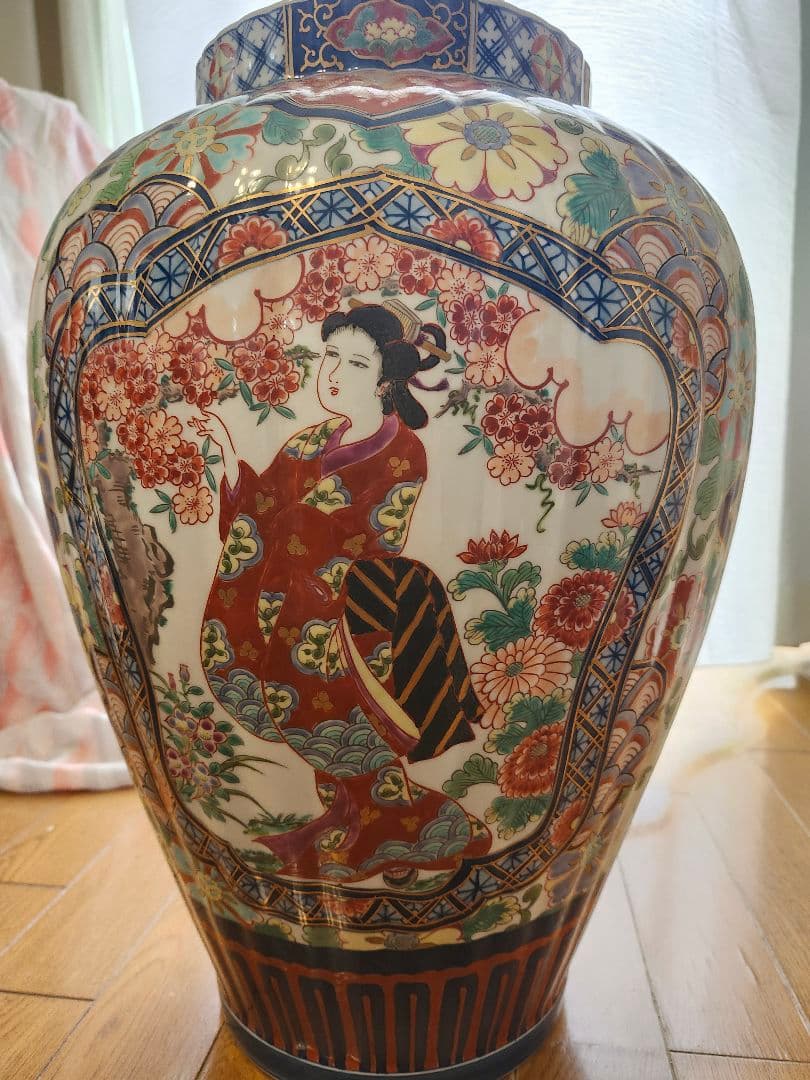
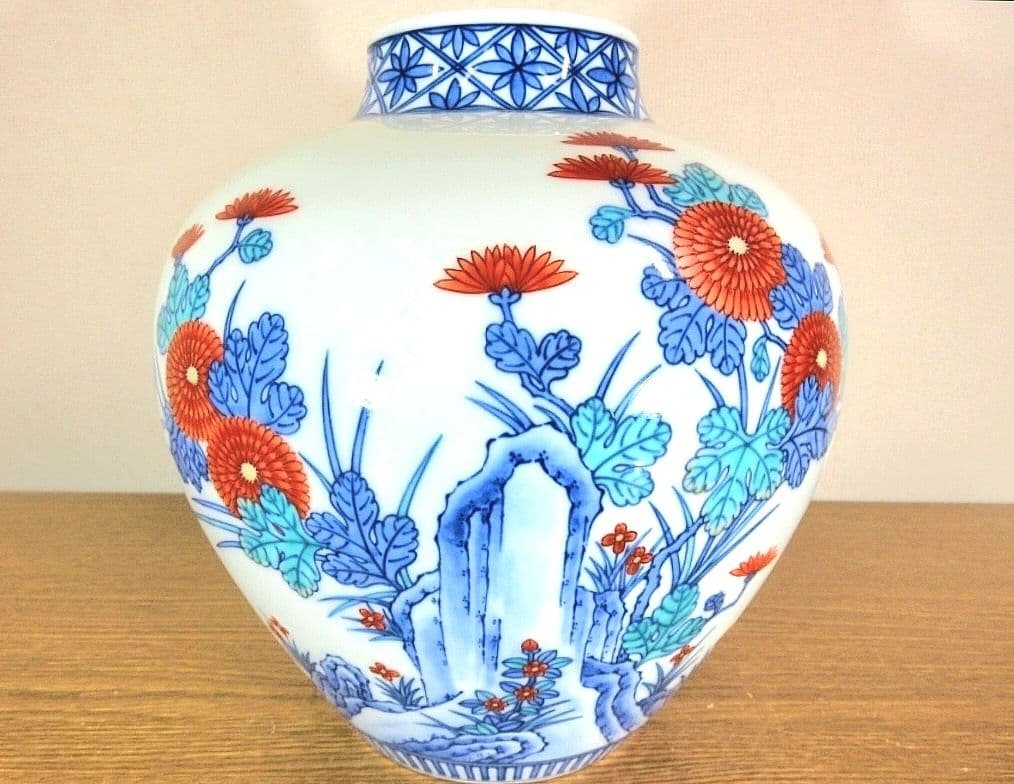
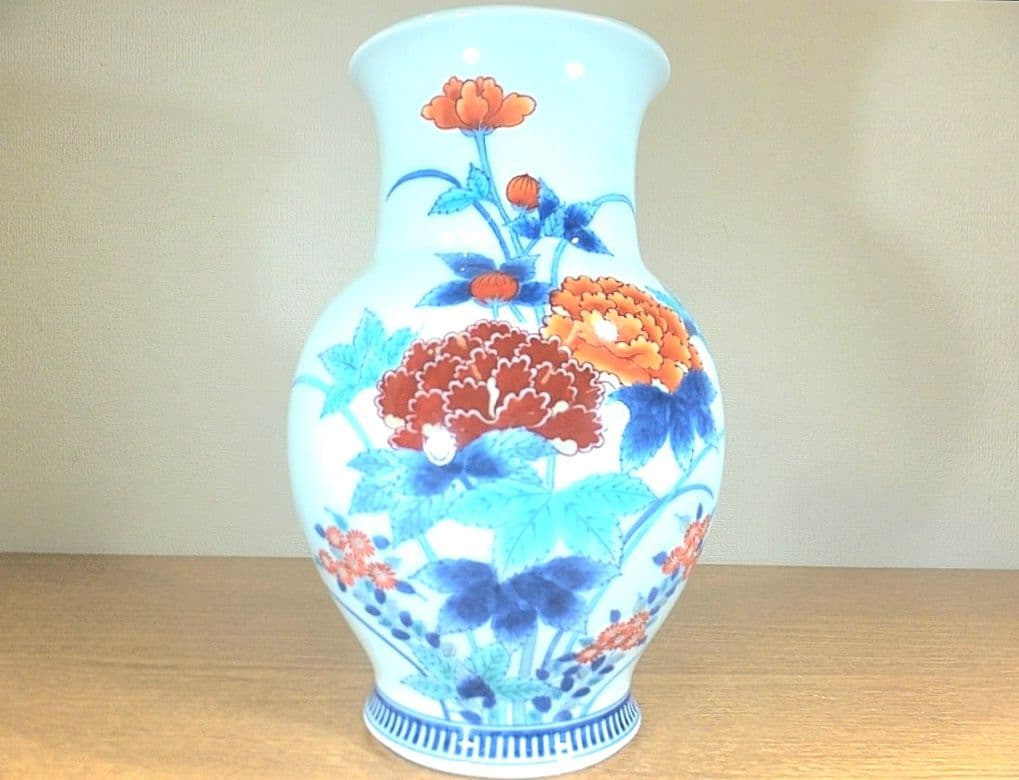
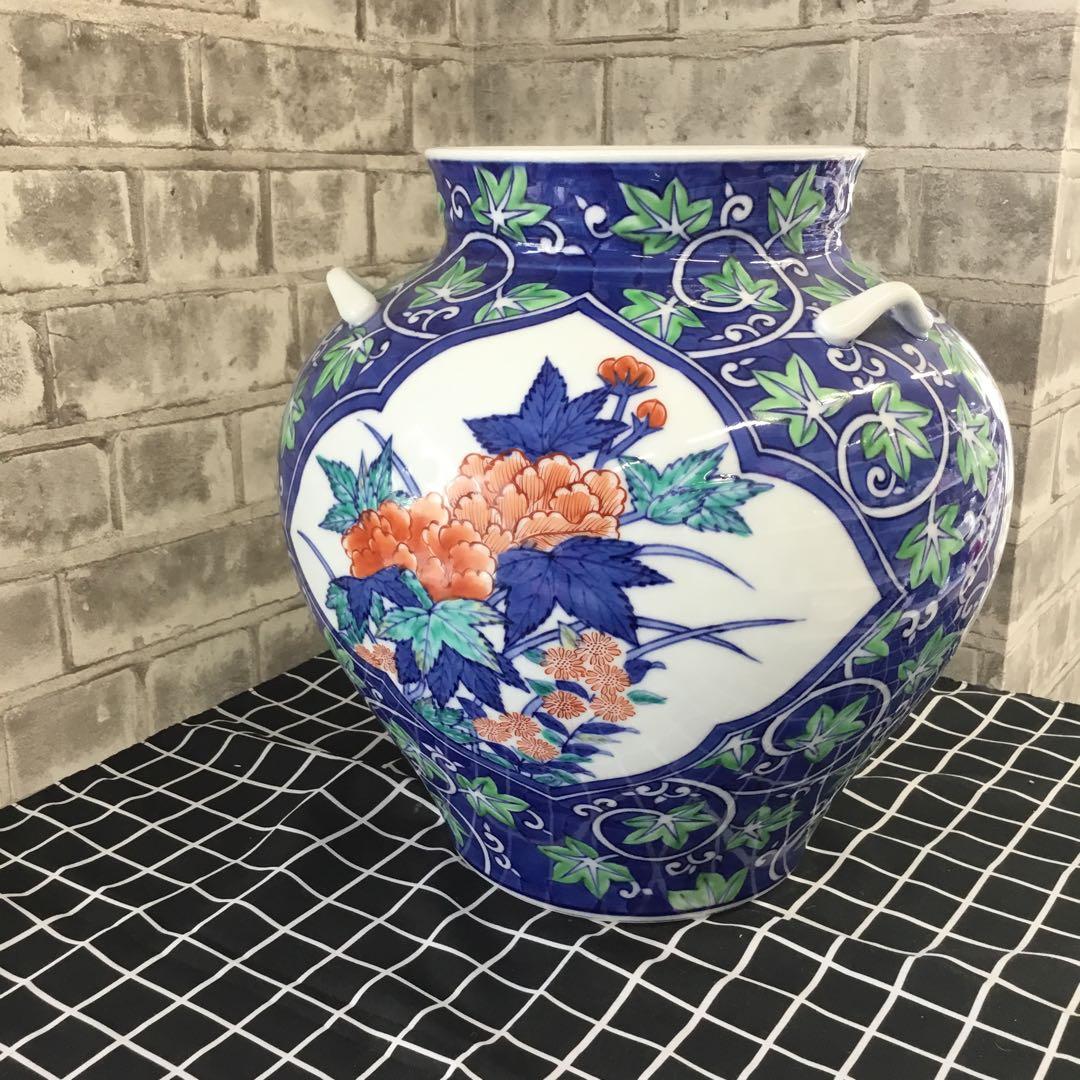
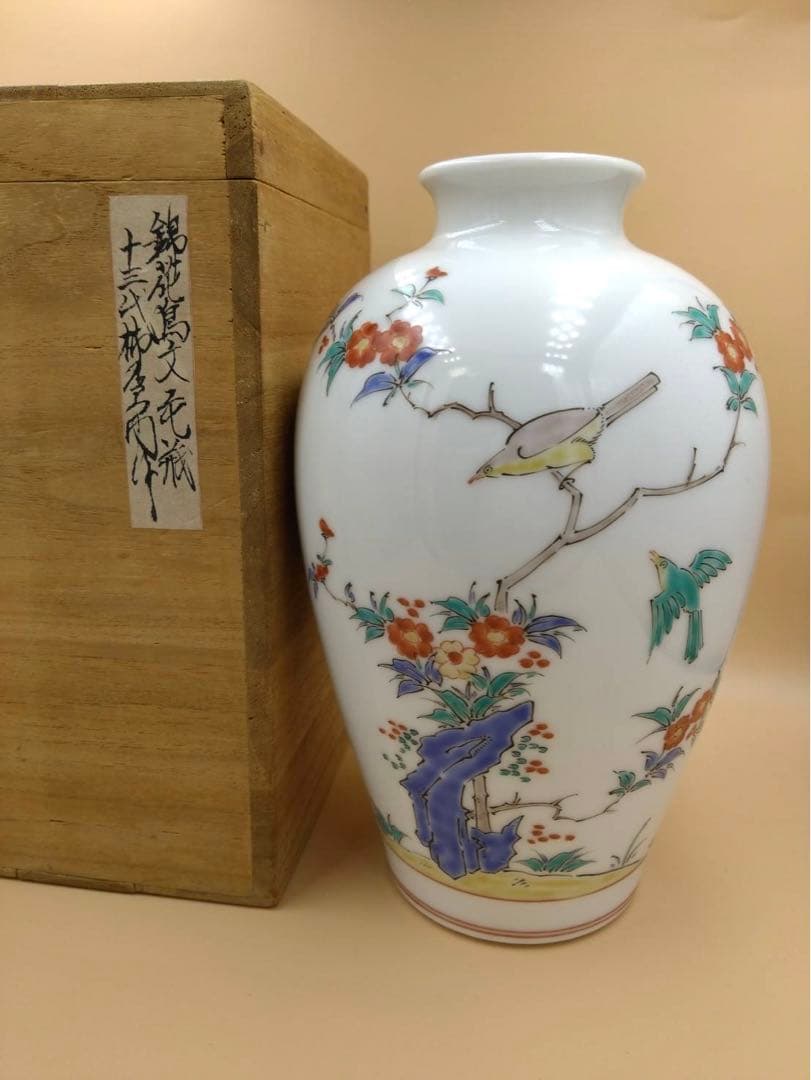
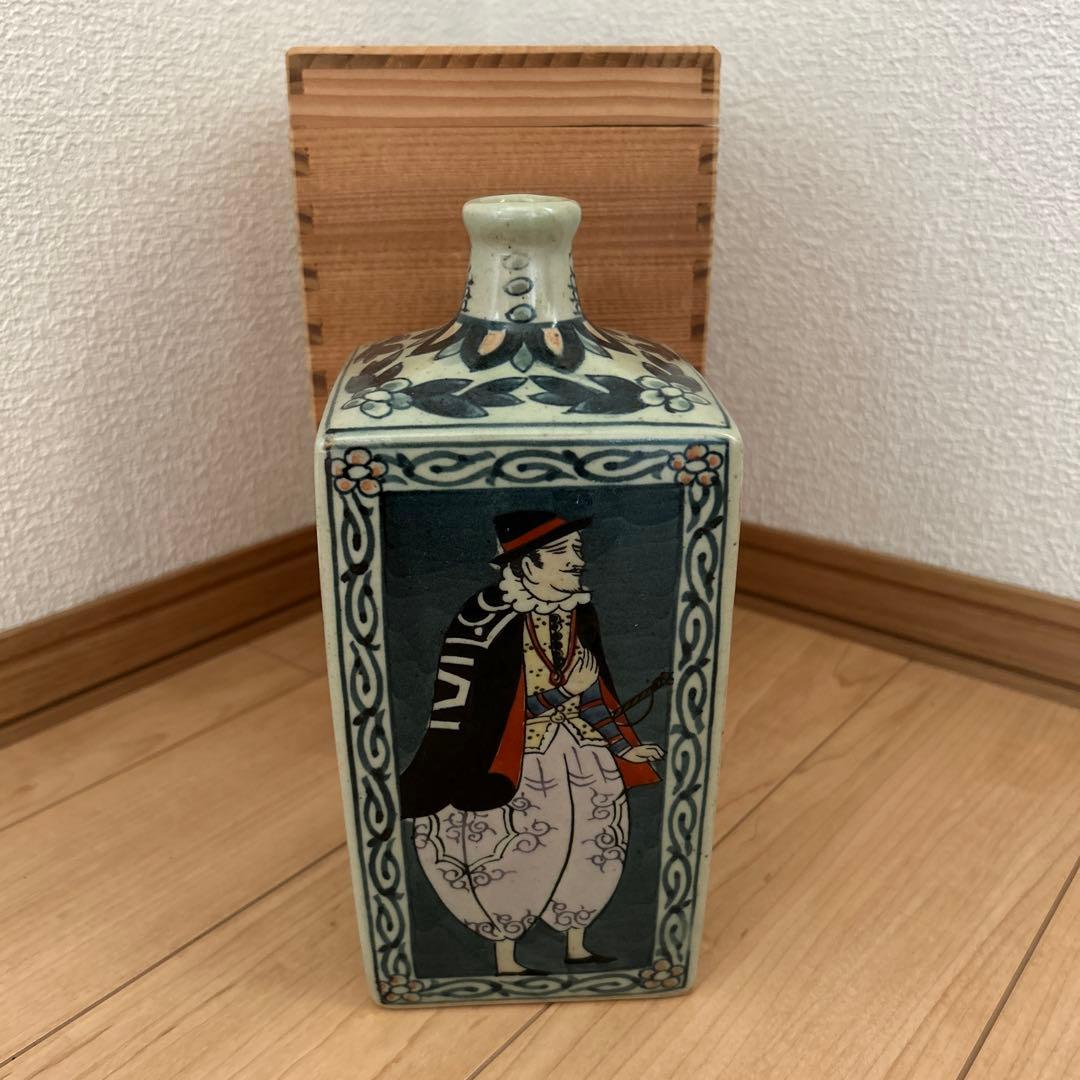
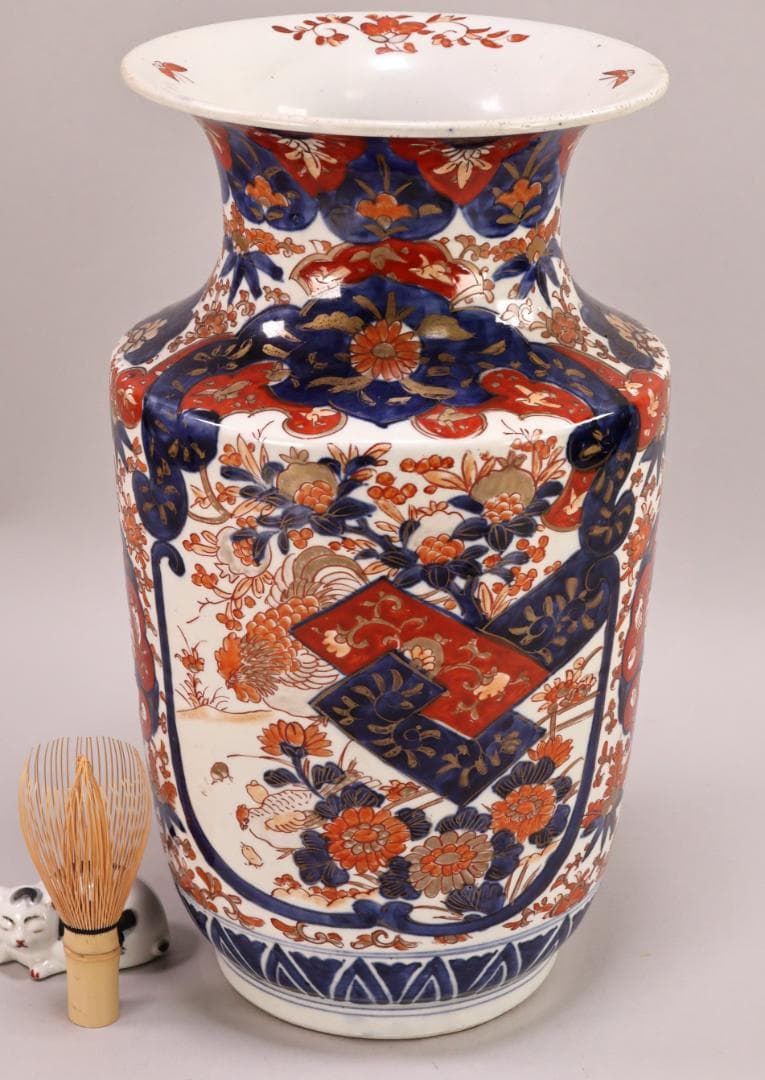
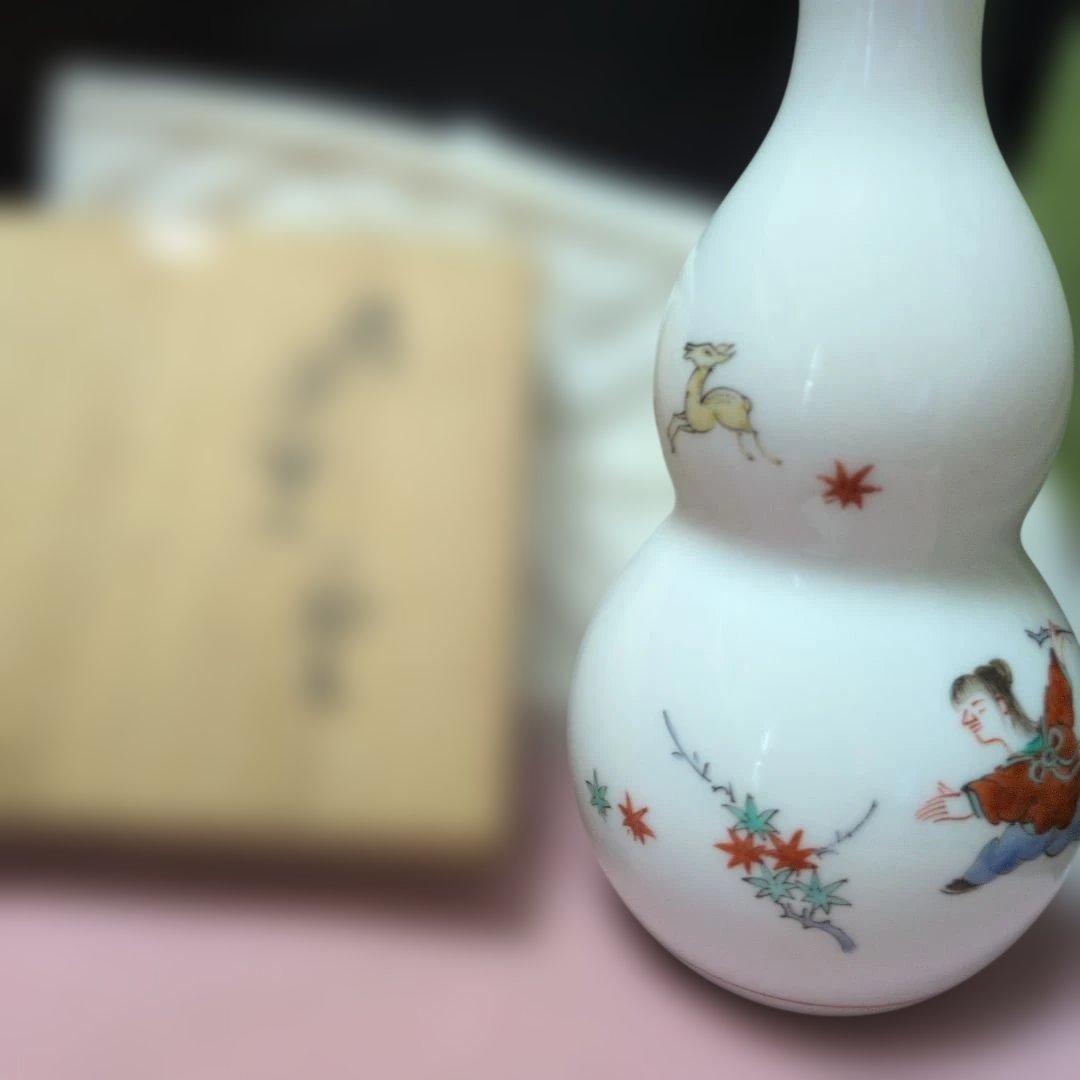
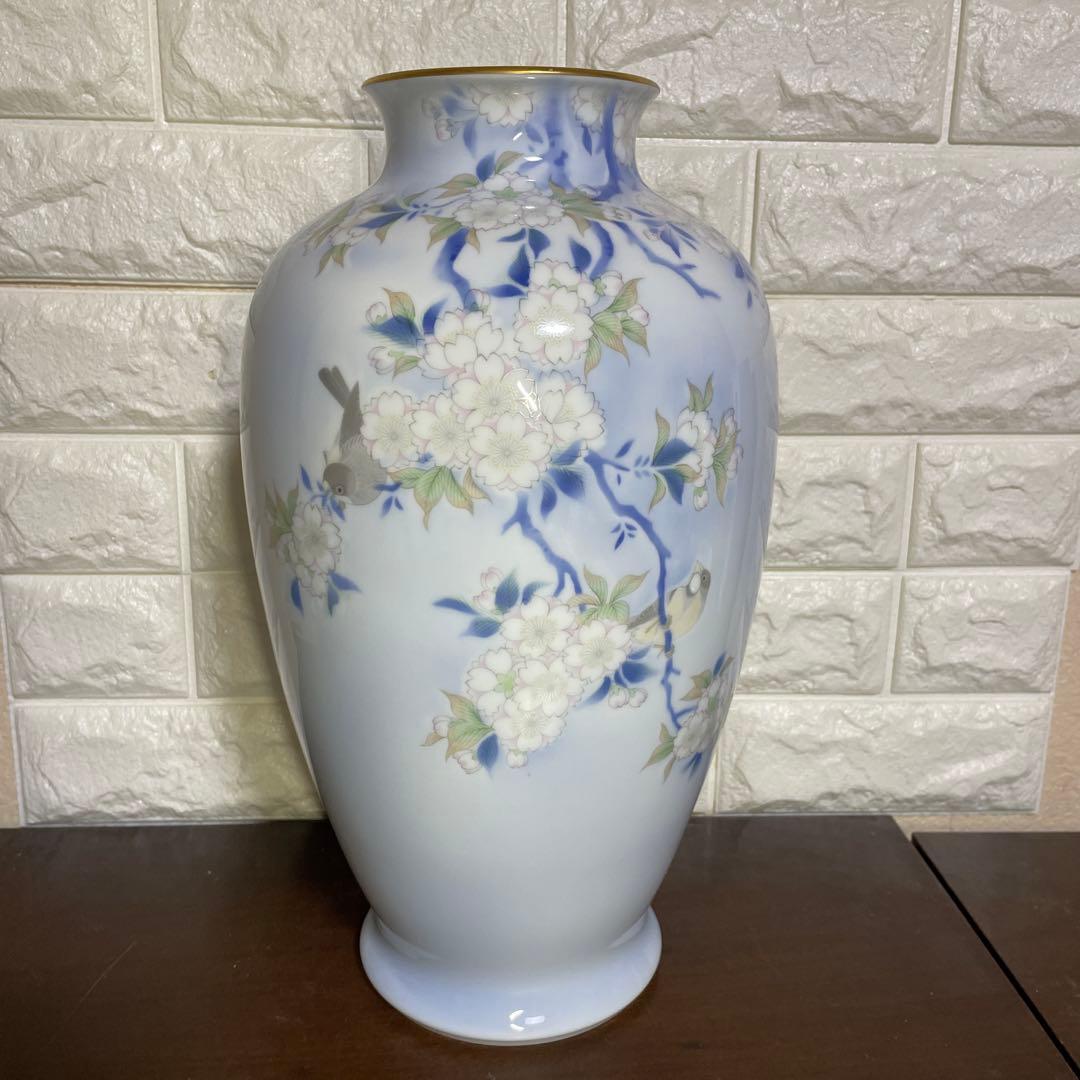
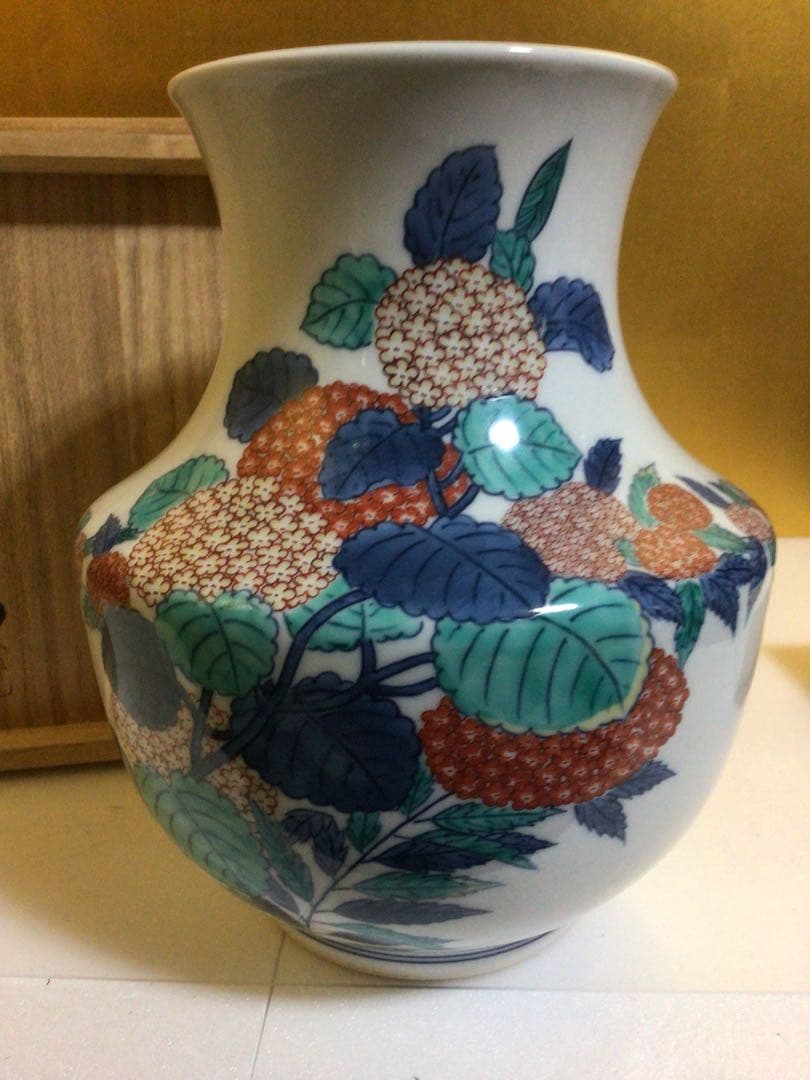
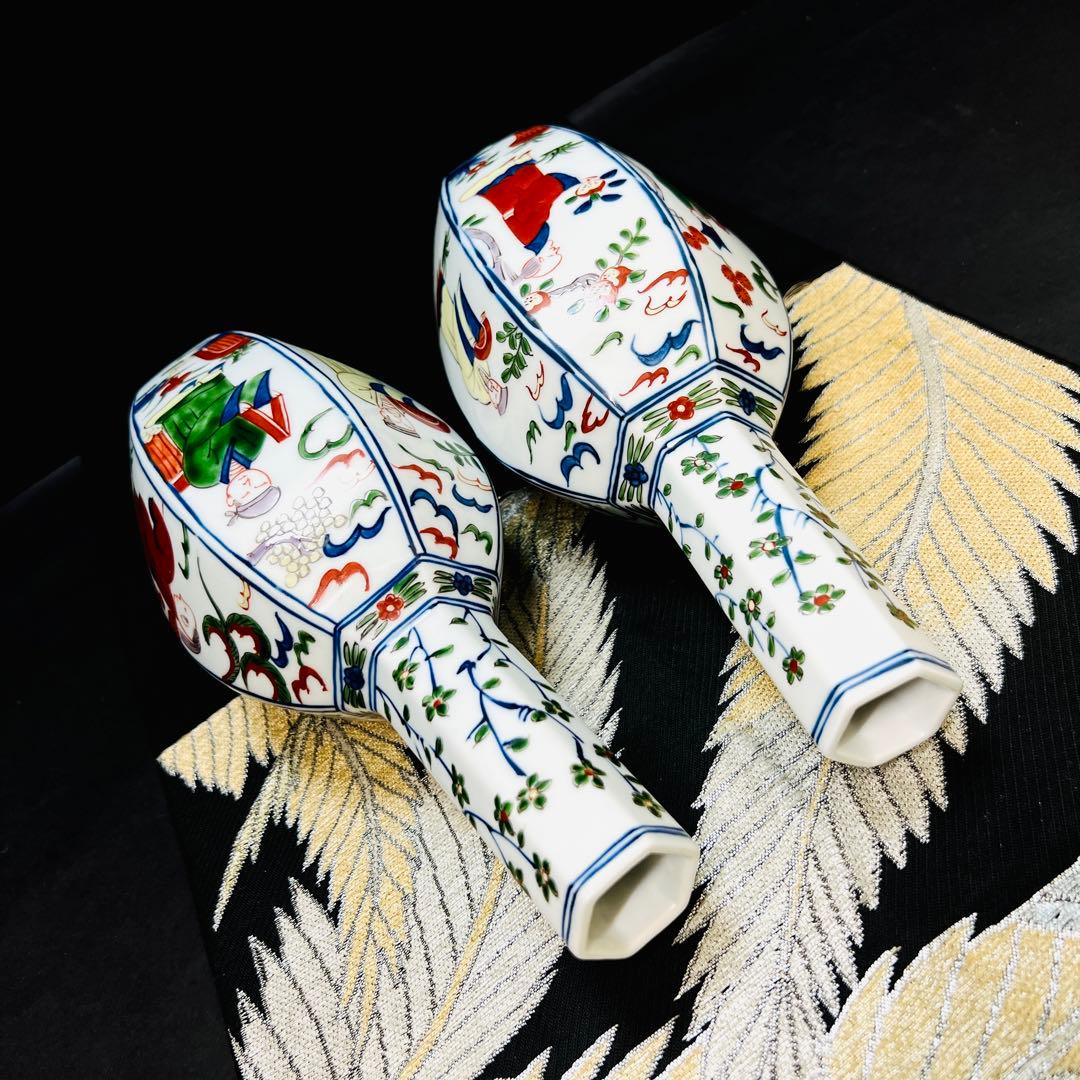
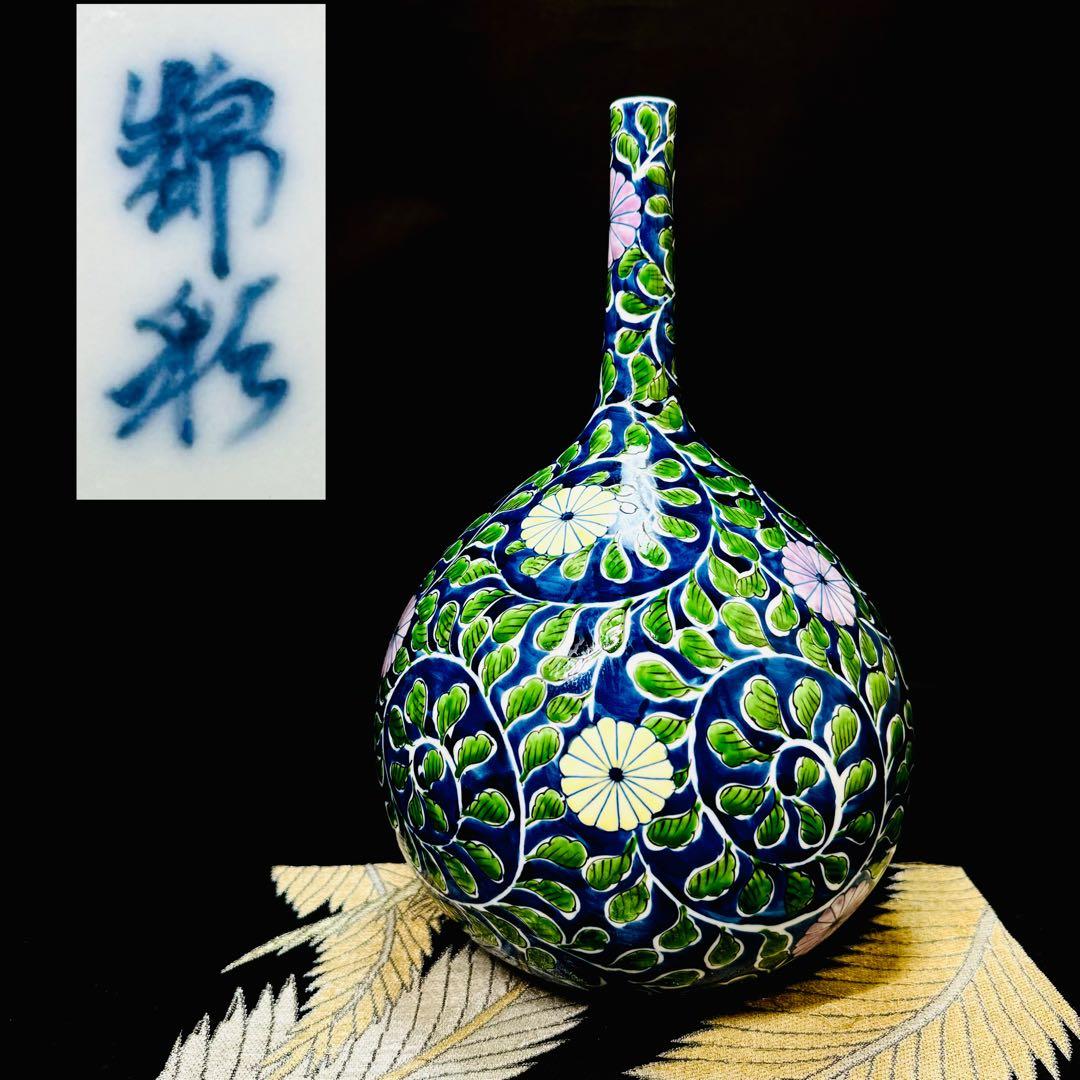
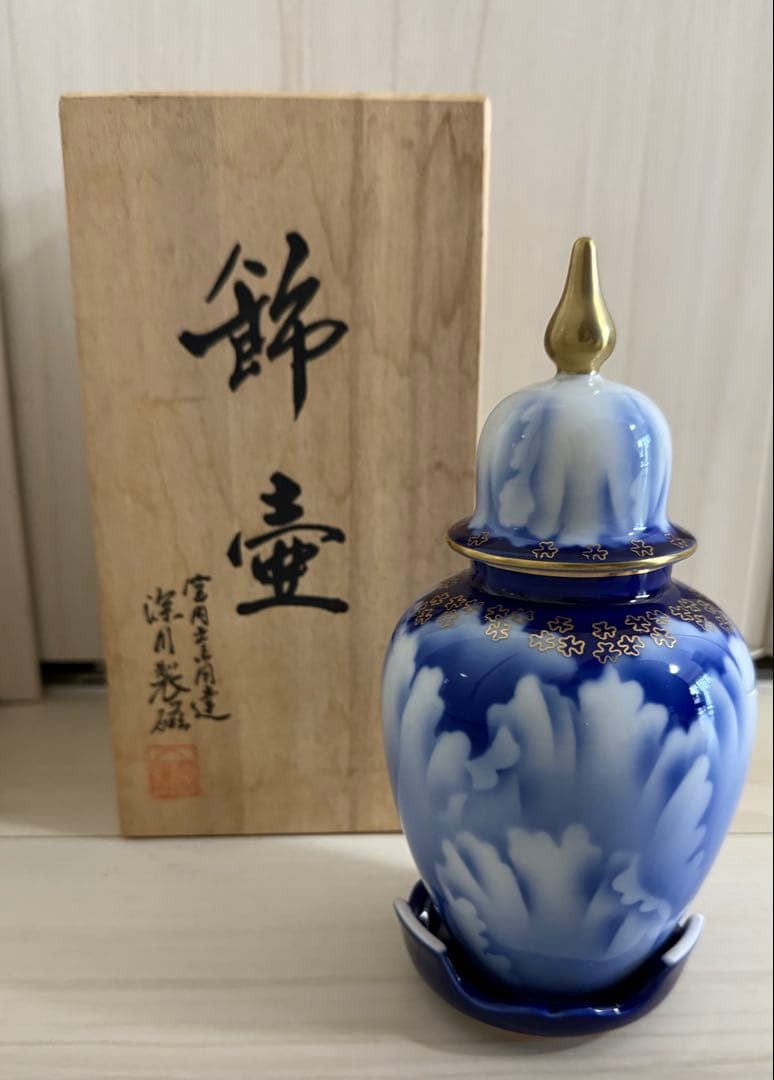
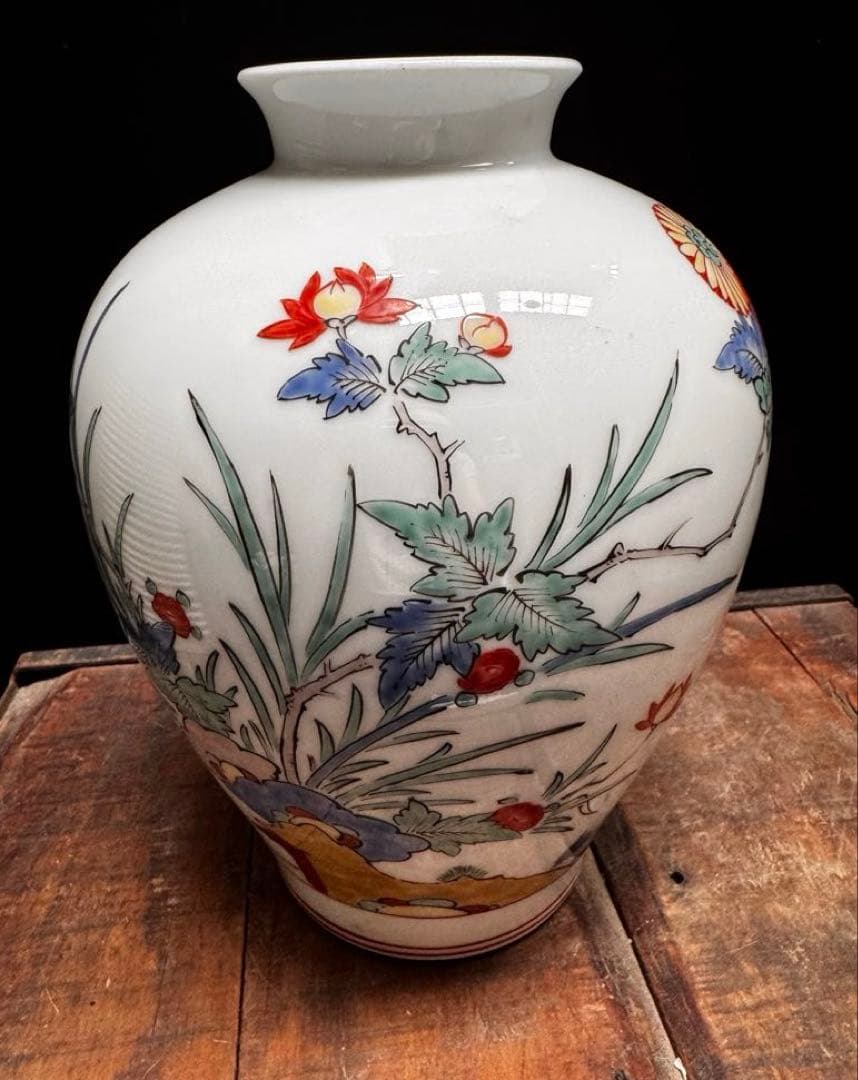
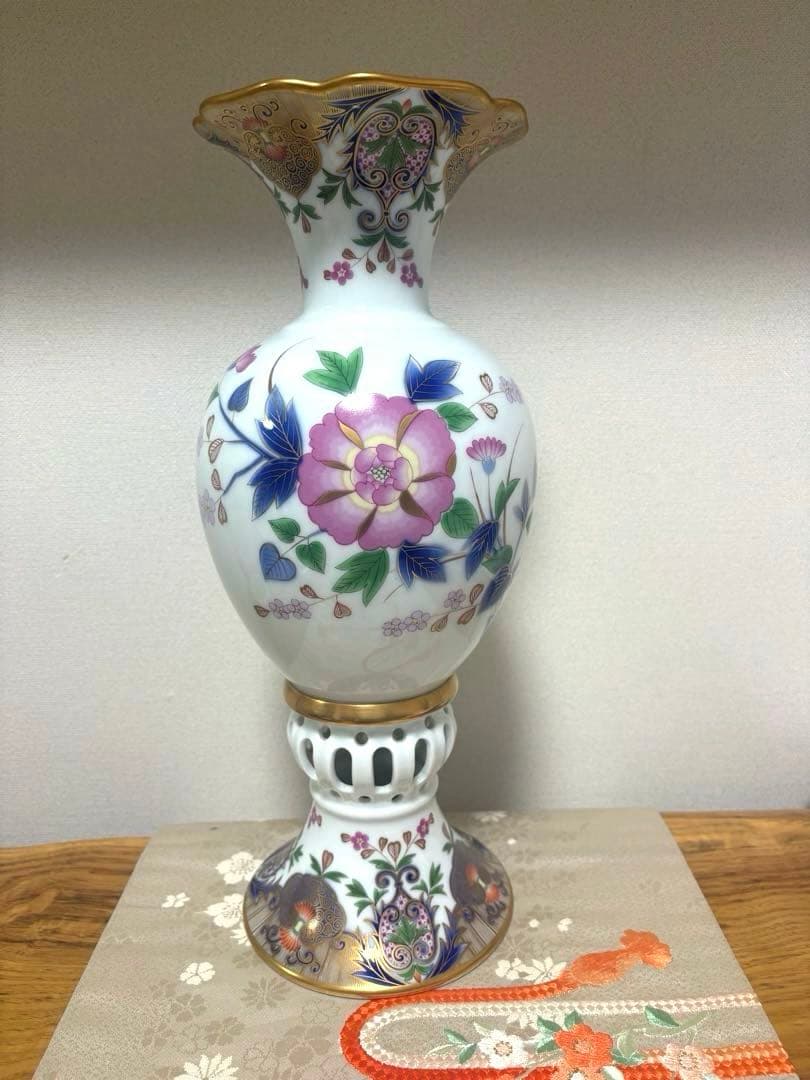
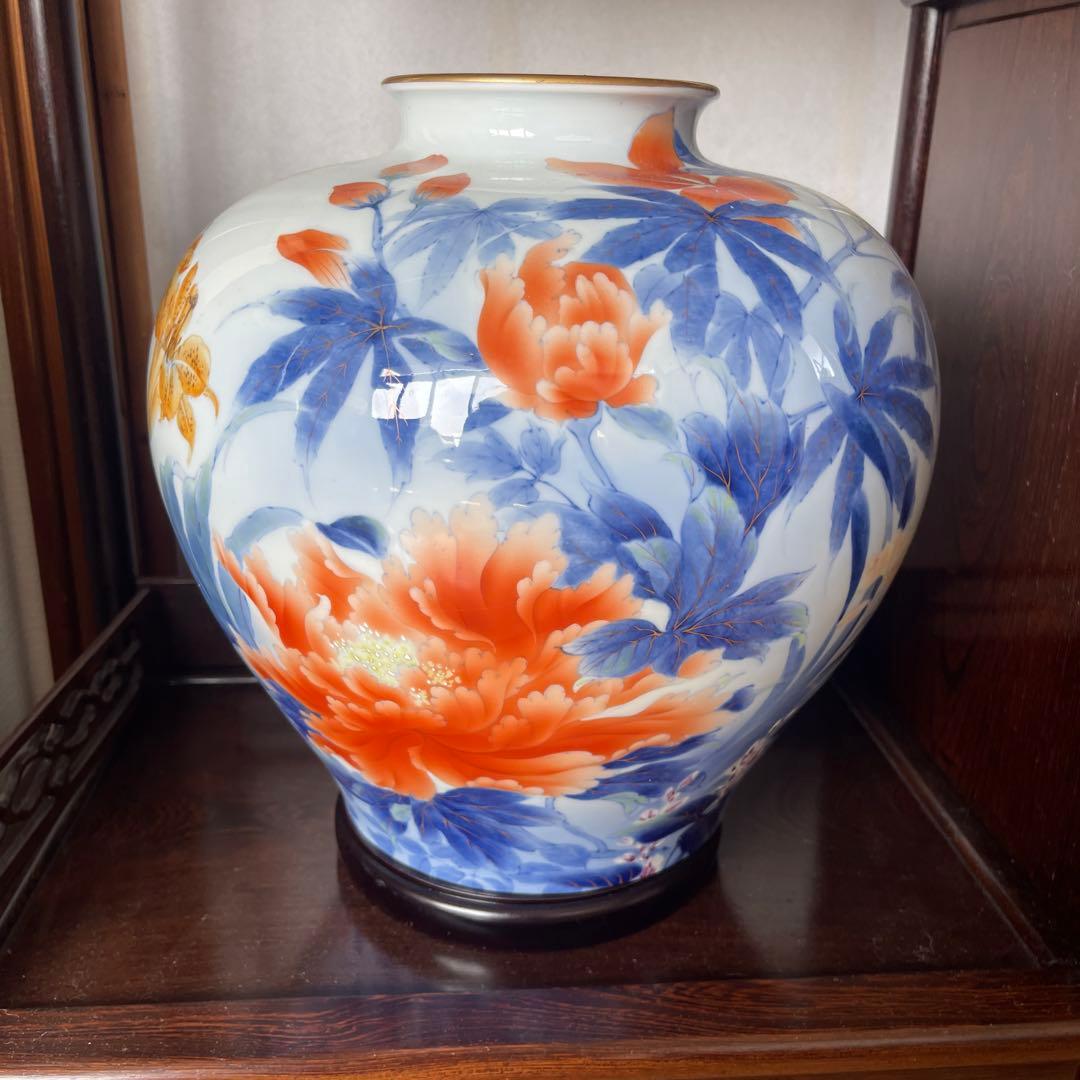
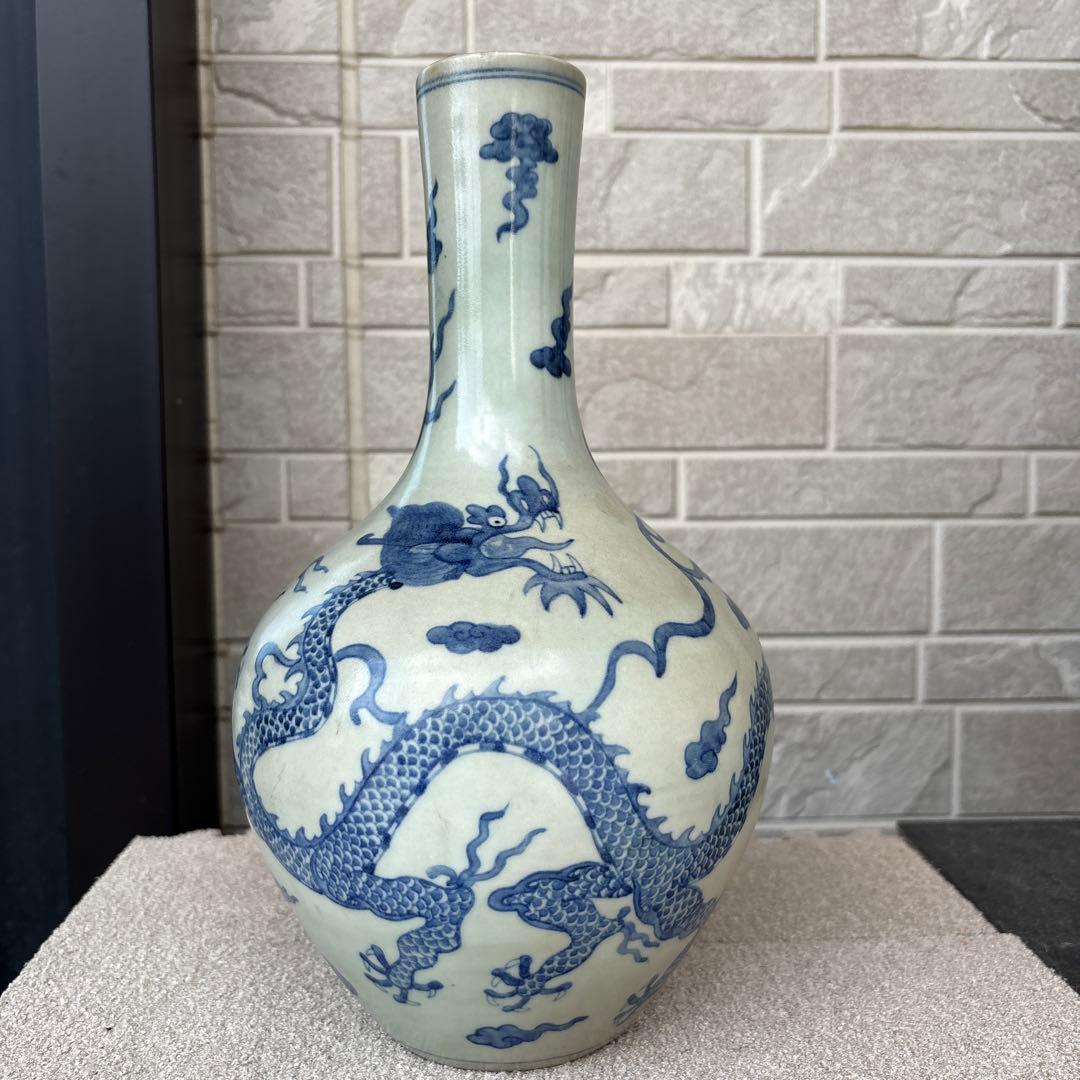
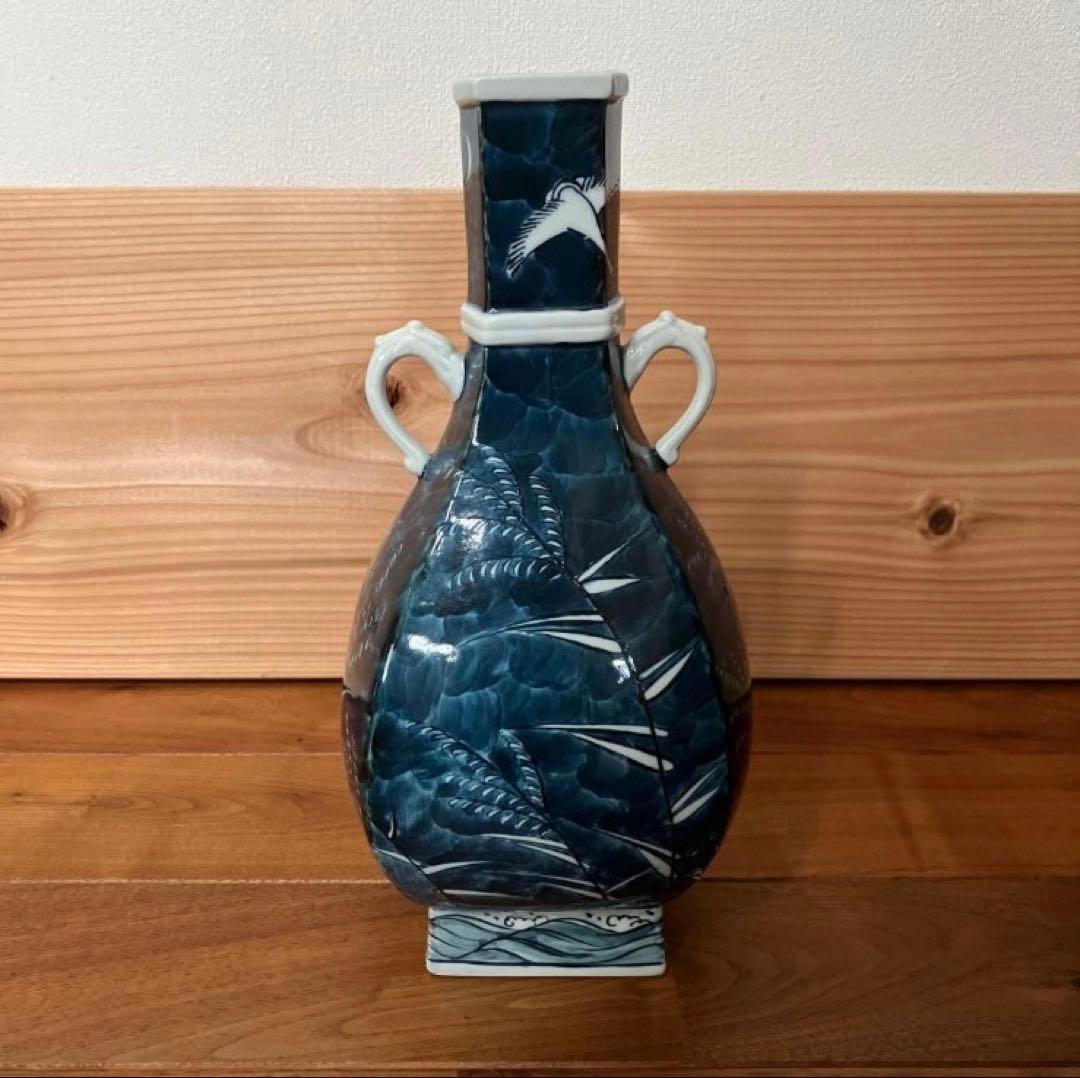
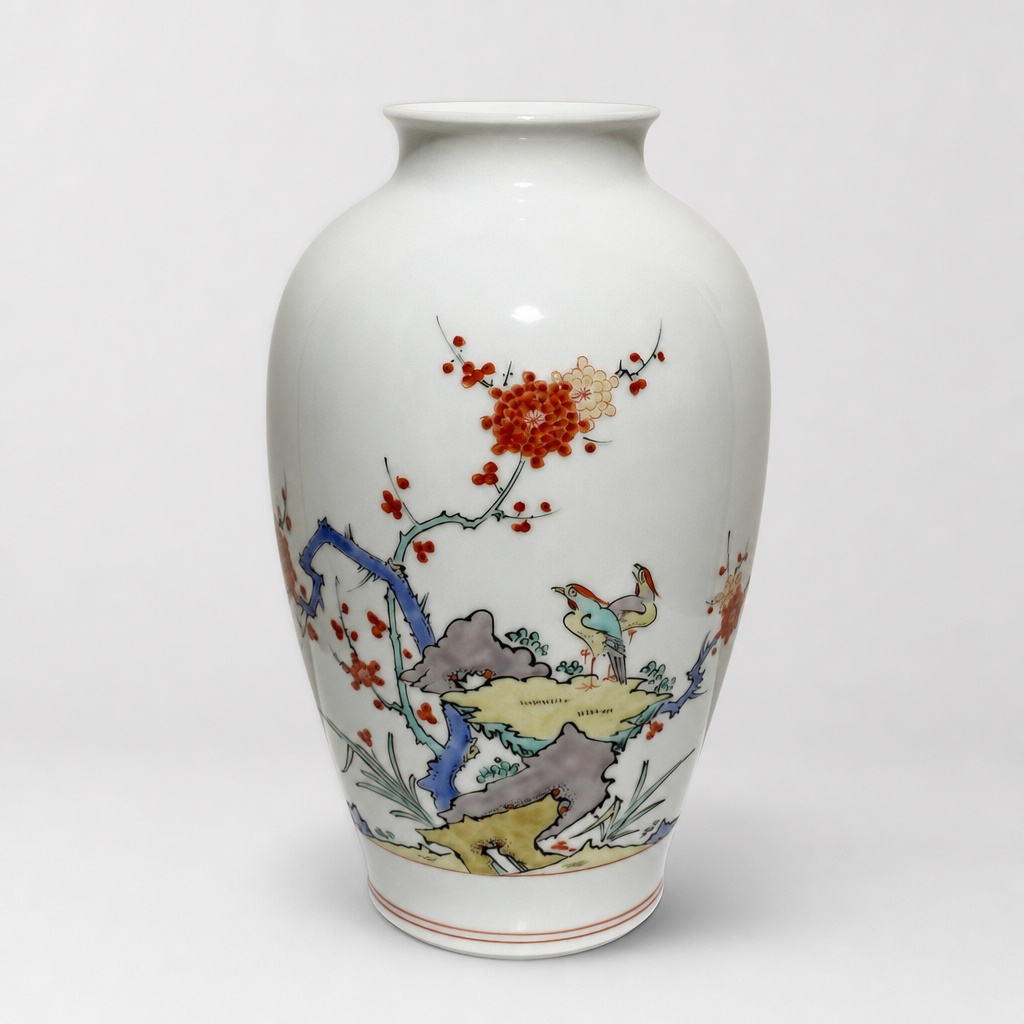
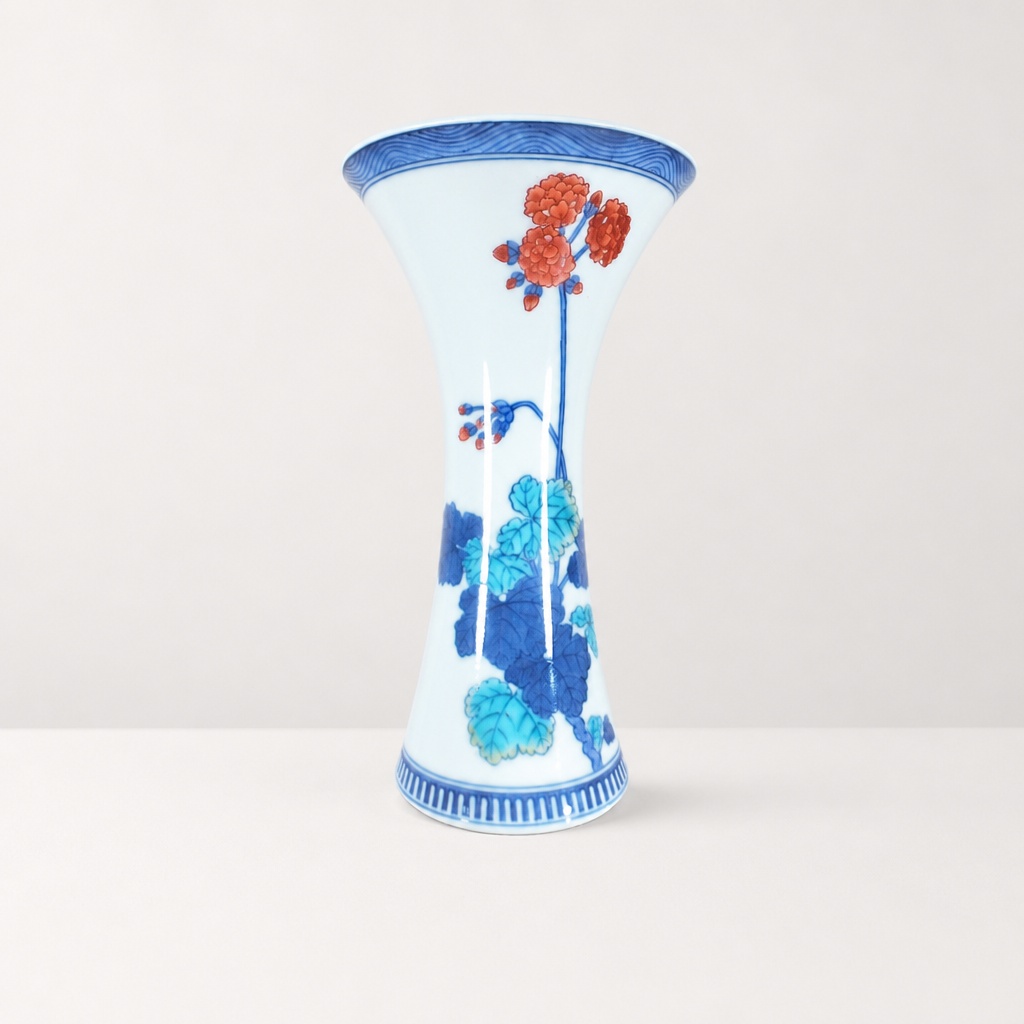
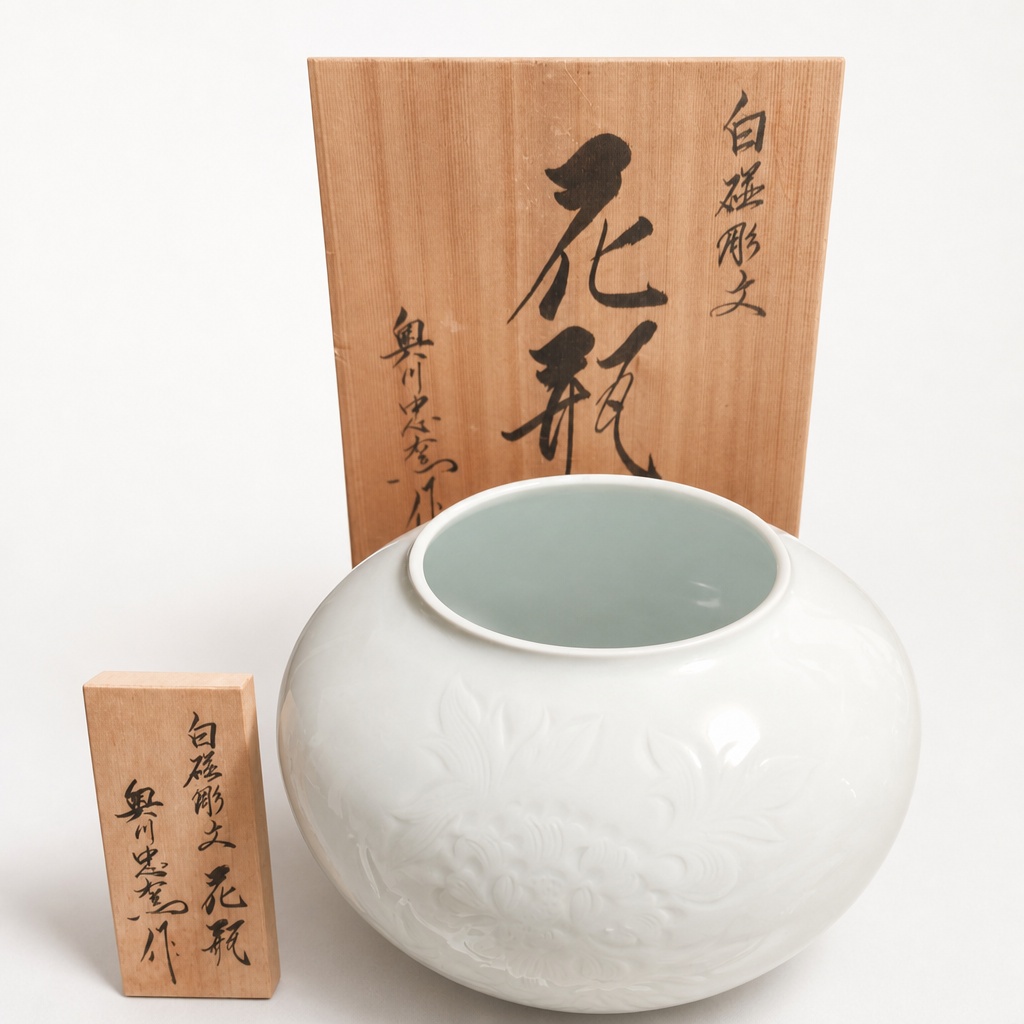
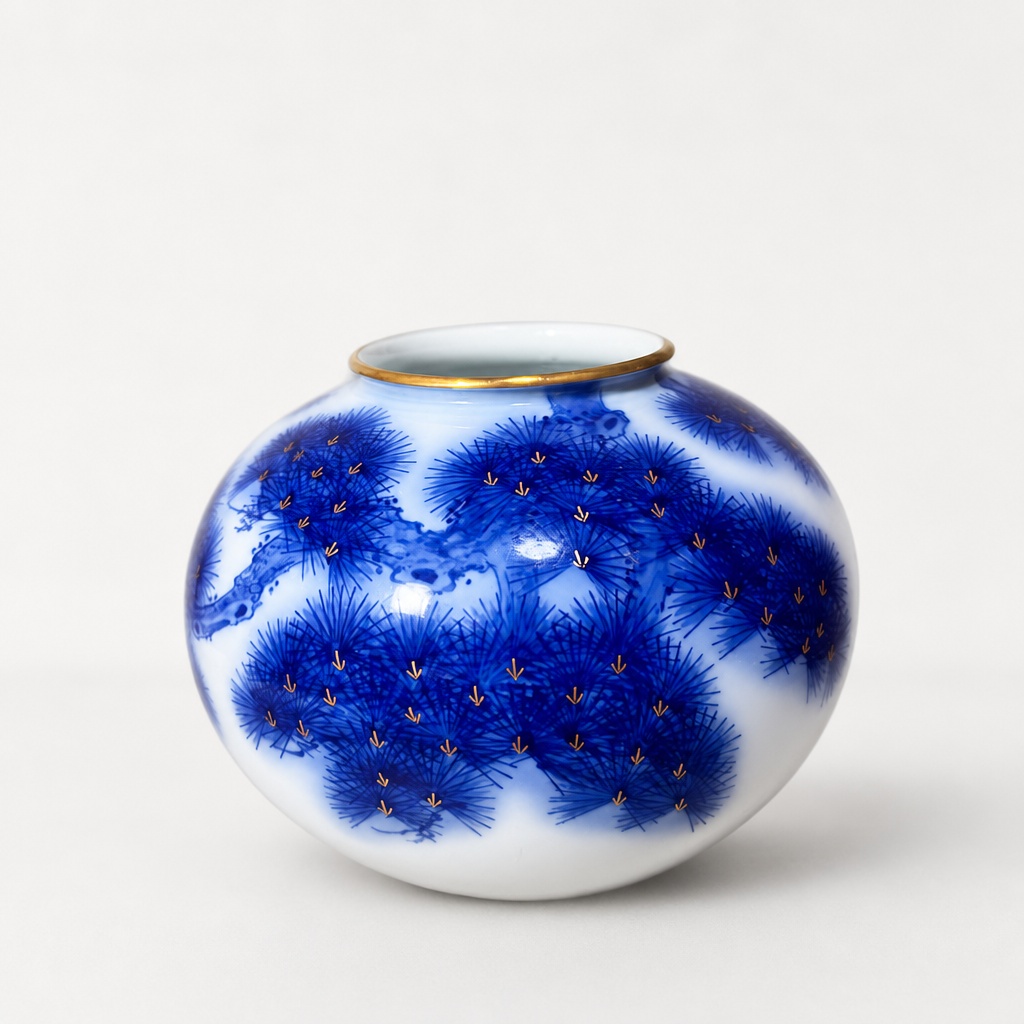
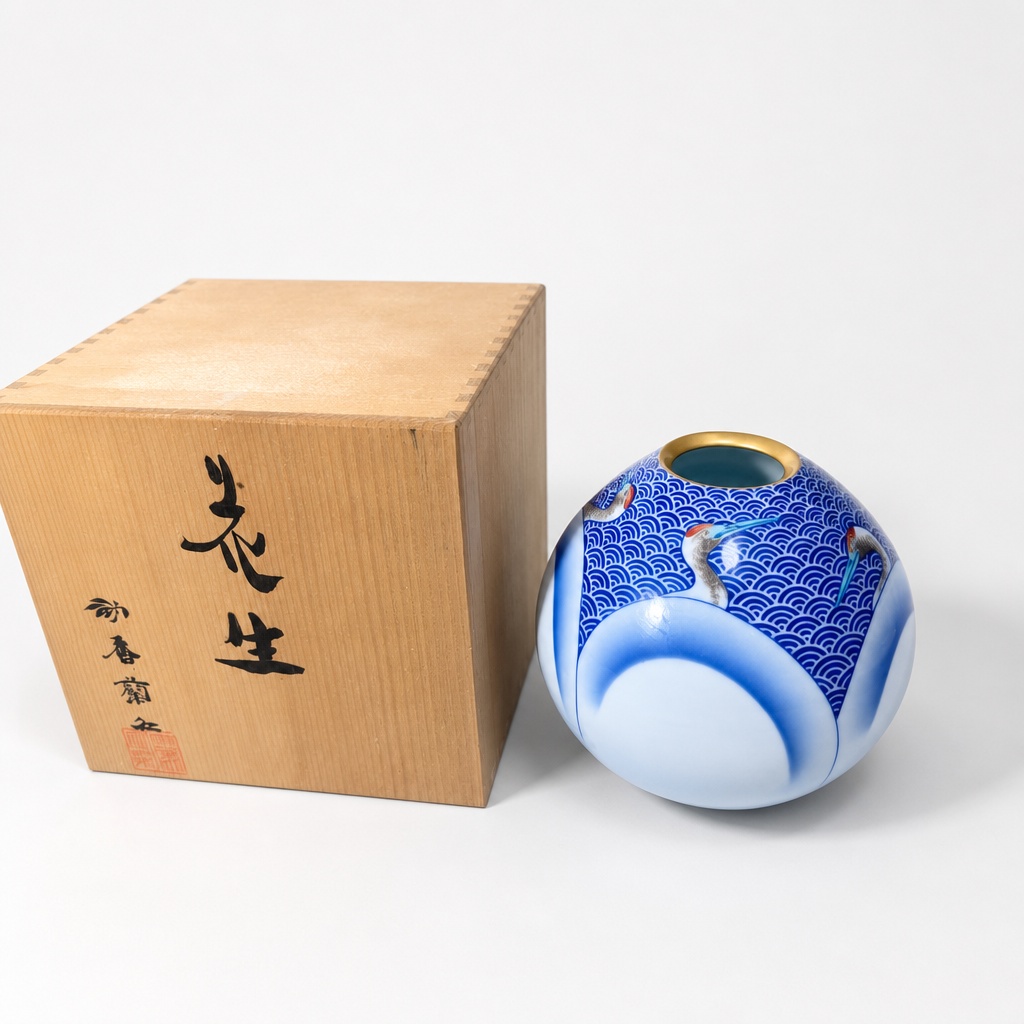
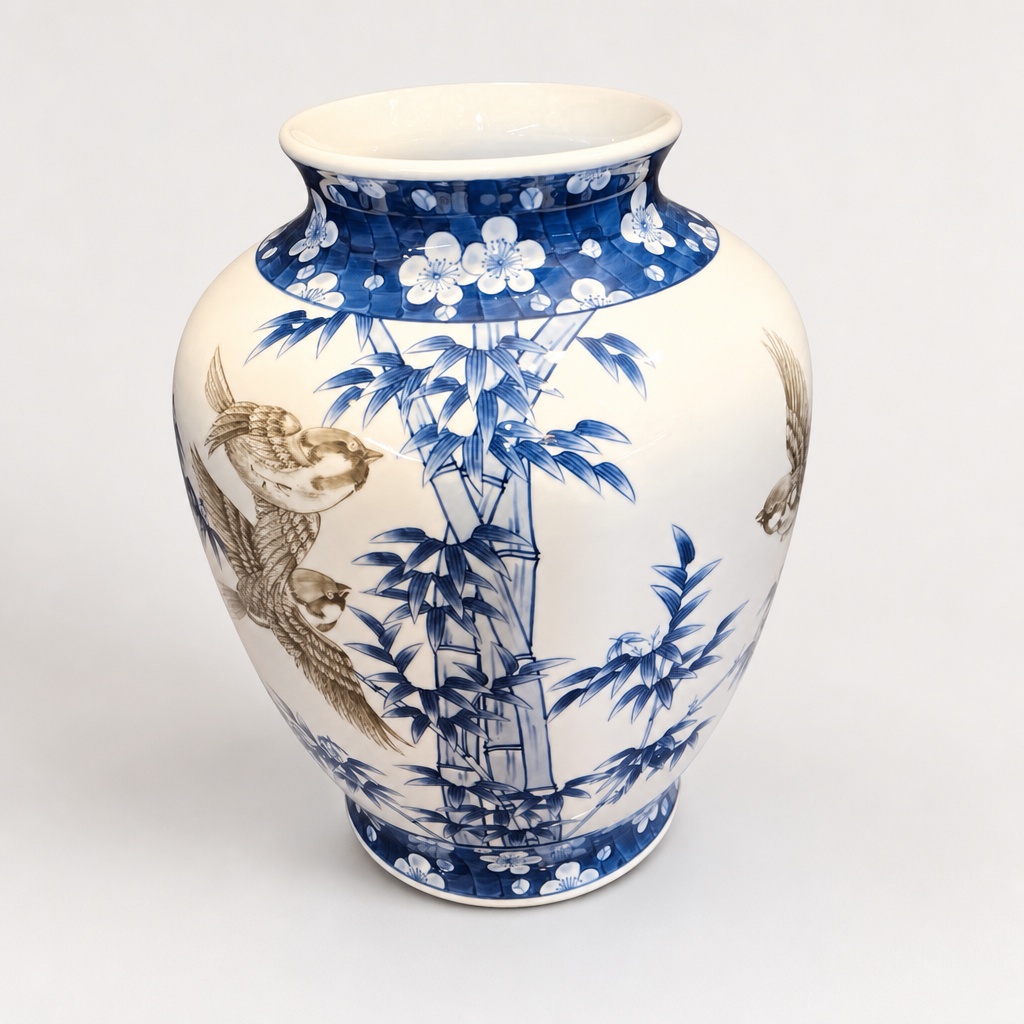
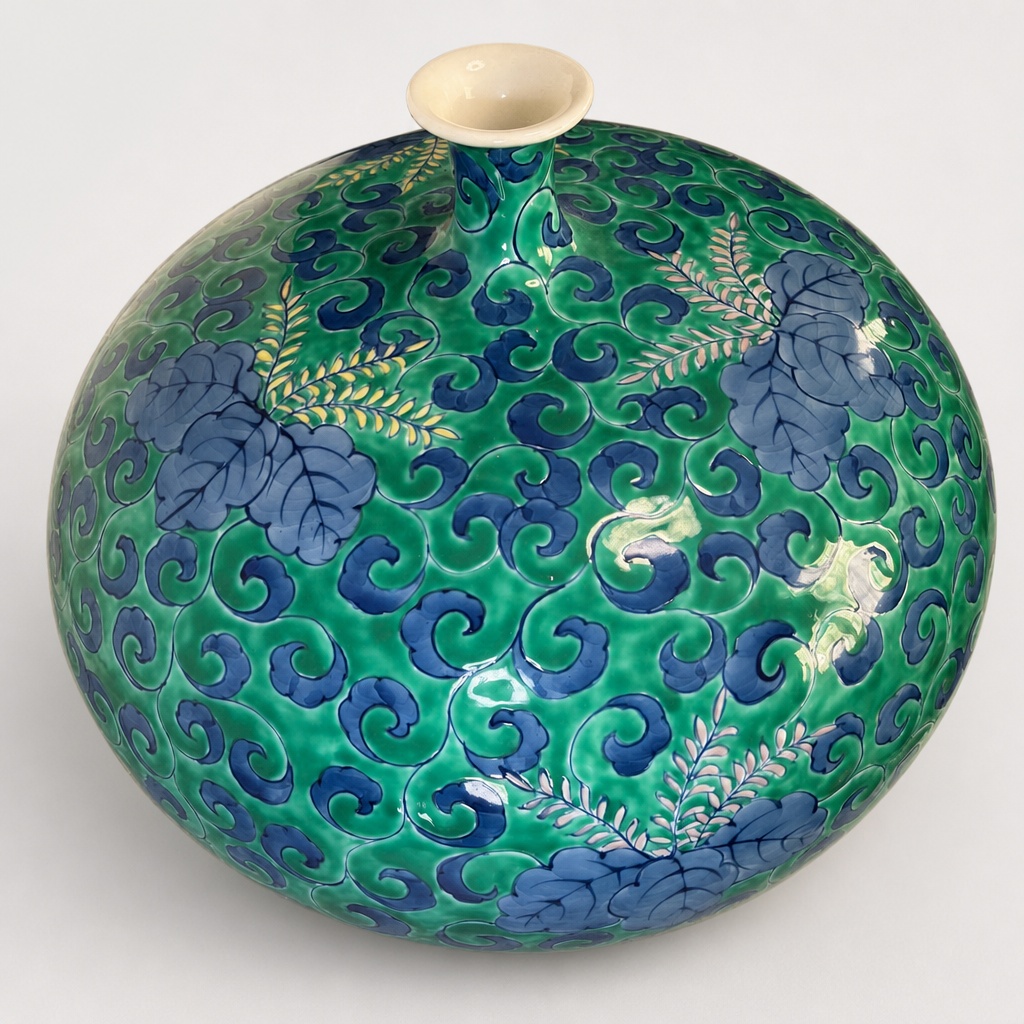
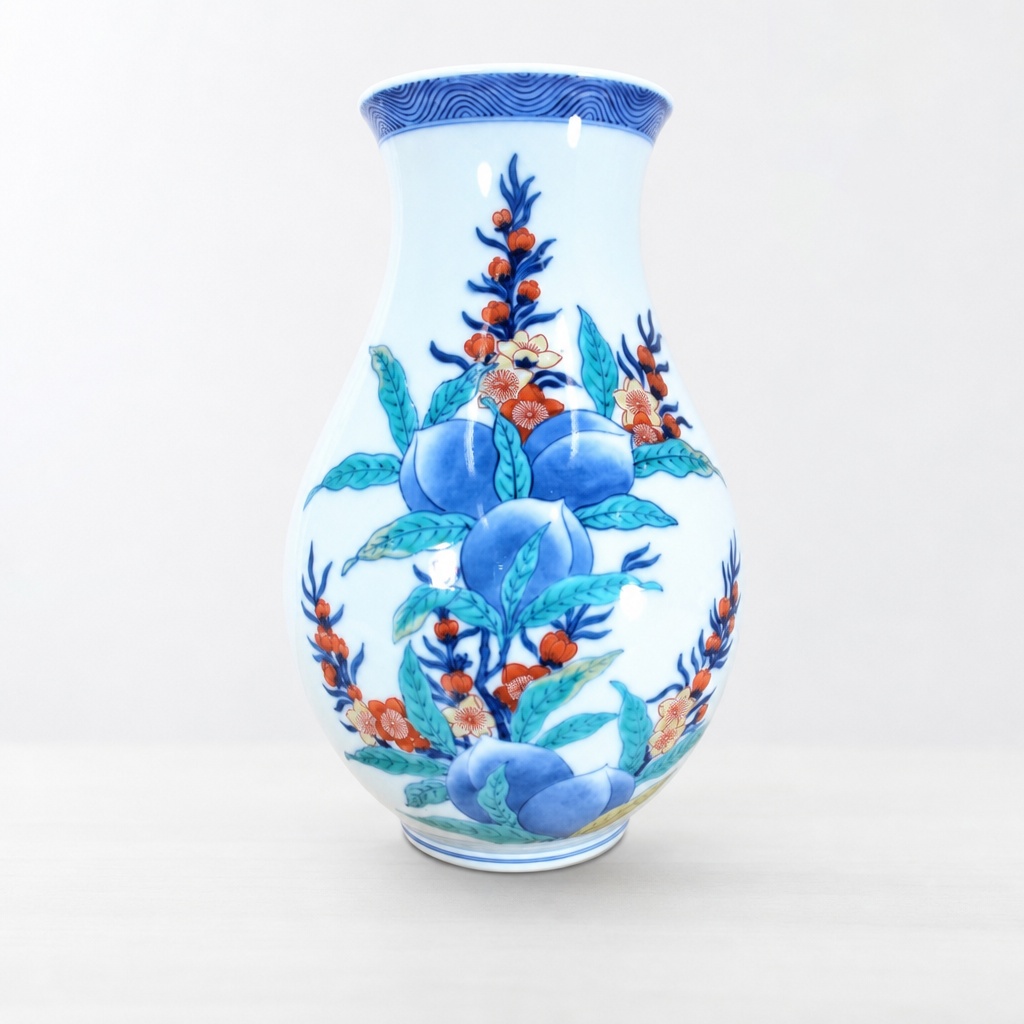
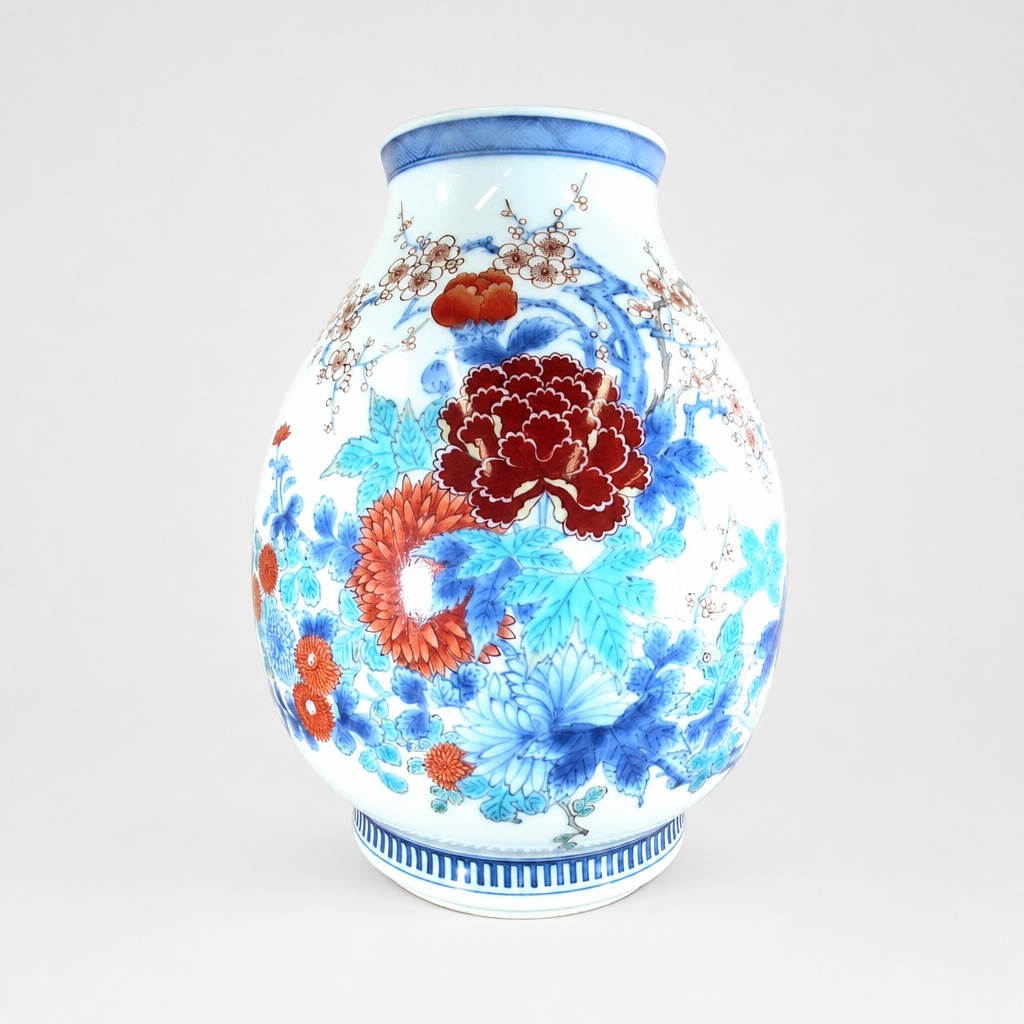
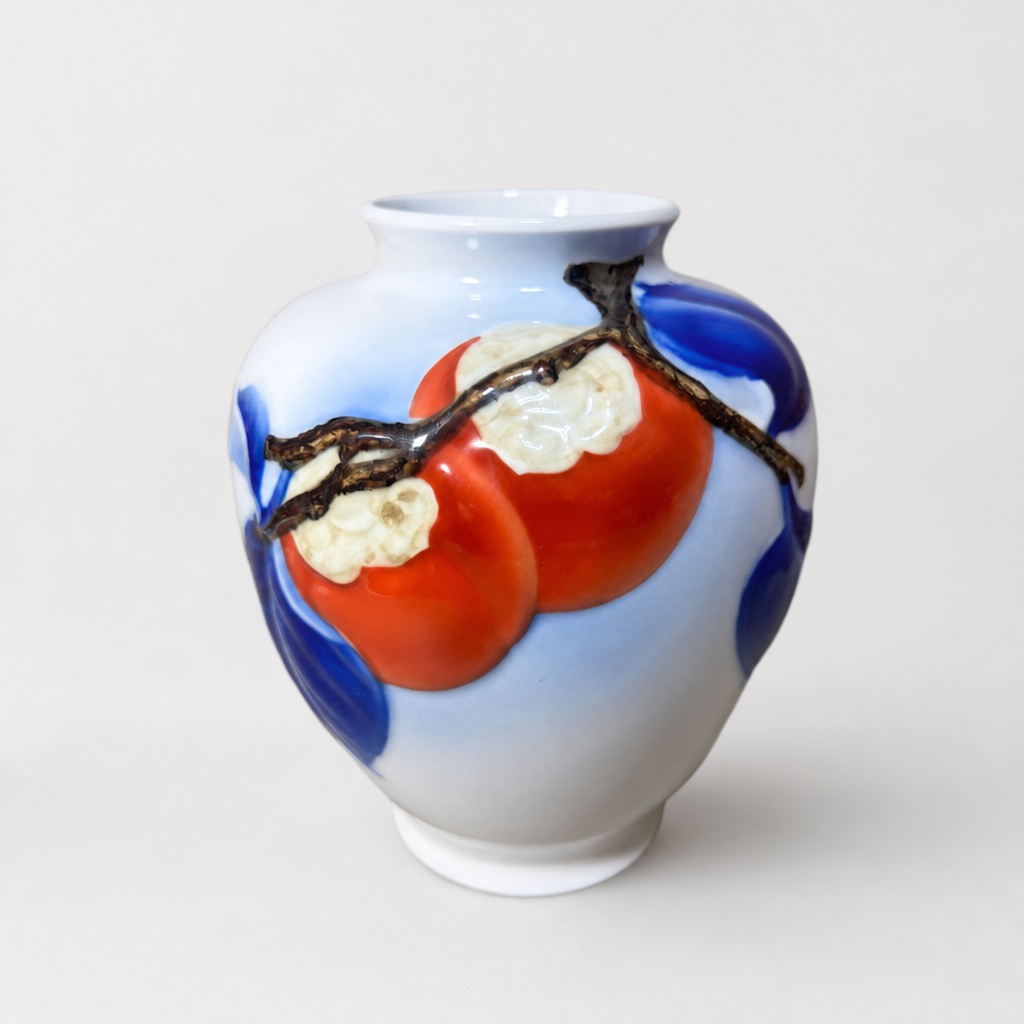
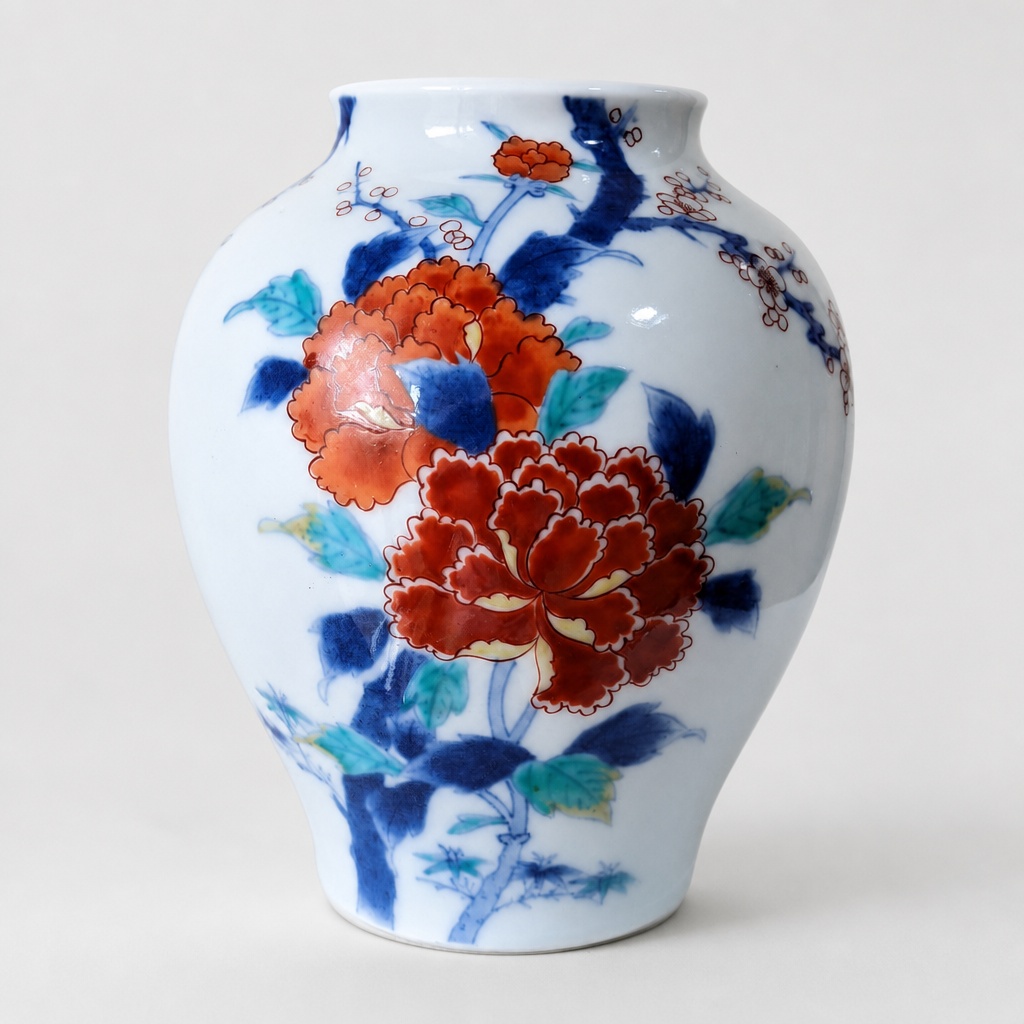
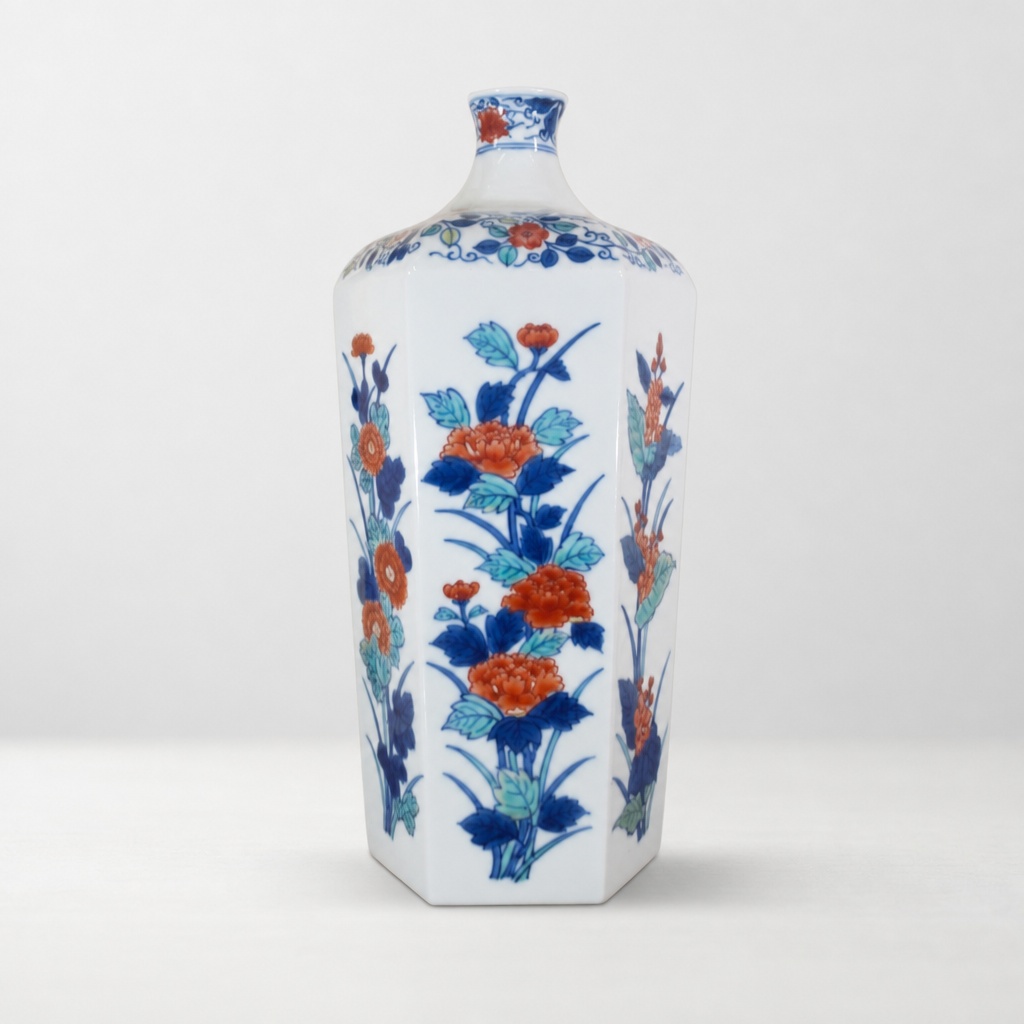
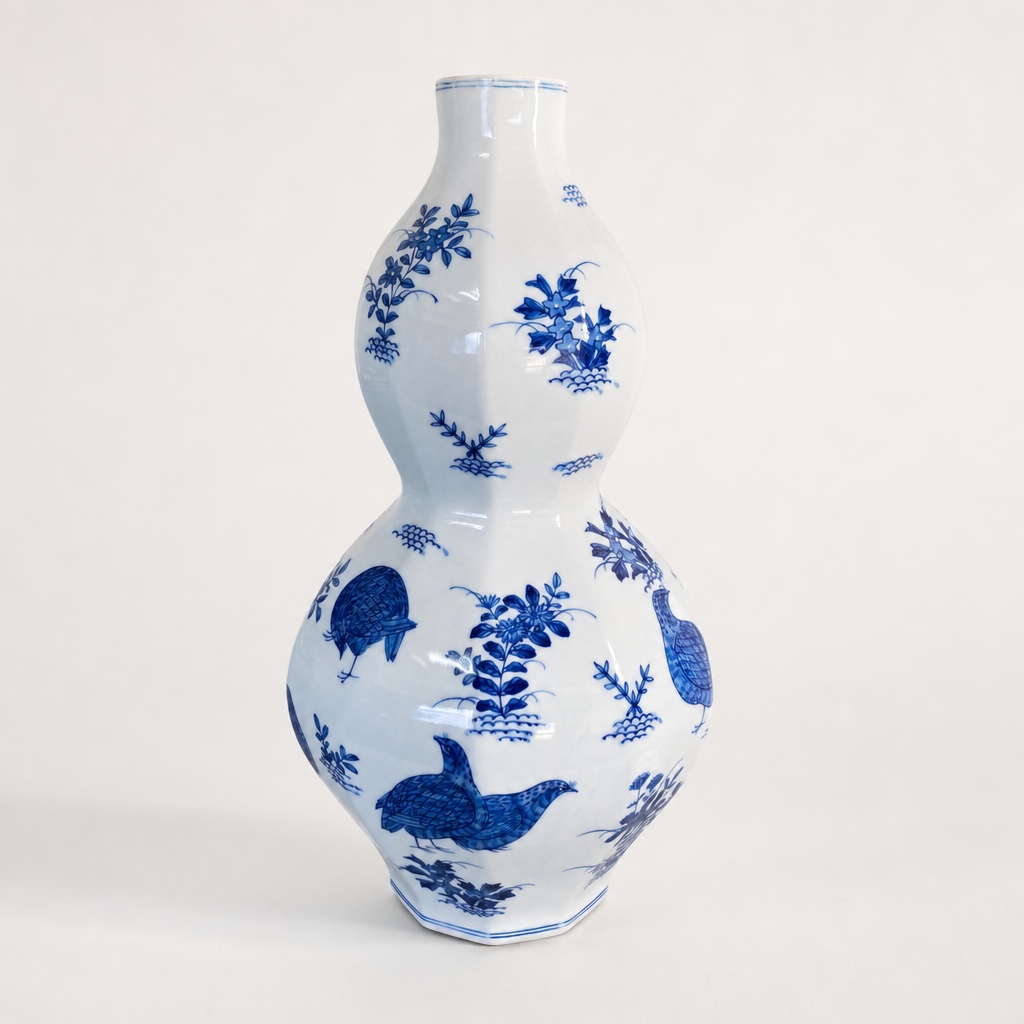
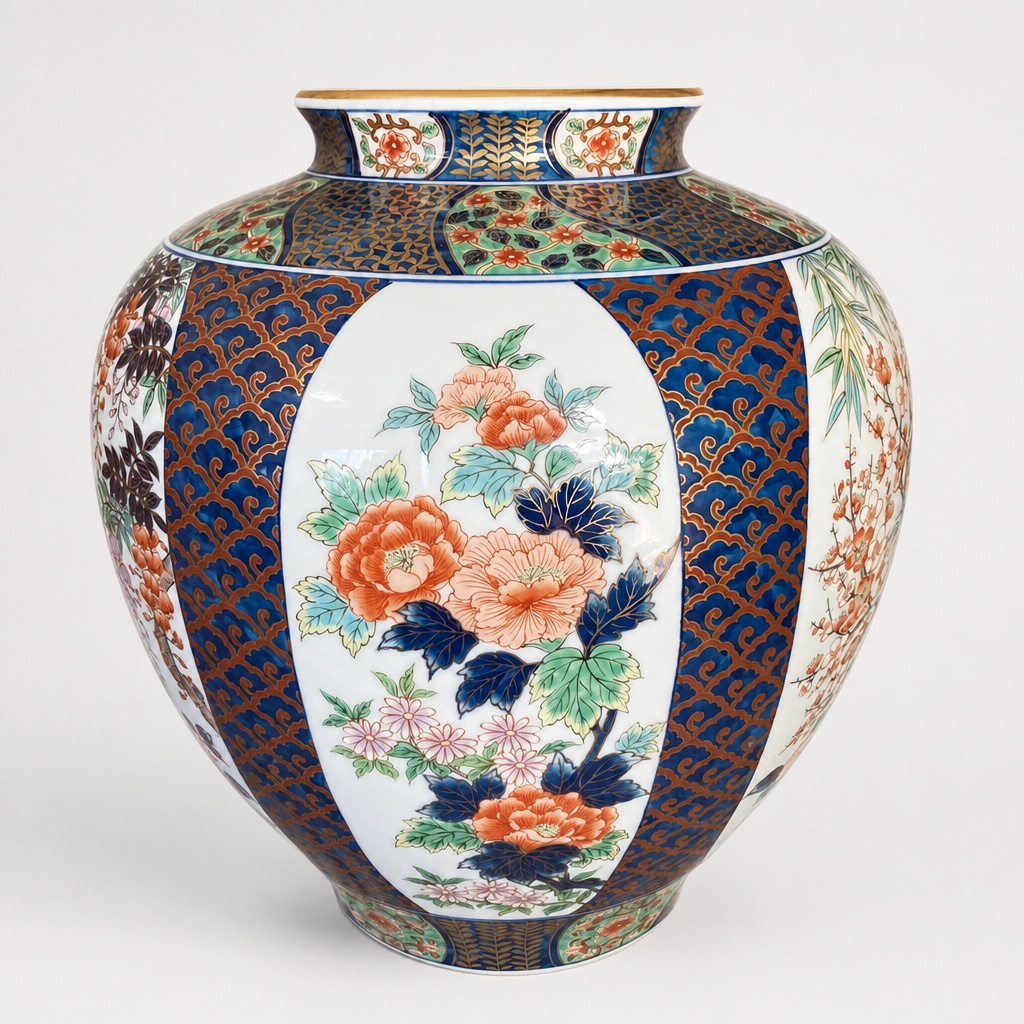
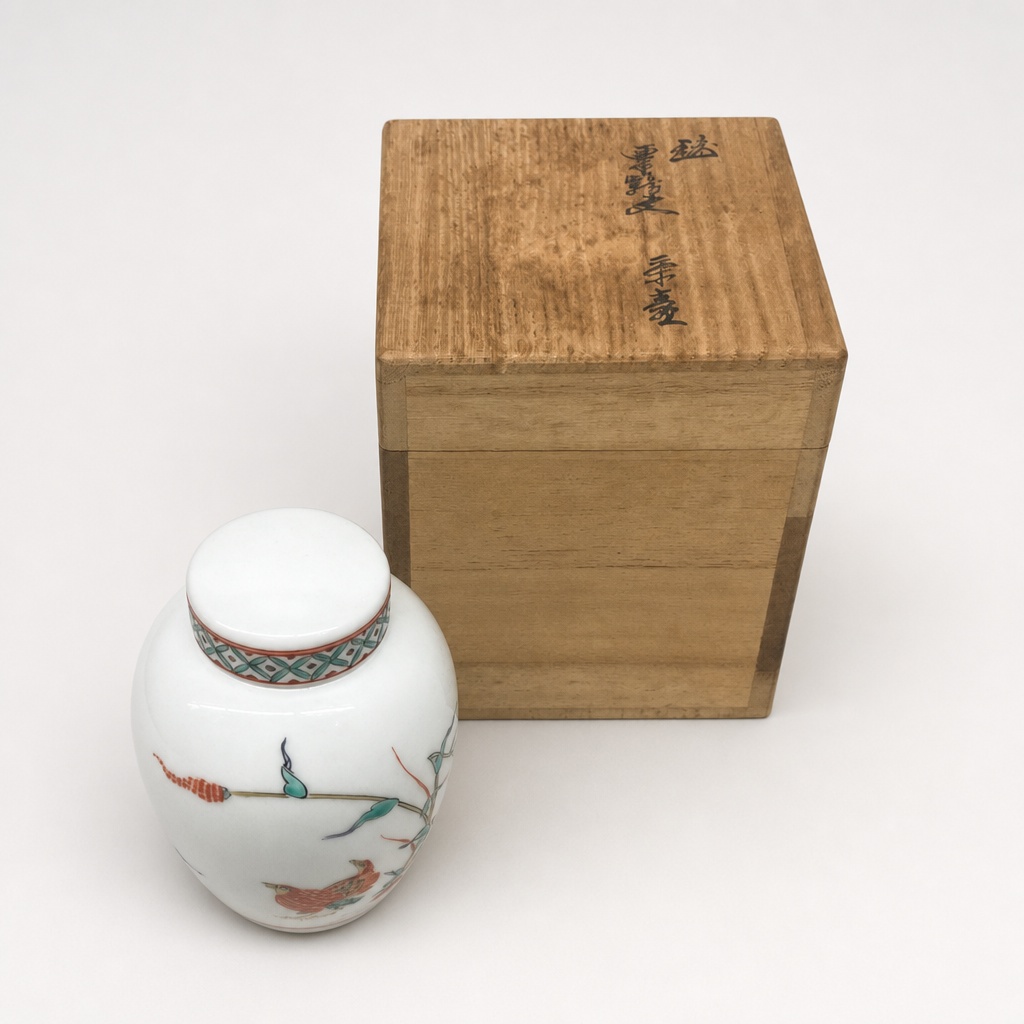
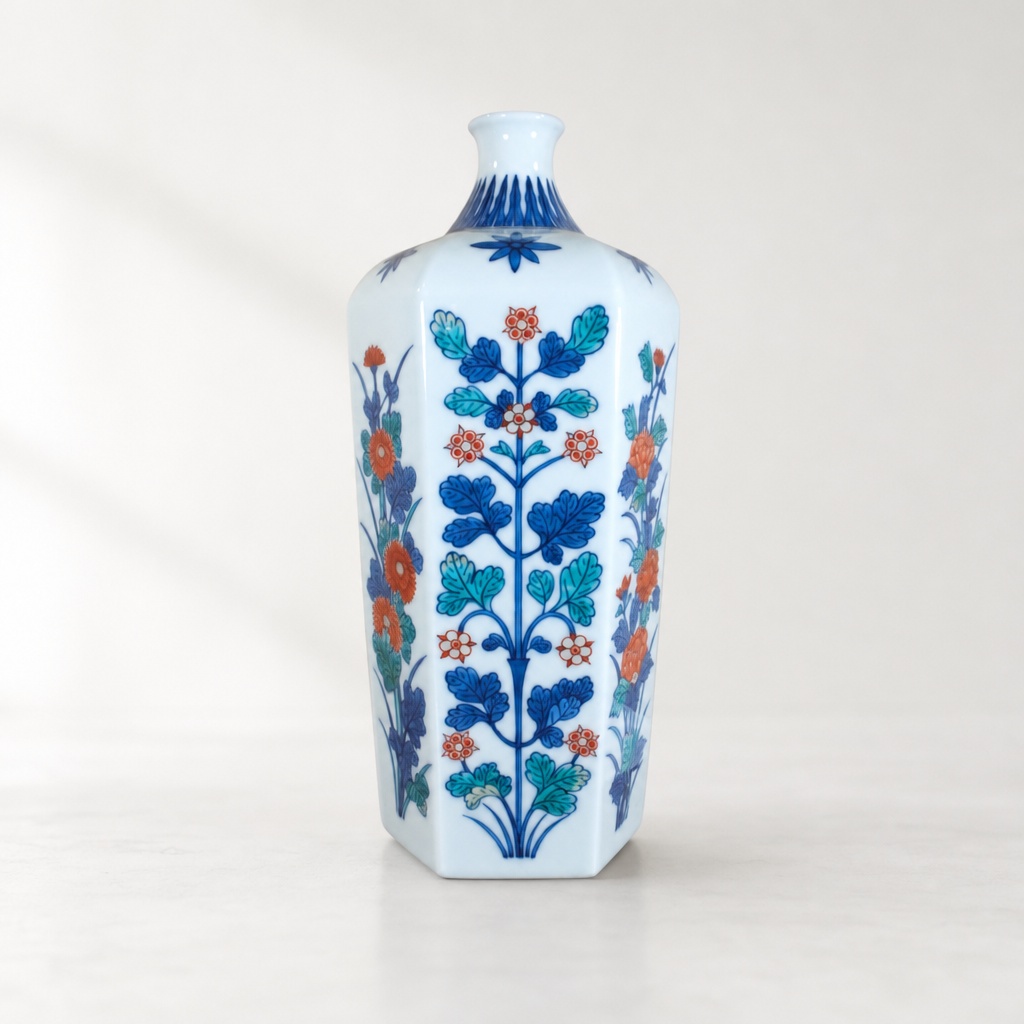
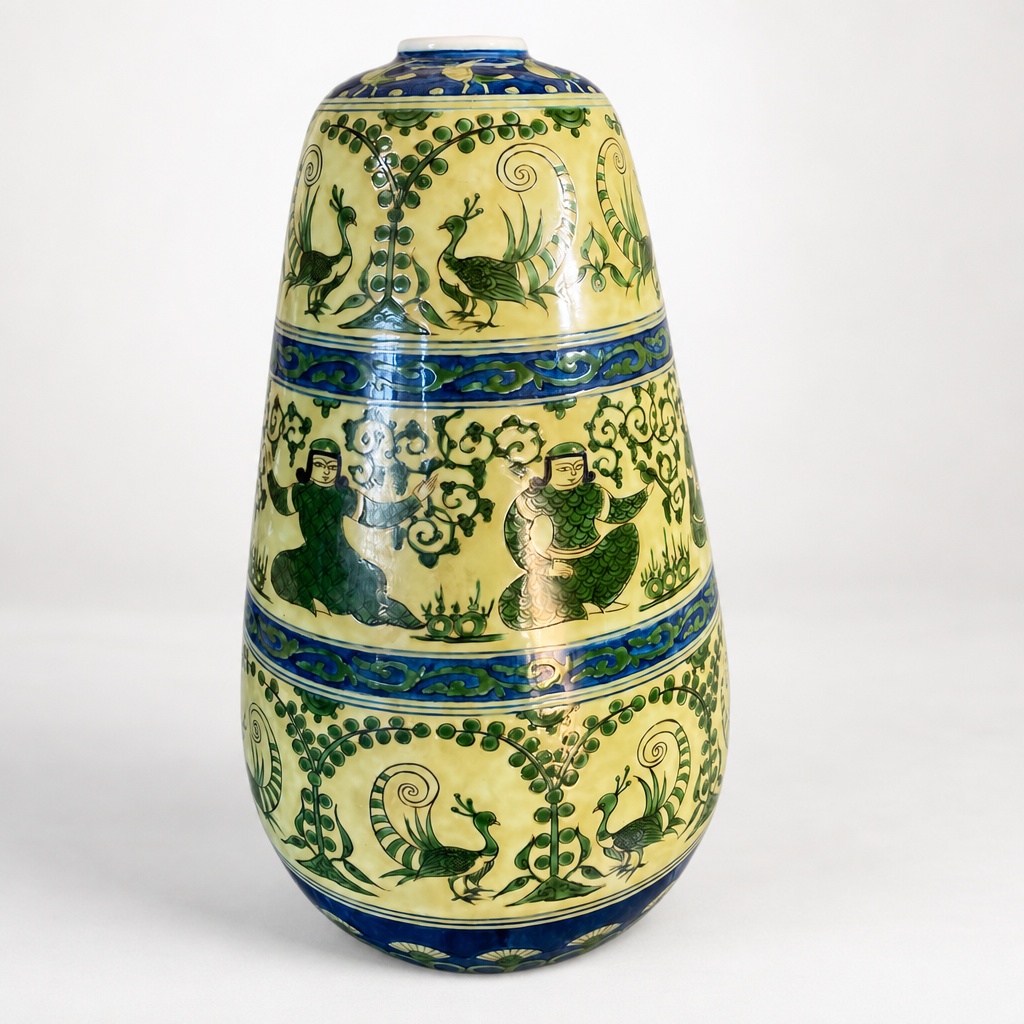
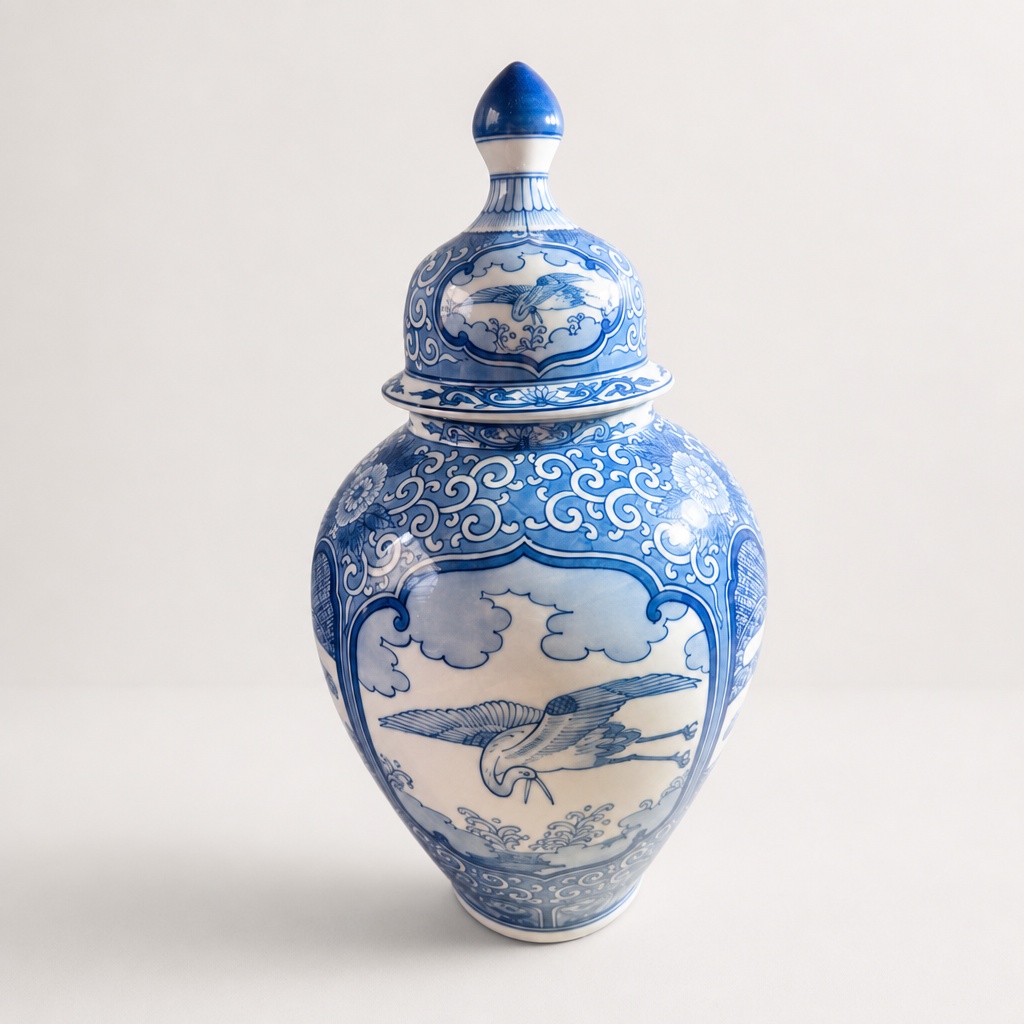
Porcelain production in Japan is traditionally dated to 1616, when the Korean potter Yi Sam-pyeong (known in Japan as Ri Sampei) is said to have found porcelain stone at Izumiyama in Arita. Kilns multiplied in the surrounding hills of the Hizen region, and because the wares were shipped from the port of Imari, buyers came to call them Imari. From the mid-seventeenth century the Dutch East India Company carried Arita porcelain to Europe, where it was collected by royal and aristocratic households. Several distinct styles developed, including Kakiemon, with its sparse enamel designs on a milky white ground, and the richly coloured Ko-Imari palette of underglaze blue, iron red and gold. Nabeshima ware, made for the Saga domain at Okawachiyama in Imari, was reserved for official gifts. Arita continues as an active porcelain town today.
土と焼成
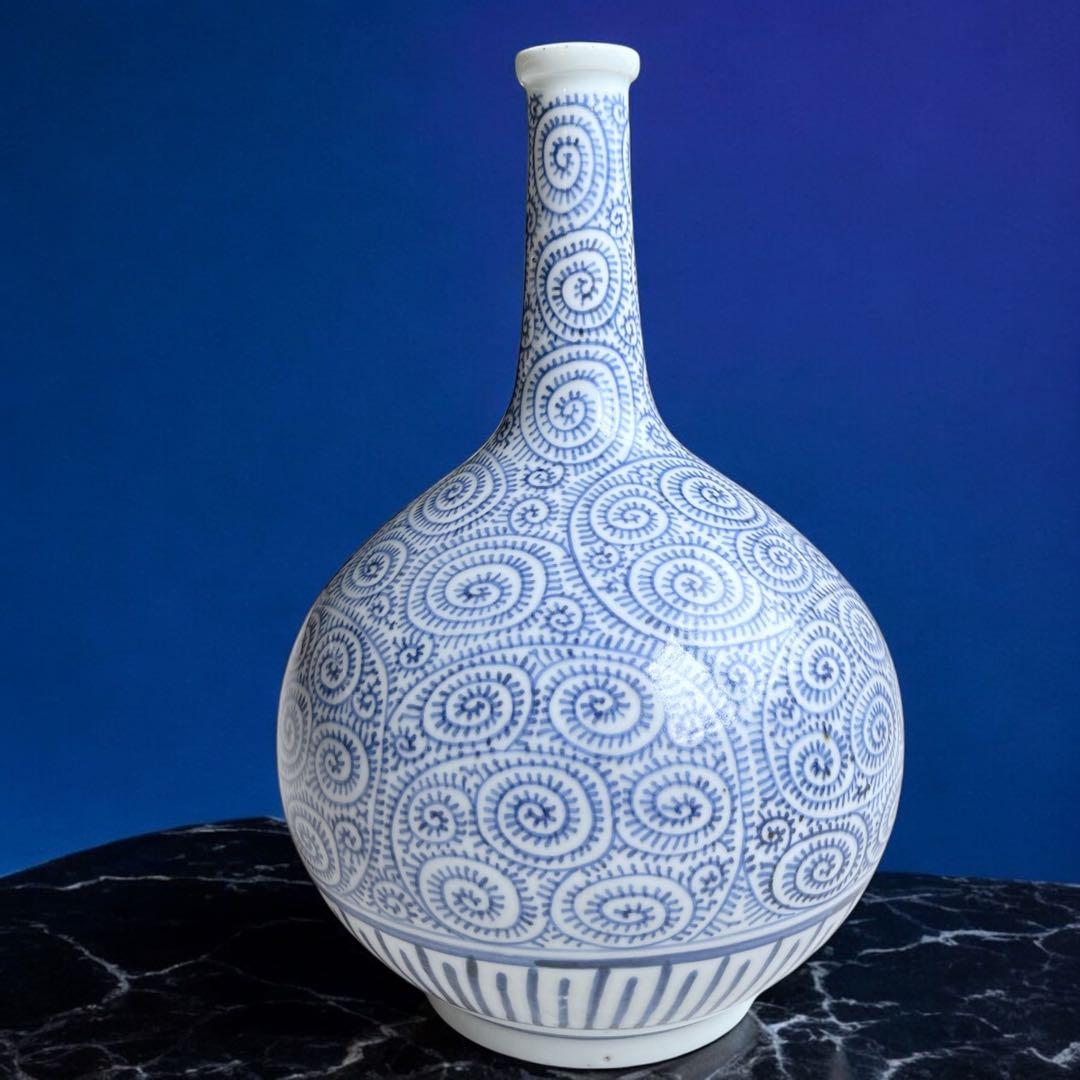
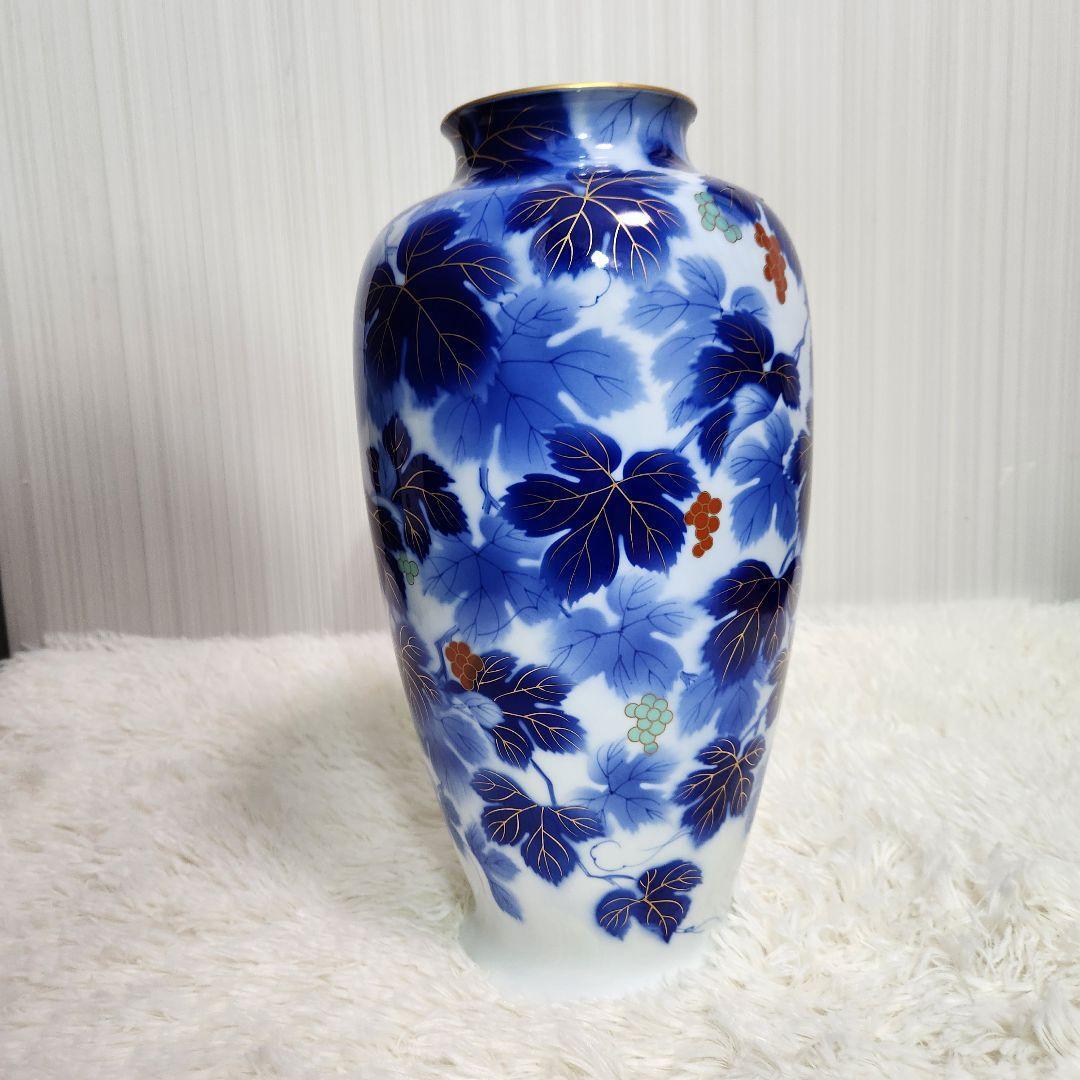
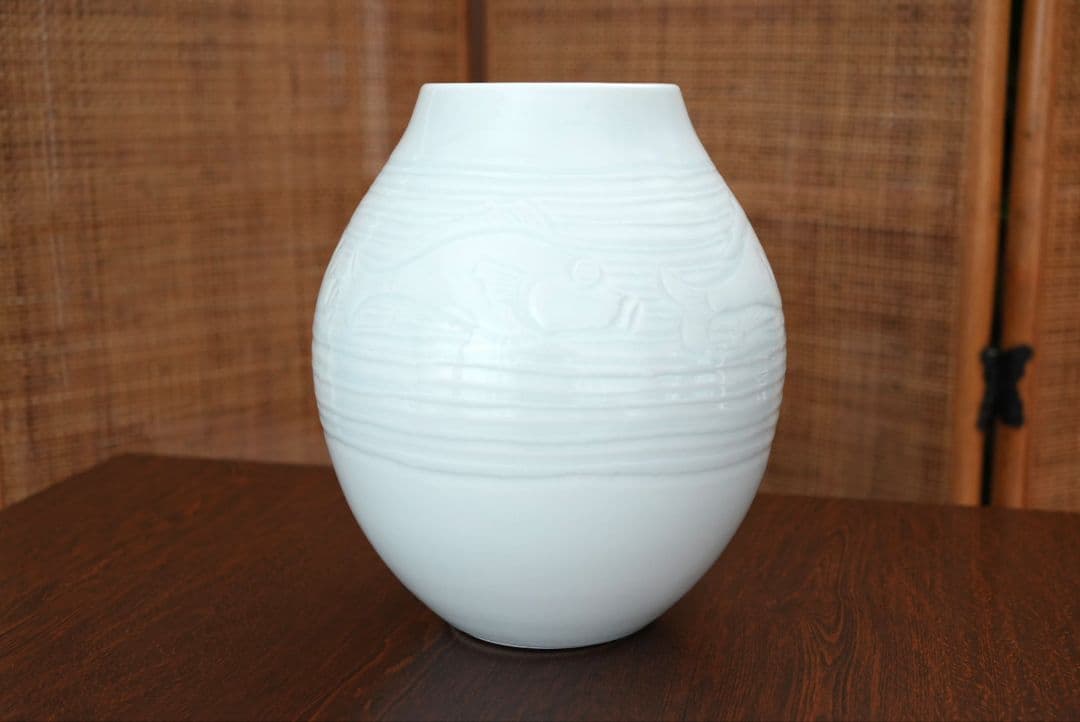
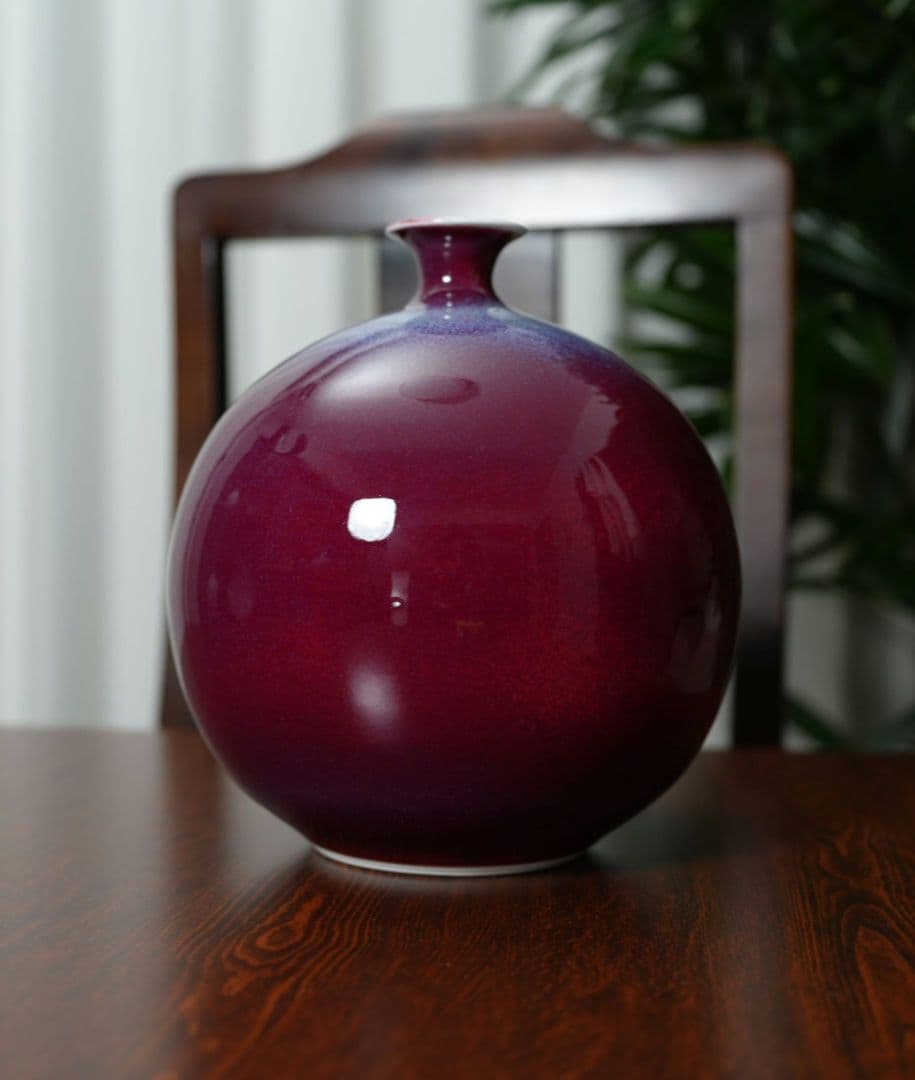
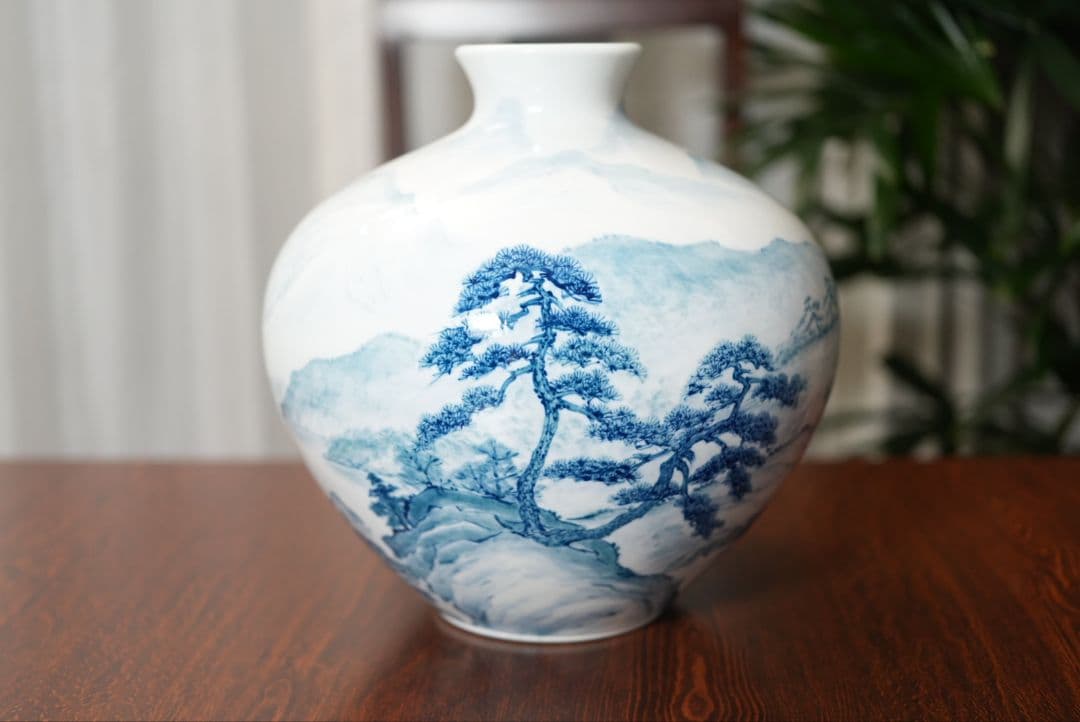
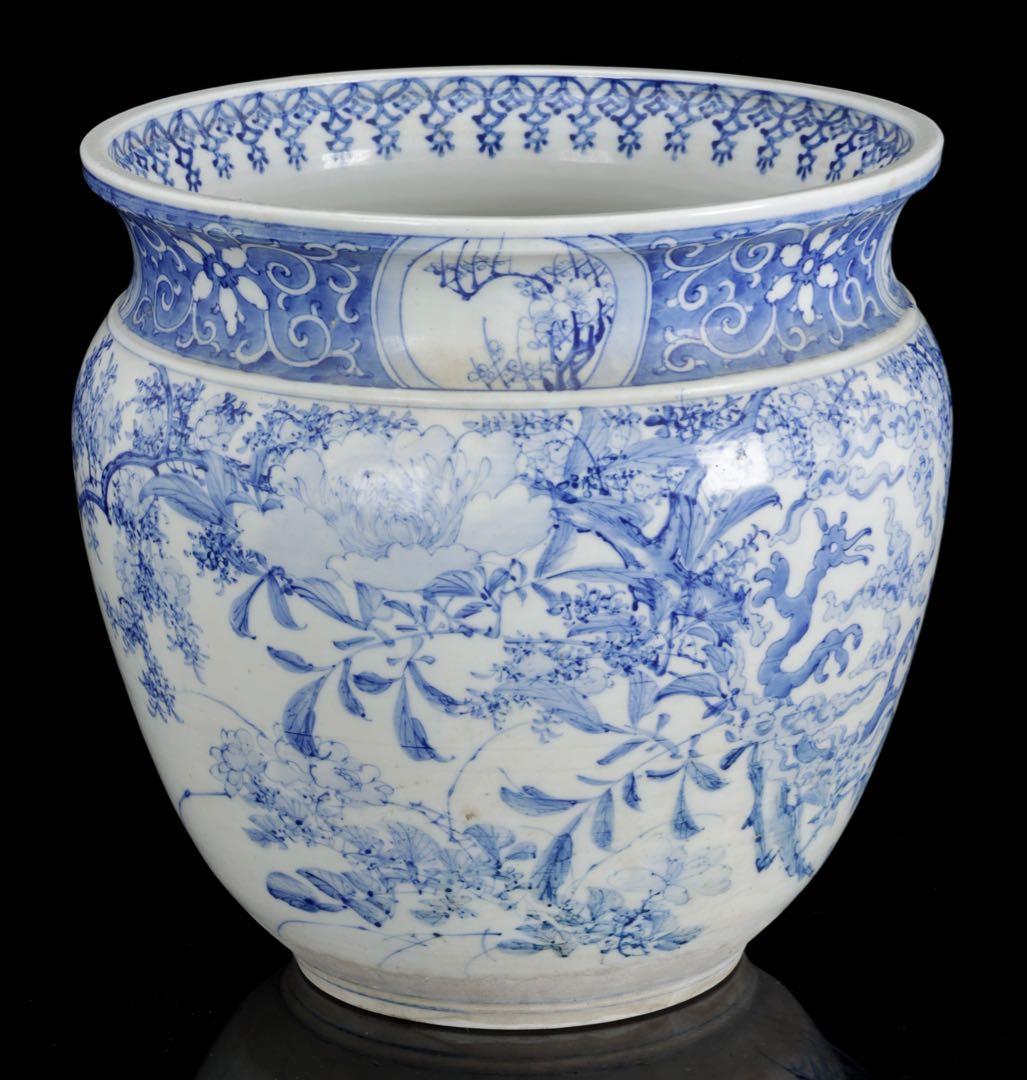
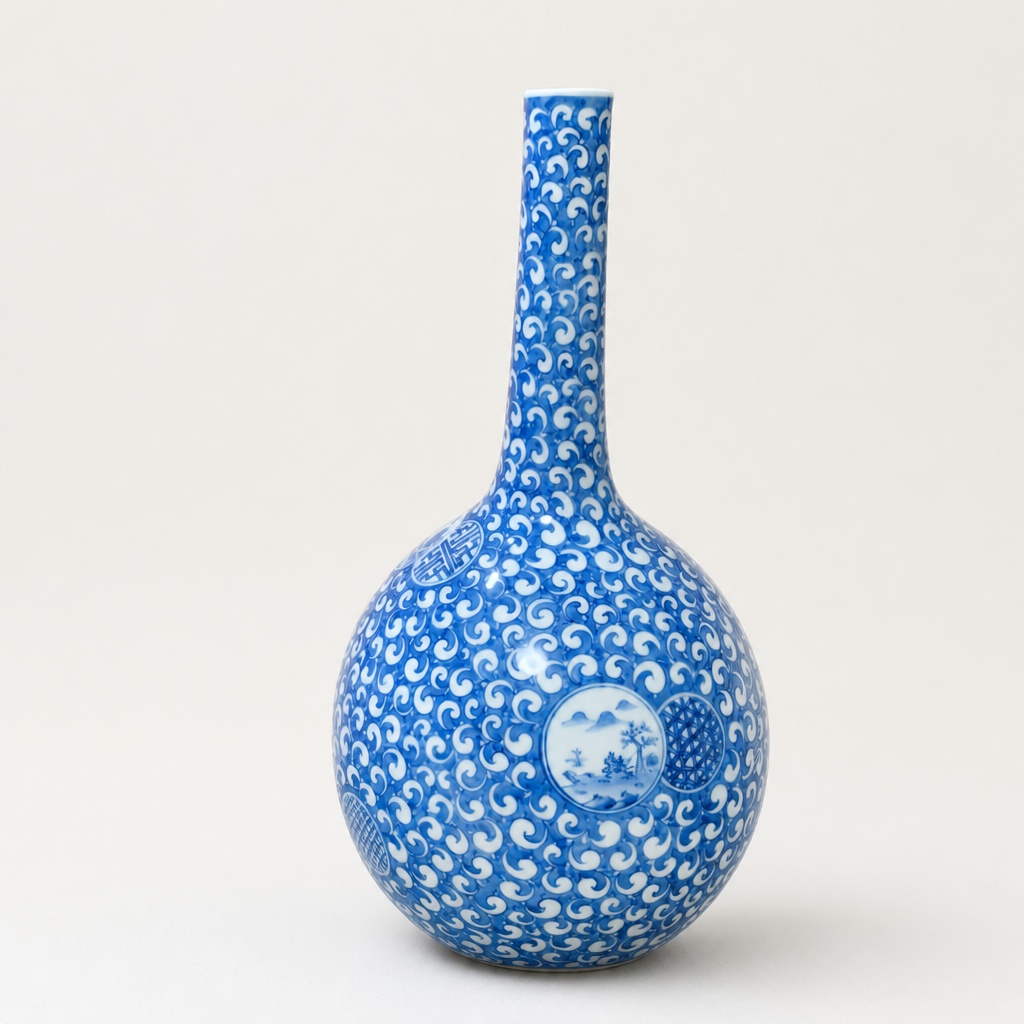
Porcelain made from crushed porcelain stone (Izumiyama stone historically; Amakusa stone later), decorated in underglaze cobalt blue and overglaze enamels, and high-fired in a reducing atmosphere.
有田焼・伊万里焼の見分け方
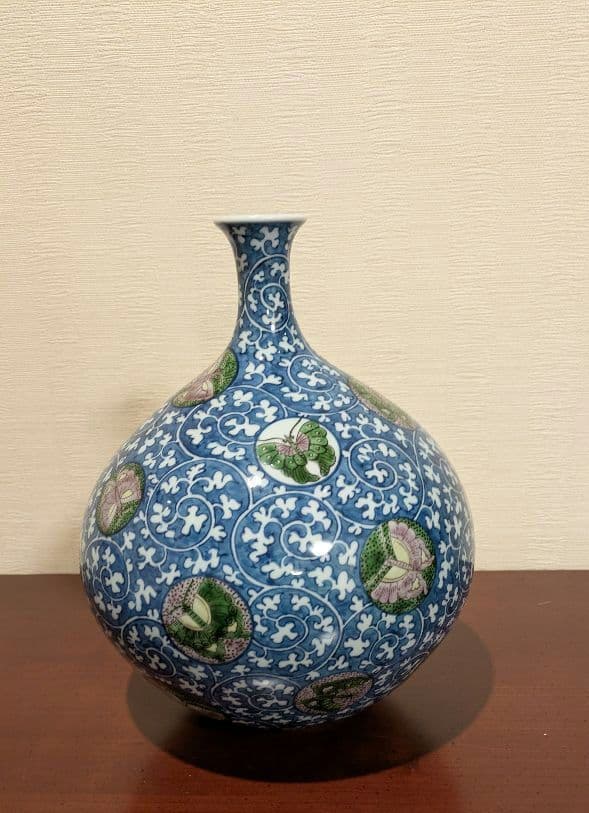
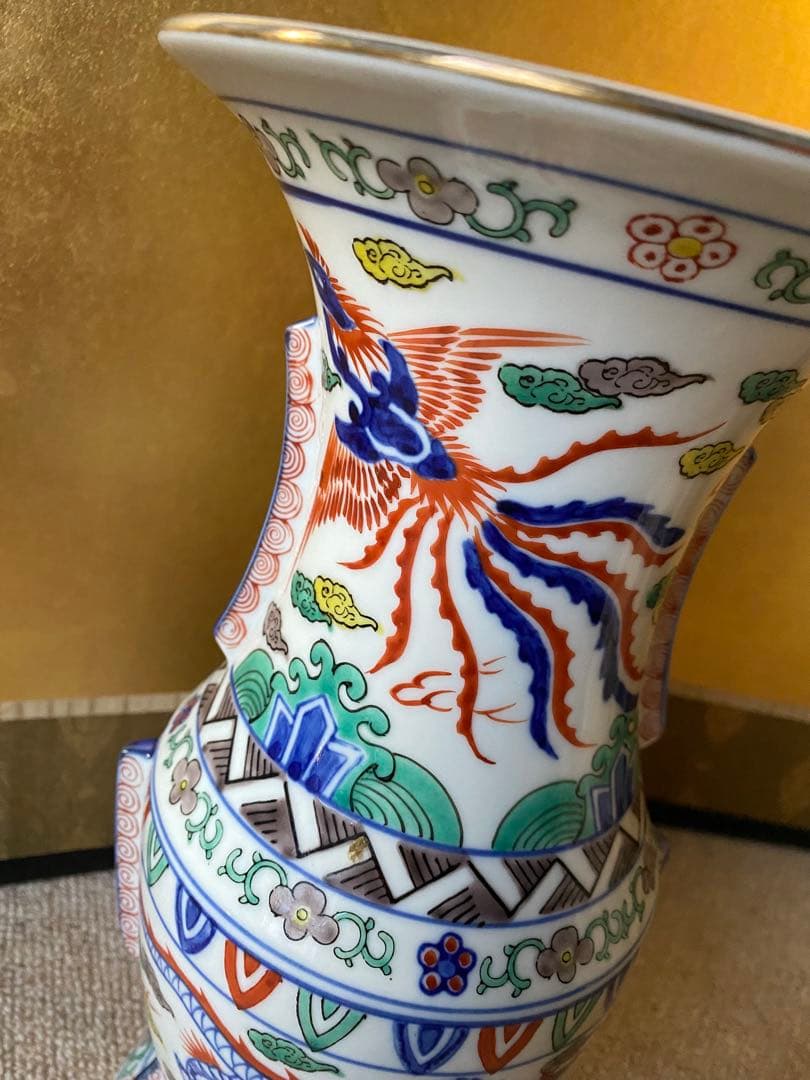
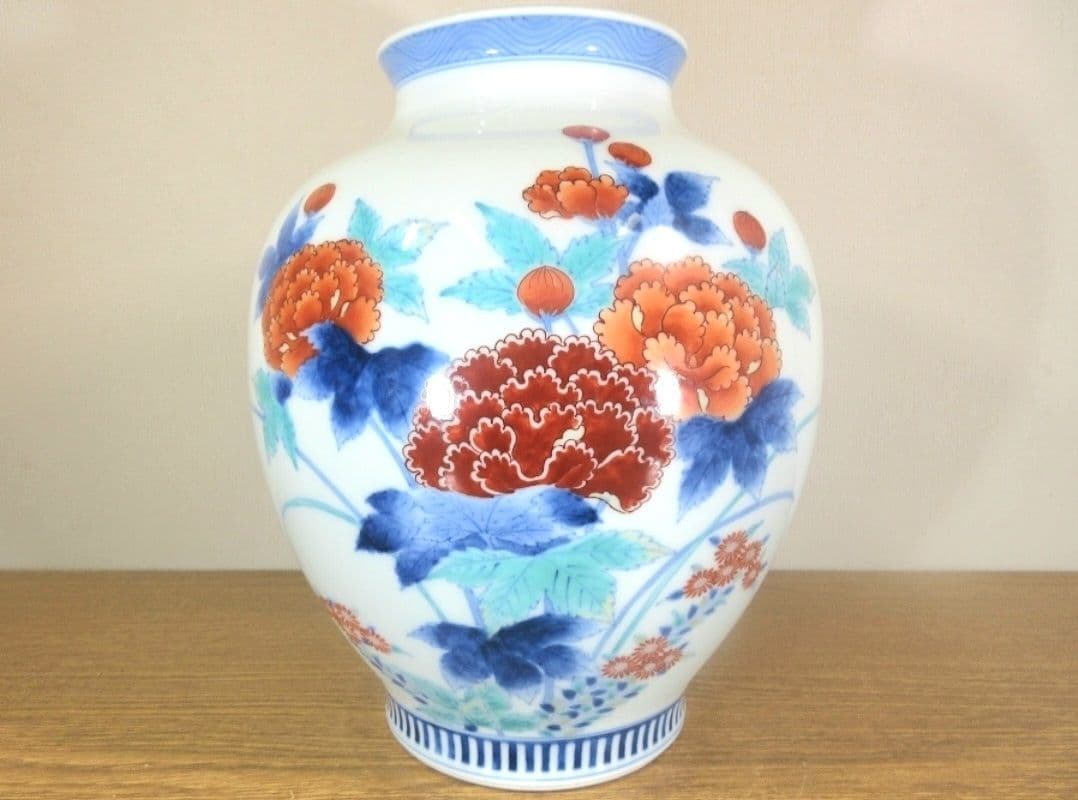
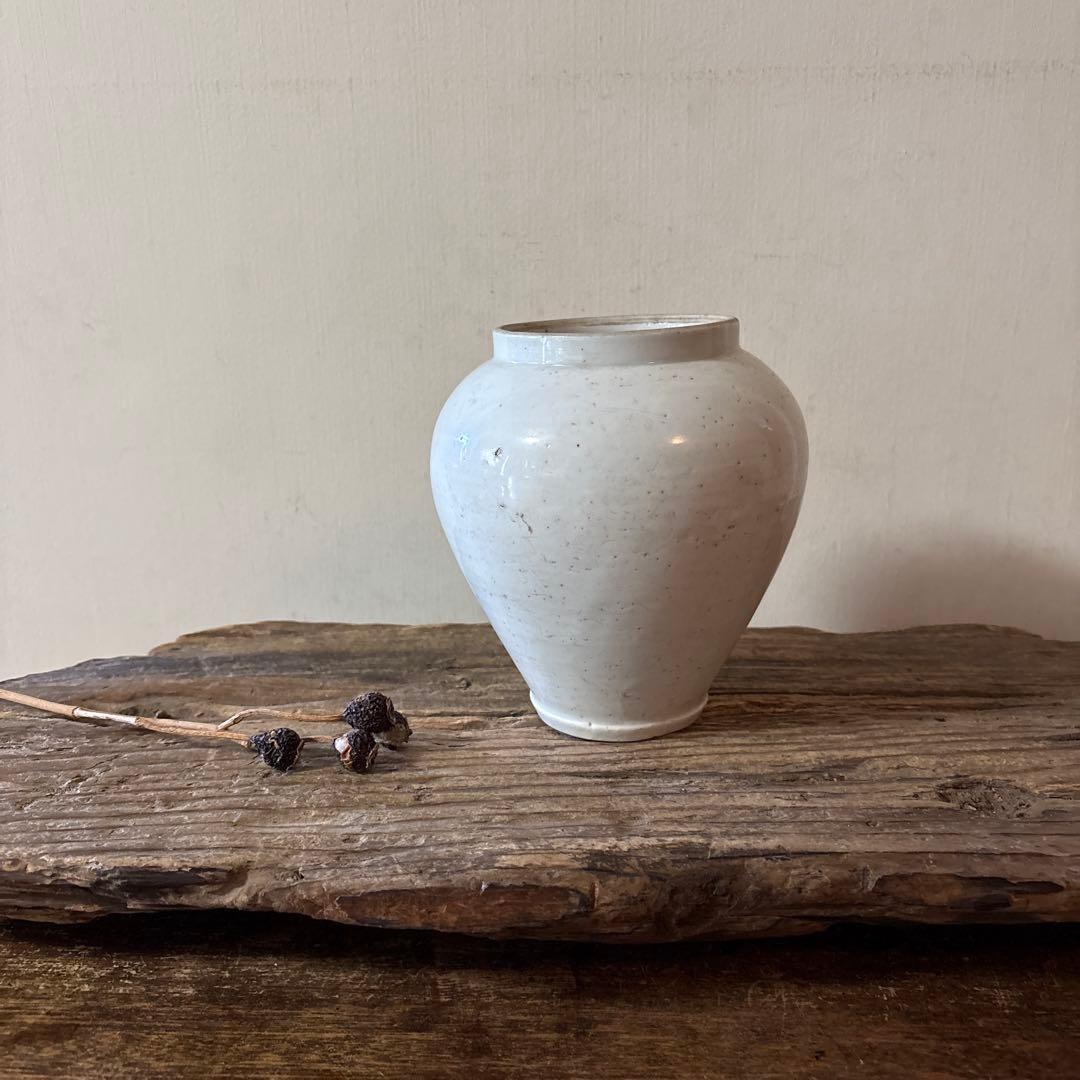
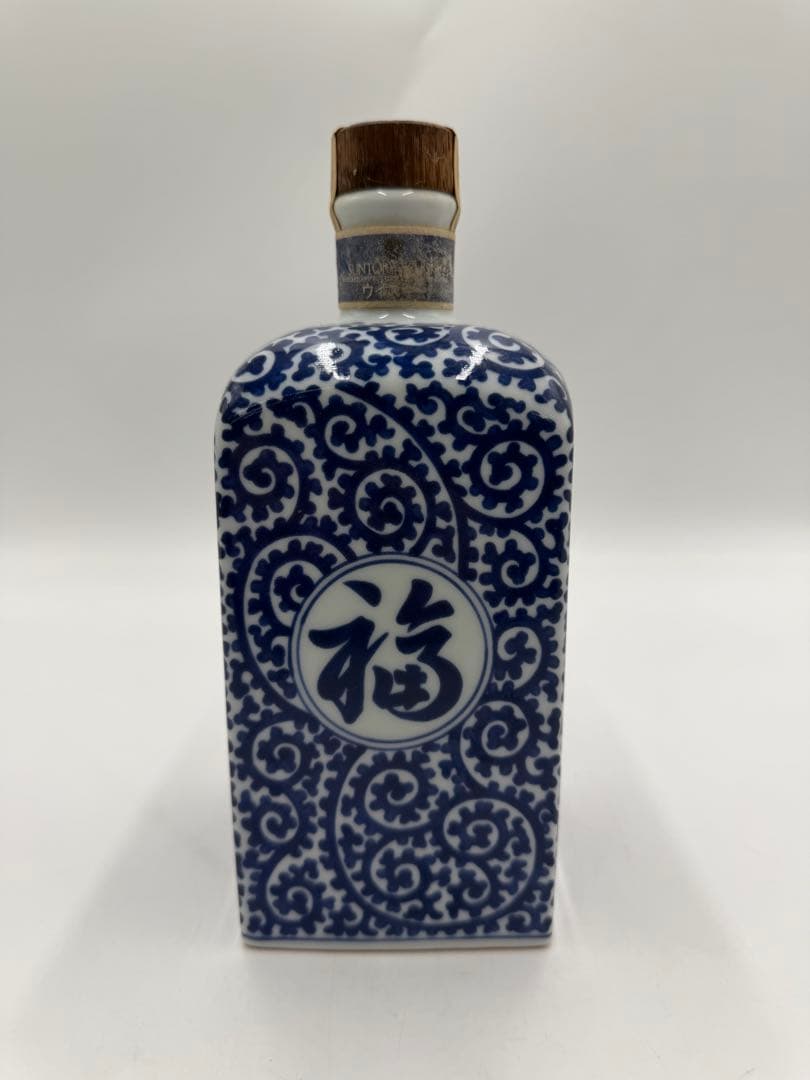
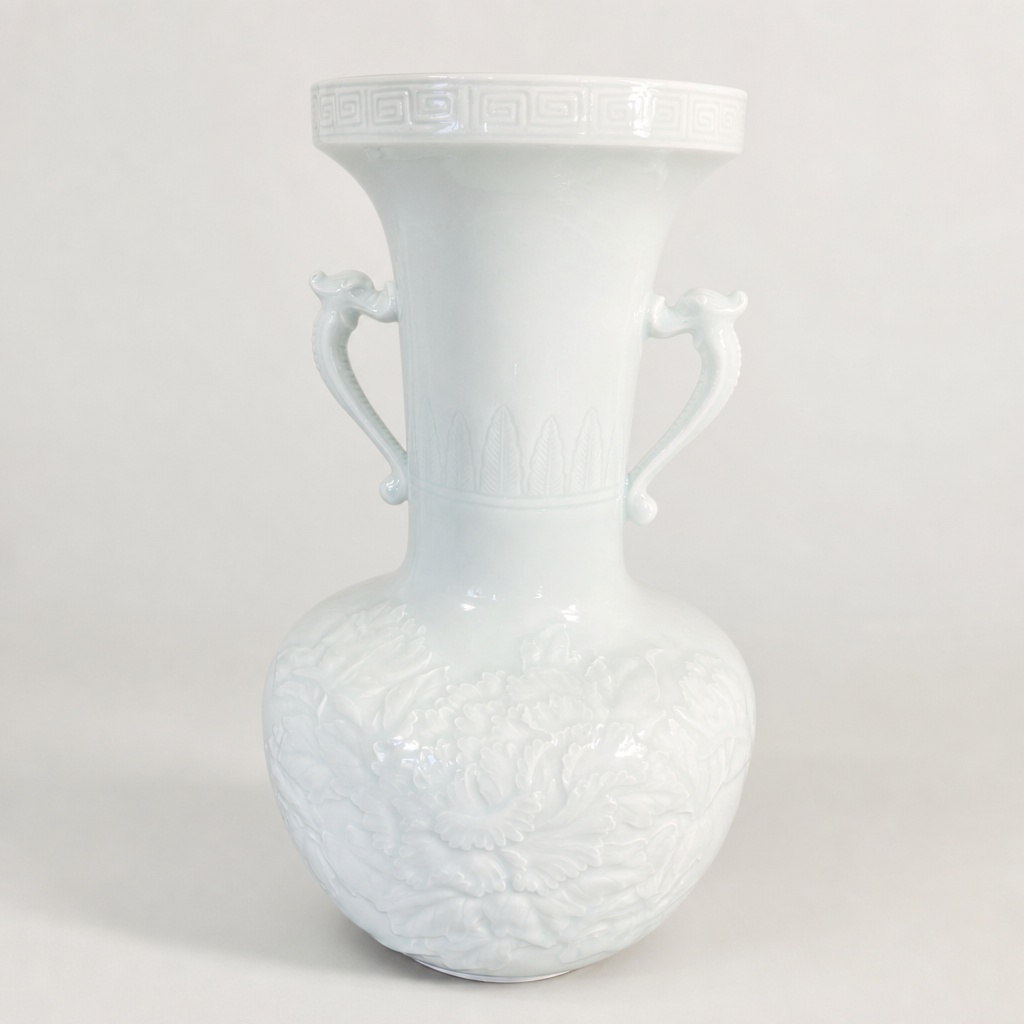
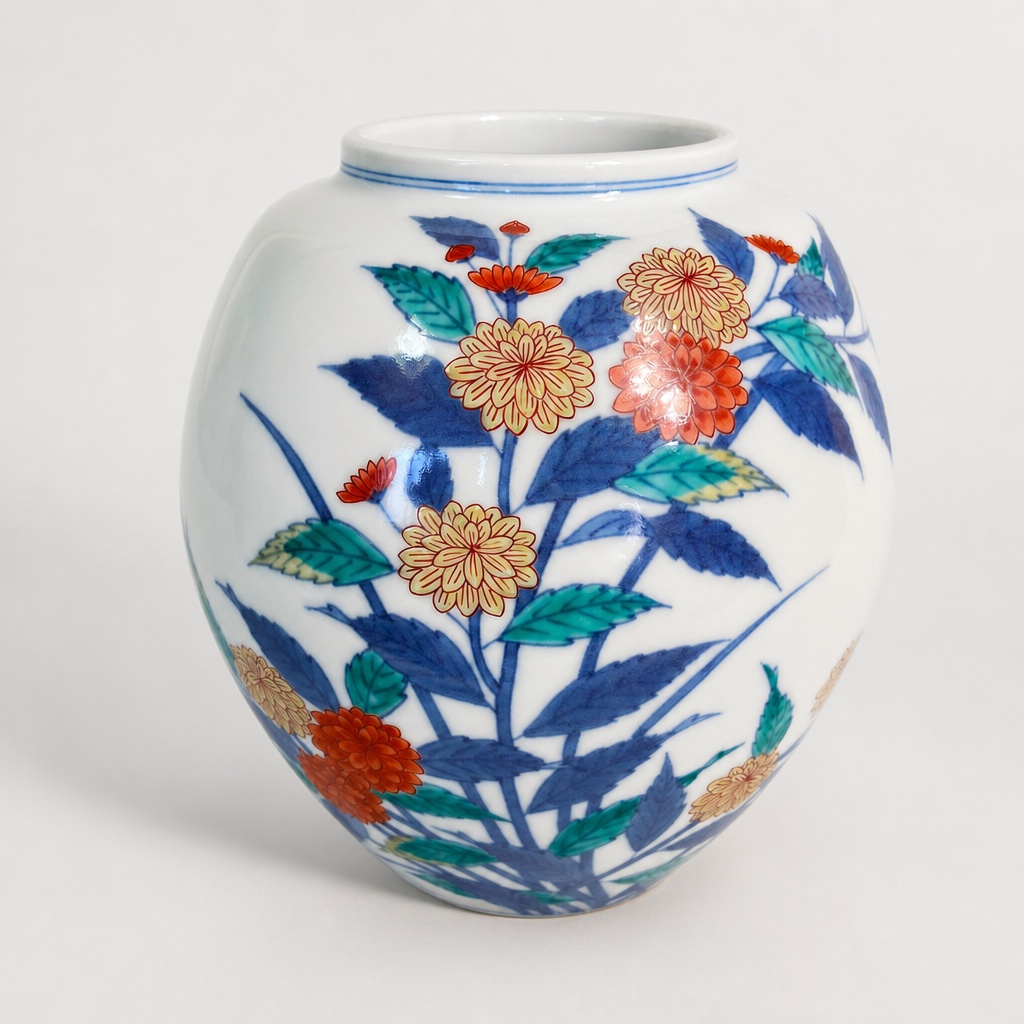
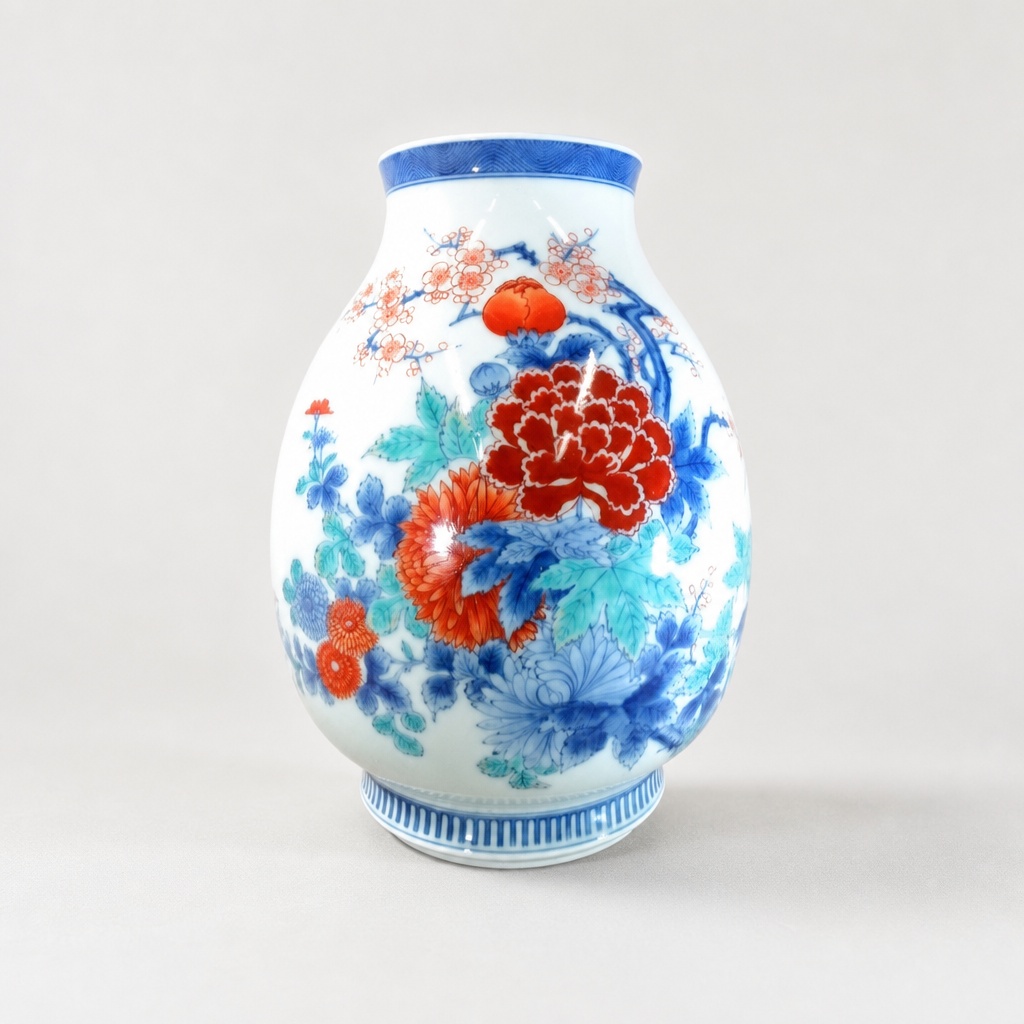
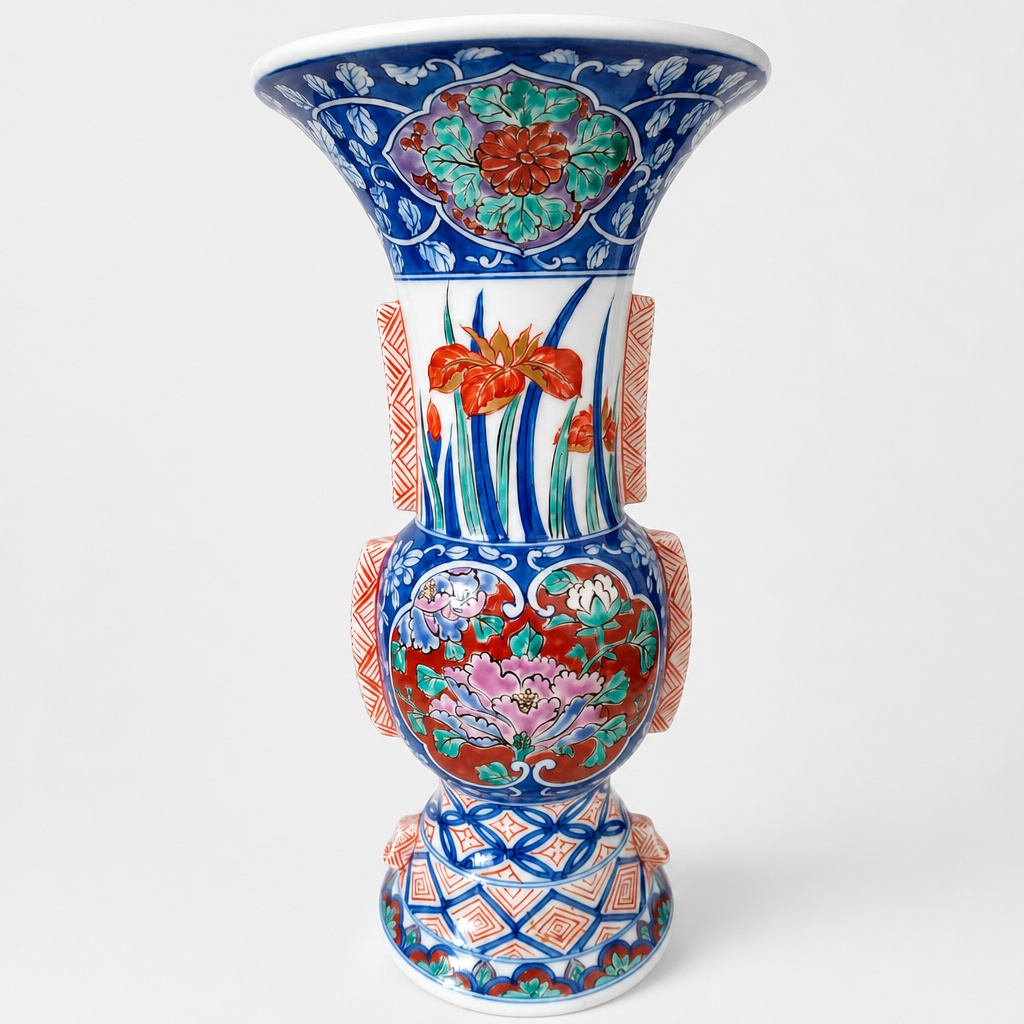
Hard, translucent white porcelain body visible at the unglazed foot ring; underglaze cobalt blue often combined with overglaze iron red, green and gilding (the 'Imari palette'); Kakiemon pieces show a soft milky-white ground with asymmetric enamel motifs and generous empty space.
- Traditional Craft designated by METI as Imari/Arita ware (1977)
- Japan Heritage: 'Hizen, Home of Japanese Porcelain' (2016)