常滑焼
Tokoname ware
Aichi · Late Heian period (early 12th c.)
Stoneware from the Chita Peninsula, known for medieval storage jars and, since the nineteenth century, for red clay (shudei) teapots.
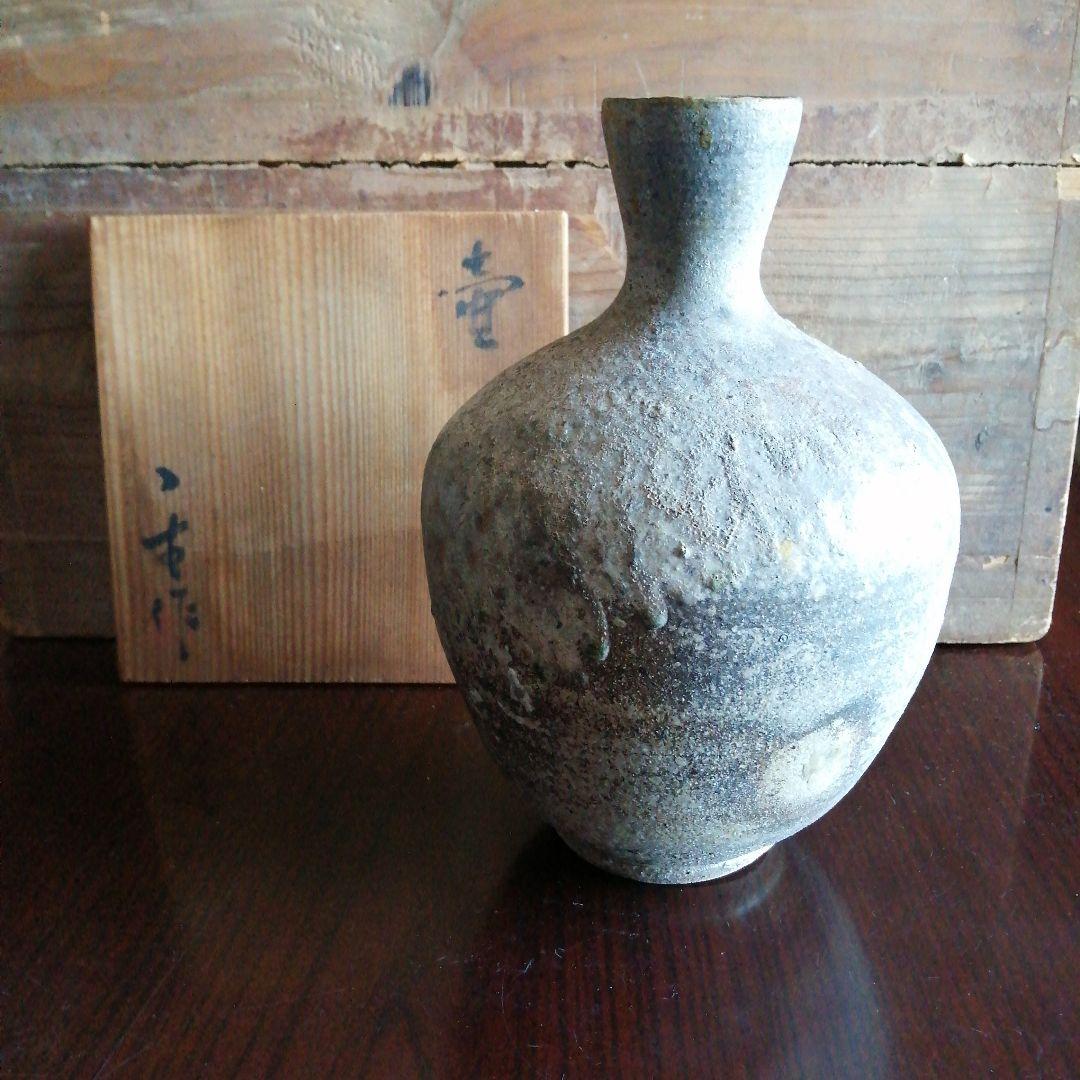
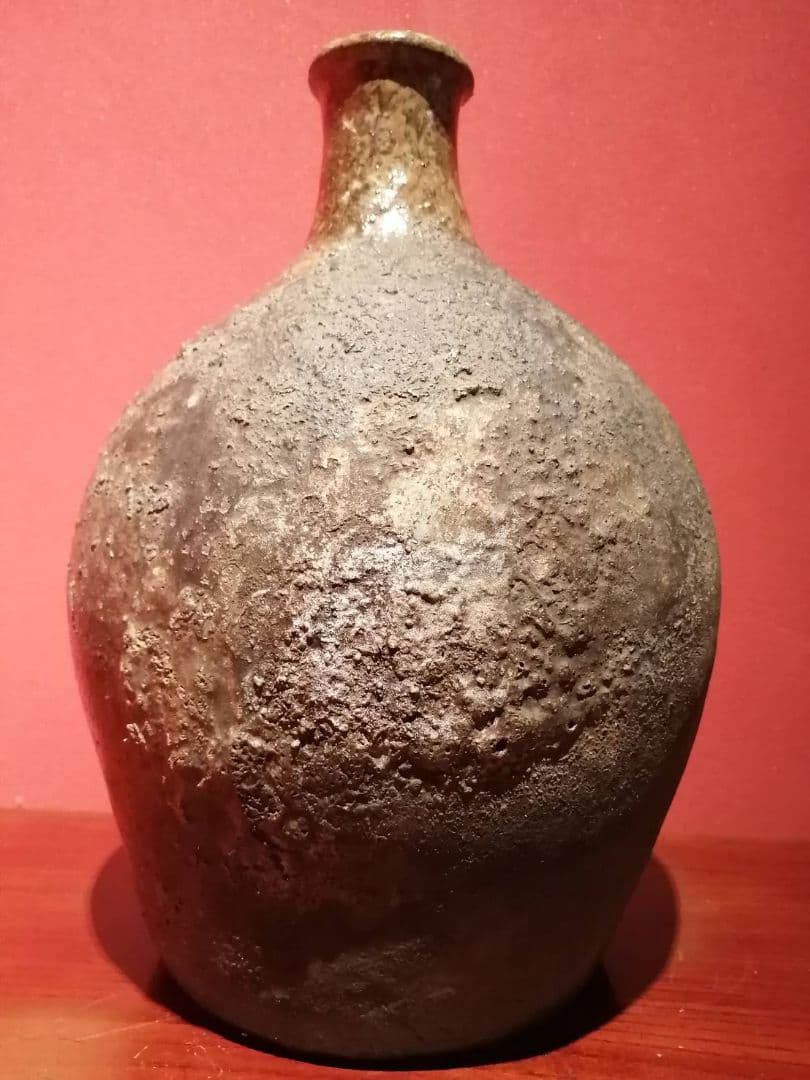
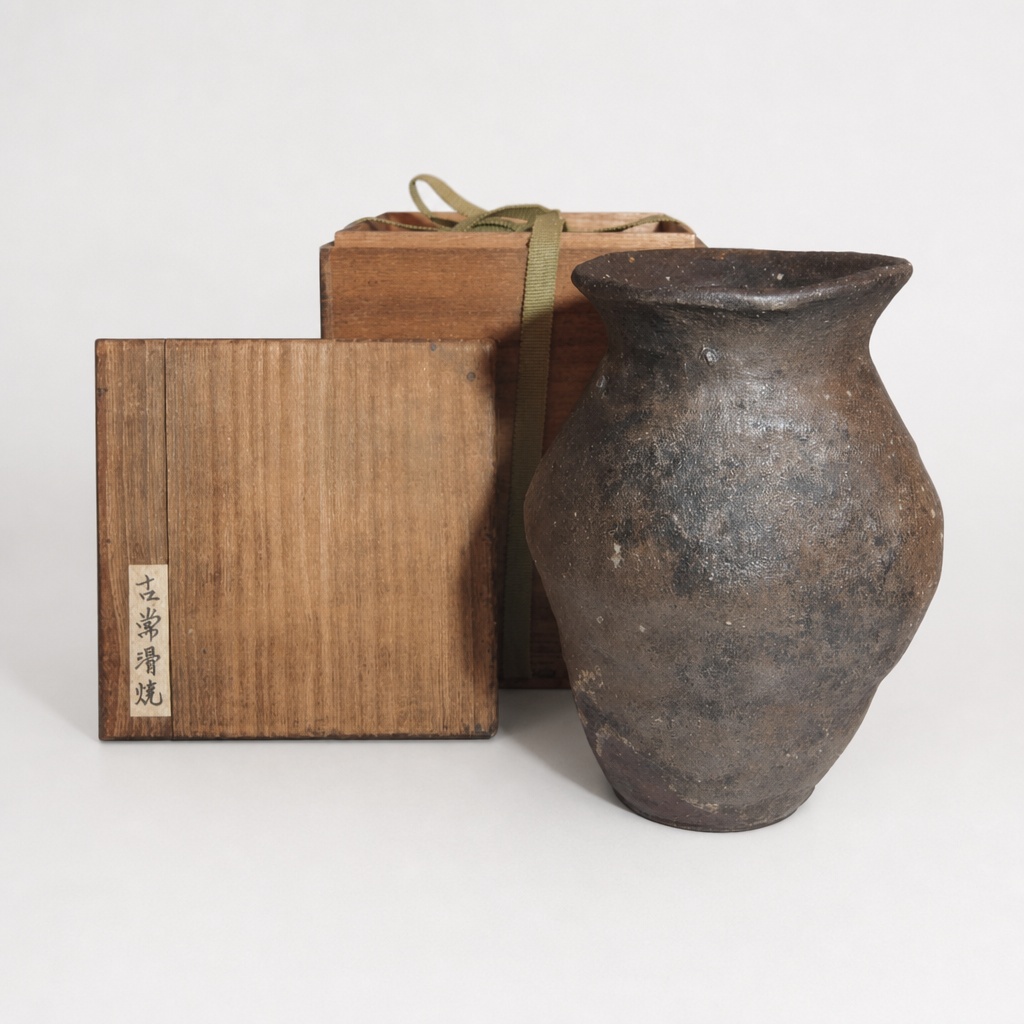
Tokoname ware developed on the Chita Peninsula south of Nagoya in the late Heian period, around the early twelfth century, as ash-glazed ware production spread south from the Sanage kilns. Medieval Tokoname kilns introduced large storage jars and vessels, which became their main products and were distributed widely across Japan. In the late Edo period potters began making teapots, and in 1854 Sugie Jumondō developed a red clay (shudei) similar to that of Chinese teapots. In 1878 Koie Hōju invited Jin Shiheng, a Chinese scholar associated with the Yixing tradition, to teach teapot-making techniques. From 1872 Tokoname also made earthenware pipes for modern drainage works, and in the 1890s–1900s it exported shudei wares with relief dragon decoration, mainly to North America. Tokoname is one of the Six Ancient Kilns.
土と焼成
High-fired stoneware; red, iron-rich shudei clay for teapots and export wares, which is usually left unglazed and burnished; medieval wares were wood-fired with natural ash glaze.
常滑焼の見分け方
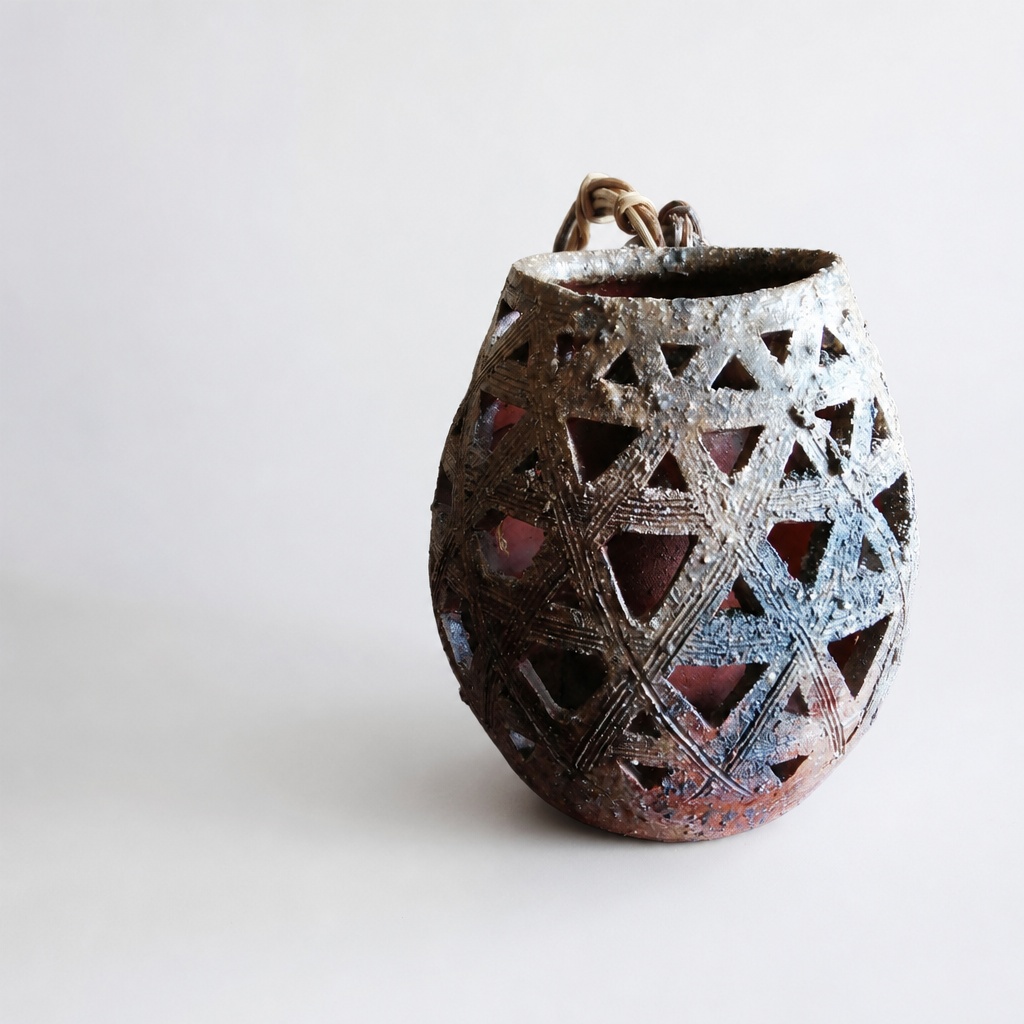
Smooth, unglazed, burnished red-orange shudei clay, often on small teapots or vases; Meiji–Taishō export pieces with applied relief dragons in red clay; large medieval jars with natural ash glaze running from the shoulder.
- Six Ancient Kilns of Japan (Japan Heritage, 2017)
- Traditional Craft designated by METI (1976)