九谷焼
Kutani ware
Ishikawa · Mid-17th century (c. 1655, Ko-Kutani); revived 1807
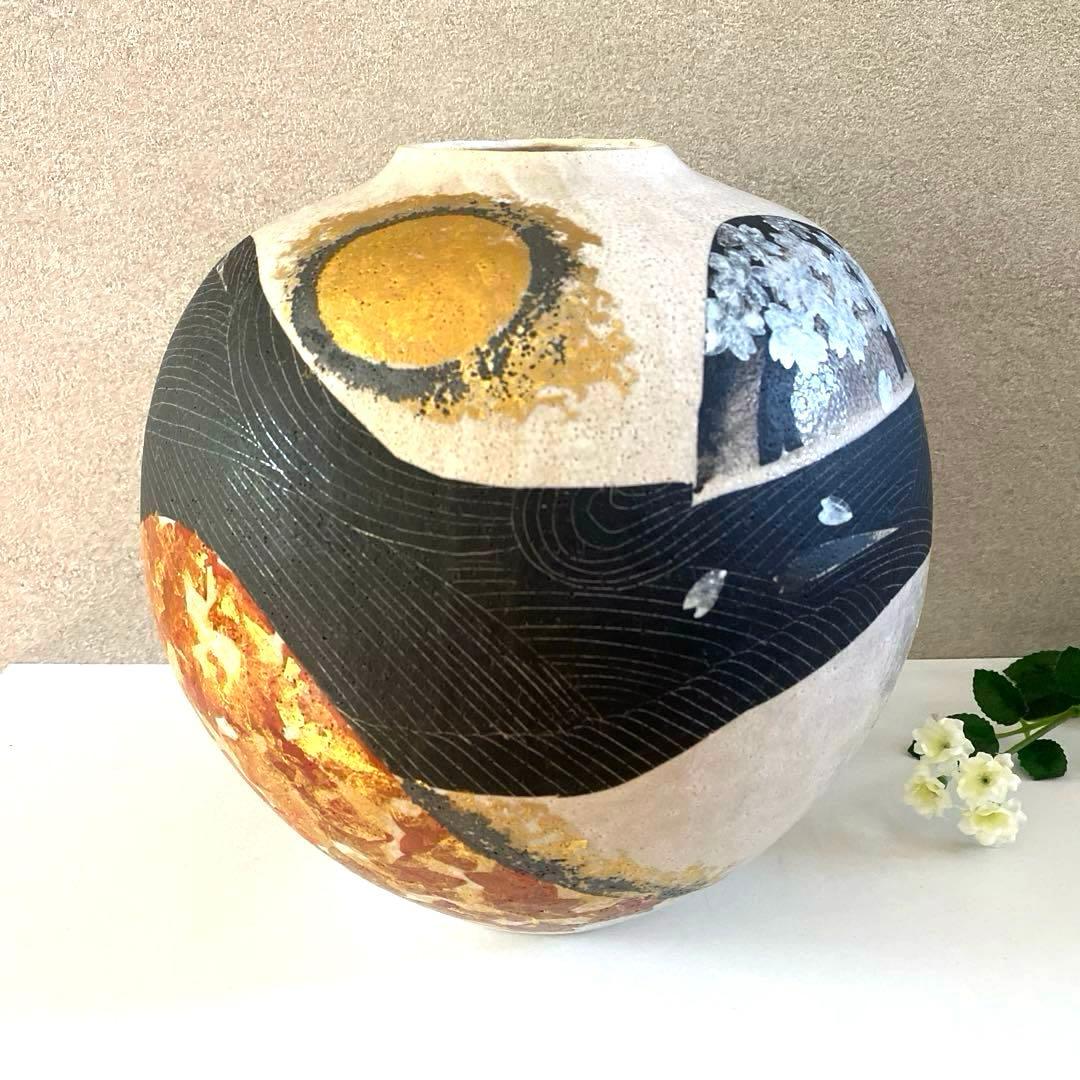
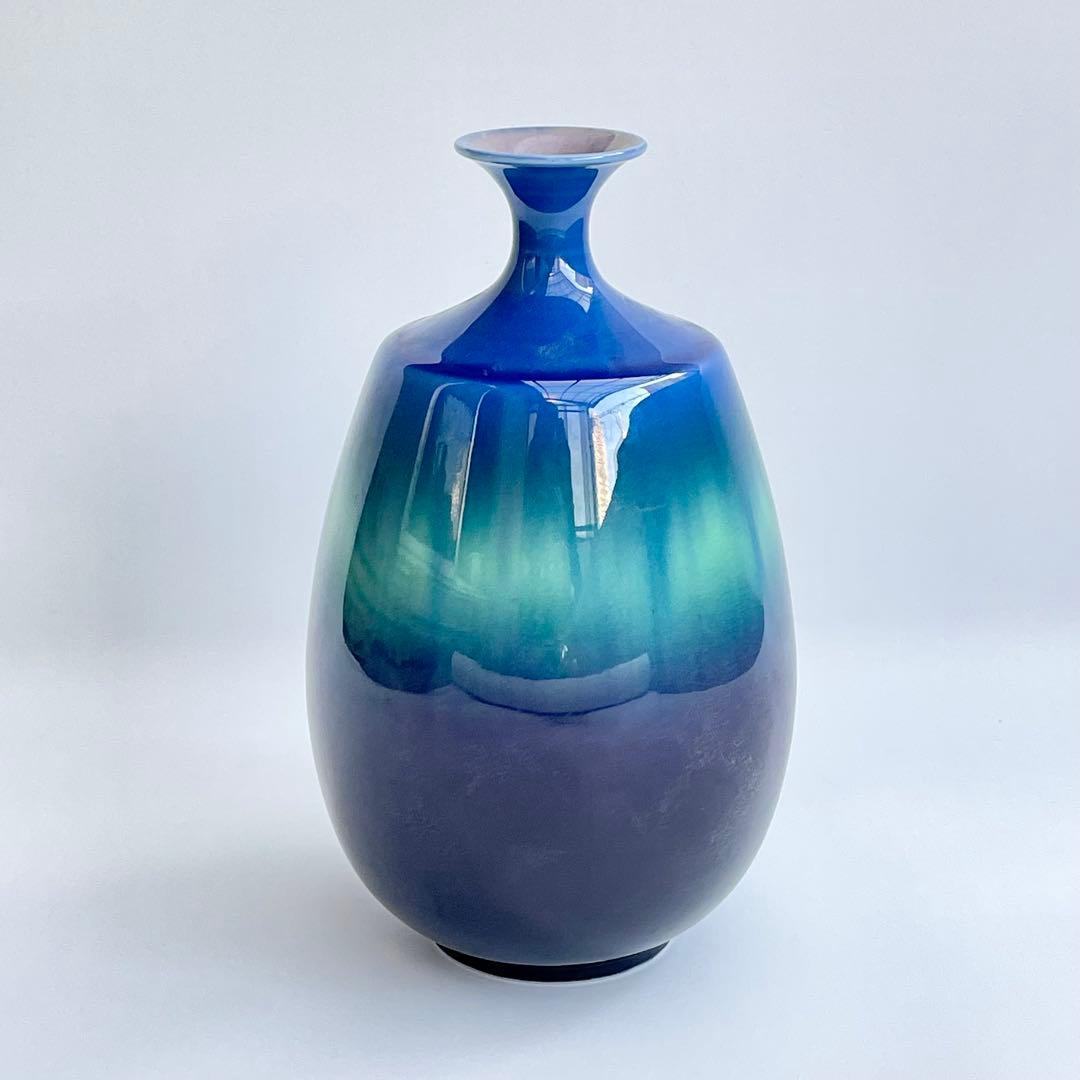
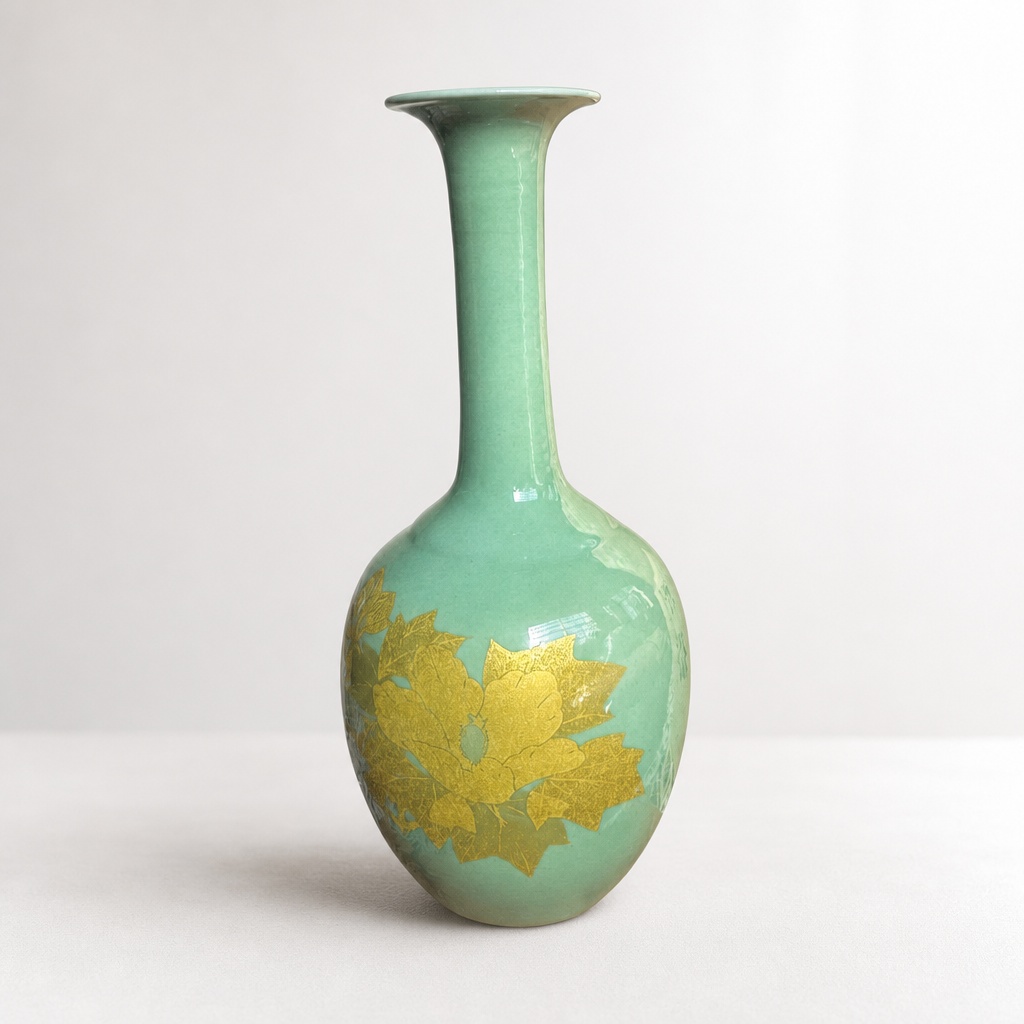
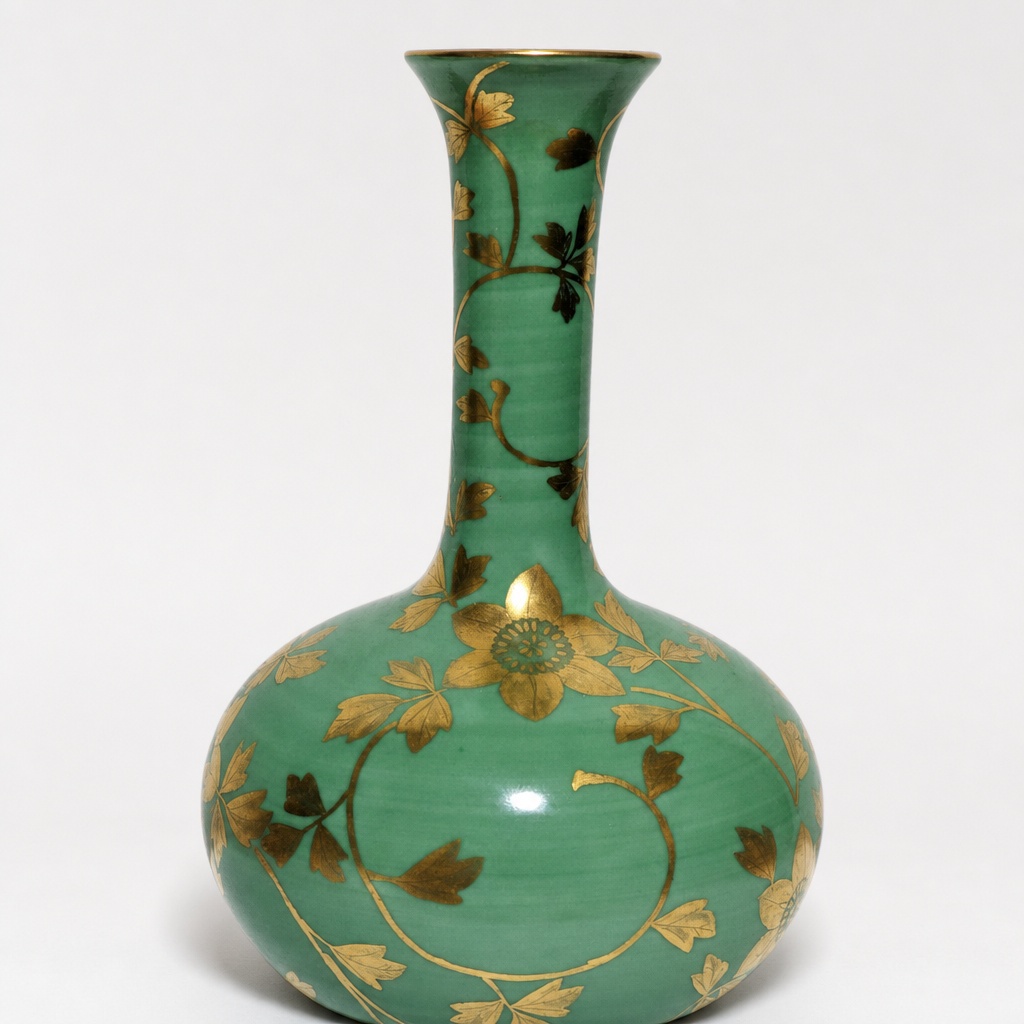
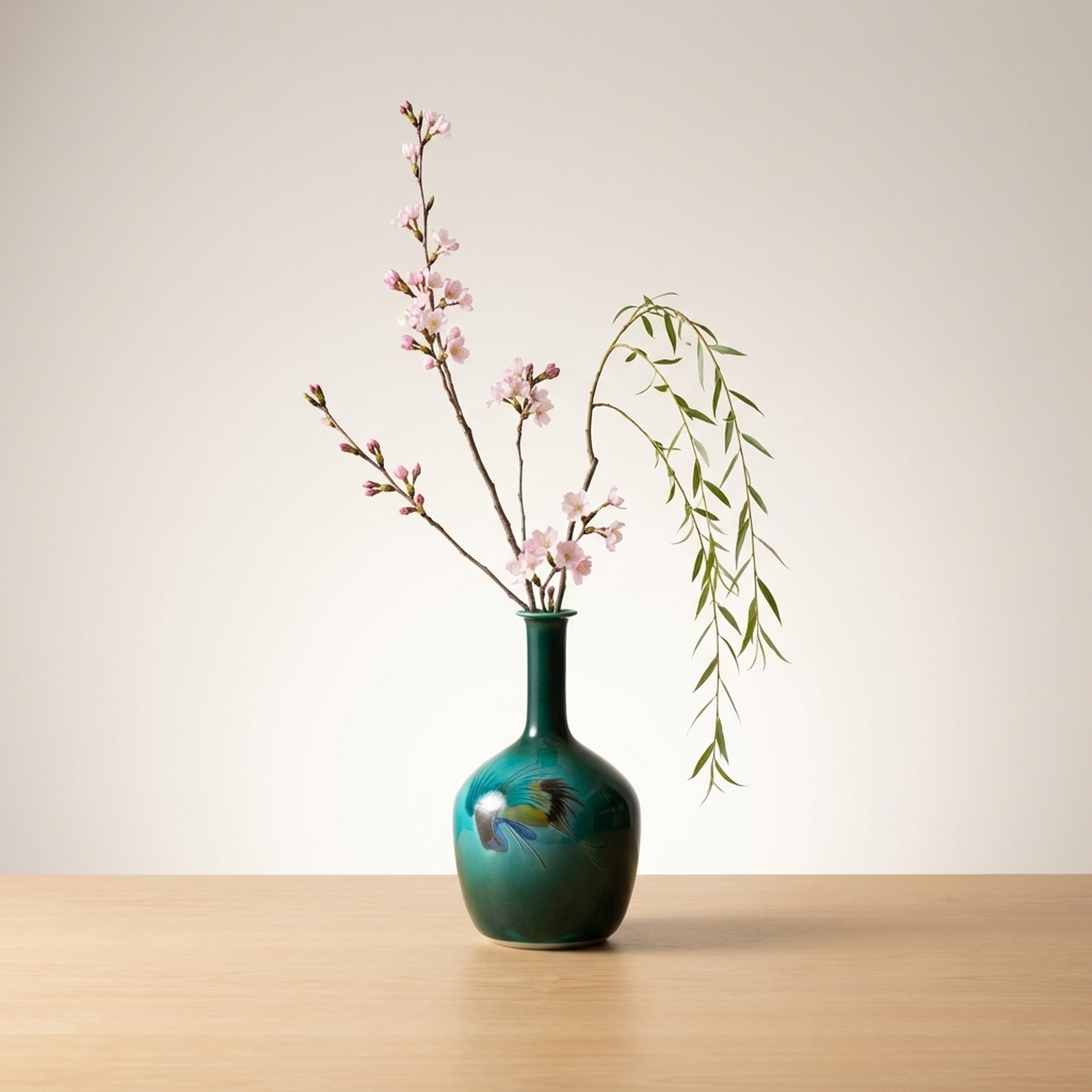
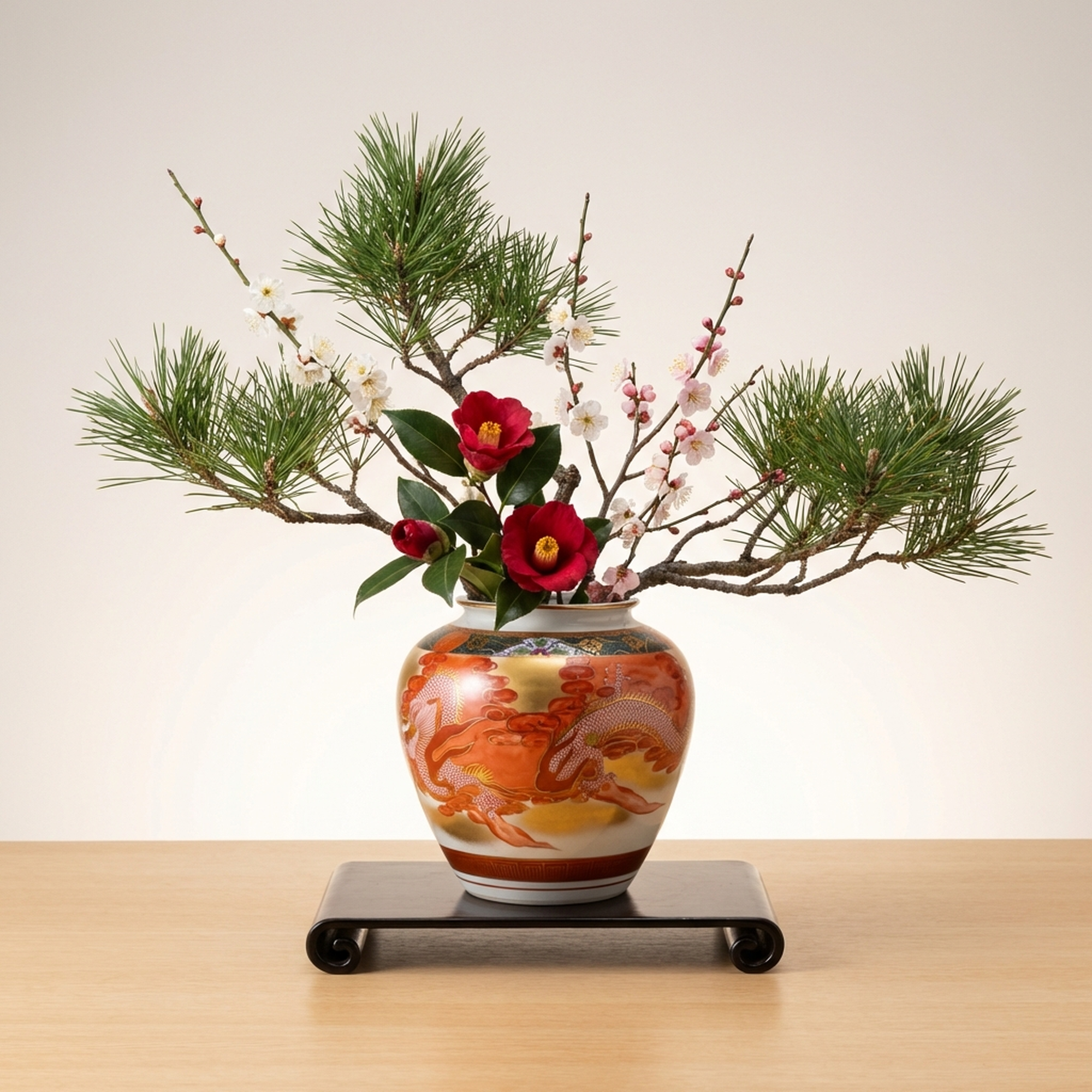
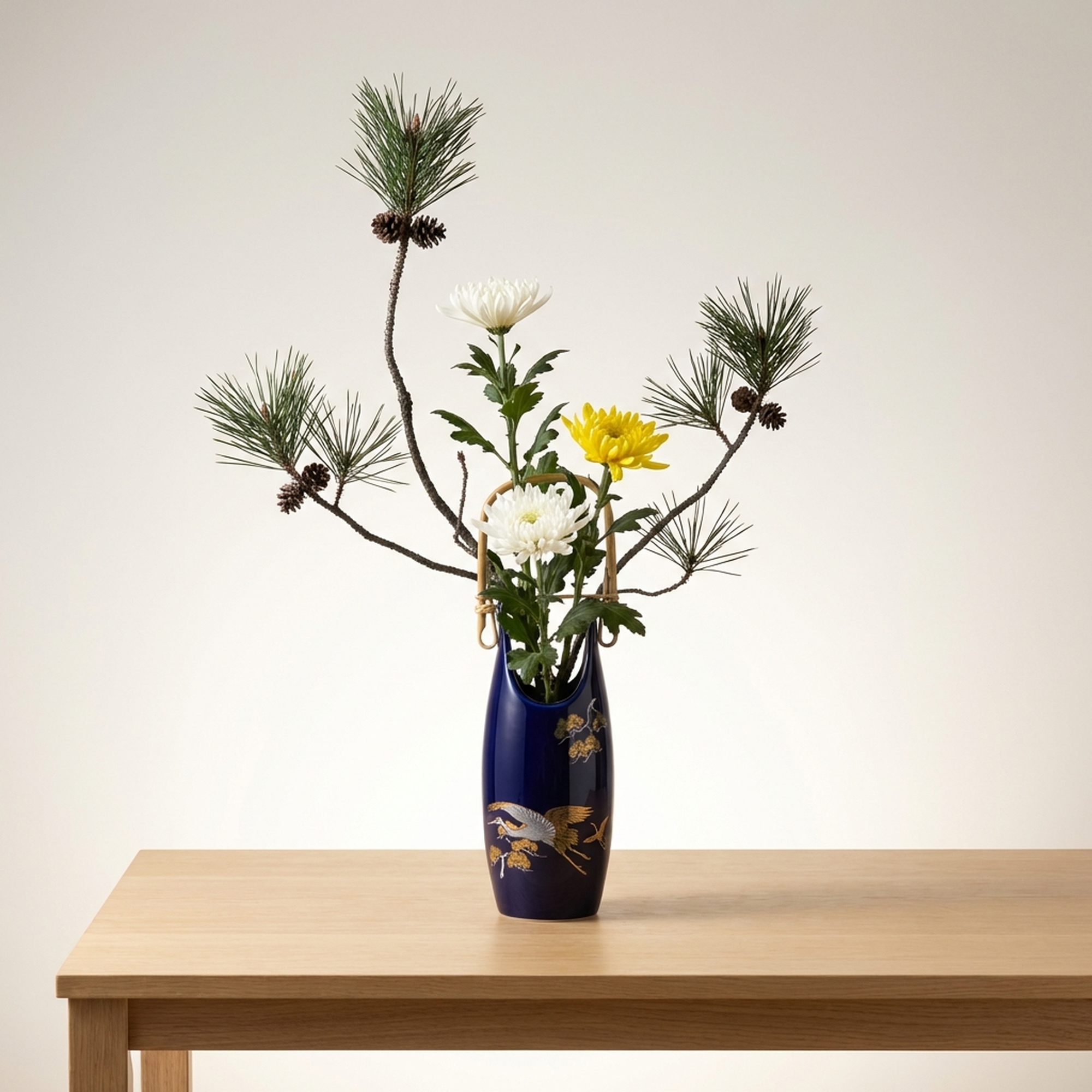
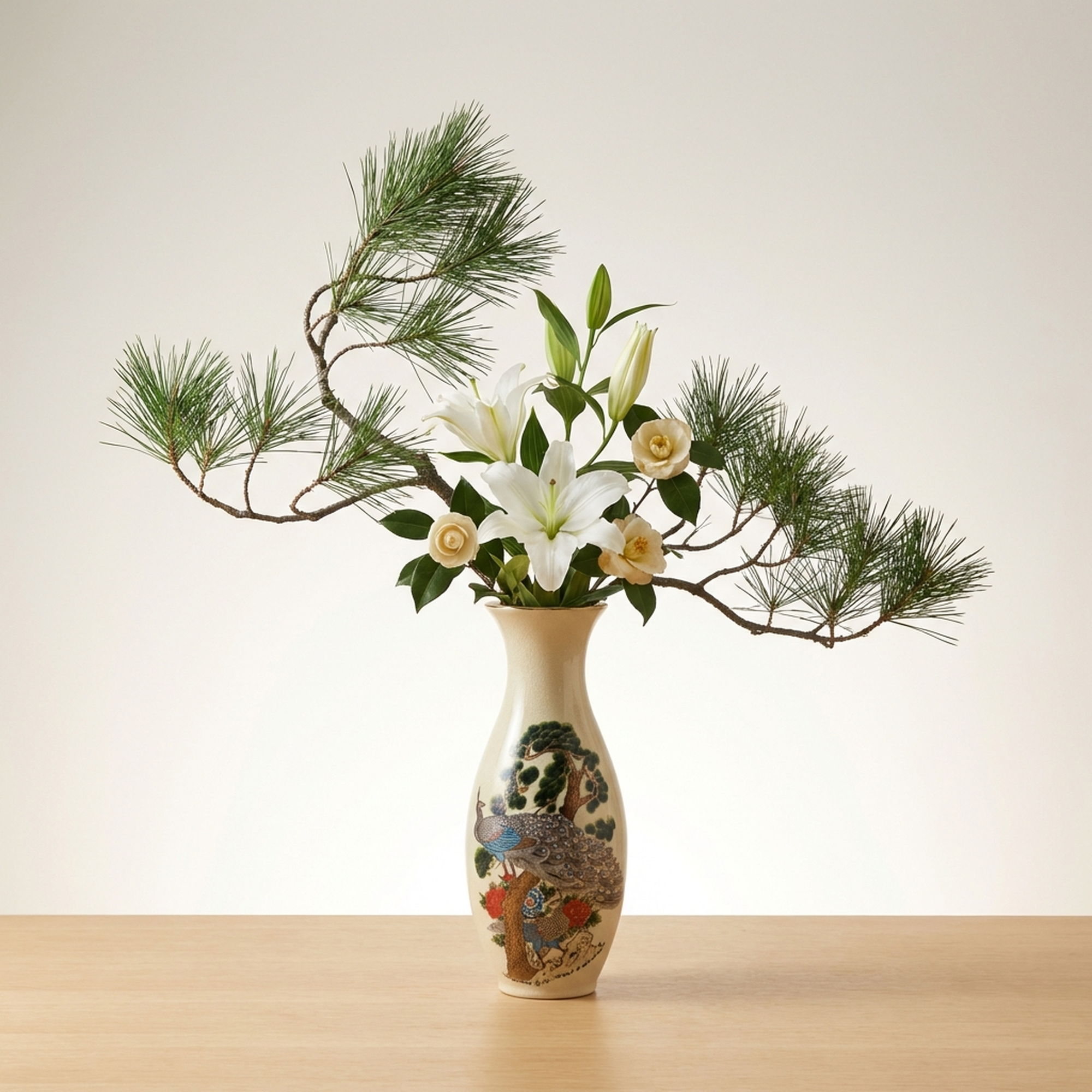
Boldly enamelled porcelain from southern Ishikawa, known for its five-colour palette and, from the Meiji era, gold-rich export wares.
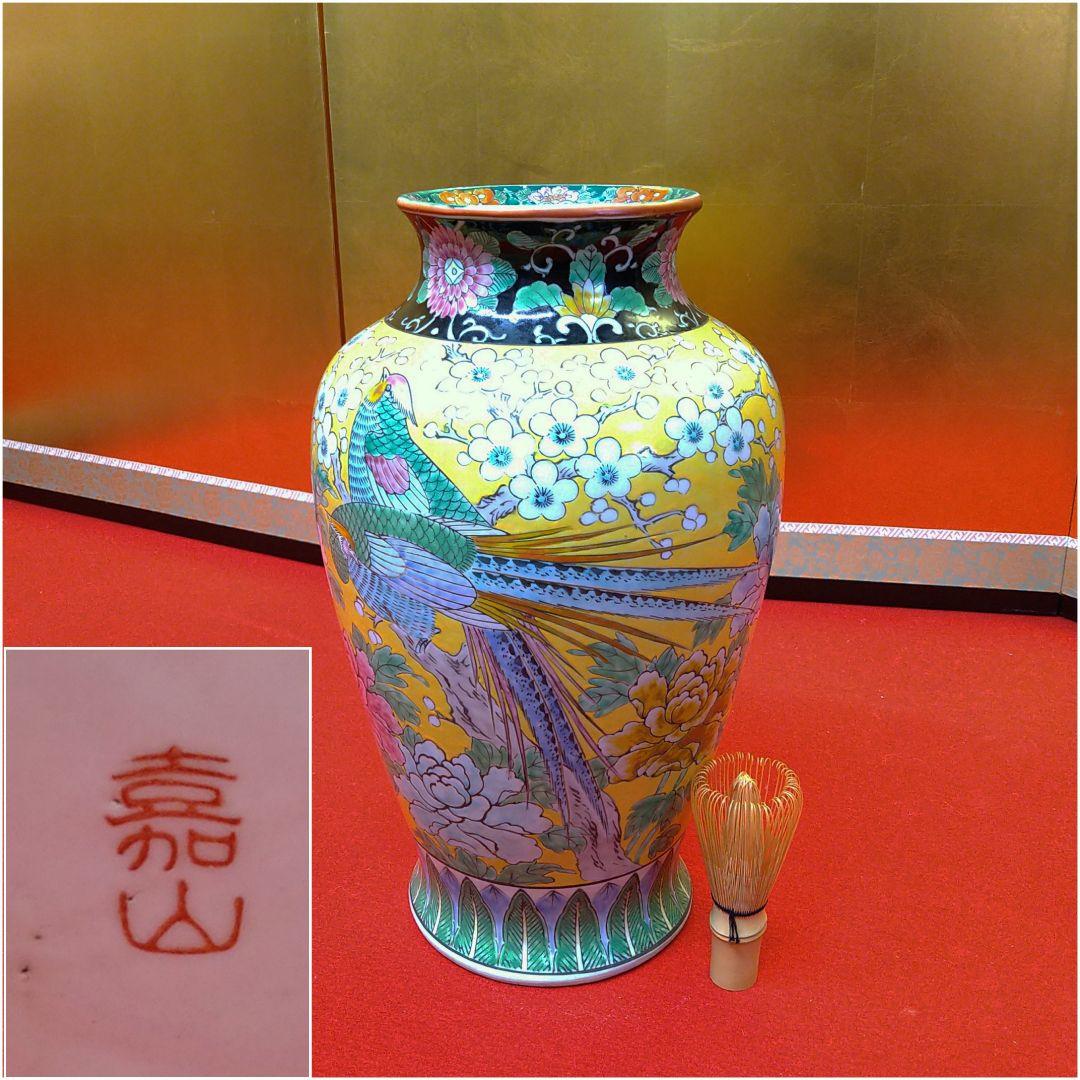
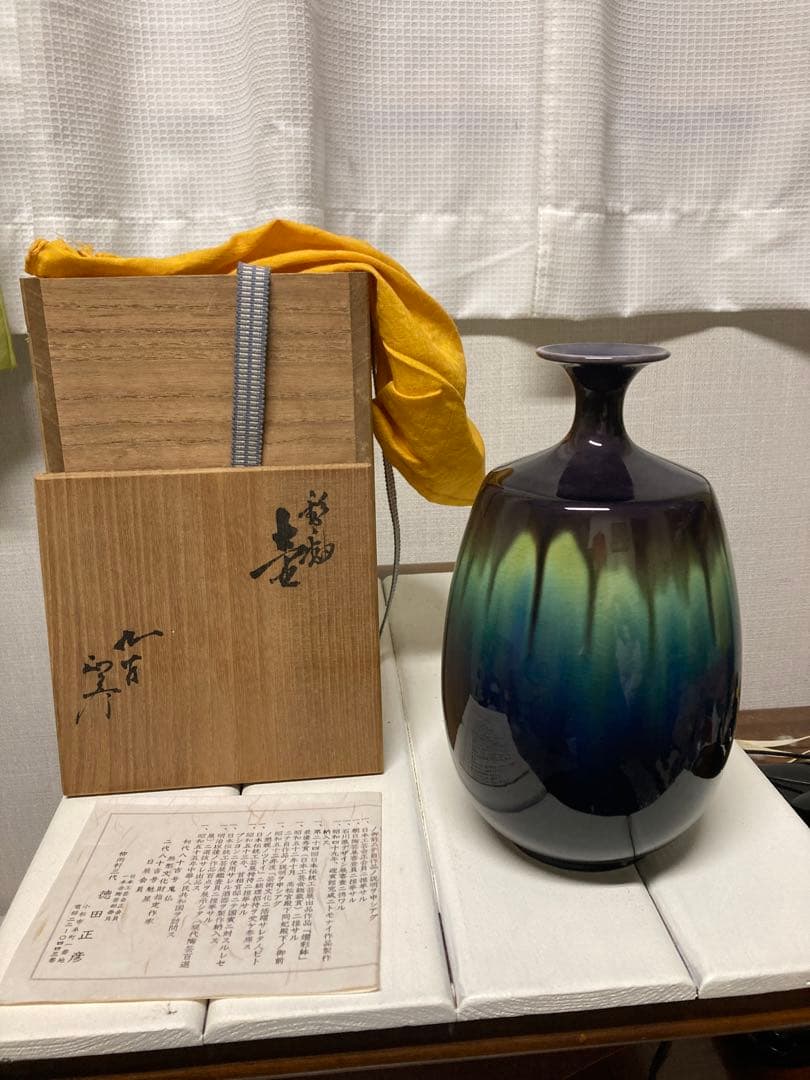
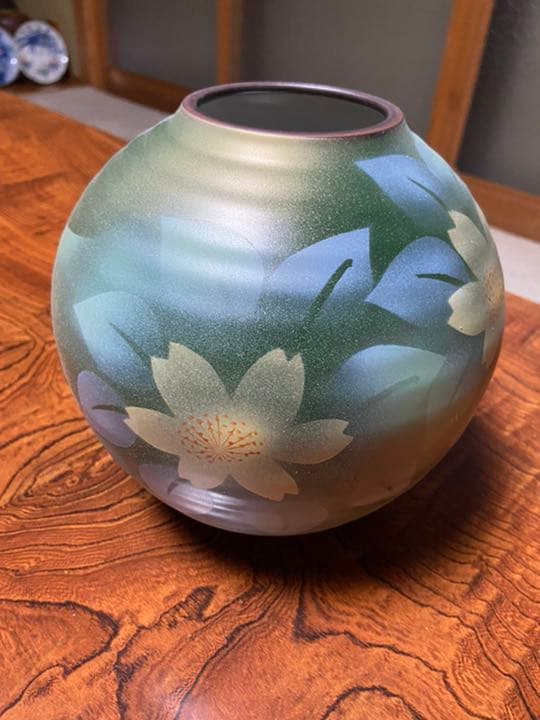
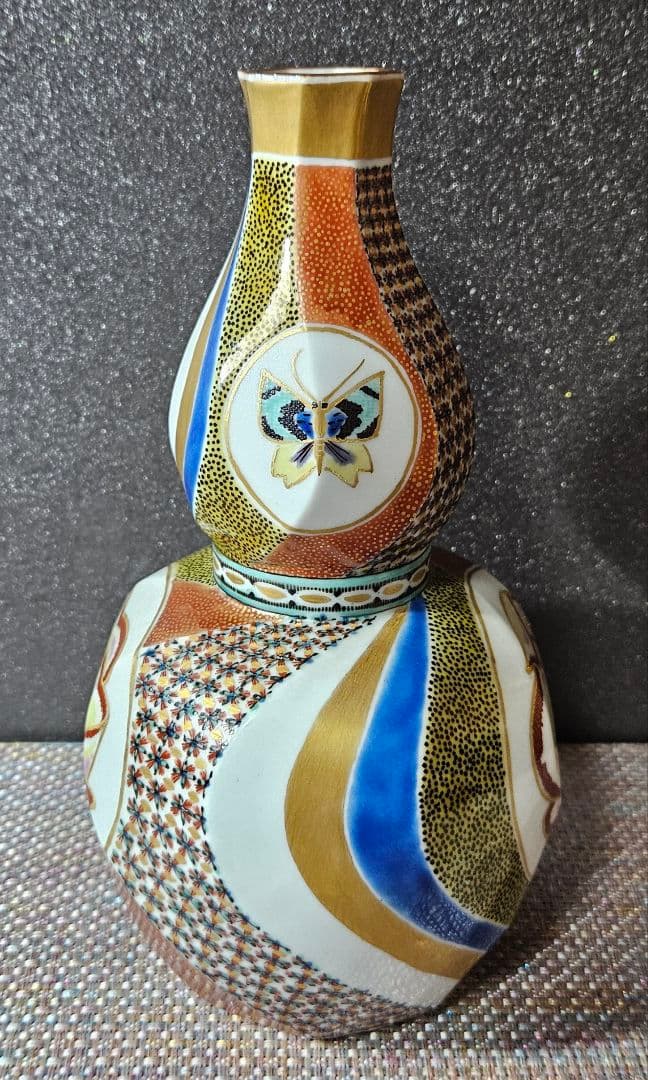
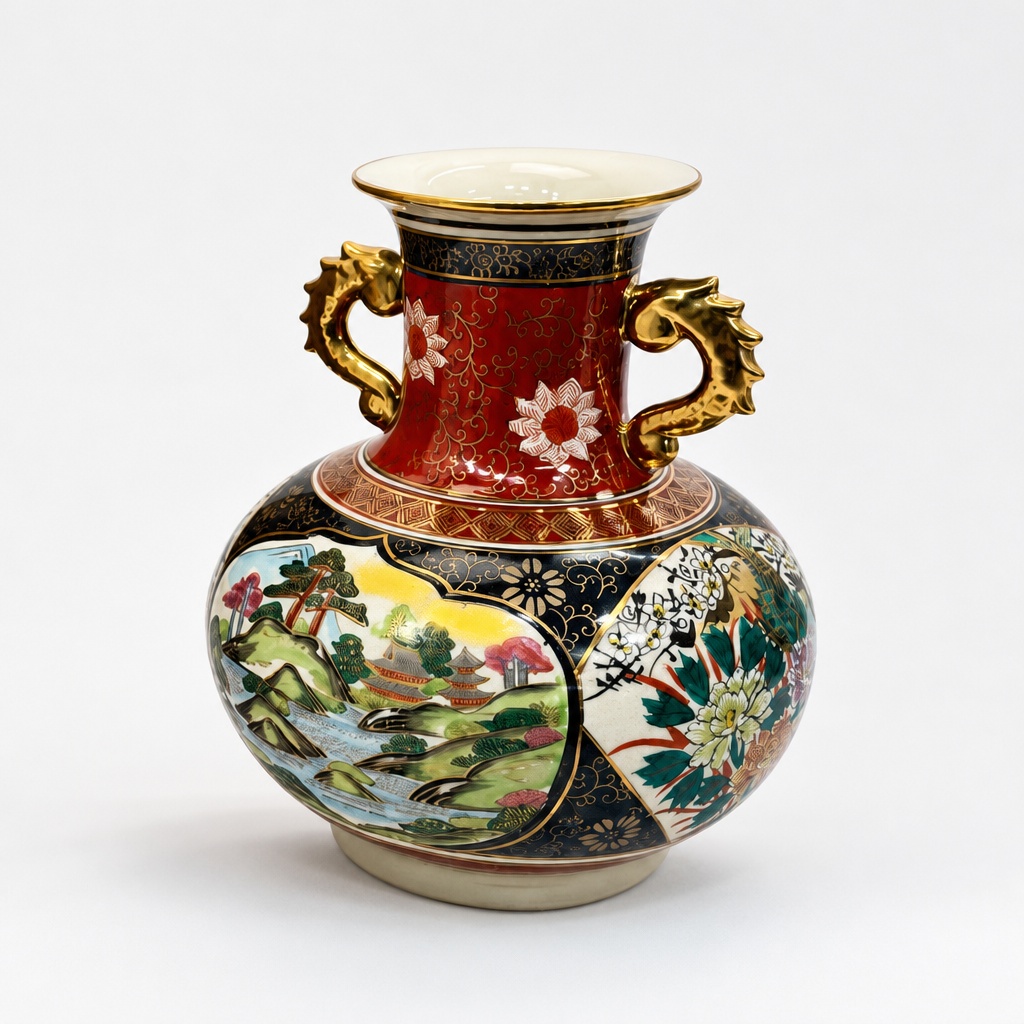
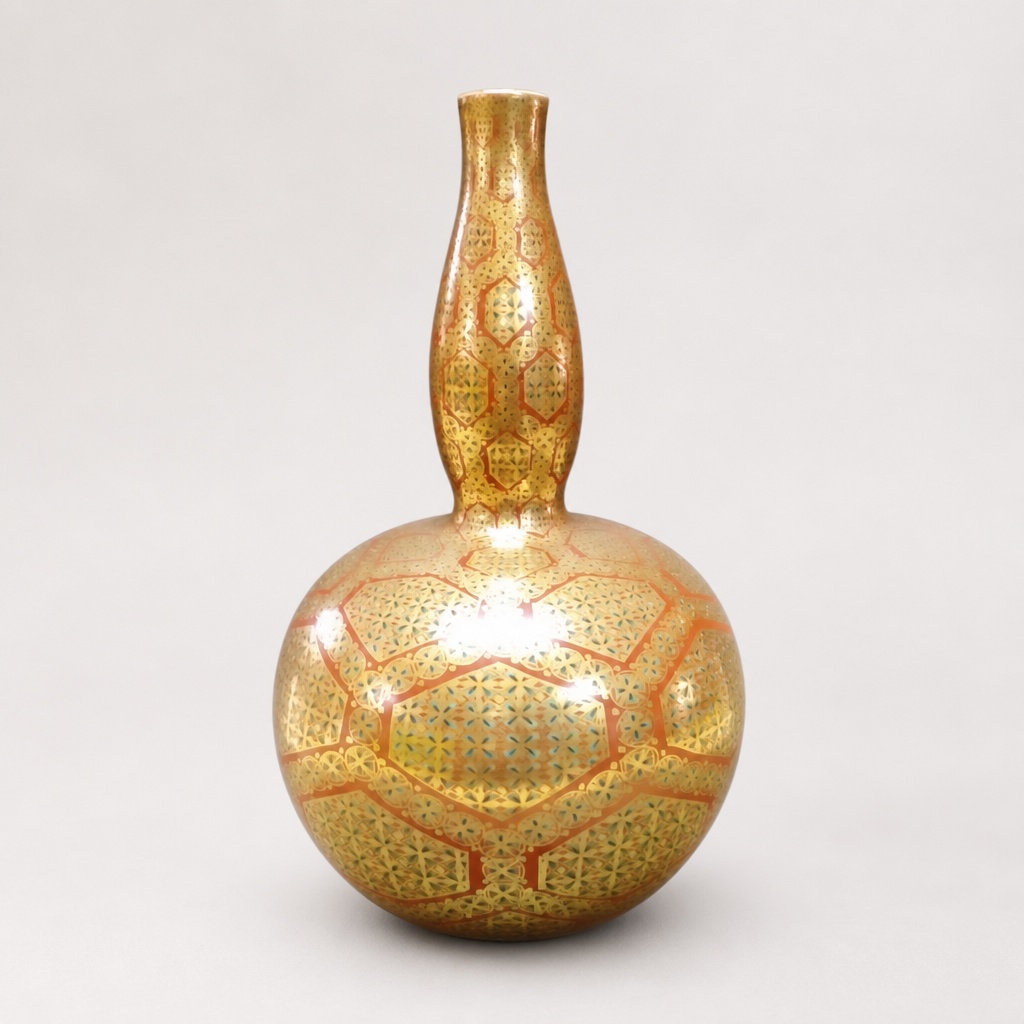
Kutani ware takes its name from the village of Kutani in the Kaga domain. Production of the early wares now called Ko-Kutani is generally dated to around 1655, after the domain sent Gotō Saijirō to Arita to learn porcelain making. The Ko-Kutani kilns closed abruptly in the early eighteenth century for reasons that remain unclear. Porcelain making was revived in 1807 with the Kasugayama kiln in Kanazawa, where the Kyoto potter Aoki Mokubei was engaged, and the Yoshidaya kiln followed in 1824. In the nineteenth century Kutani Shōza developed the saishiki kinrande style, combining dense polychrome painting with gold. During the Meiji era Kutani became an important export, shown at the 1873 Vienna World Exposition and widely sold to Europe and North America. Today it is made in Kanazawa, Komatsu, Kaga and Nomi.
土と焼成
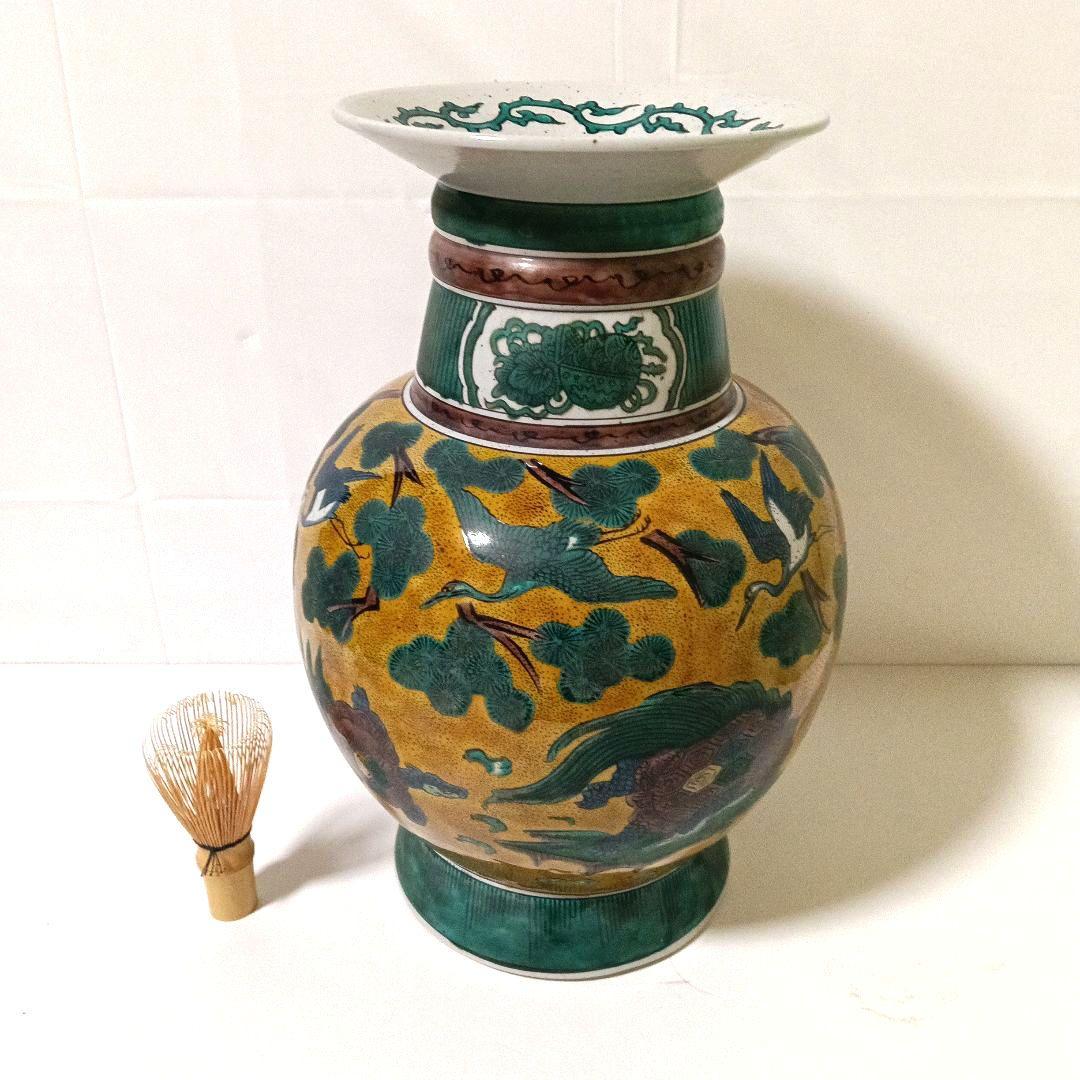
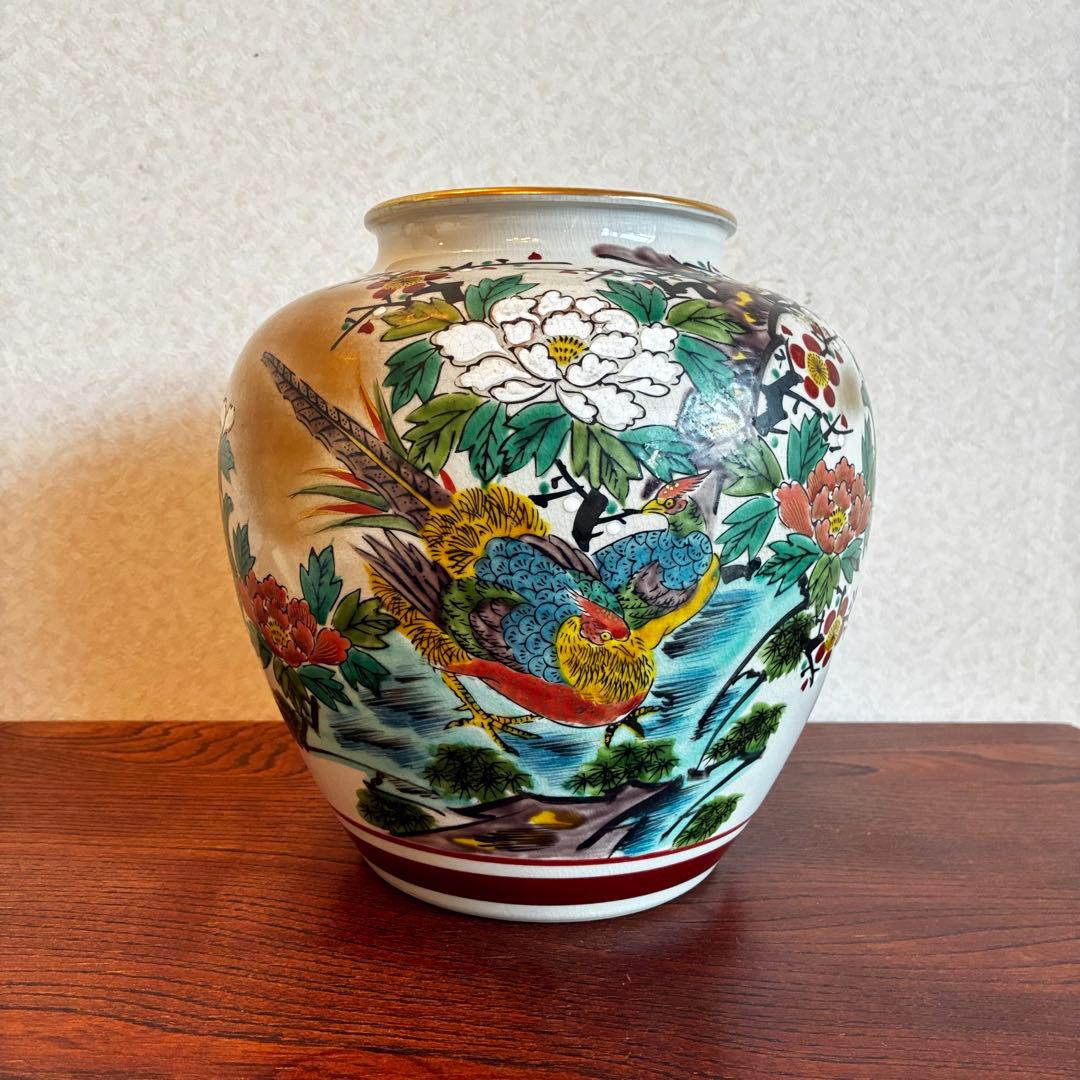
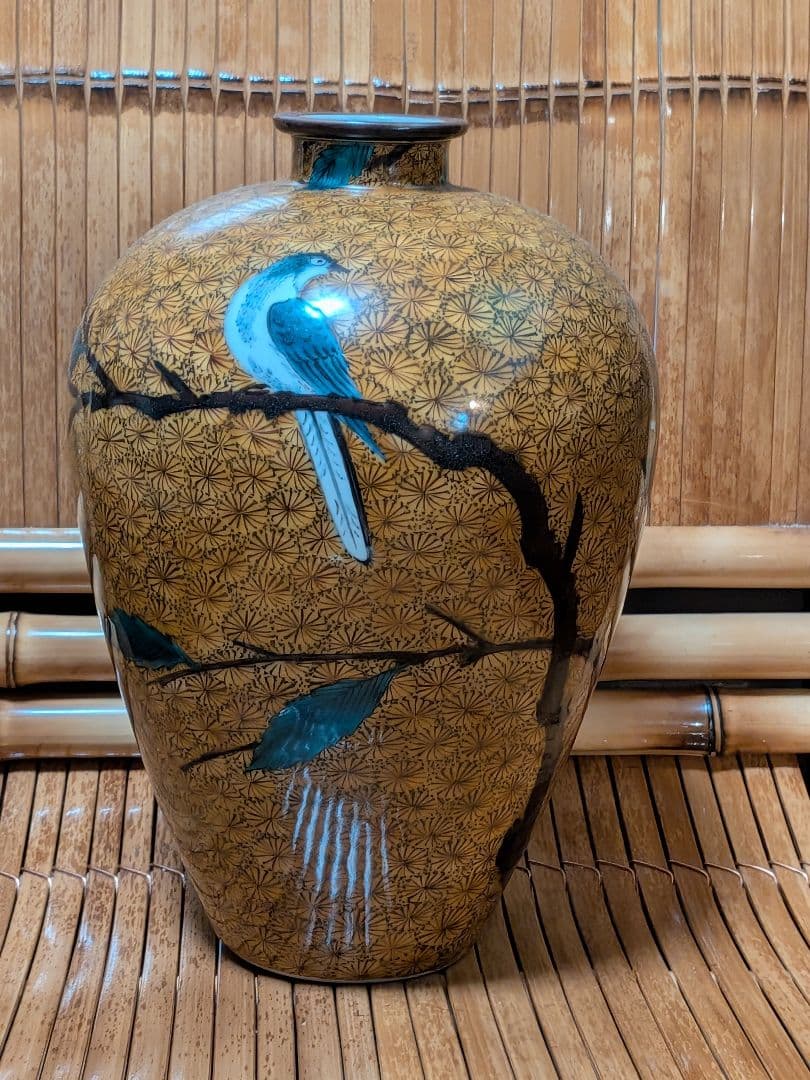
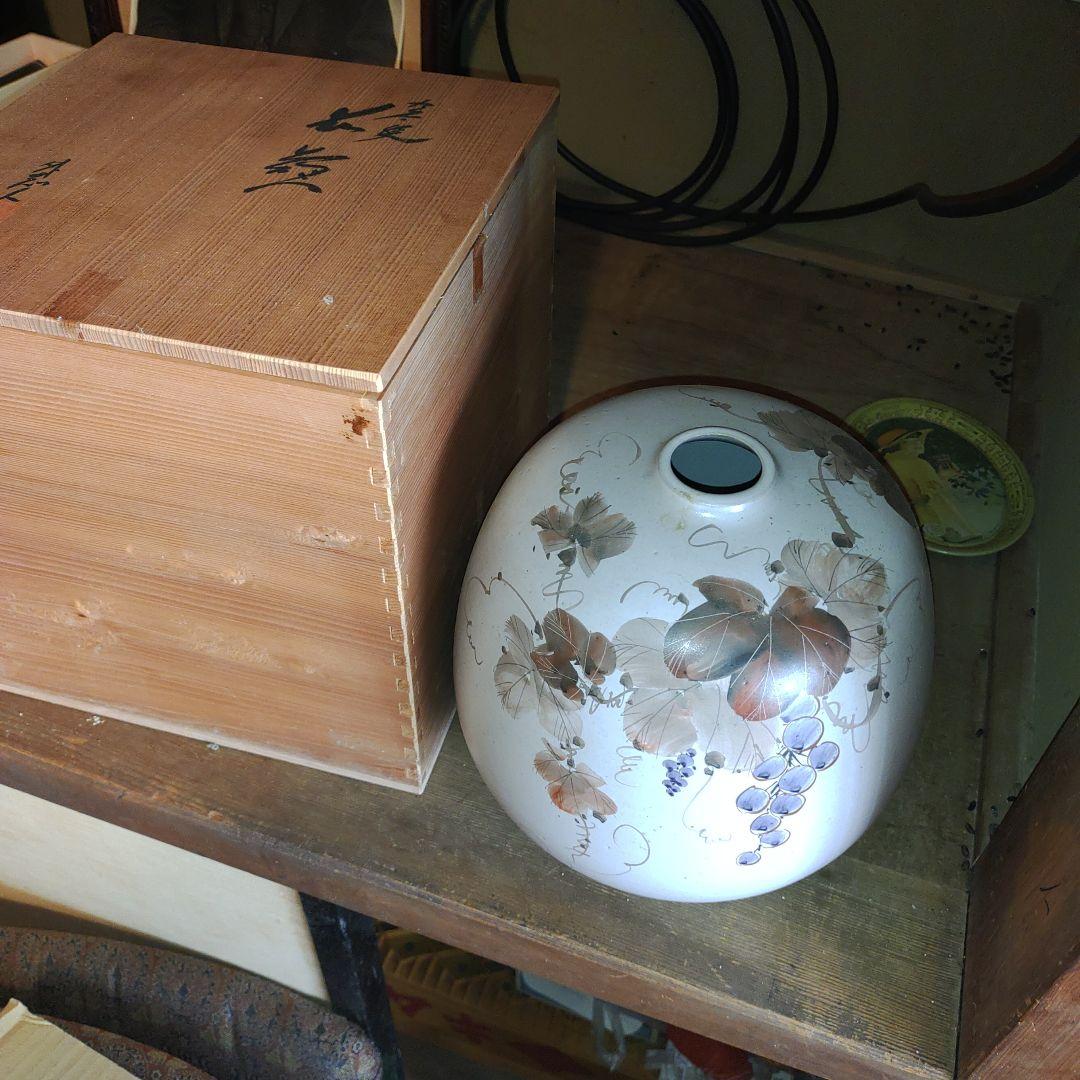
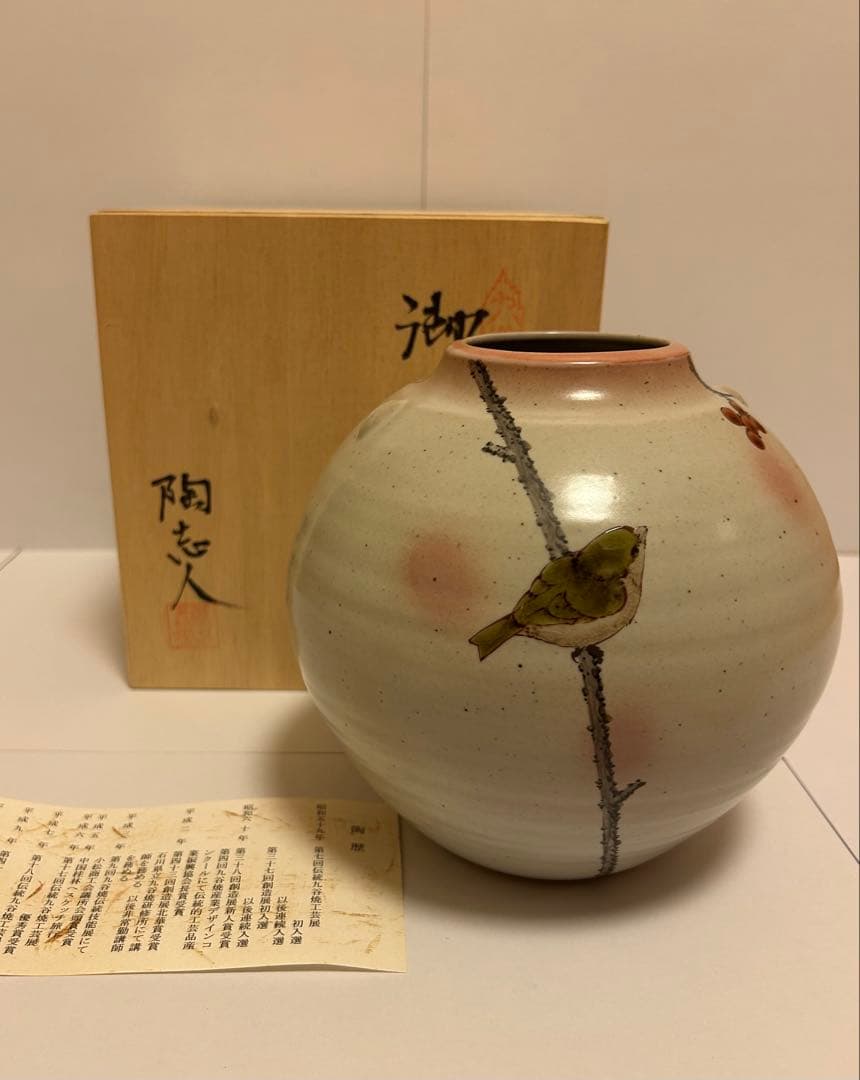
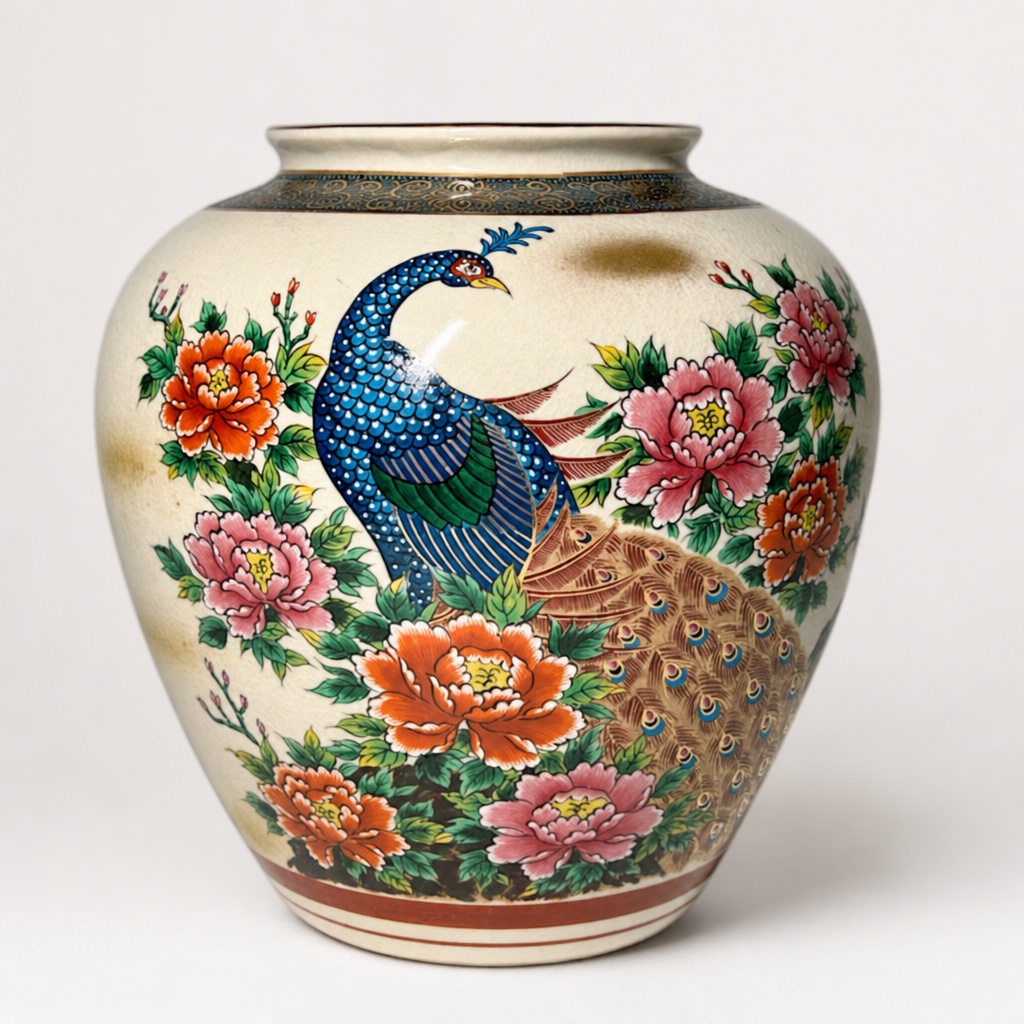
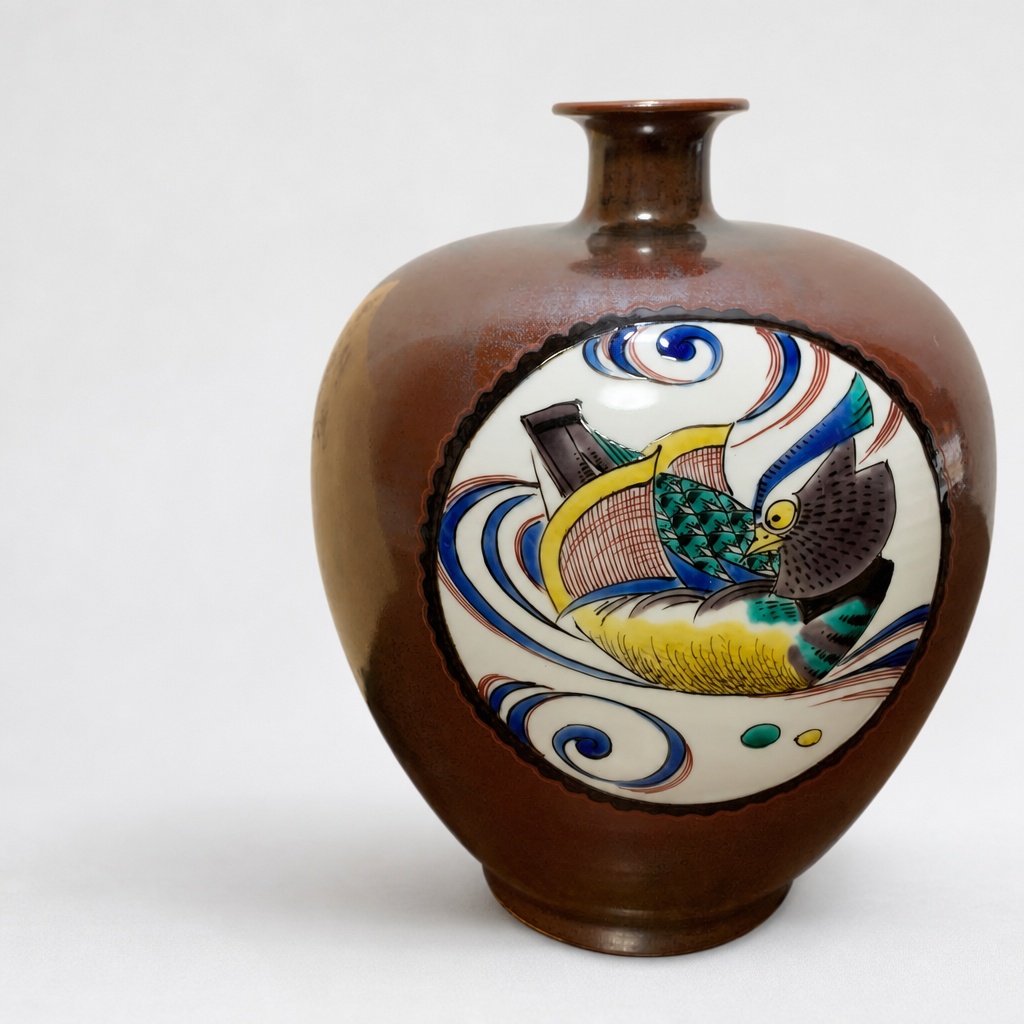
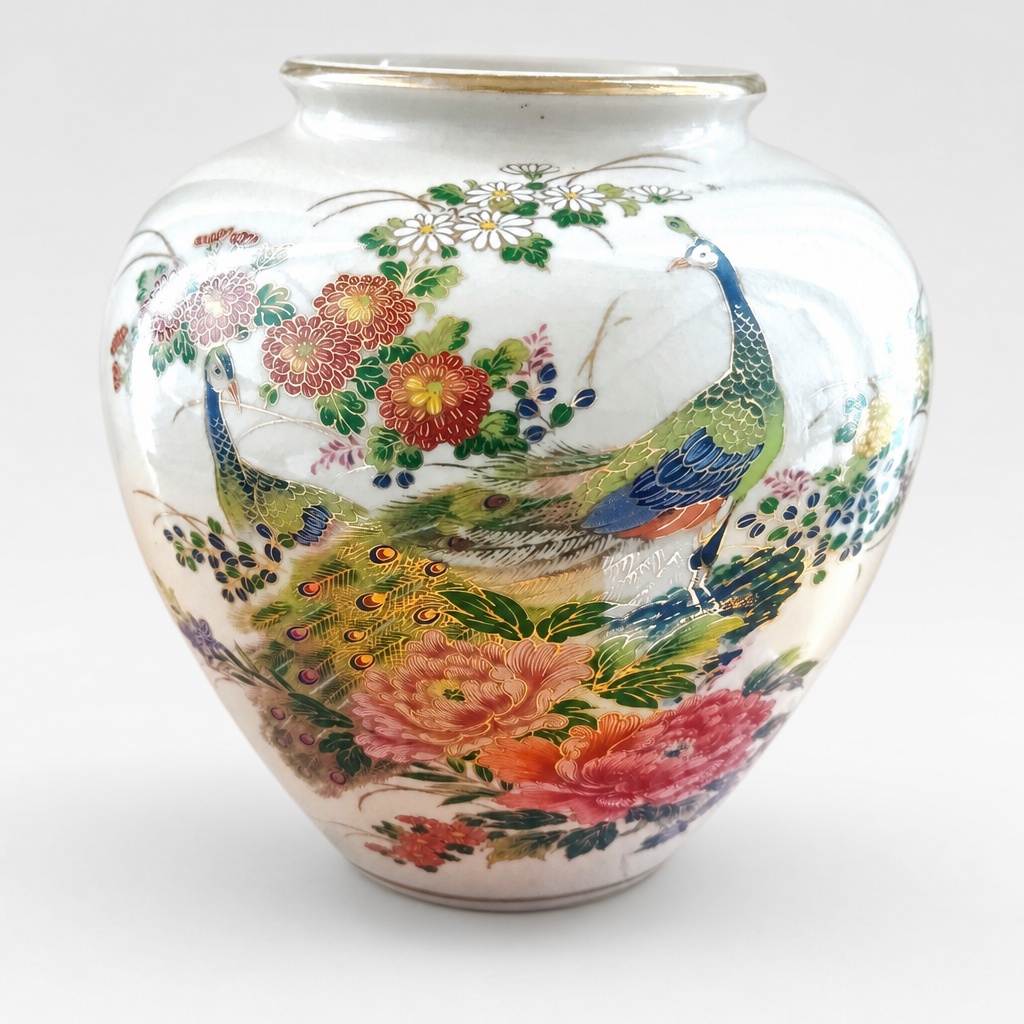
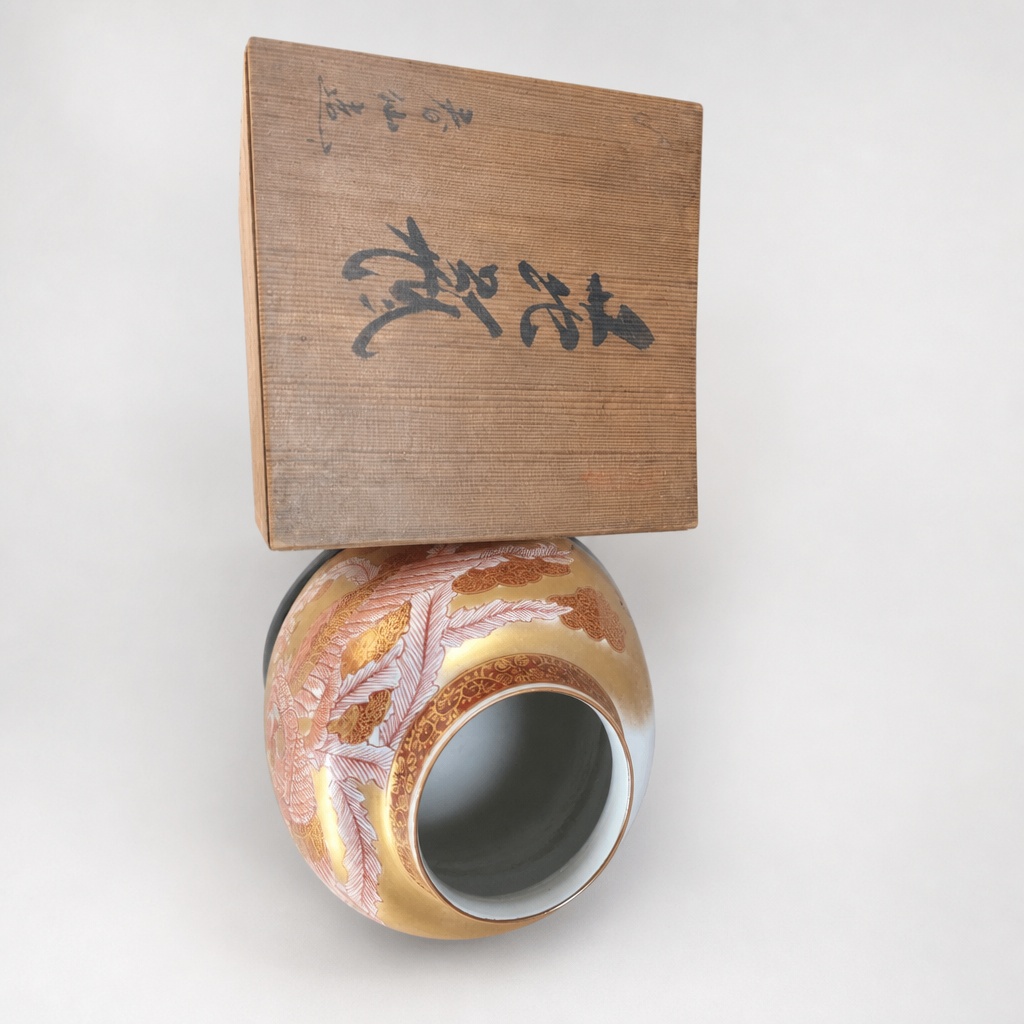
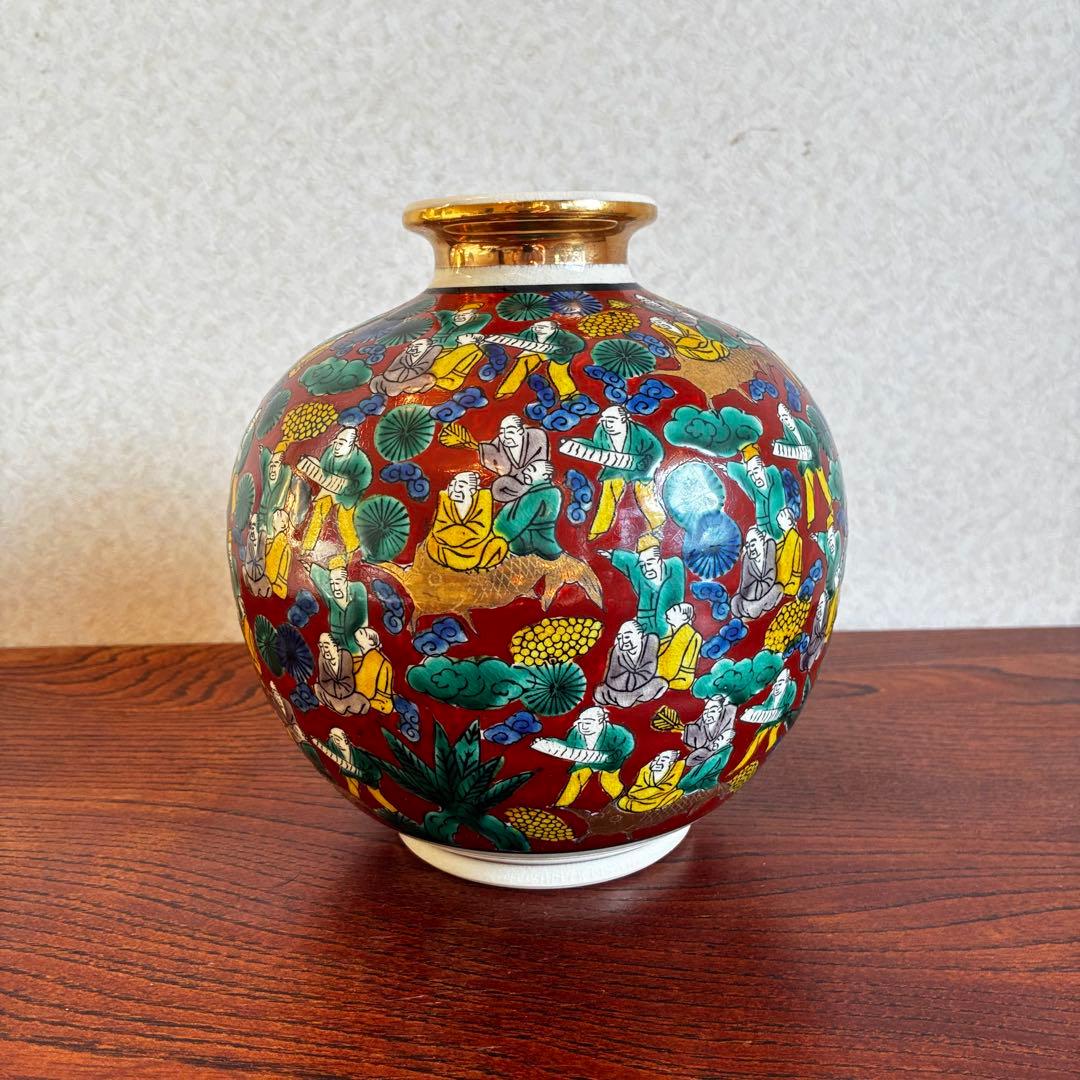
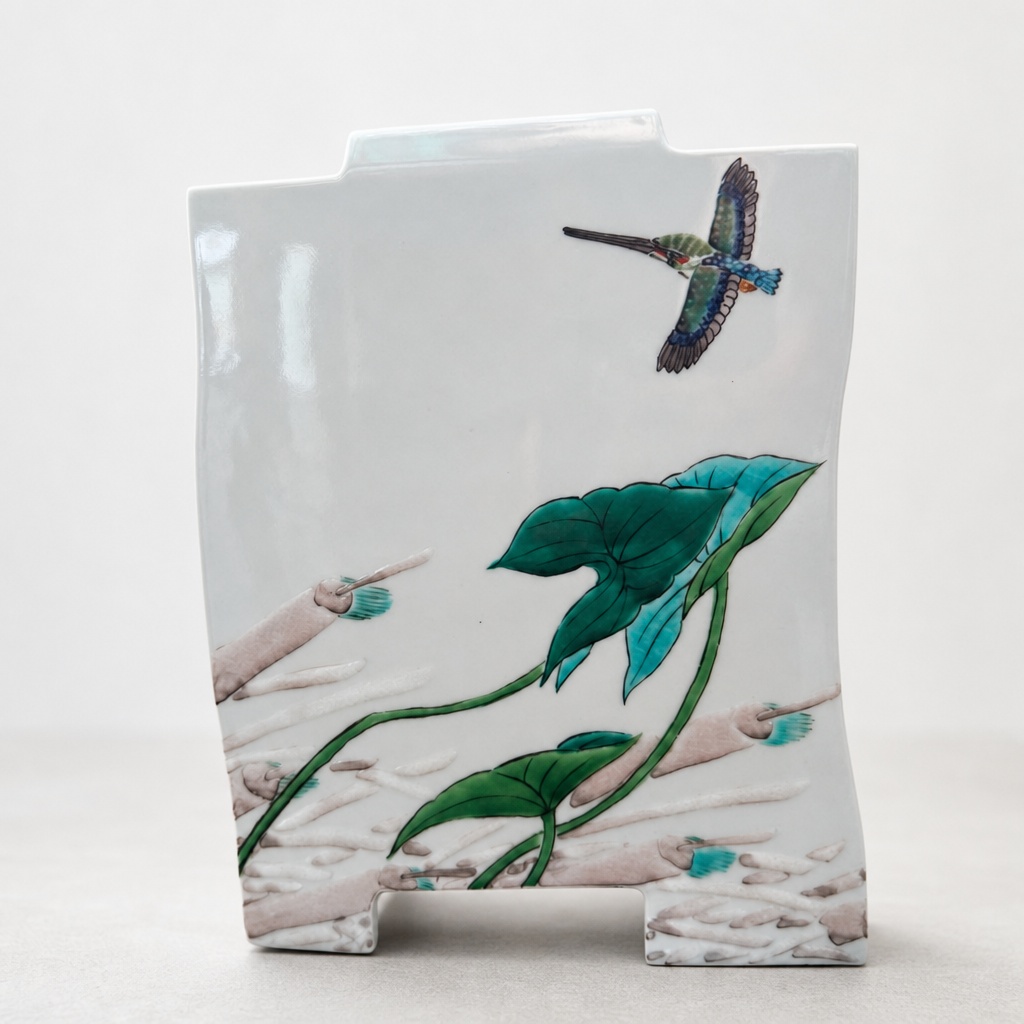
Porcelain body painted with thick overglaze enamels; the classic Kutani gosai palette uses red, yellow, green, deep blue and purple, with gold prominent in later export pieces.
九谷焼の見分け方
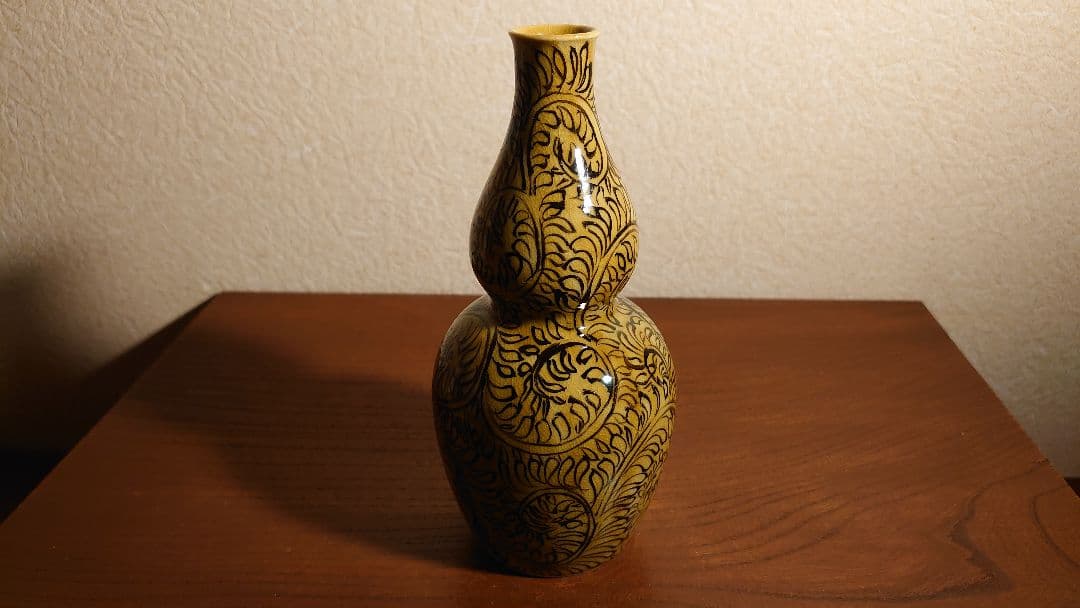
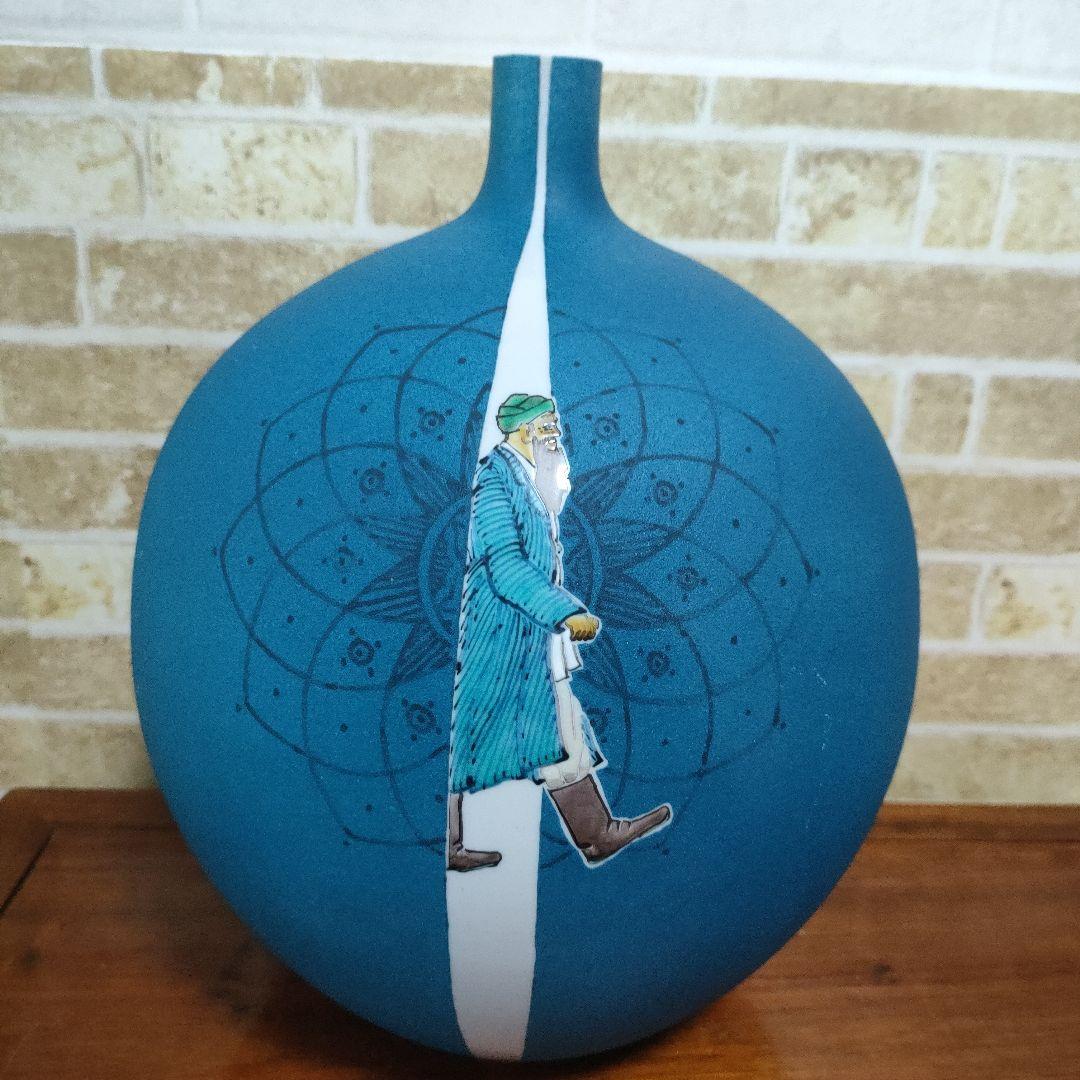
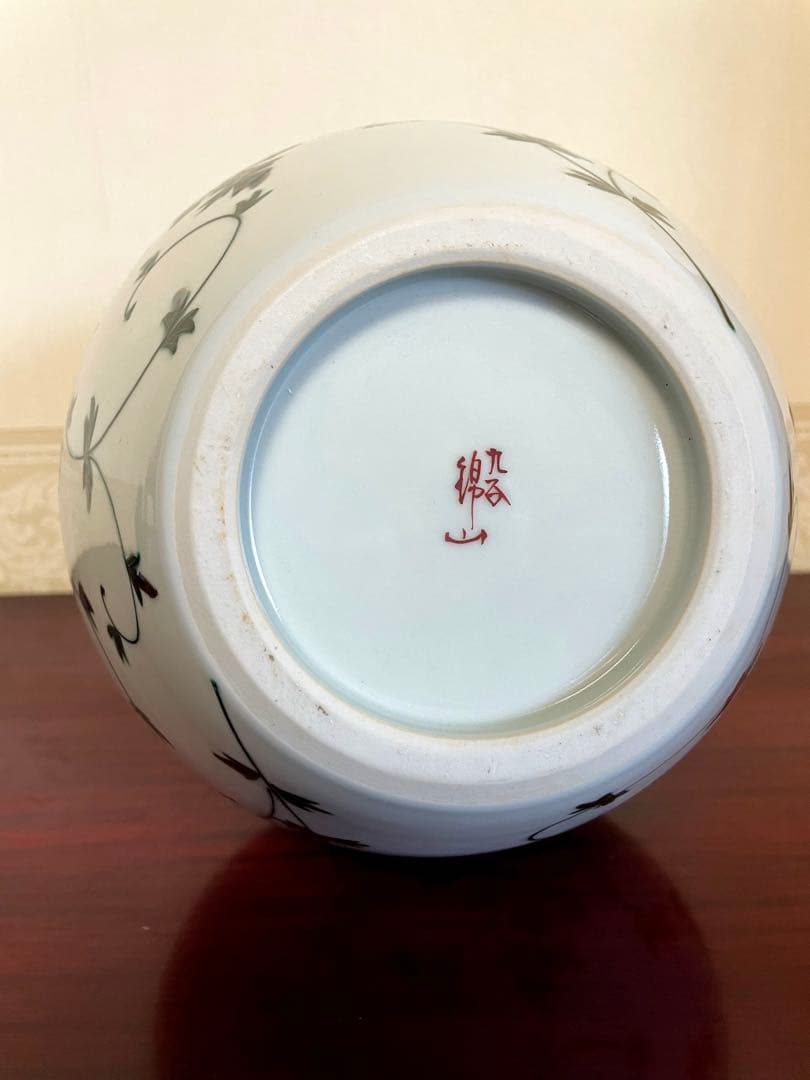
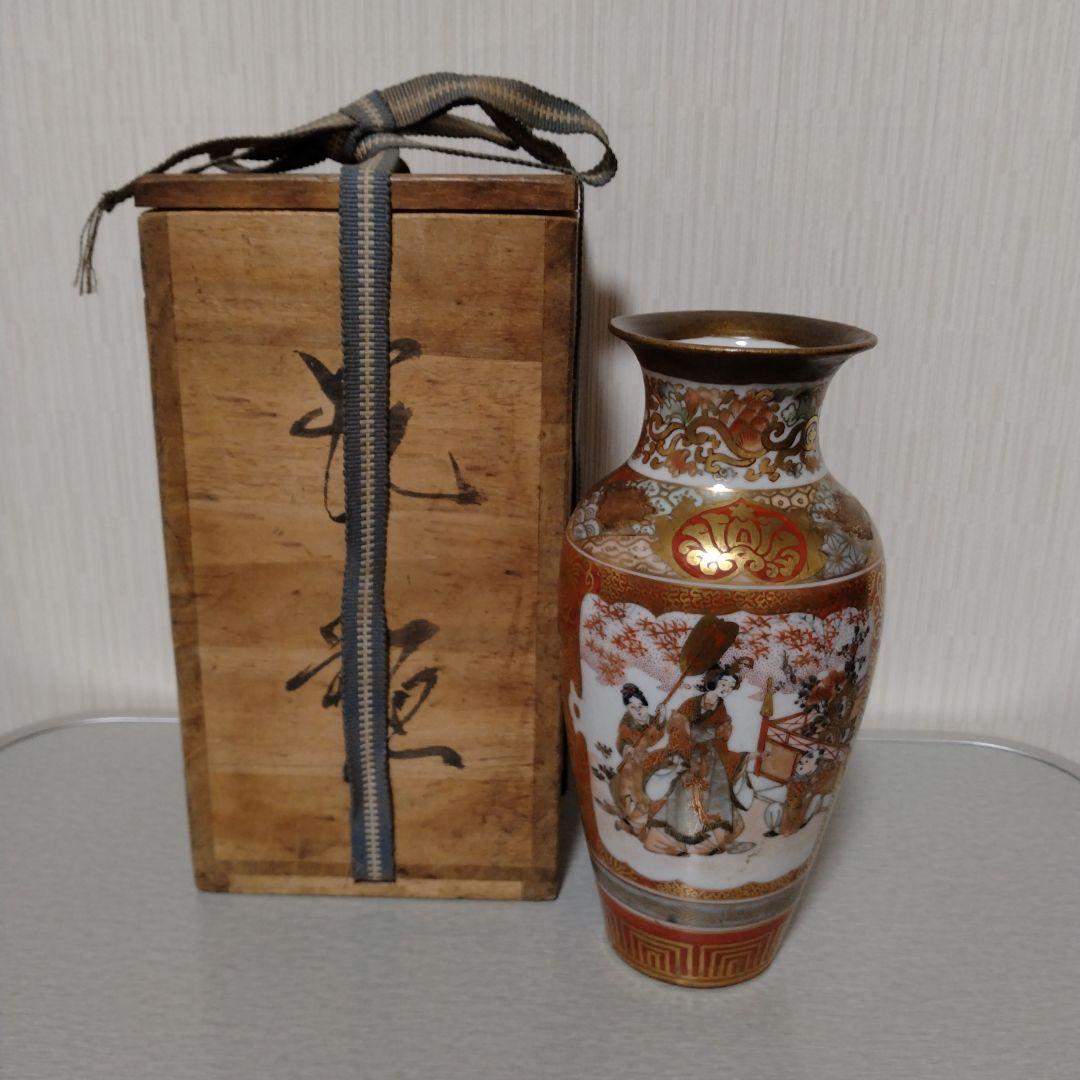
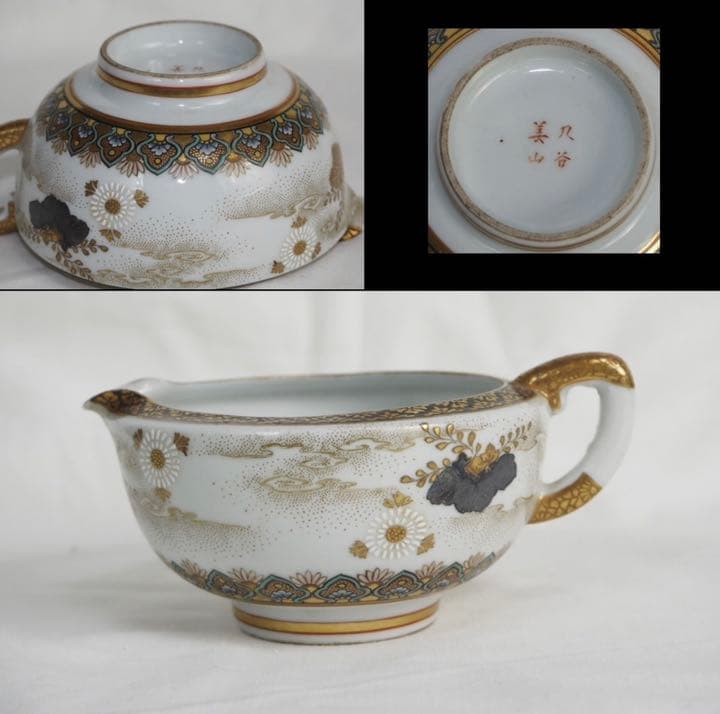
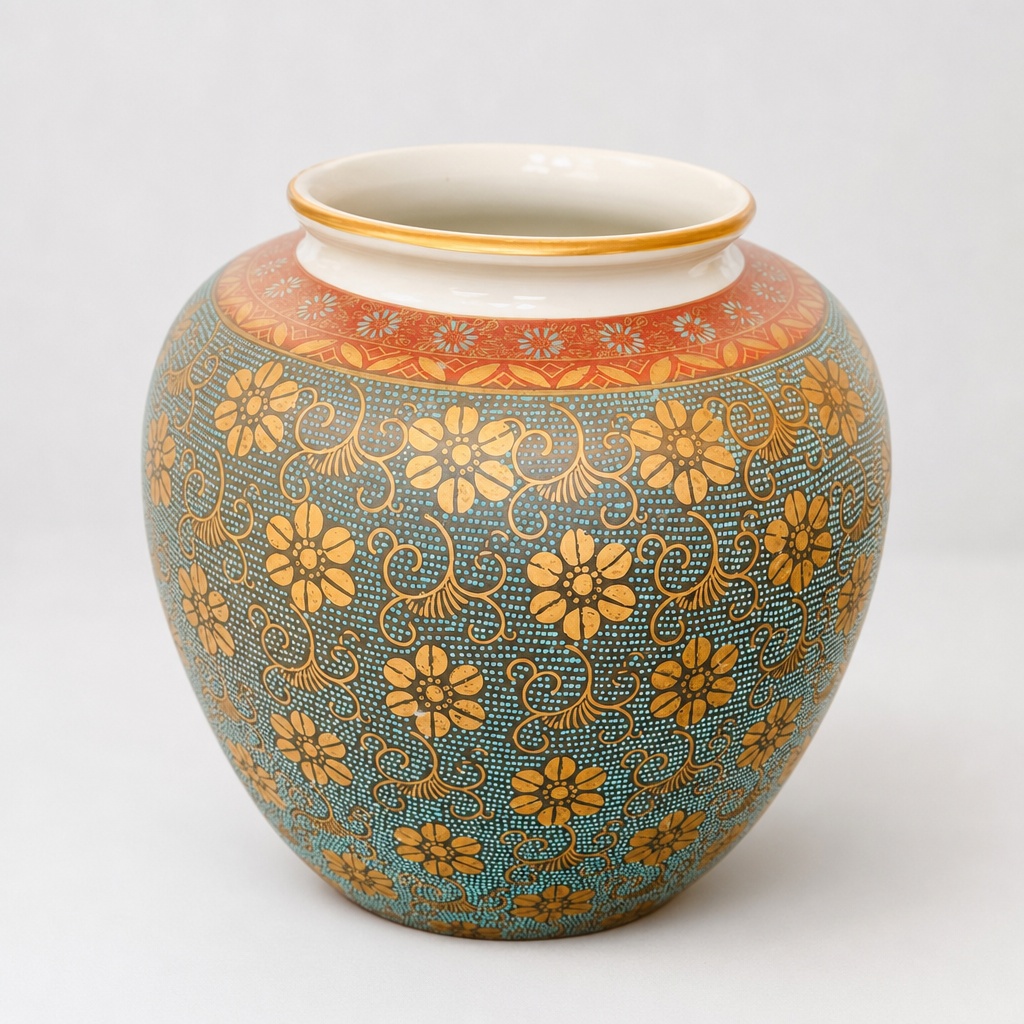
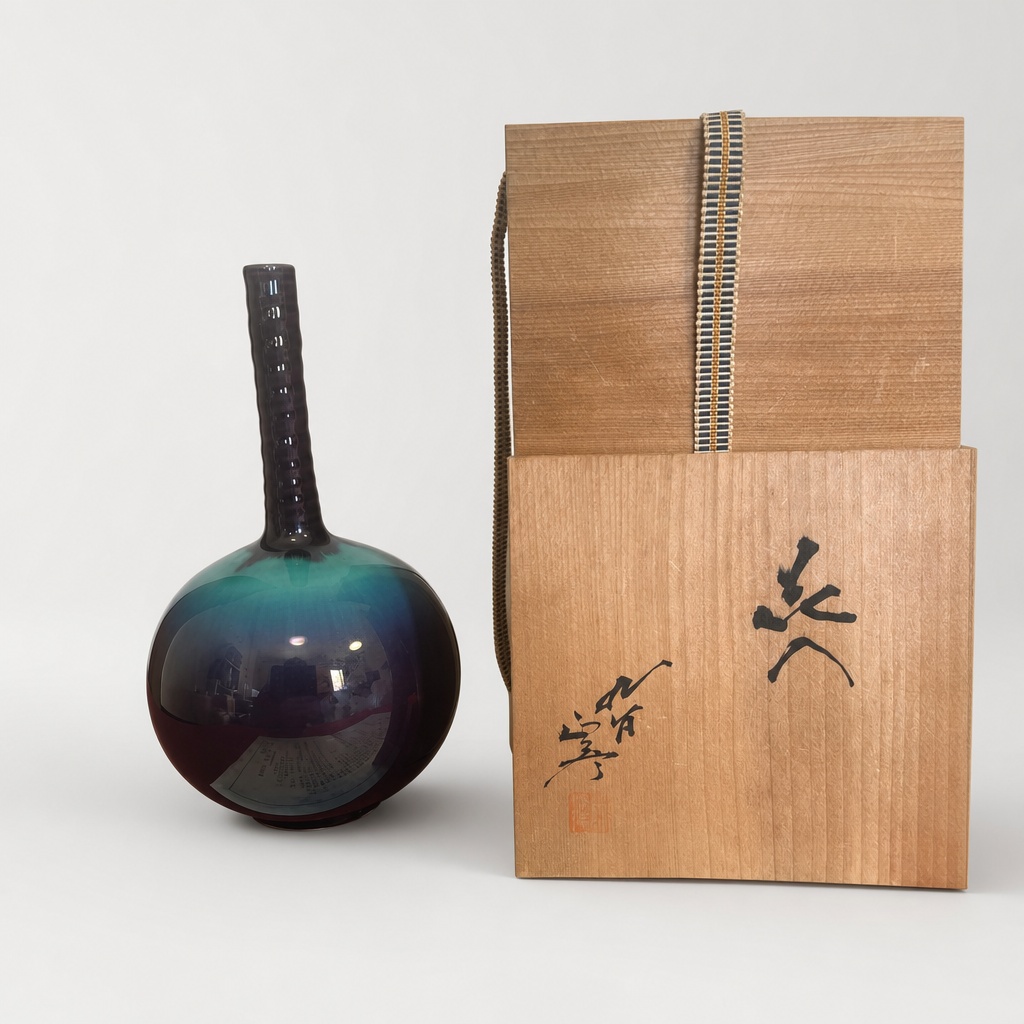
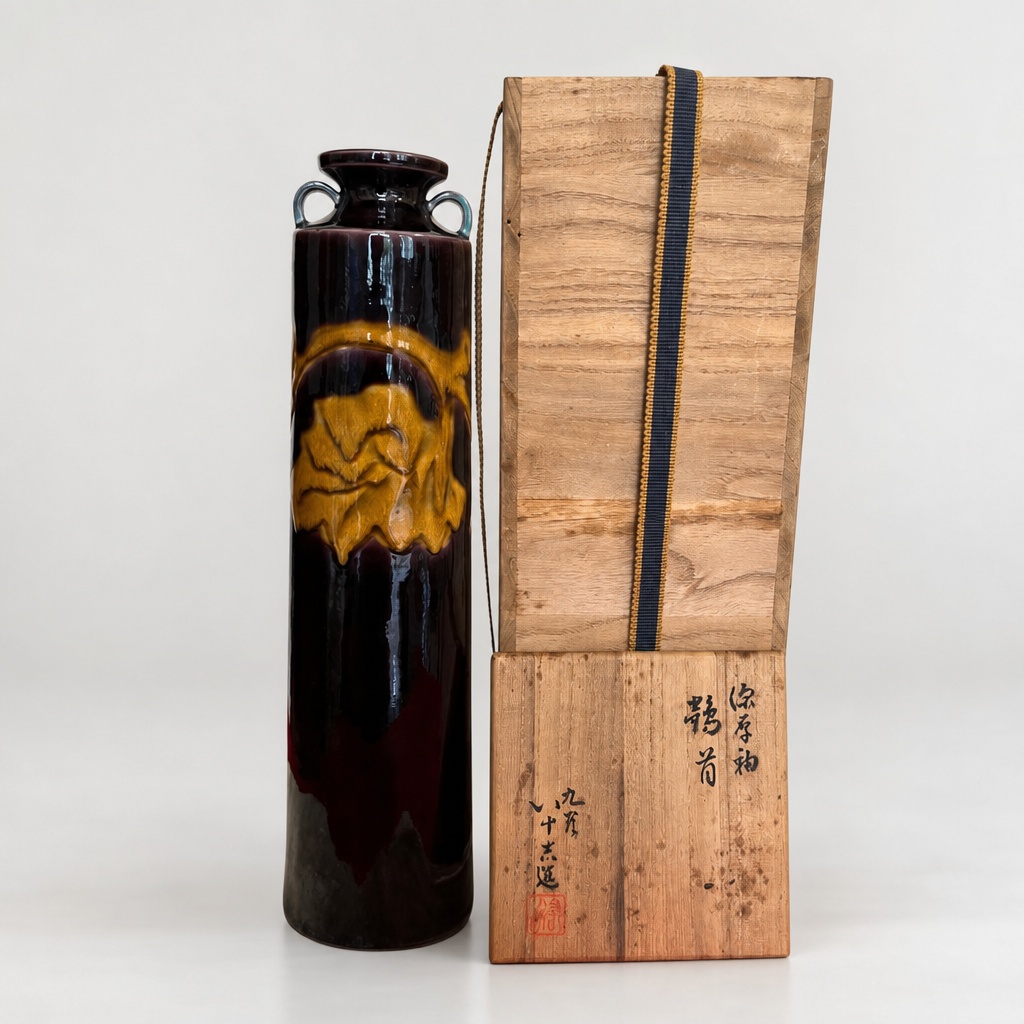
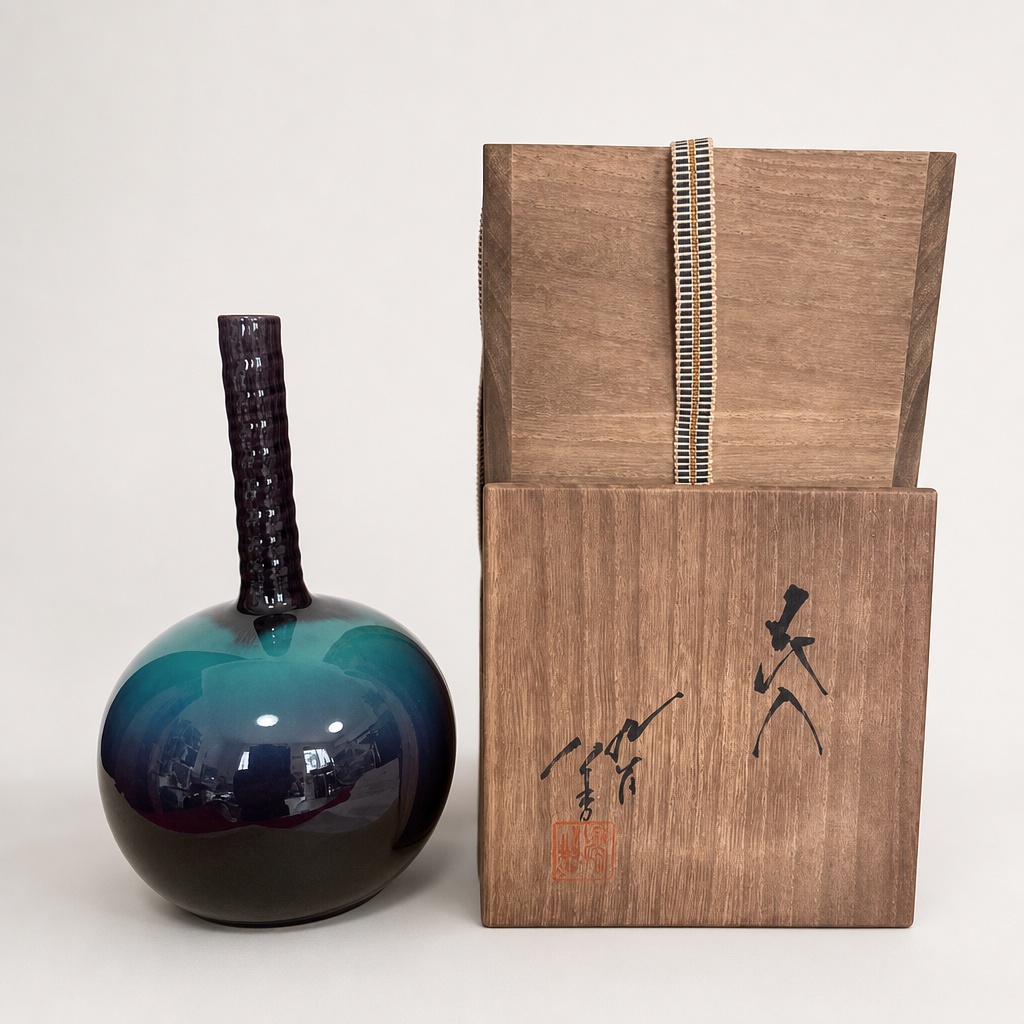
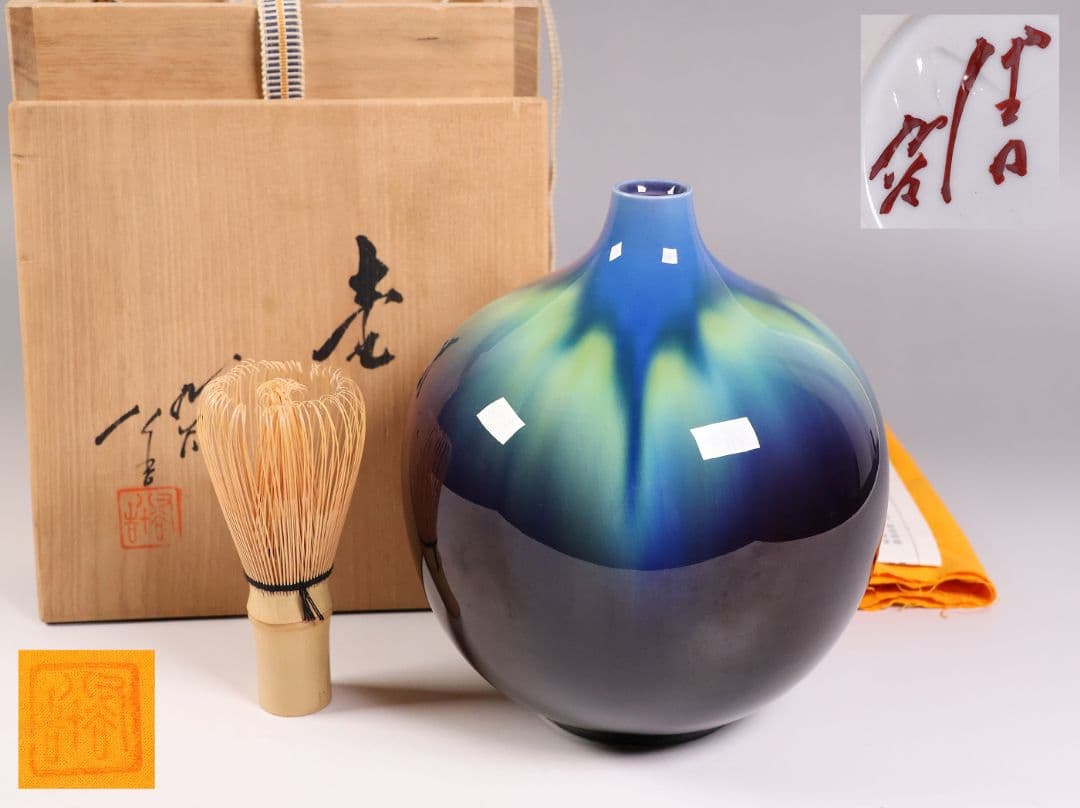
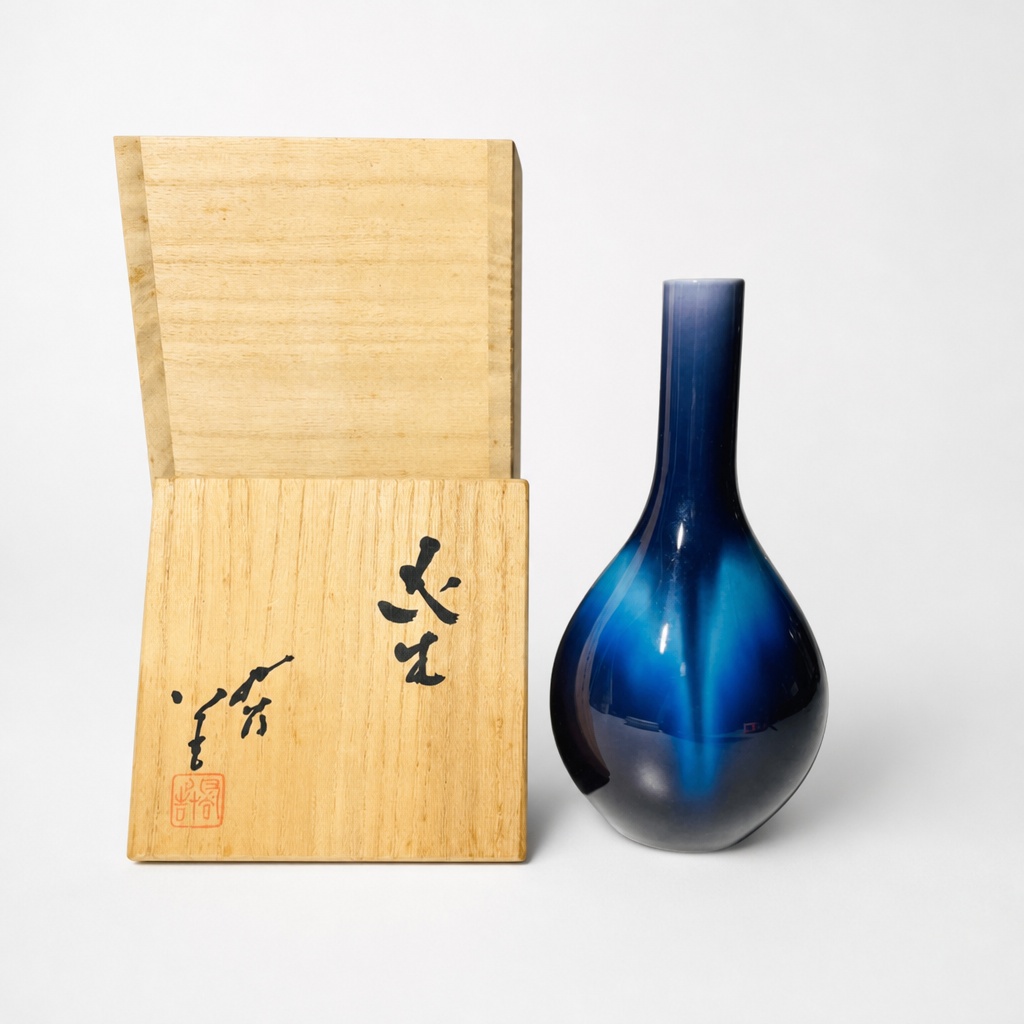
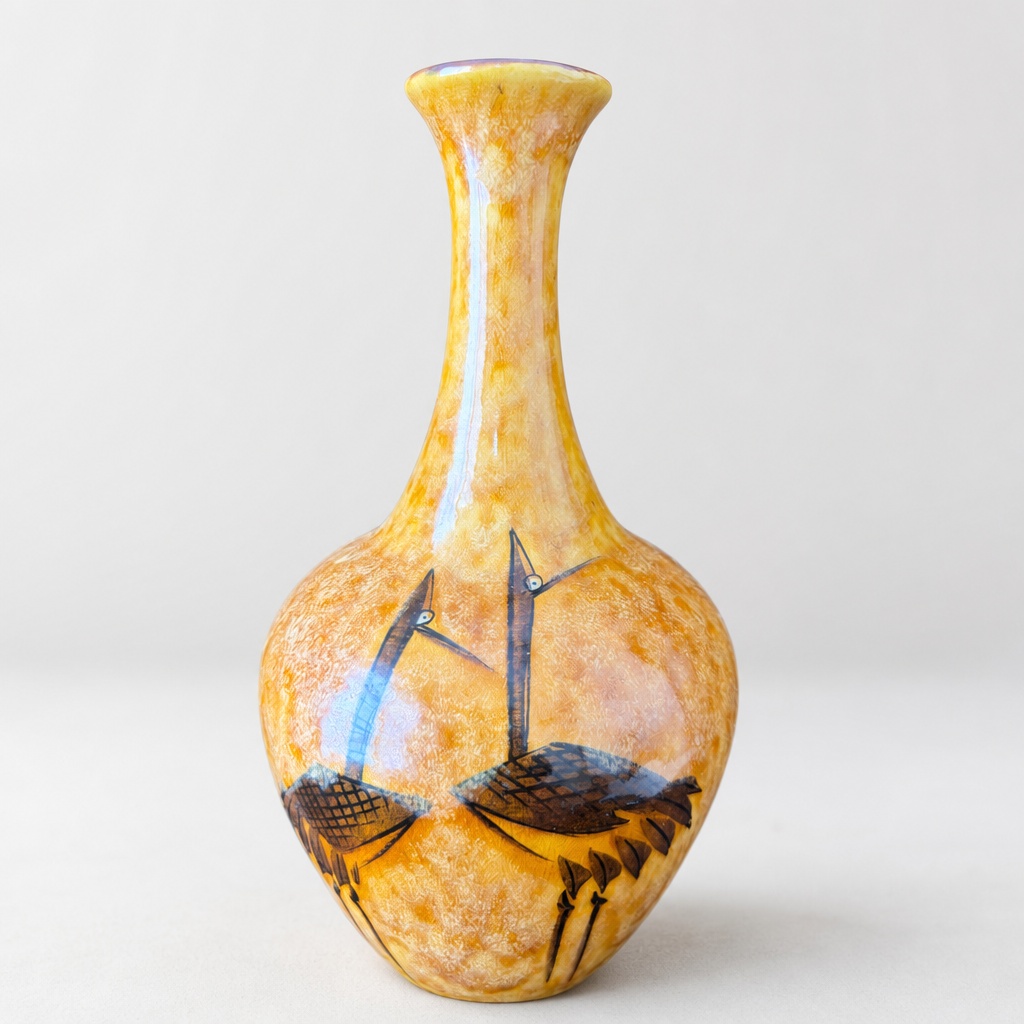
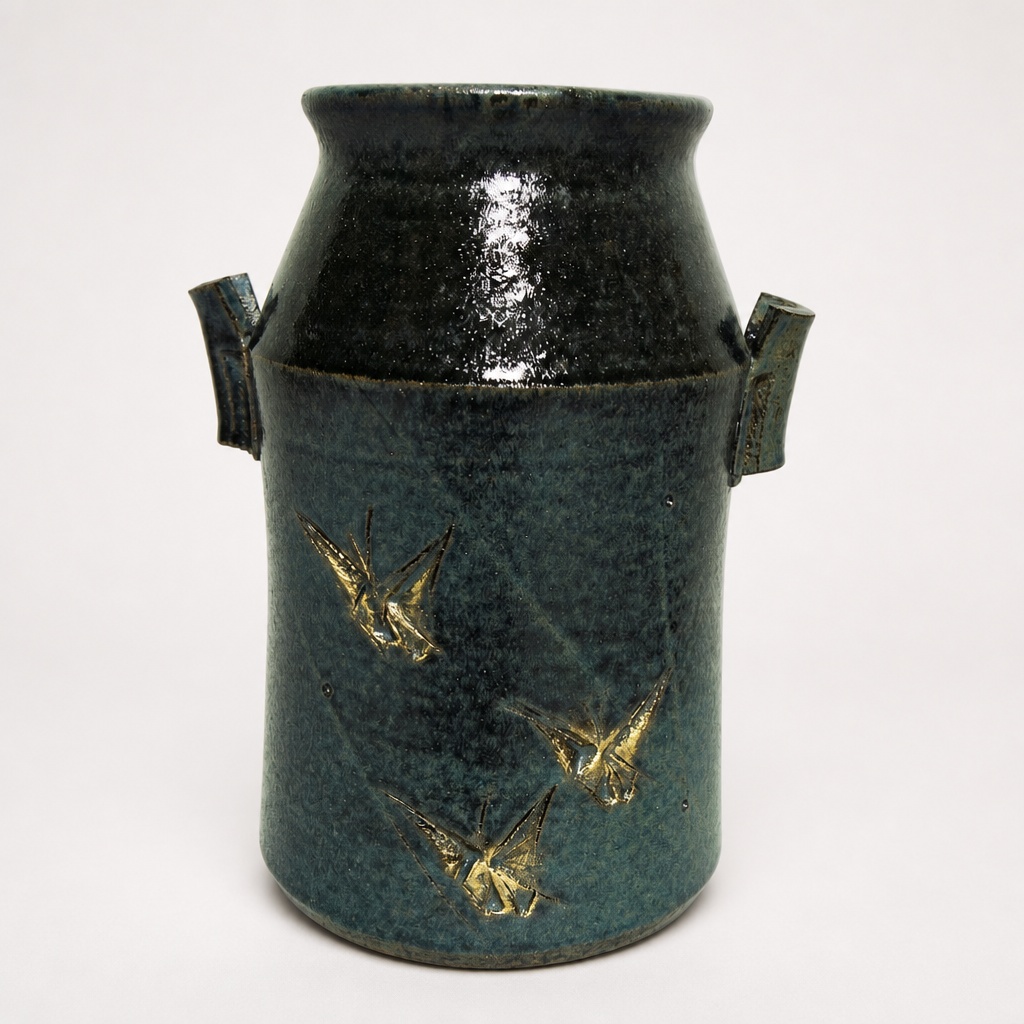
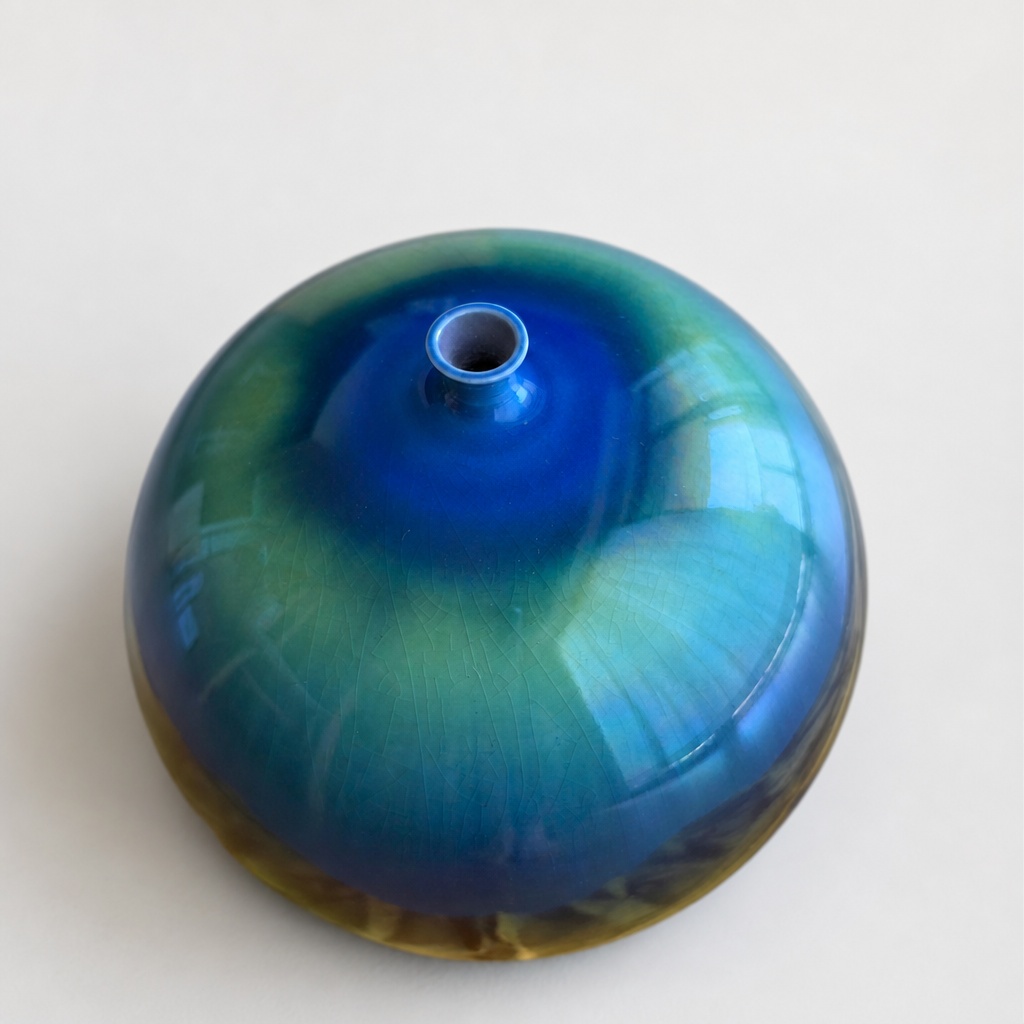
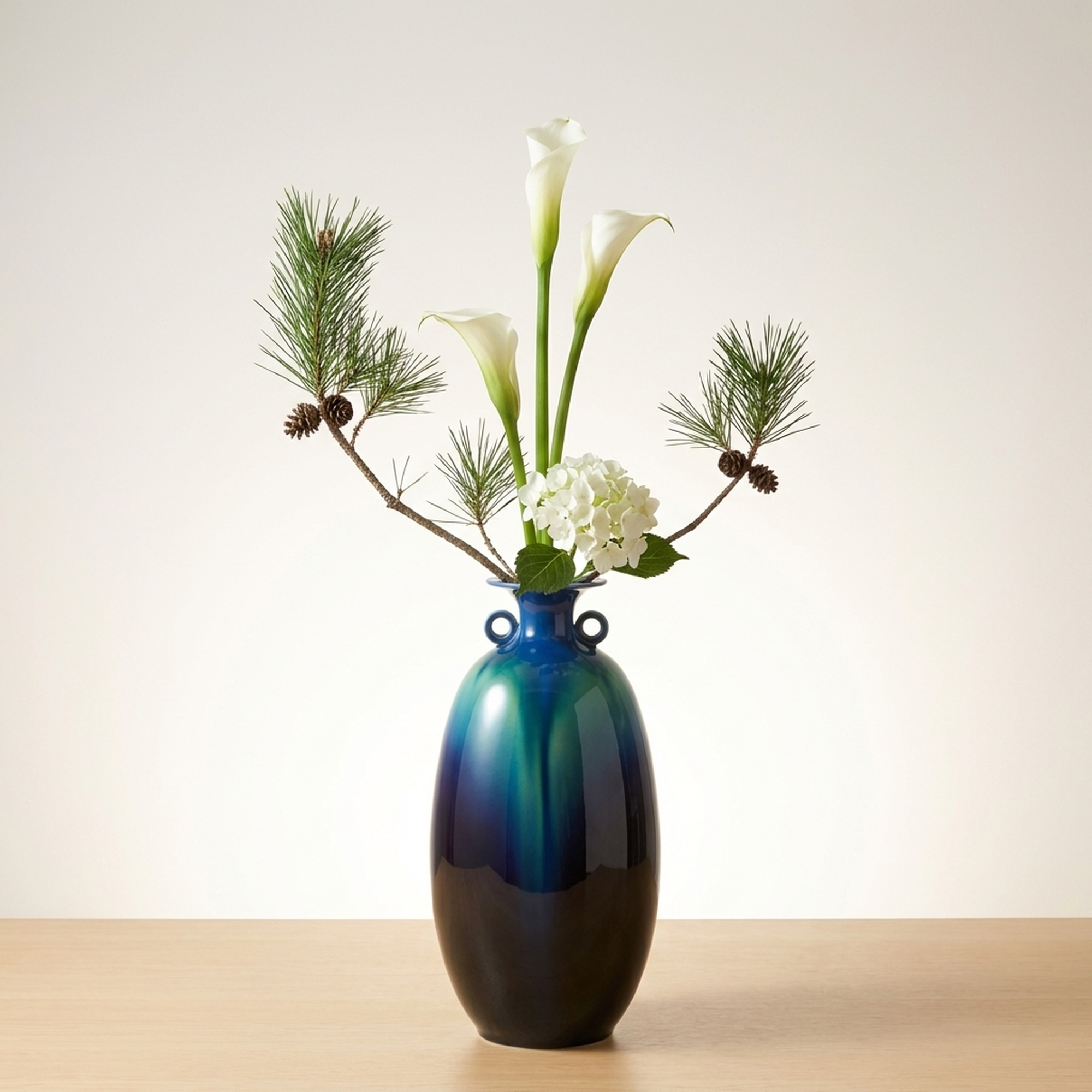
Thick, glassy overglaze enamels in green, yellow, purple and deep blue that sit slightly raised on the surface; dense all-over painting with gold and red on Meiji-era export pieces; painted base marks, often including the characters 九谷 (Kutani).
- Traditional Craft designated by METI (1975)
- Japan Heritage: Komatsu story includes Kutani ware sites