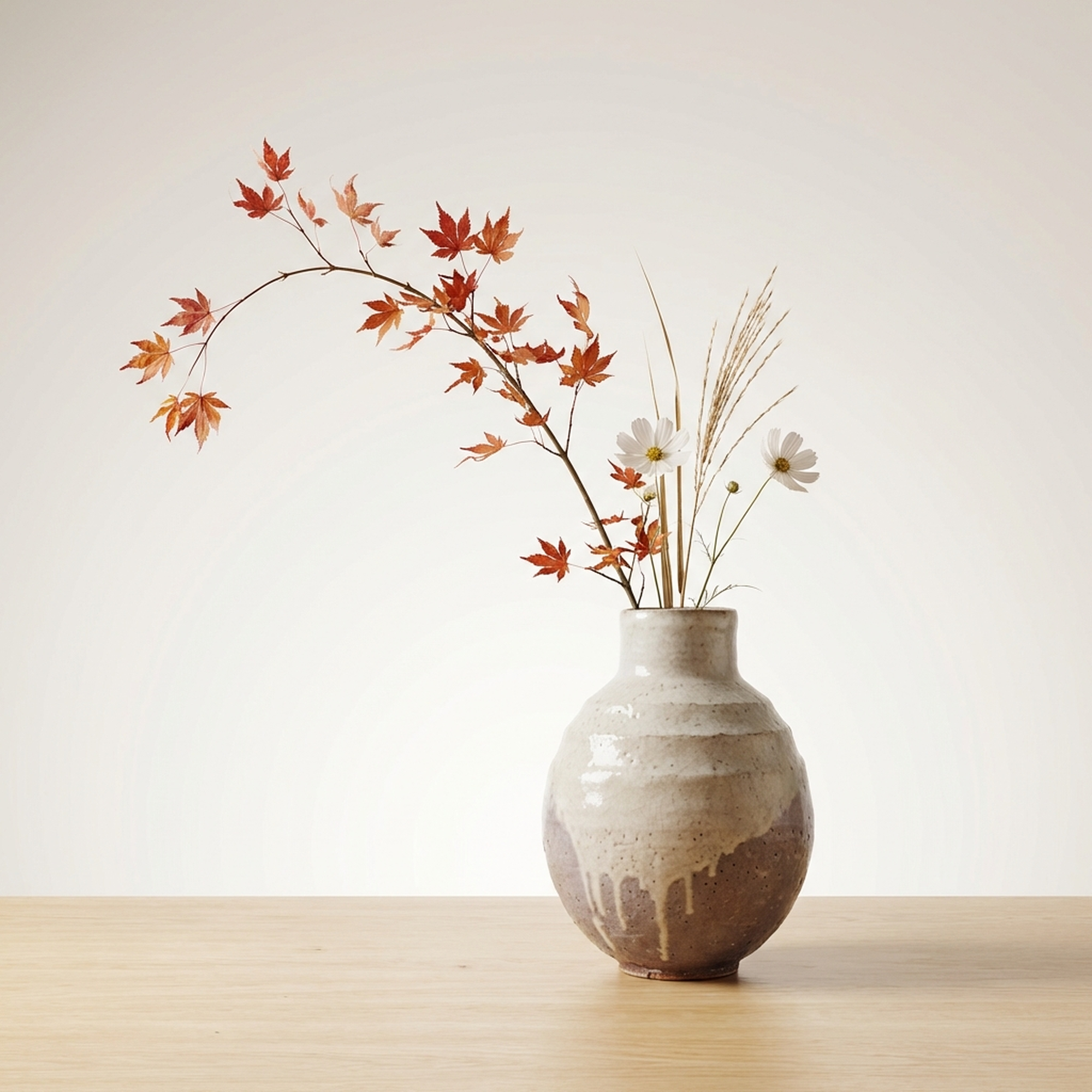
萩焼
Hagi ware
Yamaguchi · Early Edo period (1604)
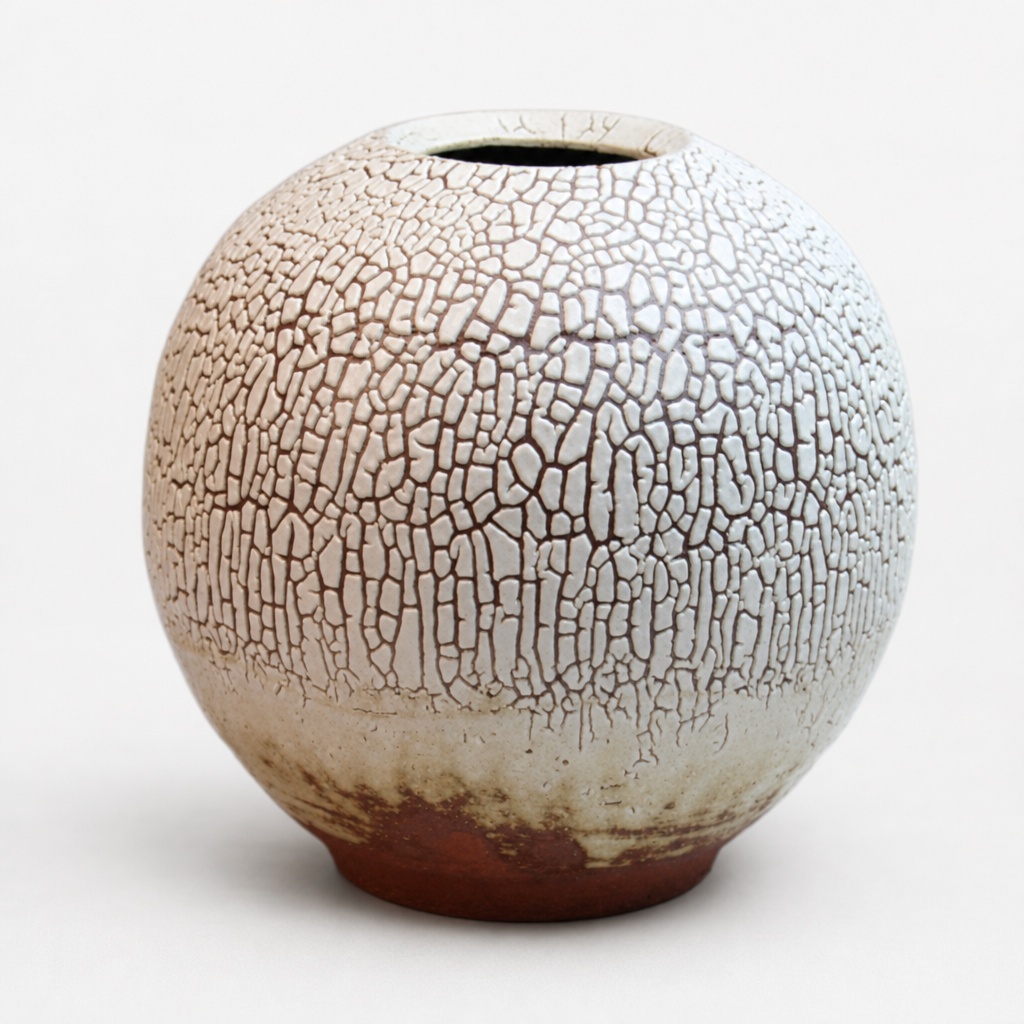
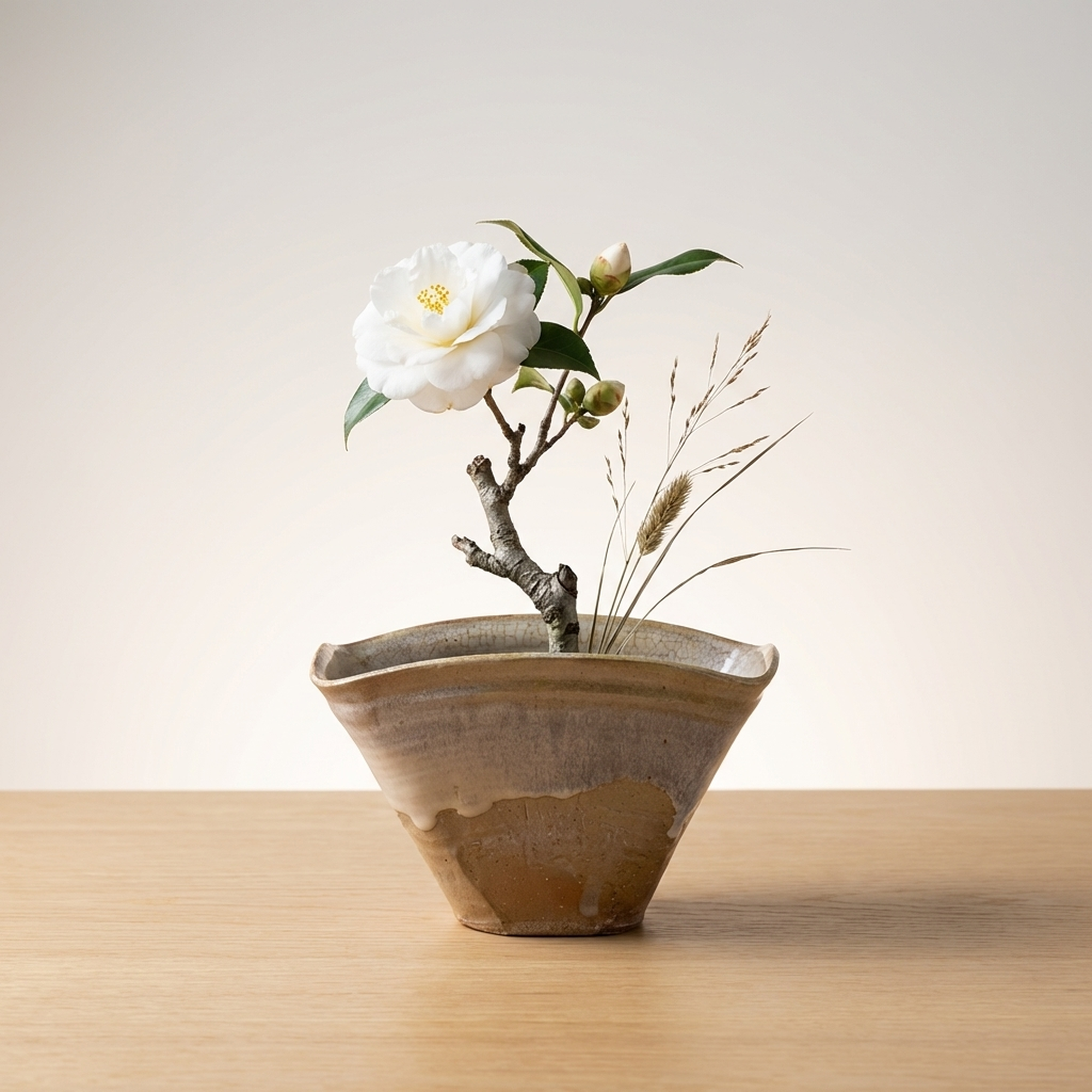
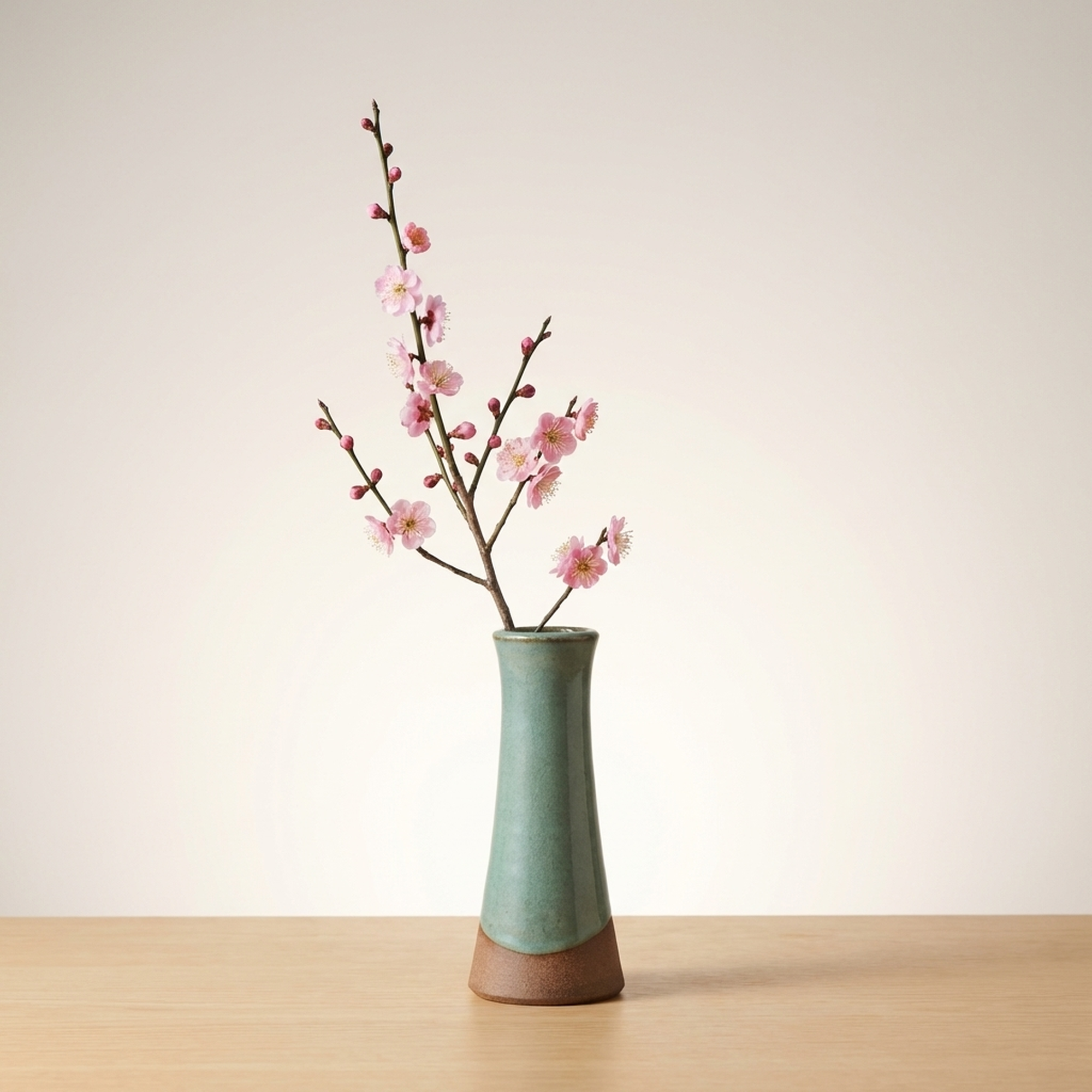
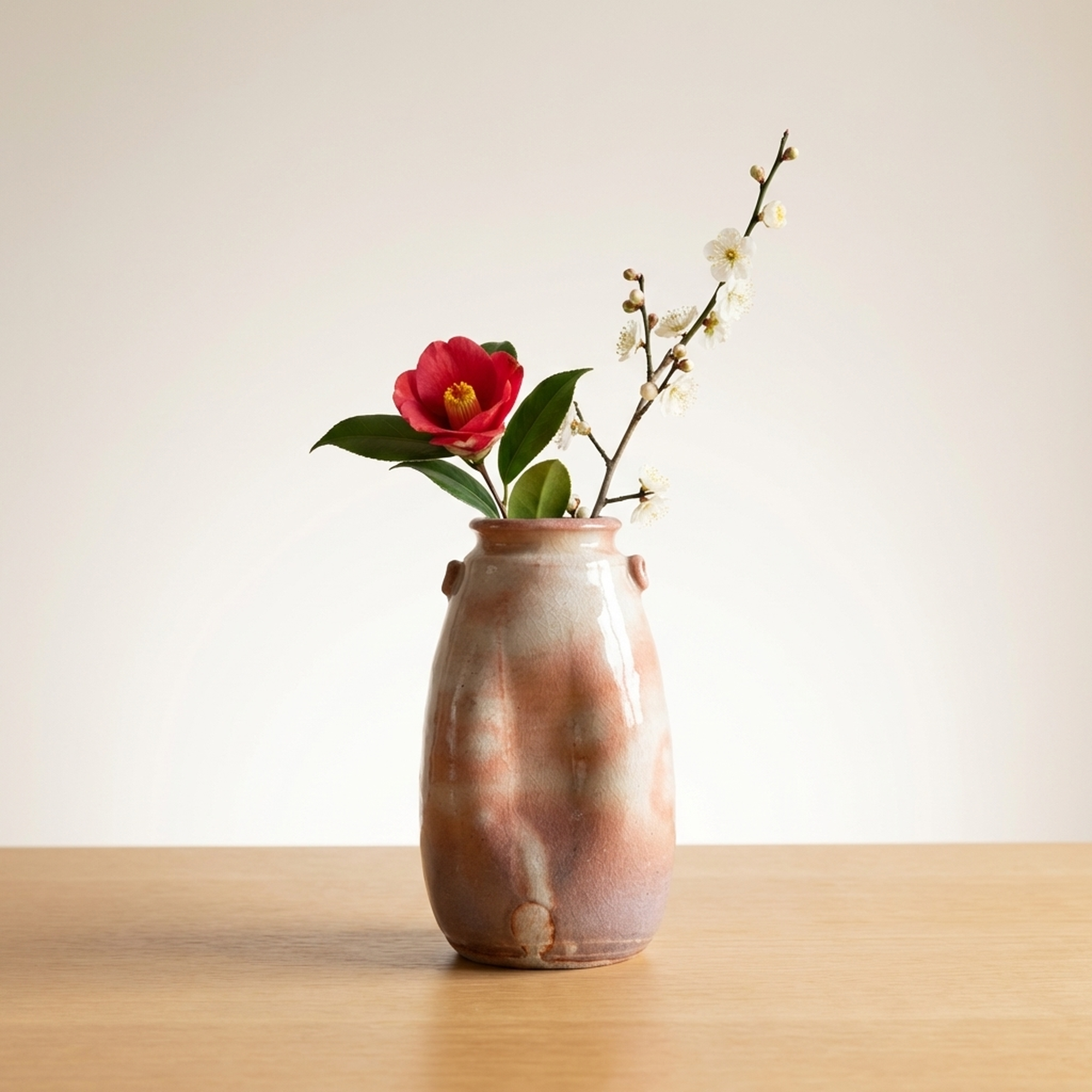
Soft, absorbent tea ware from Hagi, Yamaguchi, founded by Korean potters and known for its pale glazes that change colour with use.
Hagi ware began in 1604, when Mōri Terumoto, lord of the Hagi domain, had a kiln set up in the castle town of Hagi. The kiln was run by the Korean potter brothers Yi Jak-gwang (Ri Shakkō) and Yi Kyeong (Ri Kei), whose families later became the Saka line of Hagi potters. Hagi was an official domain kiln that made tea ceramics. The ware is fired at relatively low temperatures and is softer and more absorbent than many other stonewares. A well-known saying ranks it among the most admired tea bowls: 'first Raku, second Hagi, third Karatsu'. In the twentieth century two potters of the Miwa family were recognised as Living National Treasures: Miwa Kyūwa (10th Kyūsetsu) in 1970 and Miwa Jusetsu (11th Kyūsetsu) in 1983.
Lera och bränning
Local clays fired at relatively low stoneware temperatures with pale feldspathic glazes; fine crazing in the glaze allows tea to seep in, so the colour changes gradually over years of use (the 'seven transformations', nana-bake).
Hur man identifierar Hagi ware
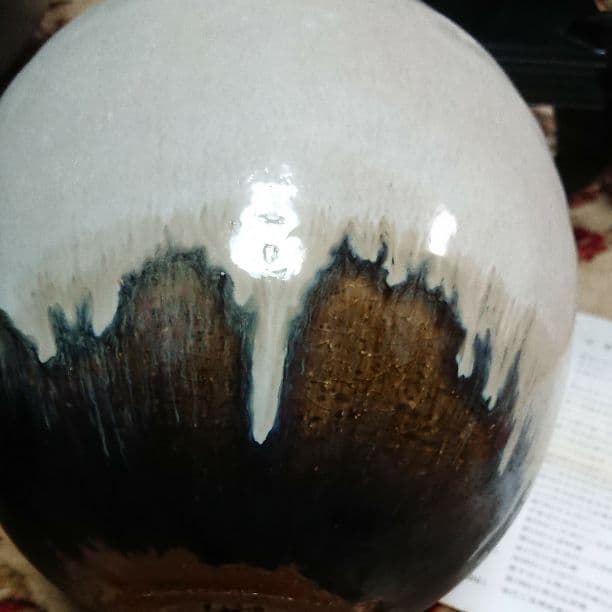
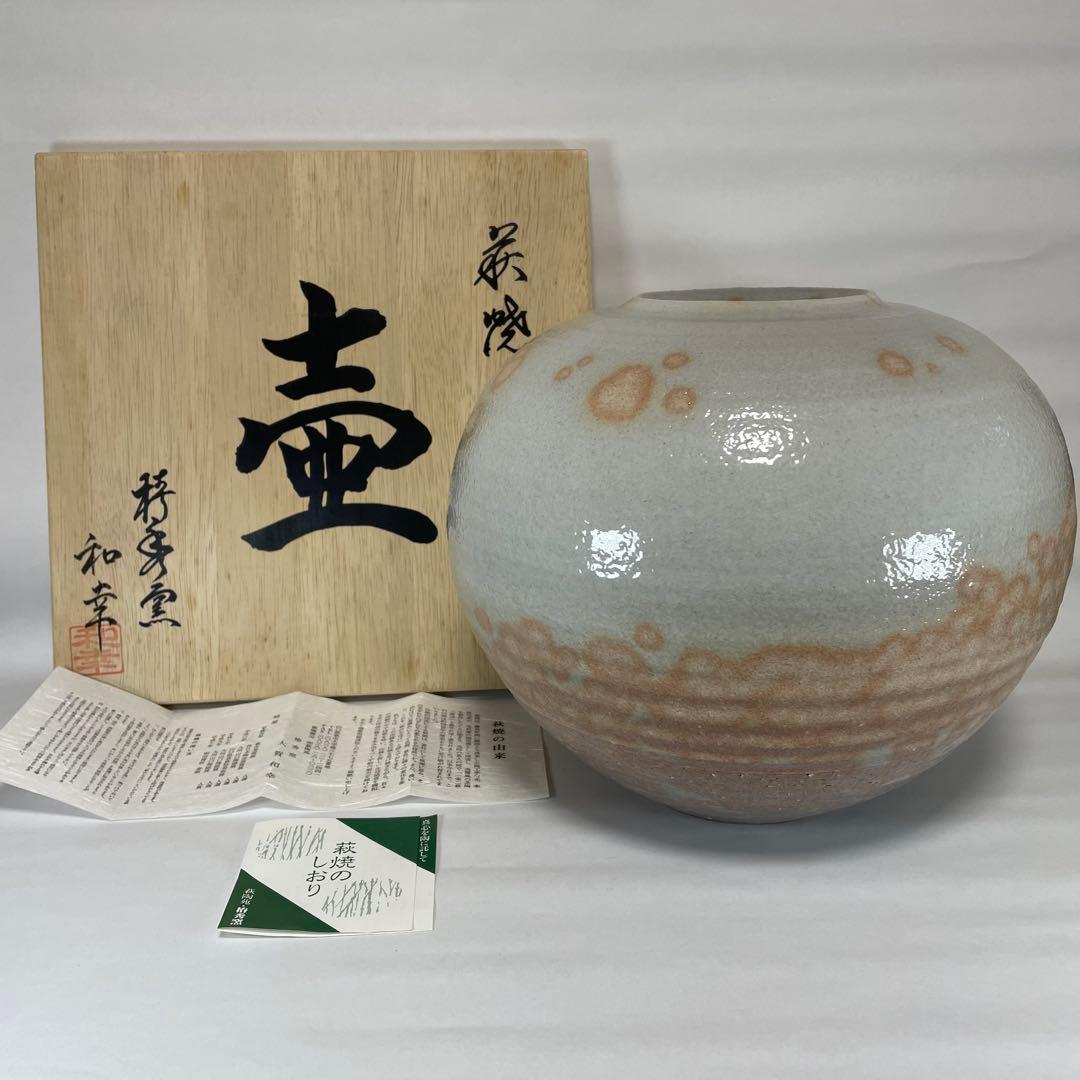
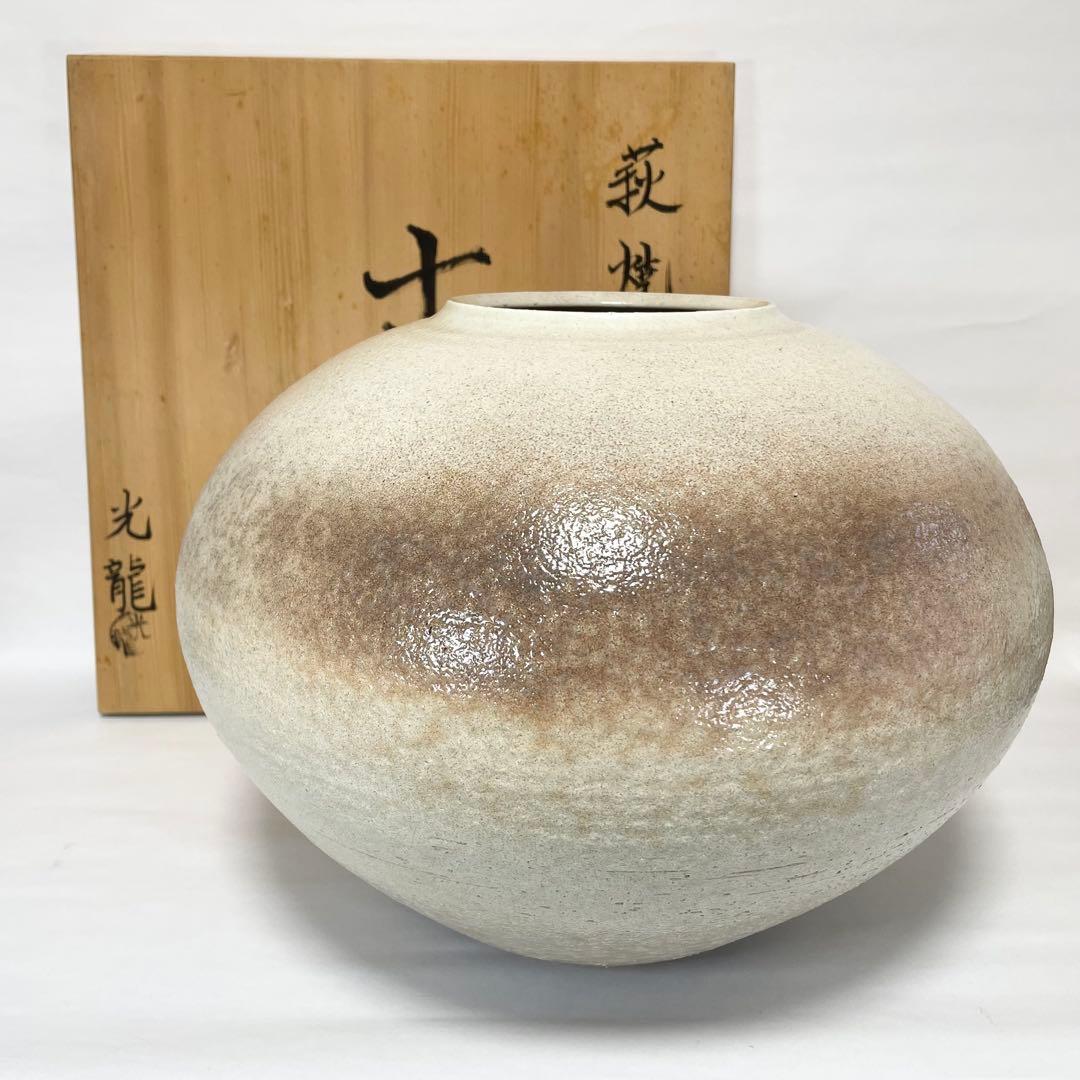
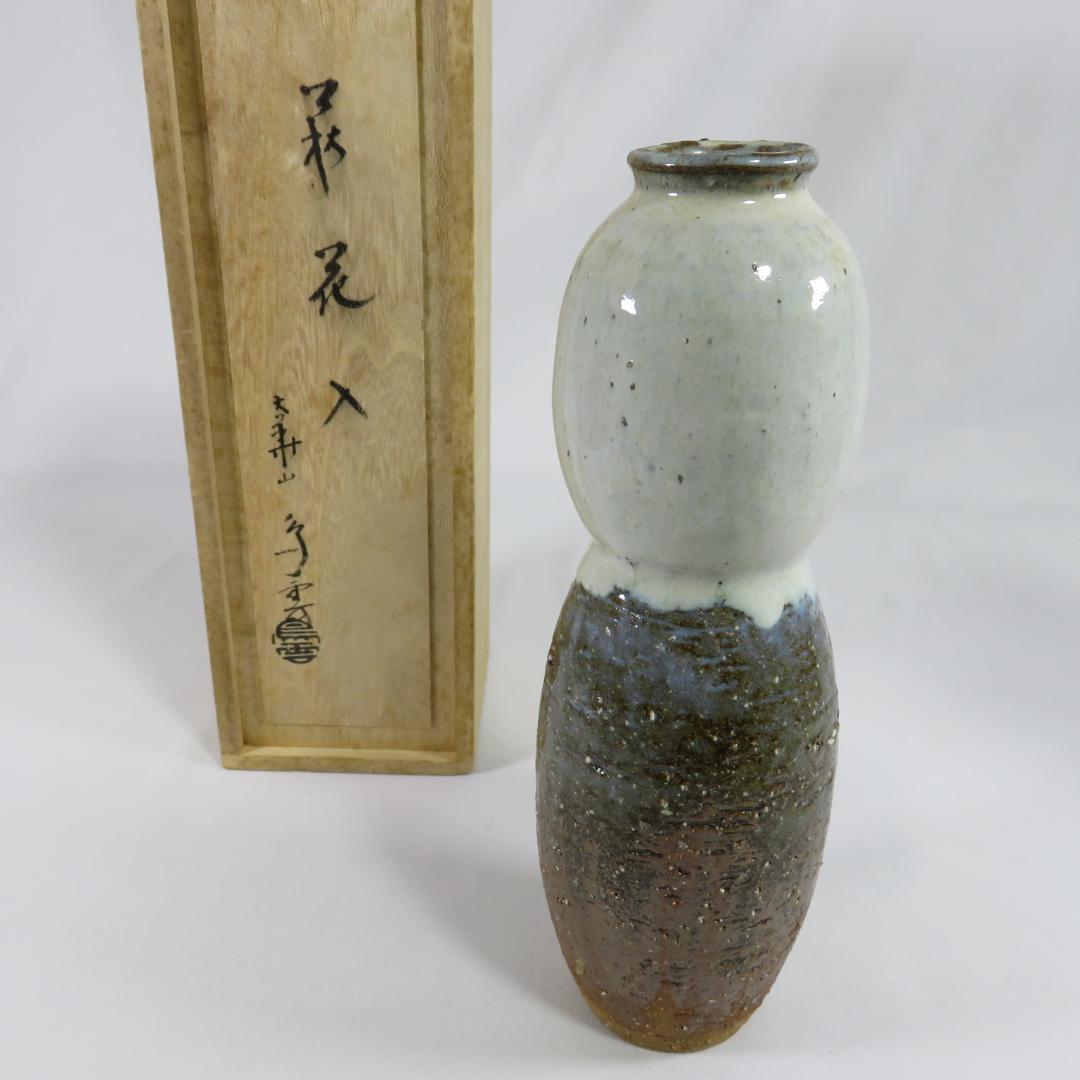
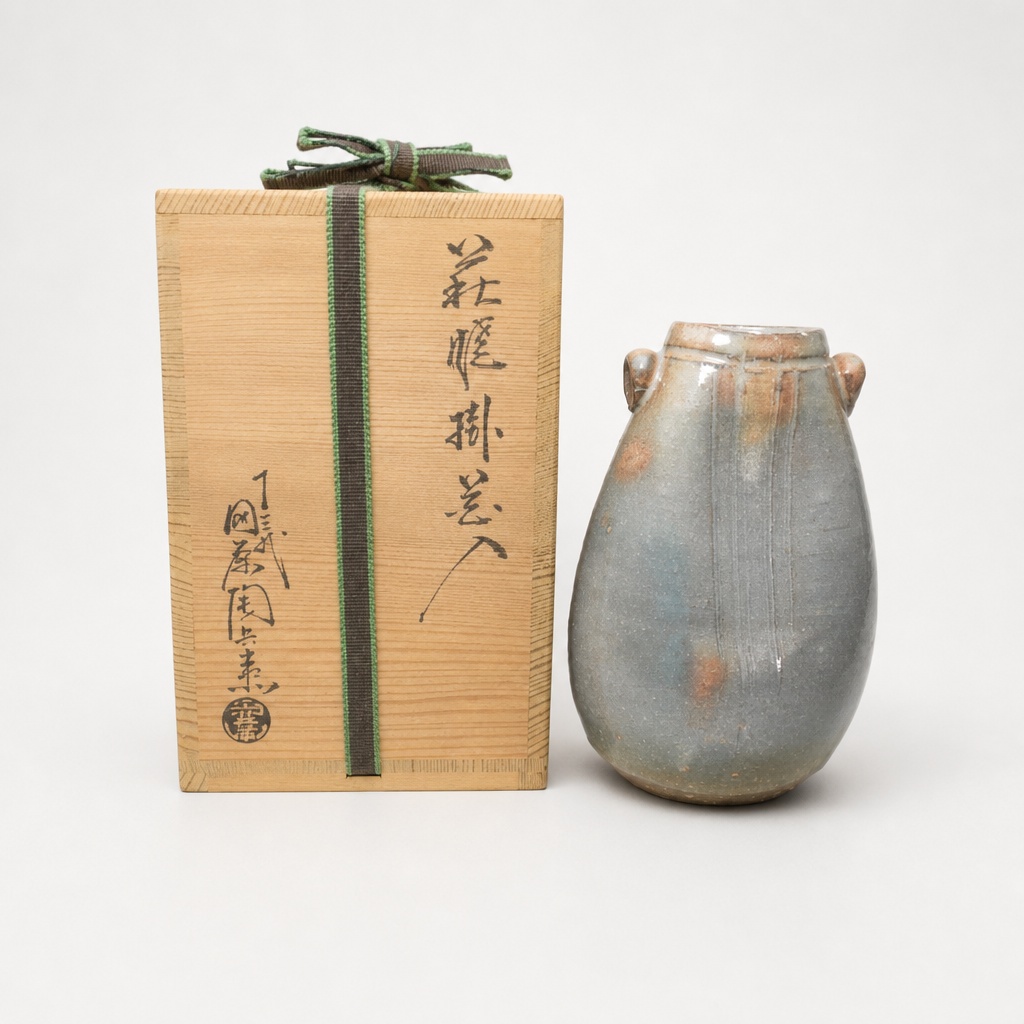
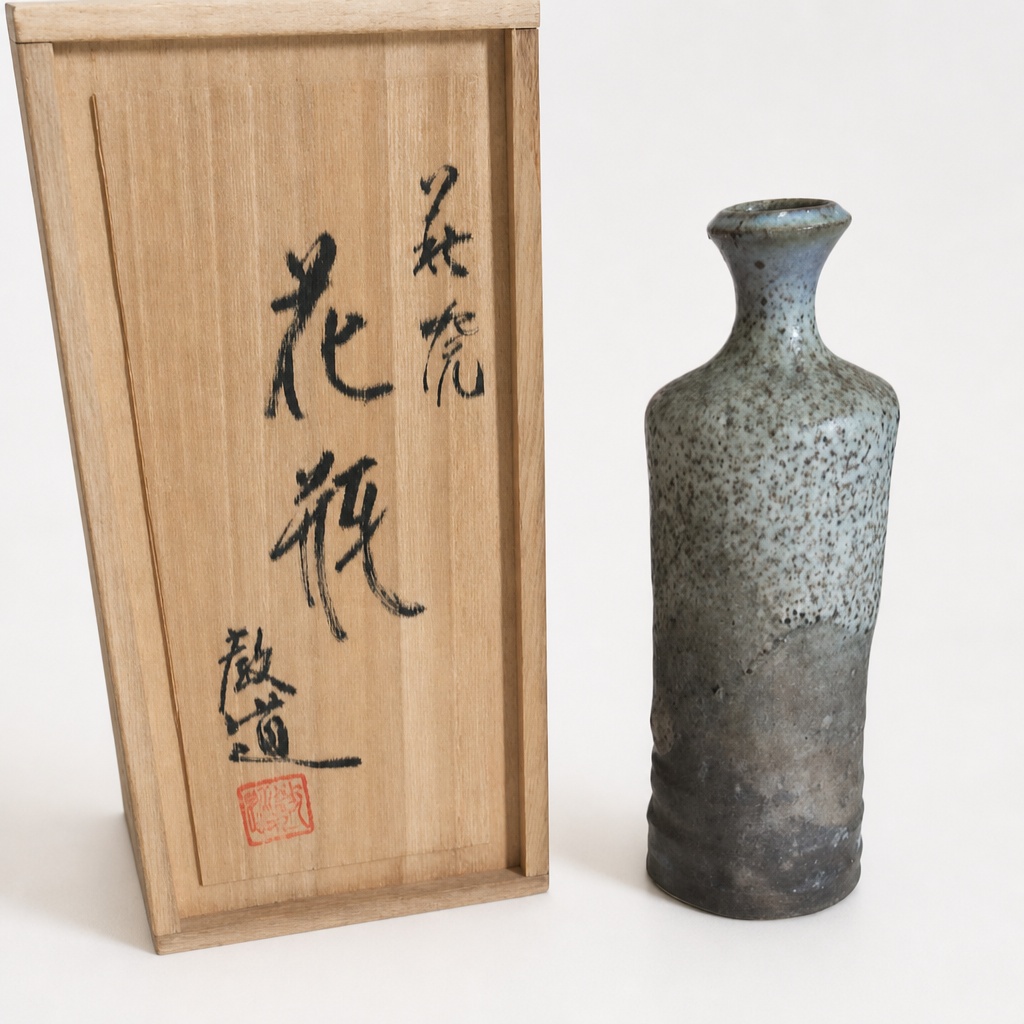
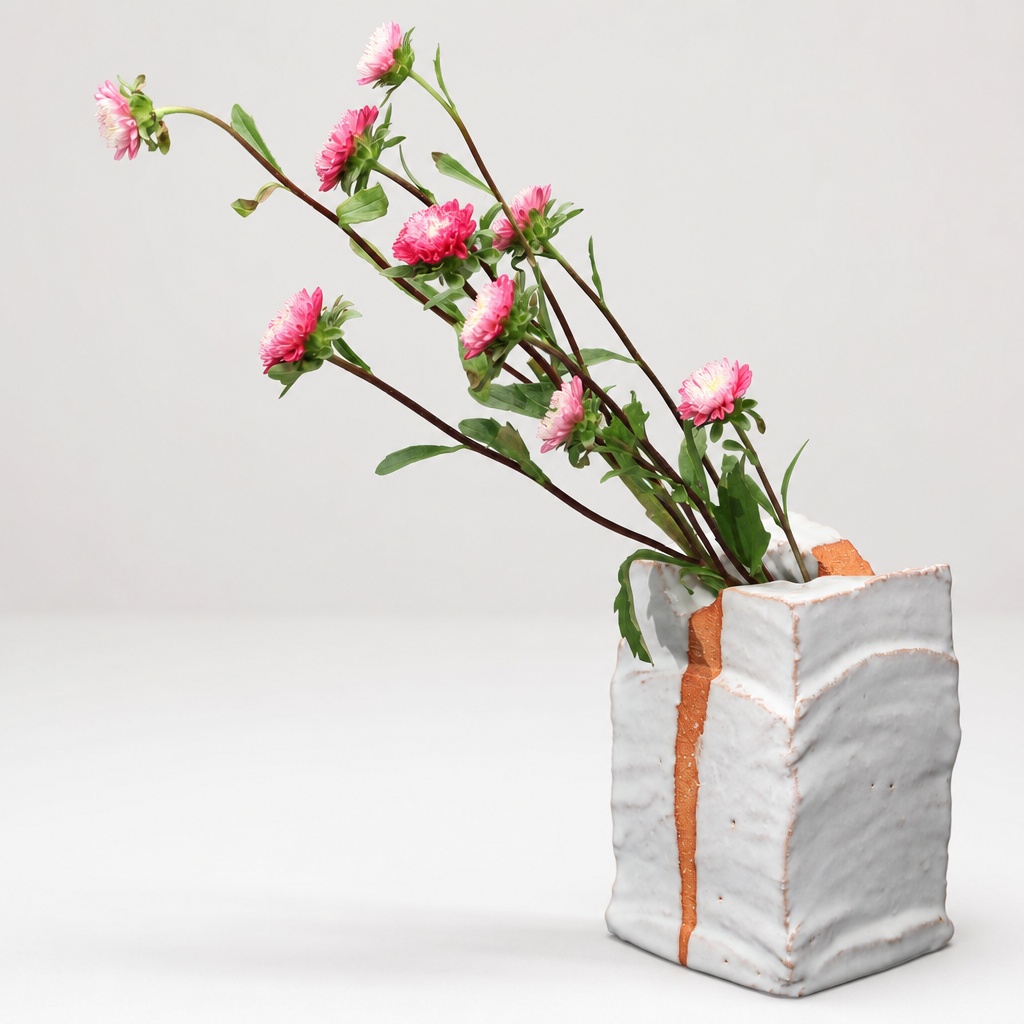
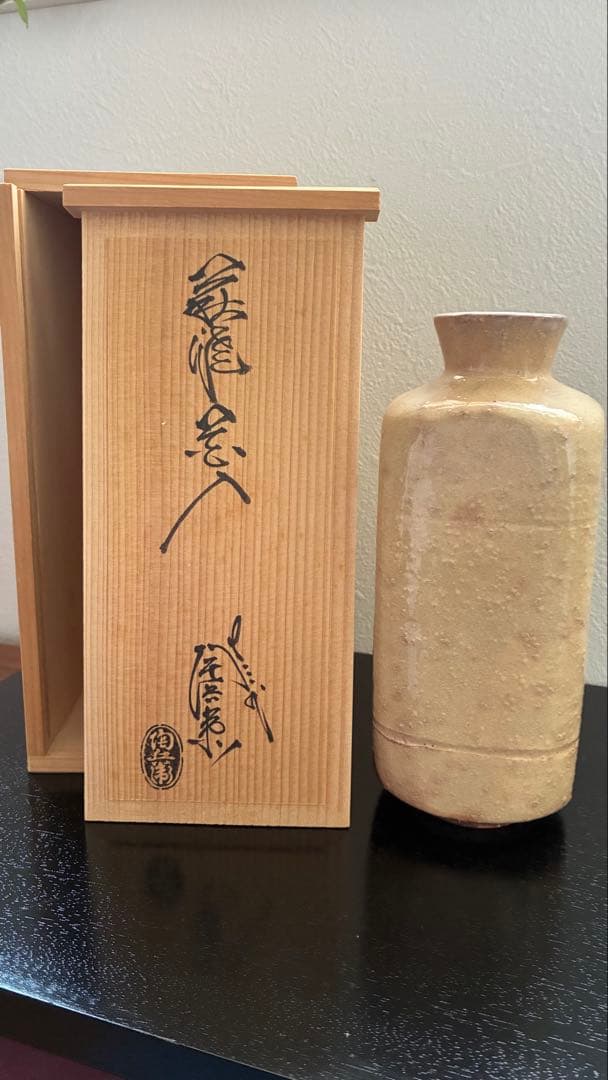
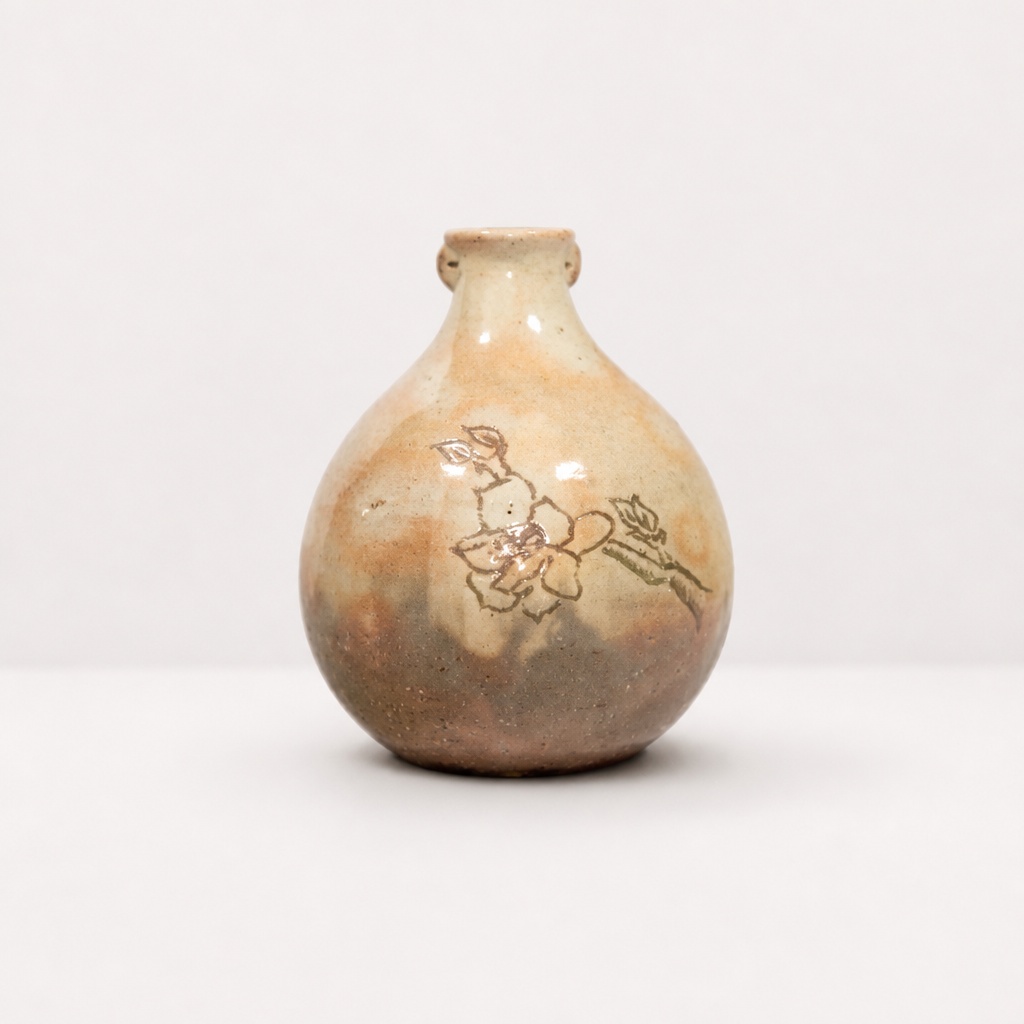
Soft pale glazes in pinkish, cream or loquat-orange tones, or thick white 'shiro-Hagi' glaze; fine crackle (kannyū) in the glaze, often stained darker on used pieces; simple, lightly decorated forms that show the colour of the clay, often with a notched foot ring (kiri-kōdai) on tea bowls.
- Traditional Craft designated by METI (2002)