高取焼
Takatori ware
Fukuoka · Early Edo period (traditionally 1600)
Refined tea ware made for the Kuroda domain of Fukuoka, founded by a Korean potter and ranked among Kobori Enshū's 'seven kilns'.
Takatori ware is traditionally dated to 1600, when the Korean potter Hachizan (also known as Hachizō Shigesada), who had been brought to Japan by Kuroda Nagamasa after the invasions of Korea, began firing at the foot of Mount Takatori in present-day Nogata. The early 'Ko-Takatori' wares are bold, Oribe-like pieces. The kilns became official kilns of the Fukuoka domain and moved several times. Under the influence of the tea master Kobori Enshū they produced more refined, elegant tea wares known as 'Enshū Takatori', and Takatori is counted among the Enshū Seven Kilns. A later branch worked at Koishiwara in present-day Tōhō village, and in 1708 the family was also called to Fukuoka. Kilns continue today in Fukuoka City, Nogata, Chikushino, Tōhō and Soeda.
Lera och bränning
Fine, thinly potted stoneware with many layered and overlapping glazes, including Takatori yellow, black (majiro) and other named glazes.
Hur man identifierar Takatori ware
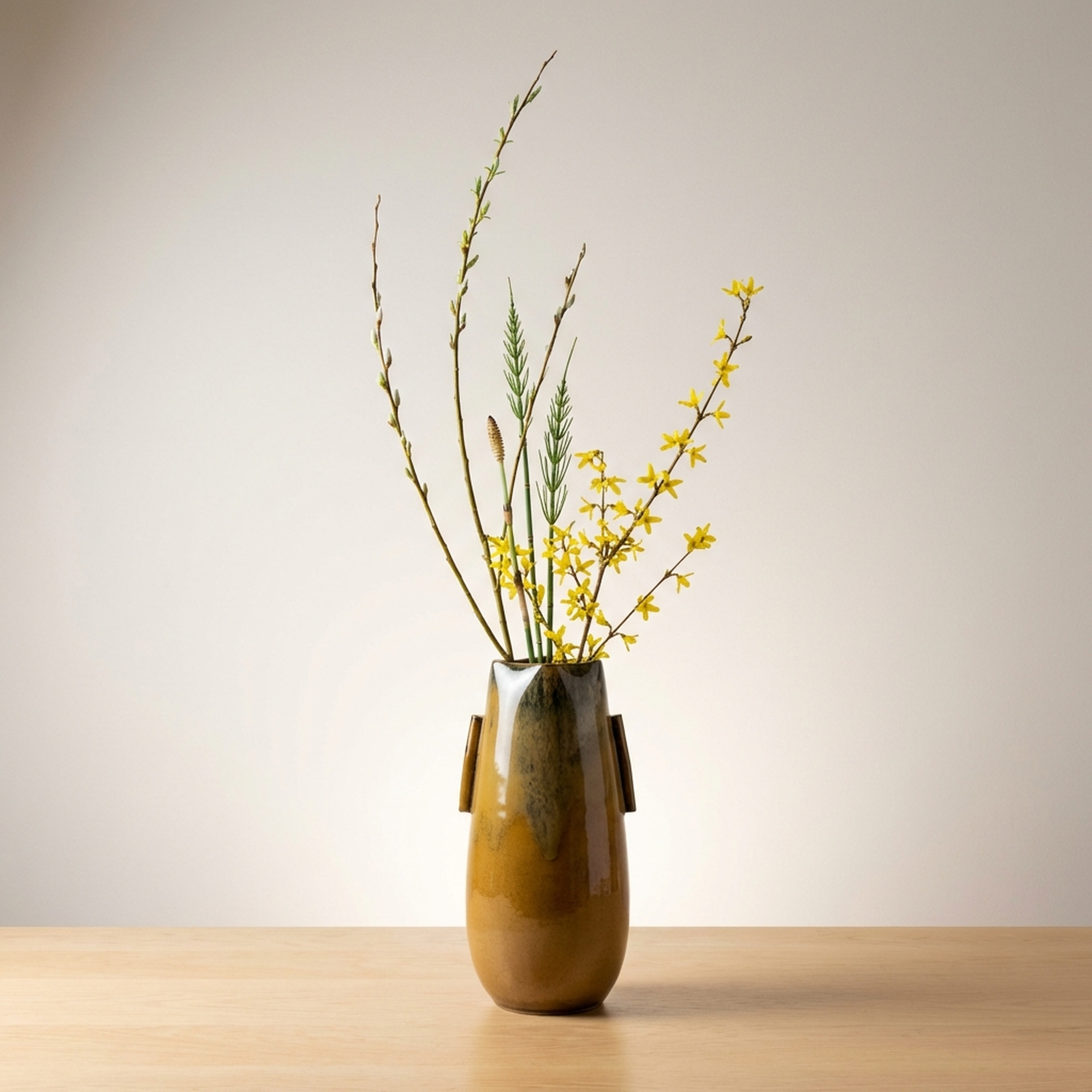
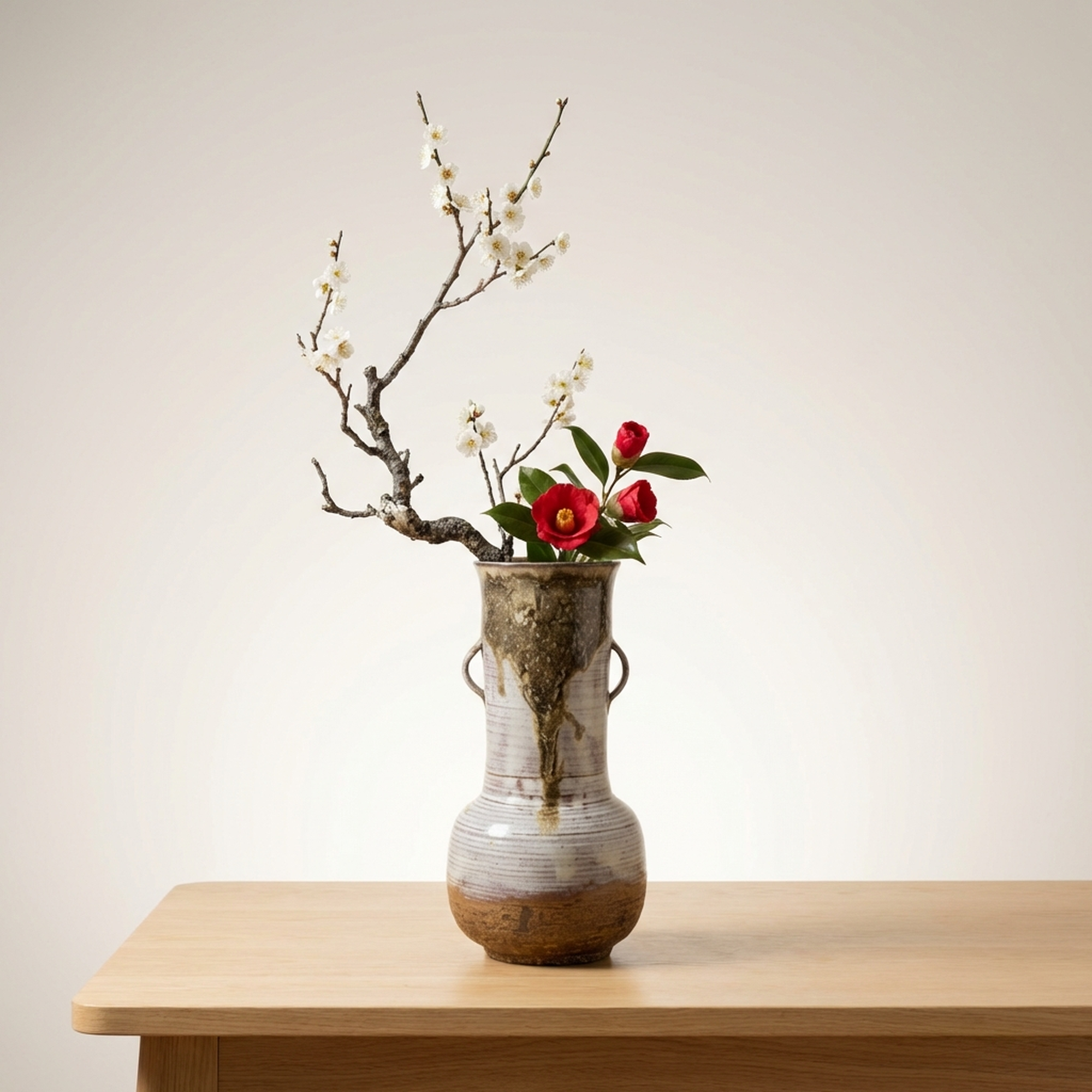
Thin, light, carefully finished tea wares (tea caddies, water jars, tea bowls); several glazes layered or running over each other in amber, brown, black and straw-yellow tones; restrained, elegant shapes in the 'Enshū' taste.
- One of the Enshū Seven Kilns (traditional tea-world grouping associated with Kobori Enshū; not a government designation)