高岡銅器
Takaoka copperware (bronze casting)
Toyama · Early Edo period (1611)
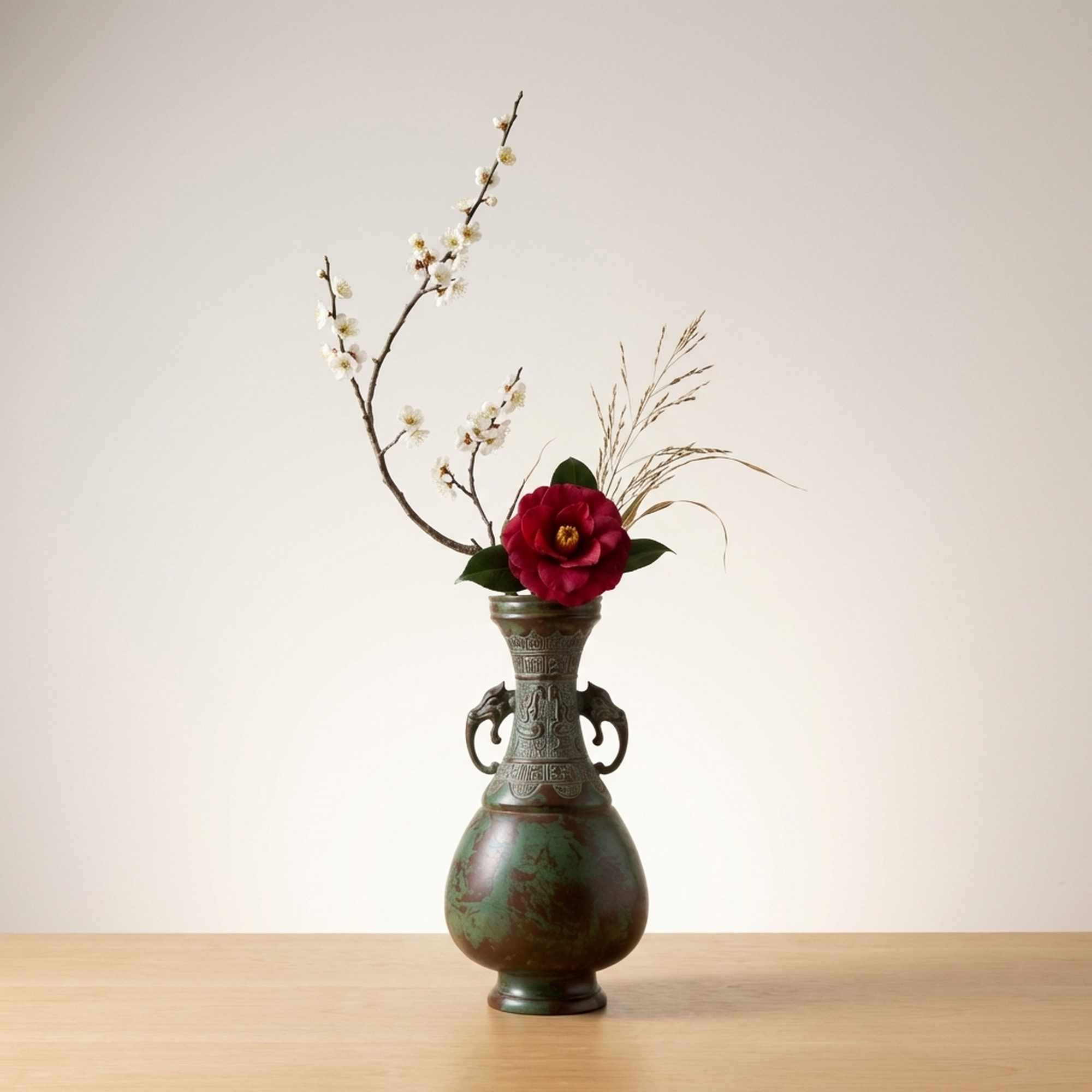
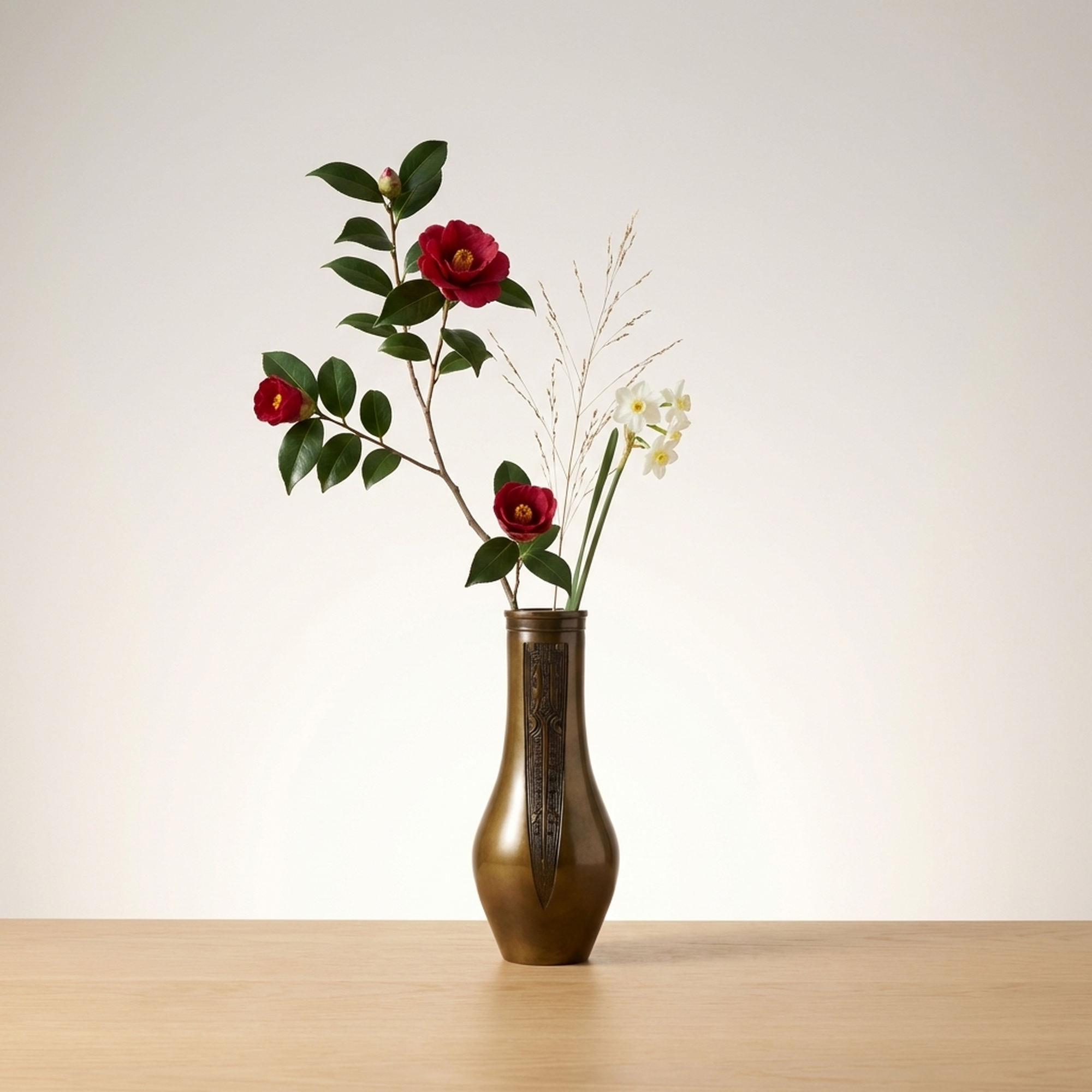
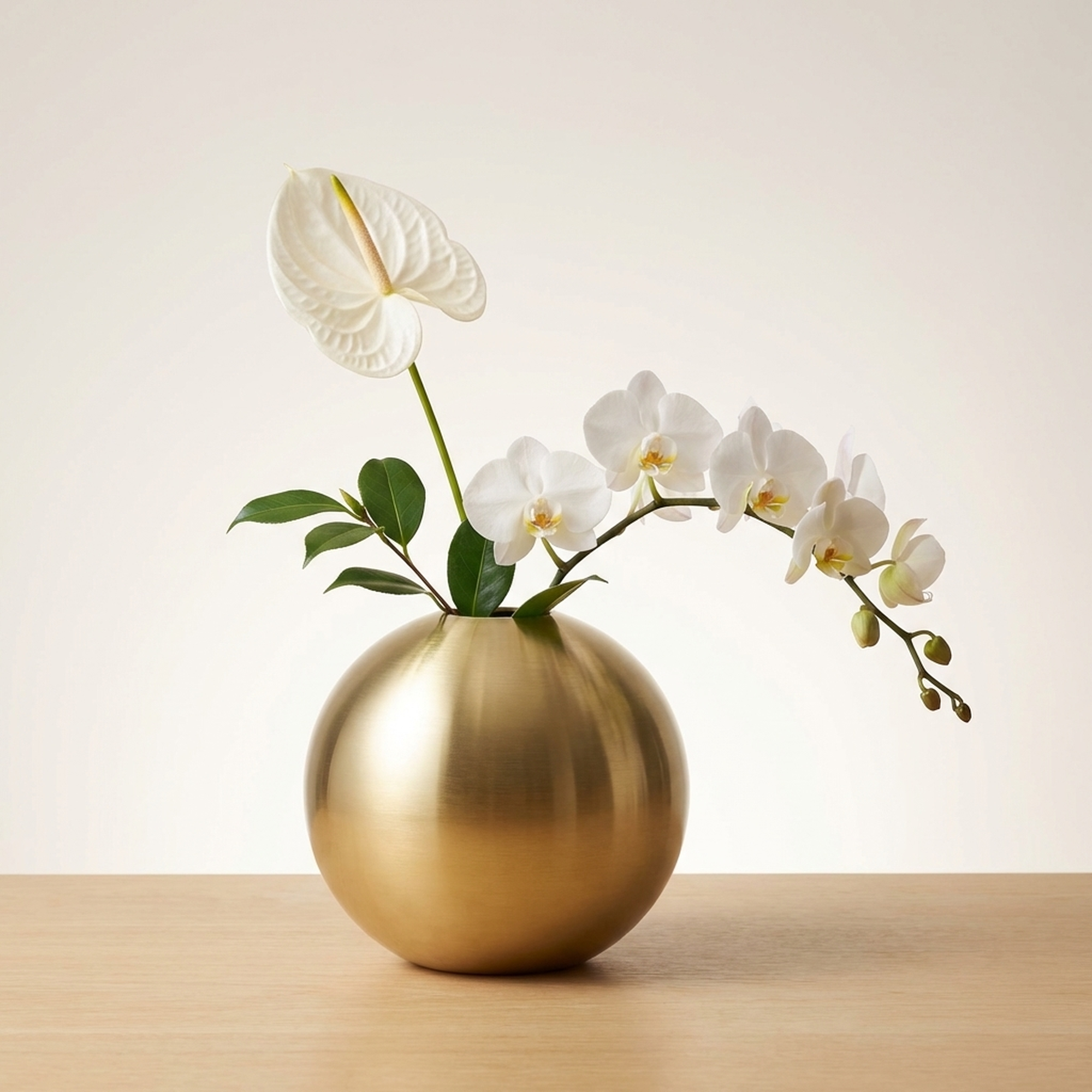
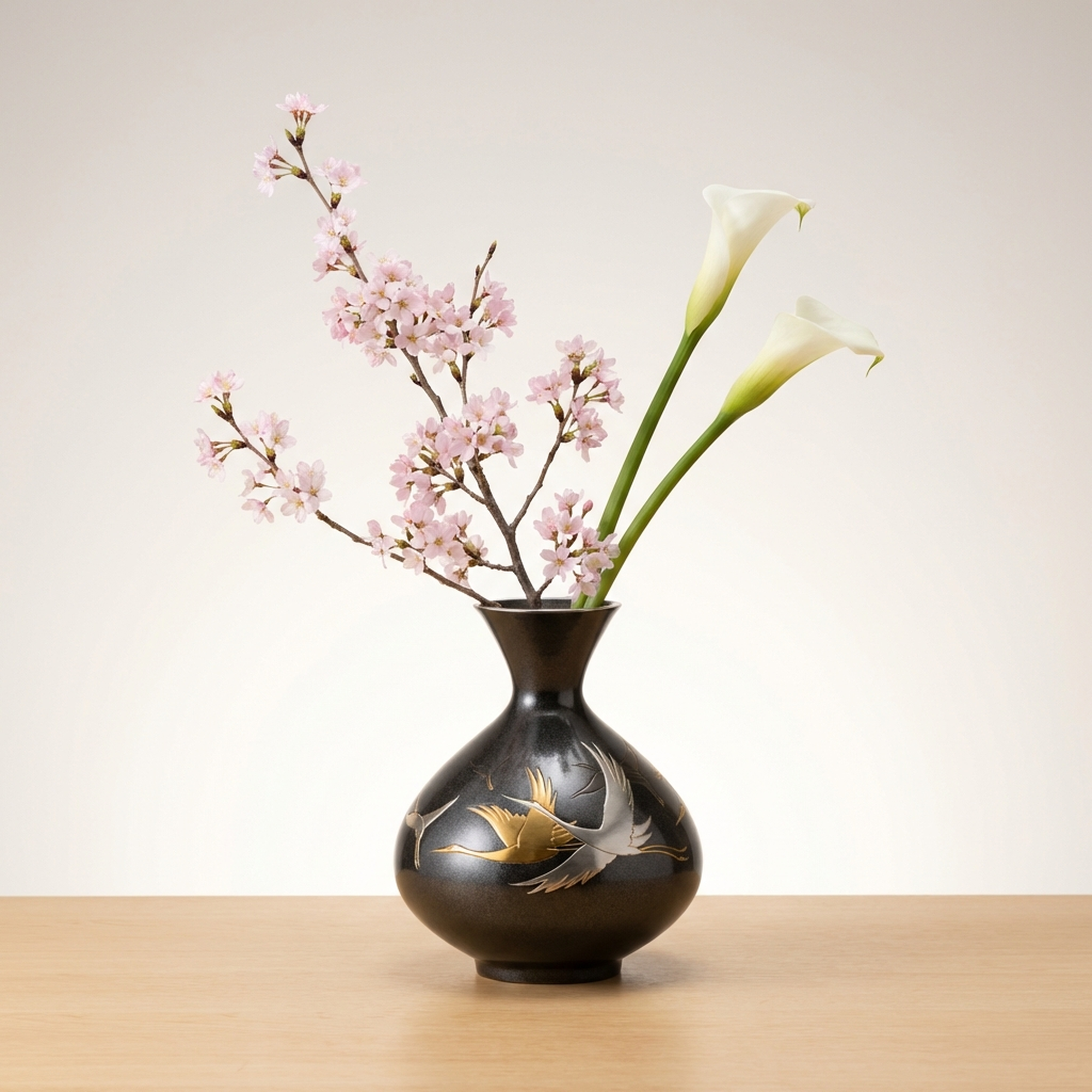
Cast copper and bronze from Takaoka, Toyama, including vases, incense burners and temple bells, made since the town's founding in the early seventeenth century.
Takaoka was founded as a castle town in 1609 by Maeda Toshinaga, lord of the Kaga domain. To support the town's economy he invited a group of casters from Kanaya village in Tonami County, who settled in 1611 in what became Kanaya-machi, across the Senbo River from the castle town. They first made iron pots, kettles and farming tools, and later turned to copper and bronze objects. After the Meiji government banned the wearing of swords, metal craftsmen joined the trade and production shifted towards decorative art objects such as vases, incense burners and ornaments. Today Takaoka produces temple bells, Buddhist statues and fittings, sculptures and interior goods, and is the largest copperware casting centre in Japan. The old casting district of Kanaya-machi survives.
Lera och bränning
Cast copper alloys (bronze and brass) made with sand or wax-model casting, finished by polishing, chasing and inlay, and coloured with chemical patinas.
Hur man identifierar Takaoka copperware (bronze casting)
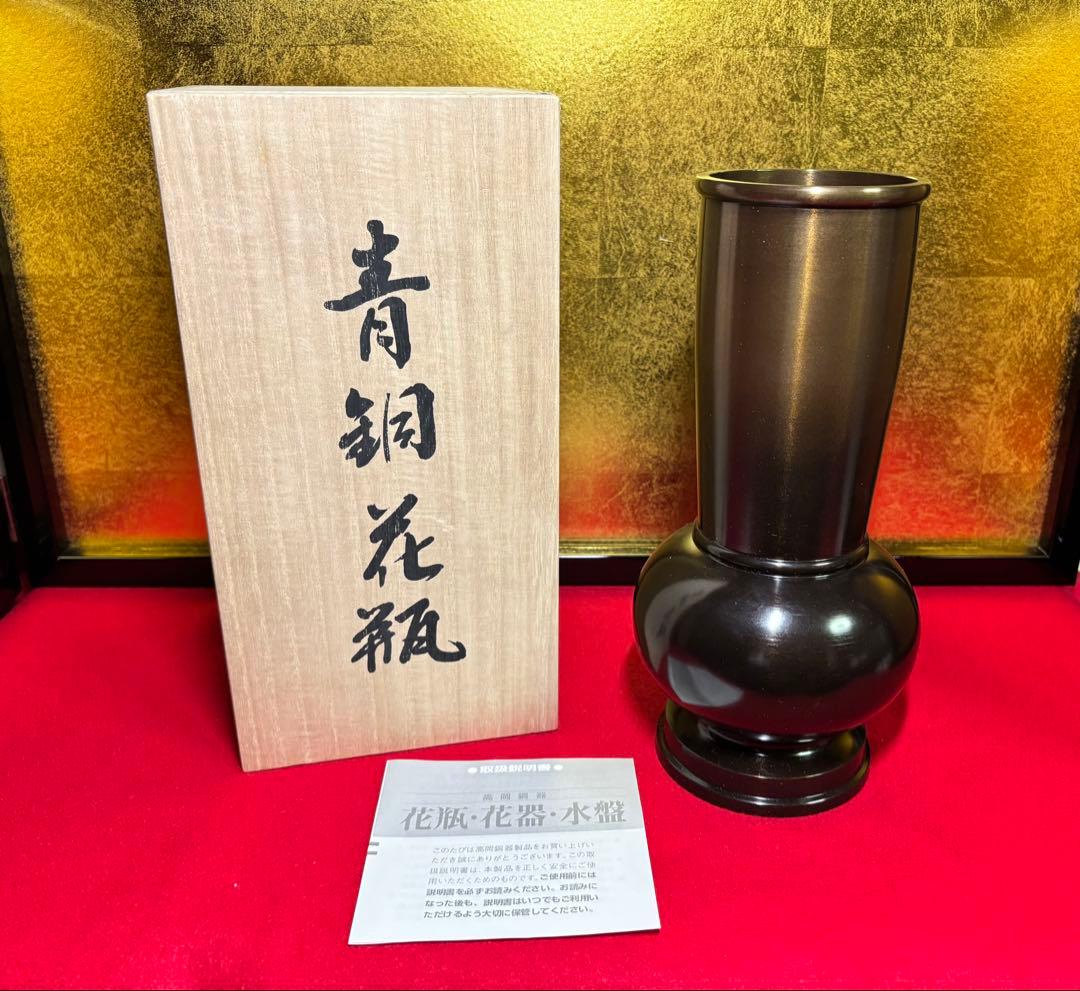
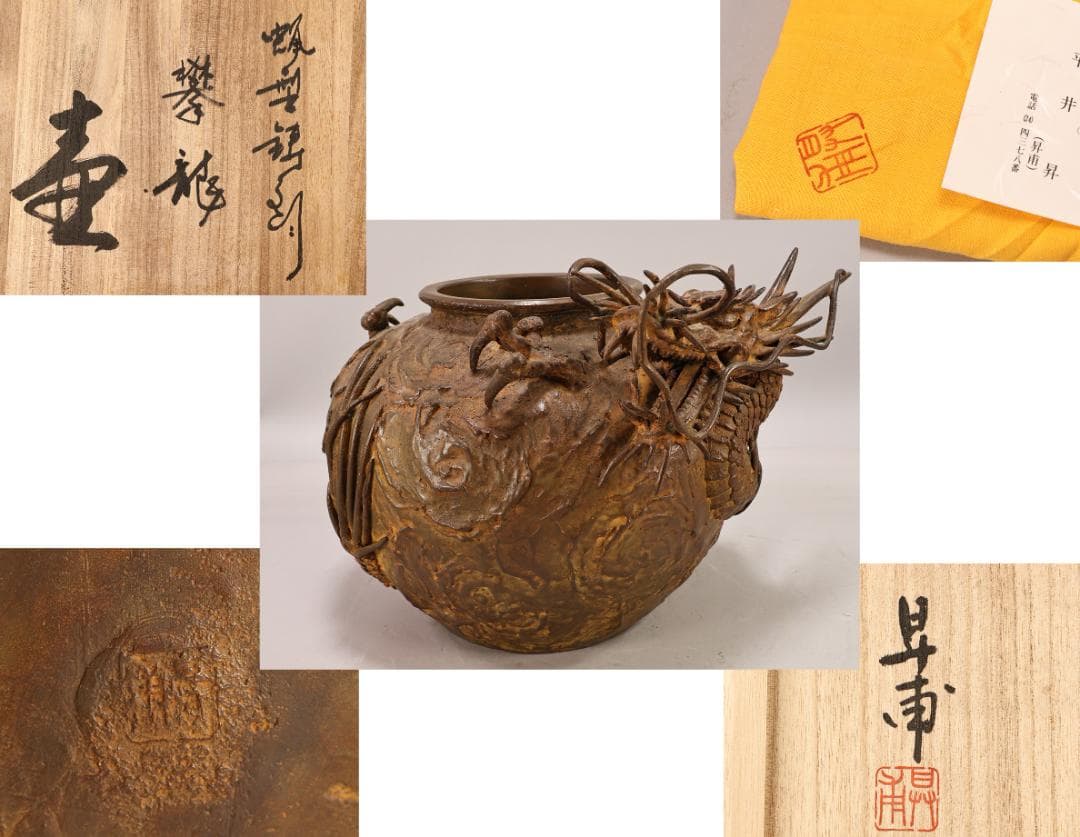
Heavy cast-metal vases with even brown, reddish or black-brown patina; relief or inlaid decoration of birds, dragons or flowers, sometimes in contrasting metals; a cast or engraved foundry or artist mark on the base.
- Traditional Craft designated by METI (1975)
- Japan Heritage: 'Takaoka, a town where merchant culture associated with the Kaga Maeda family flourished' (2015)