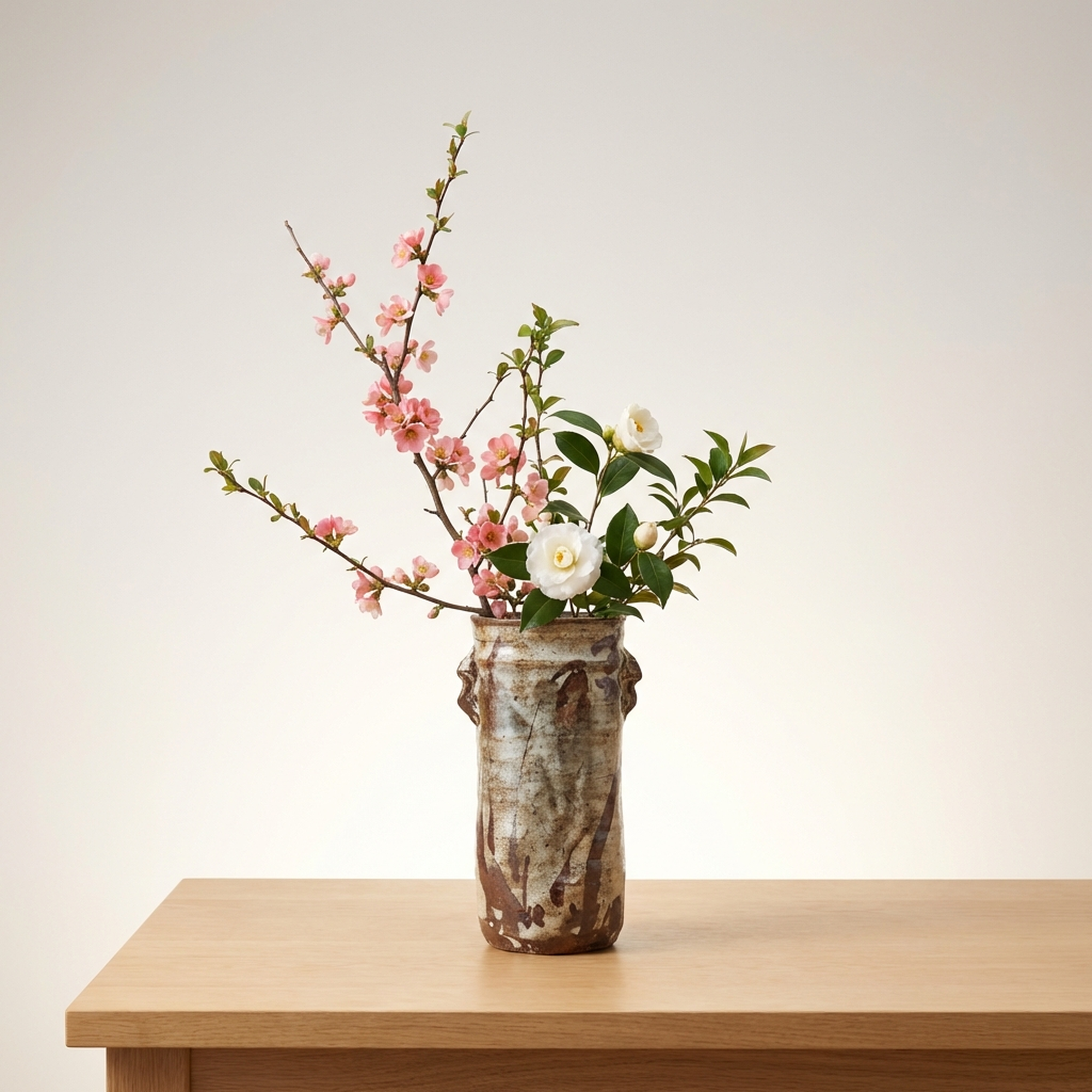
唐津焼
Karatsu ware
Saga · Late Momoyama period (late 16th c.)
Stoneware from northern Saga, influenced by Korean techniques, valued for its iron-painted designs and its tea bowls.
Karatsu ware takes its name from the port of Karatsu in northern Saga, from which the wares were shipped. Production is generally dated to the late sixteenth century, at kilns associated with the Hata clan around Kishidake. After Toyotomi Hideyoshi's invasions of Korea in the 1590s, many Korean potters came to the area, bringing the climbing kiln and new techniques, and production grew rapidly. Karatsu wares were so common in western Japan that 'karatsu-mono' became a general word for ceramics there. Tea masters prized its tea bowls, ranking them third after Raku and Hagi. Production declined after the rise of Arita porcelain in the seventeenth century. In the twentieth century potters including Nakazato Tarōemon XII revived the old styles, and many kilns are active in the area today.
Ton und Brand
Iron-bearing, sandy local clays fired in climbing kilns; glazes include feldspar, ash and iron glazes, with underglaze iron painting (e-garatsu) and the combined black-and-white 'Chōsen-garatsu' glazes.
So erkennen Sie Karatsu ware
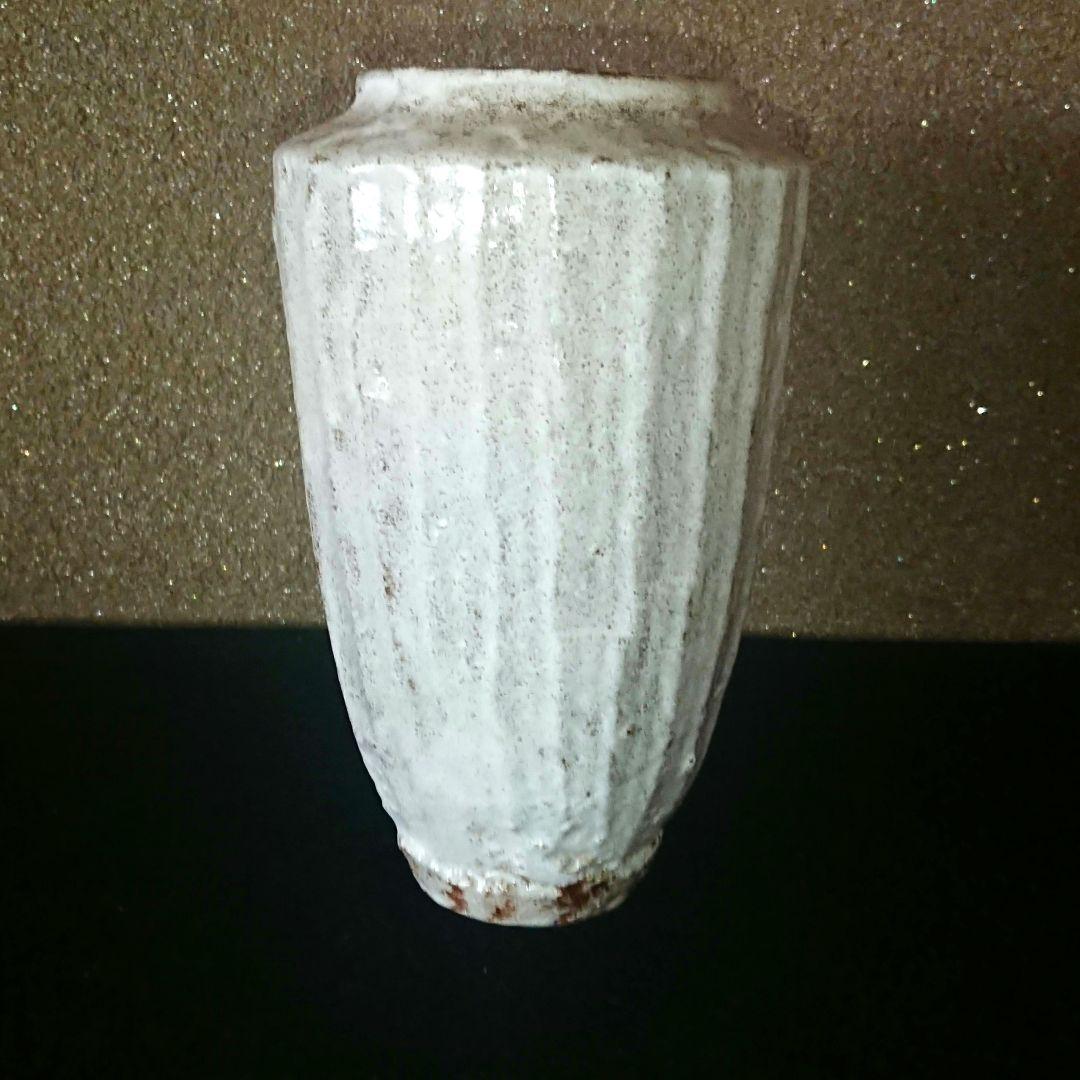
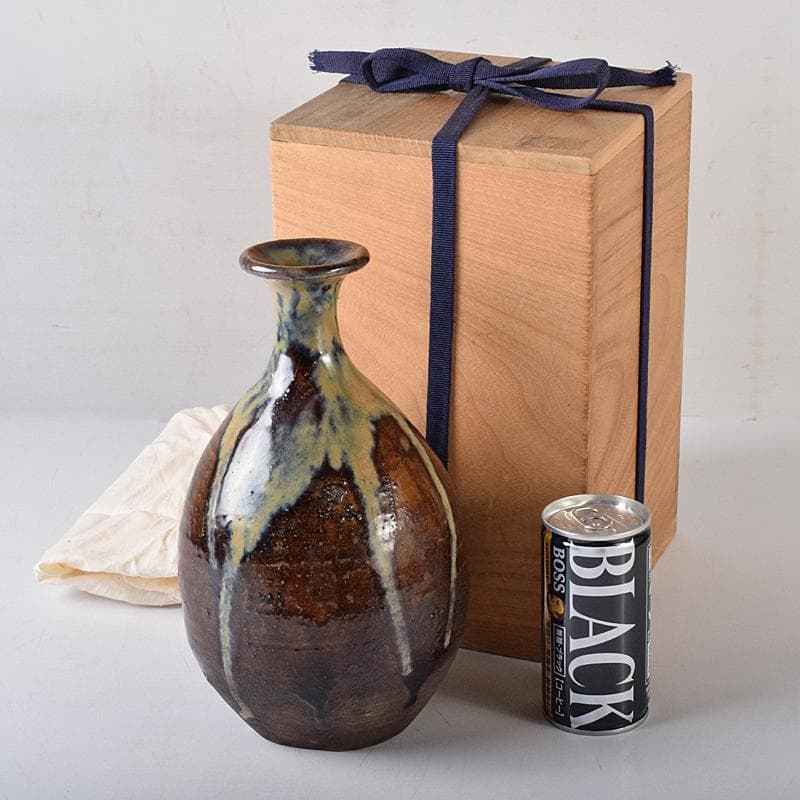
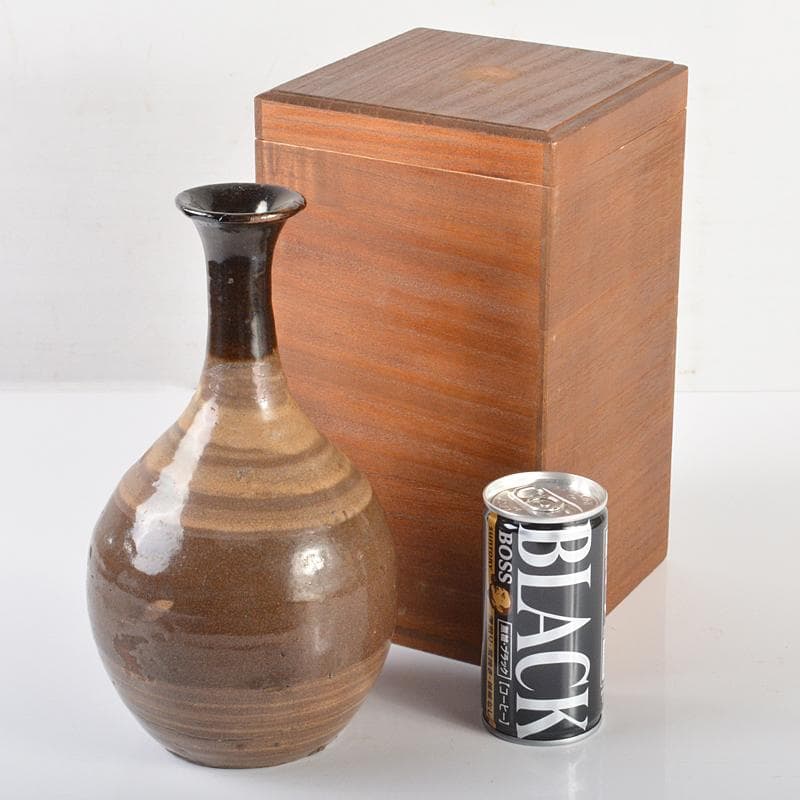
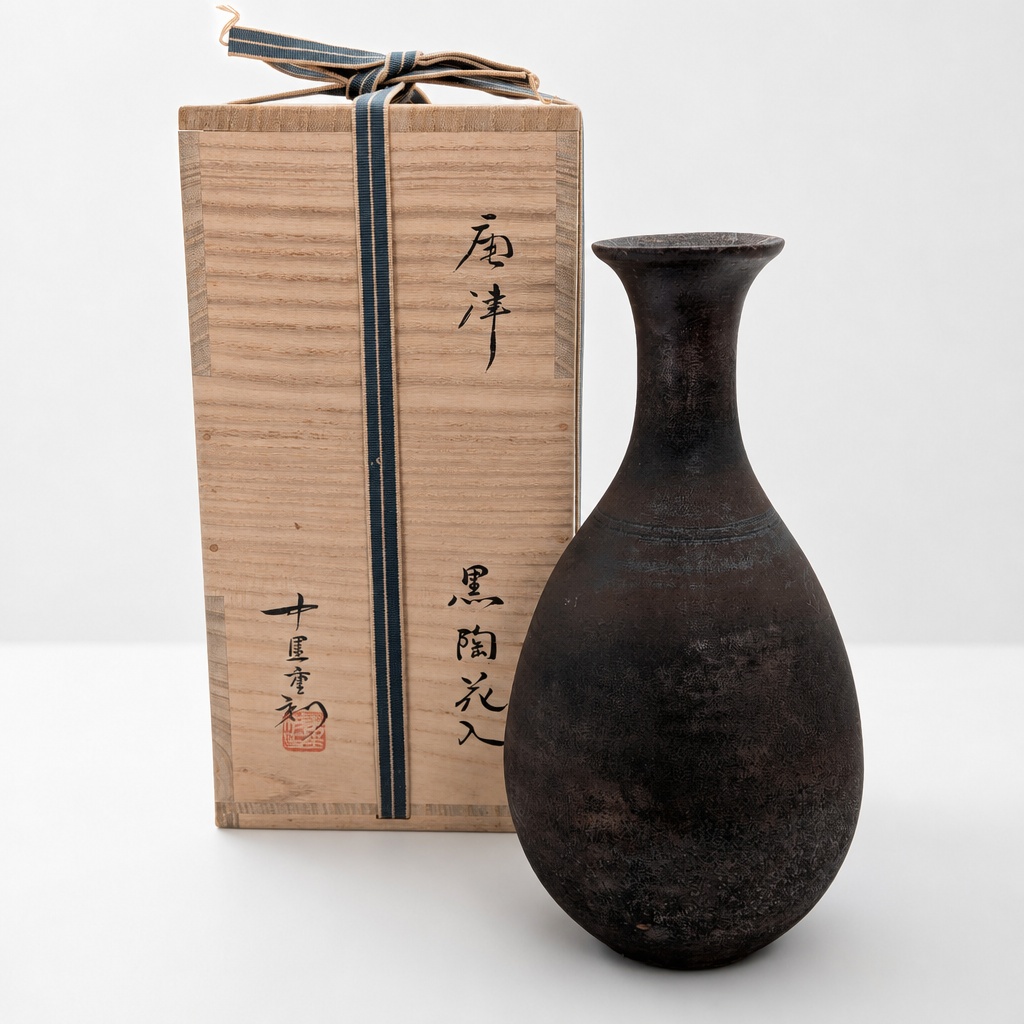
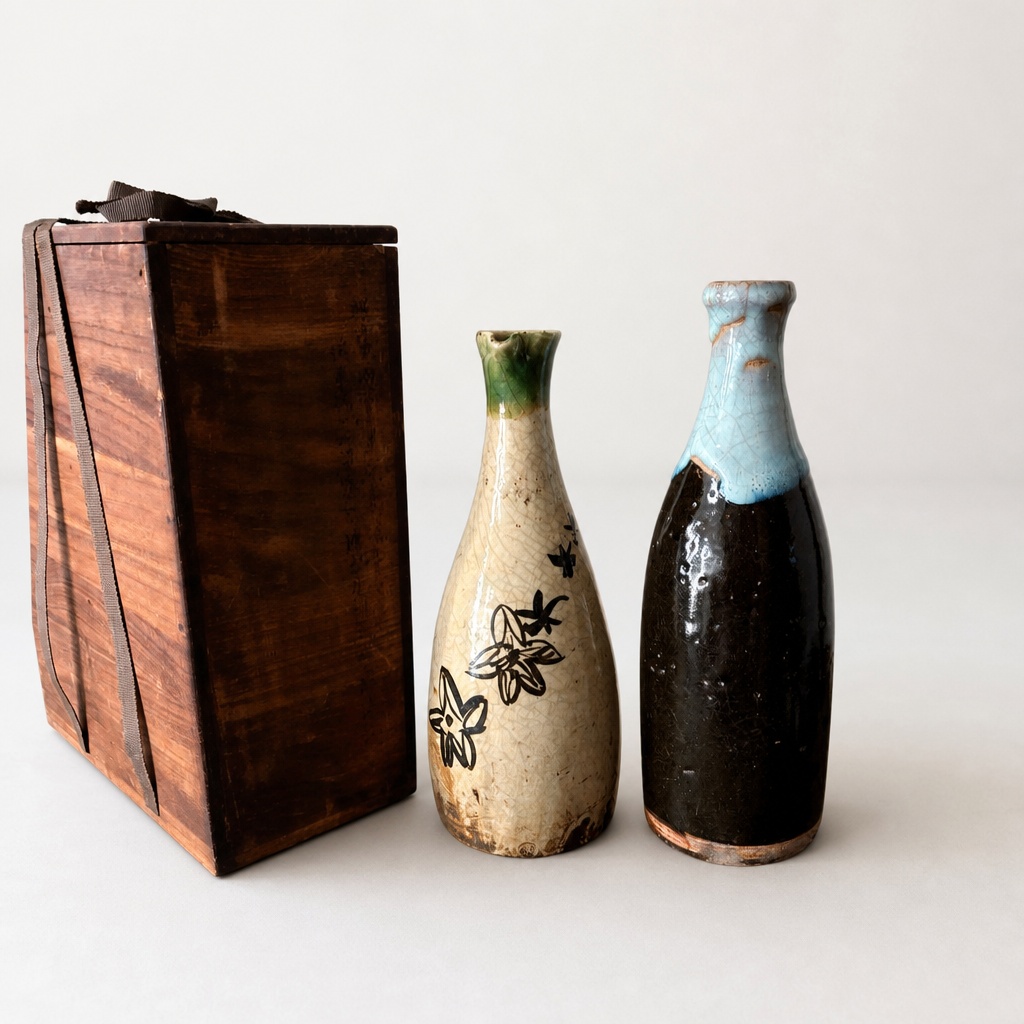
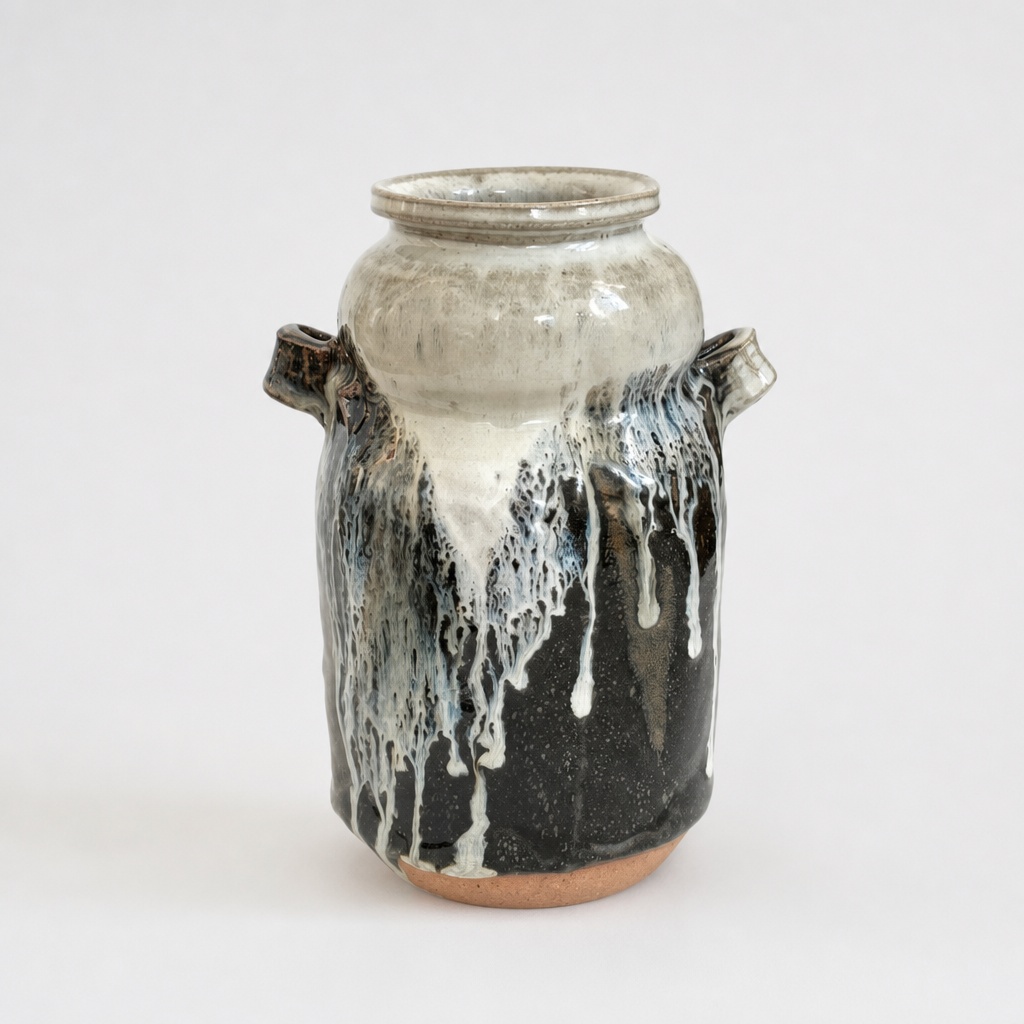
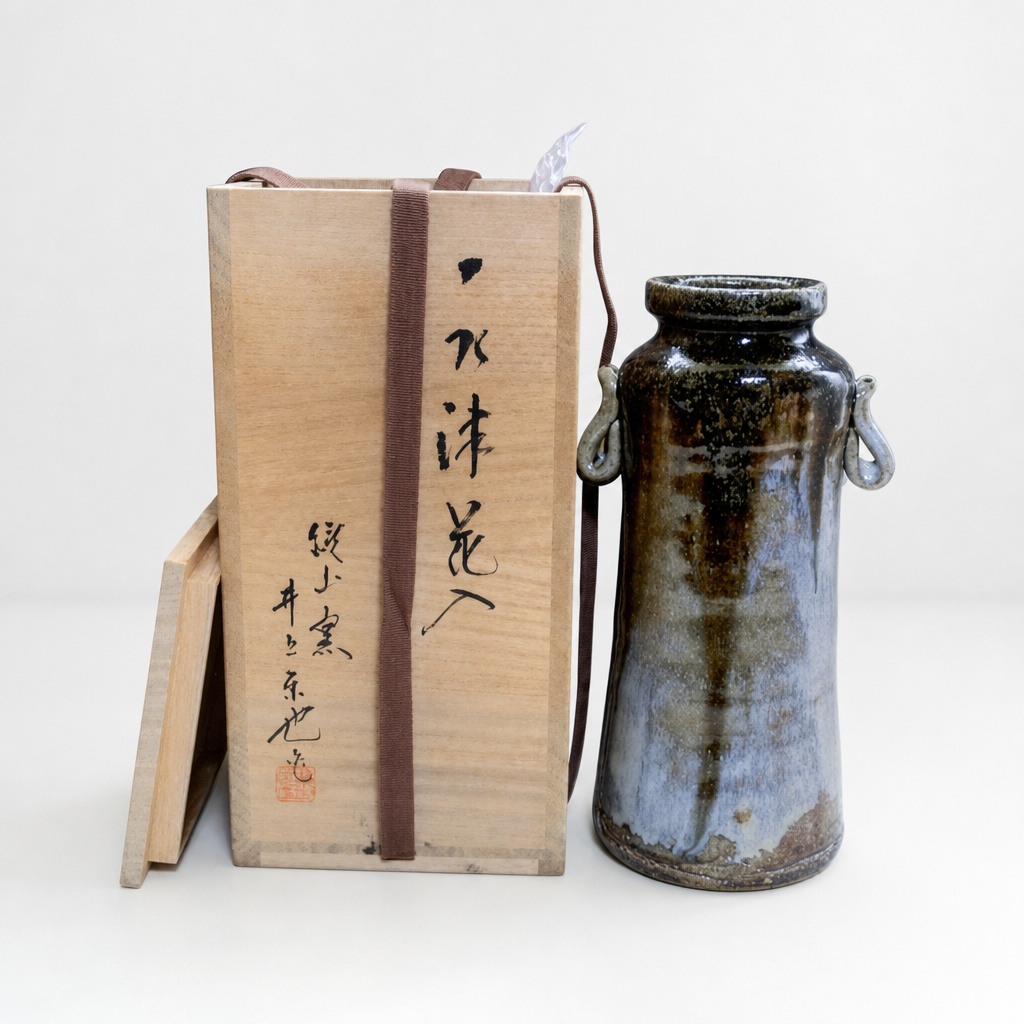
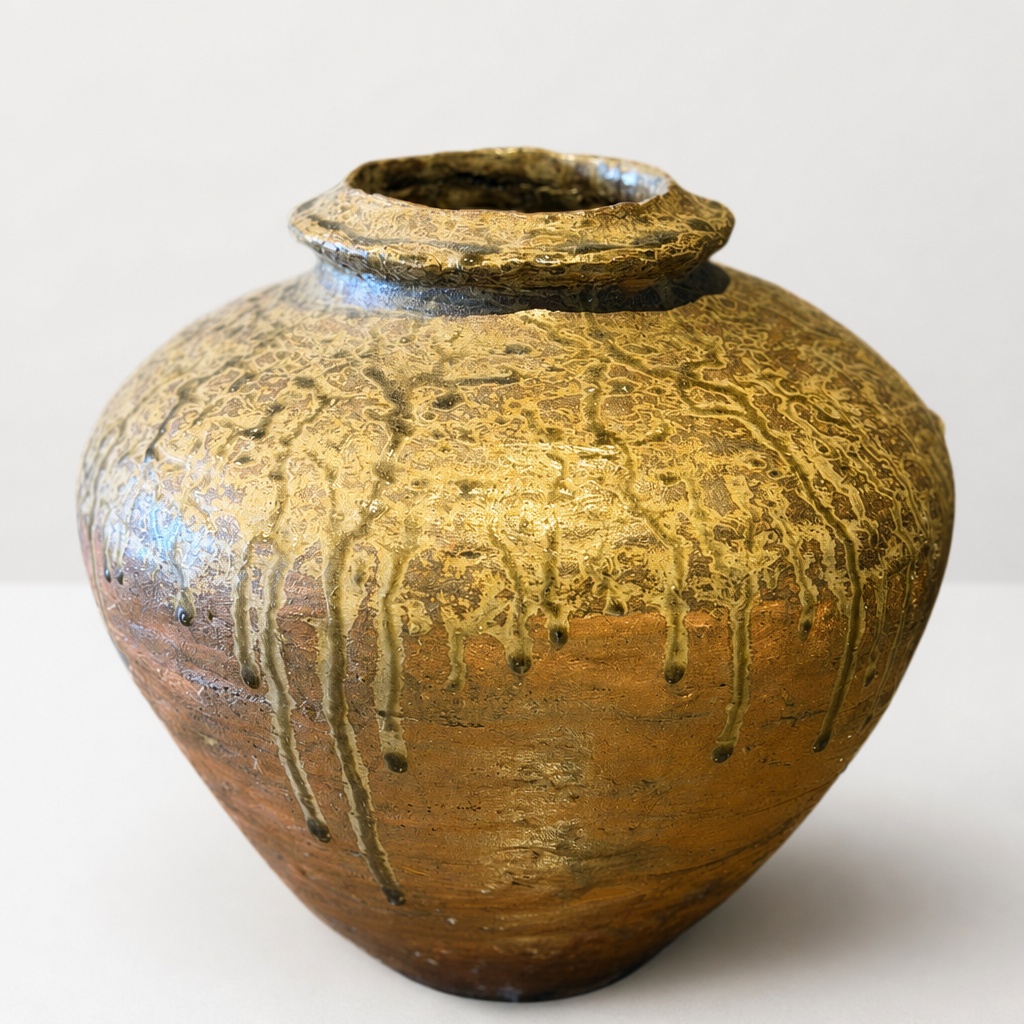
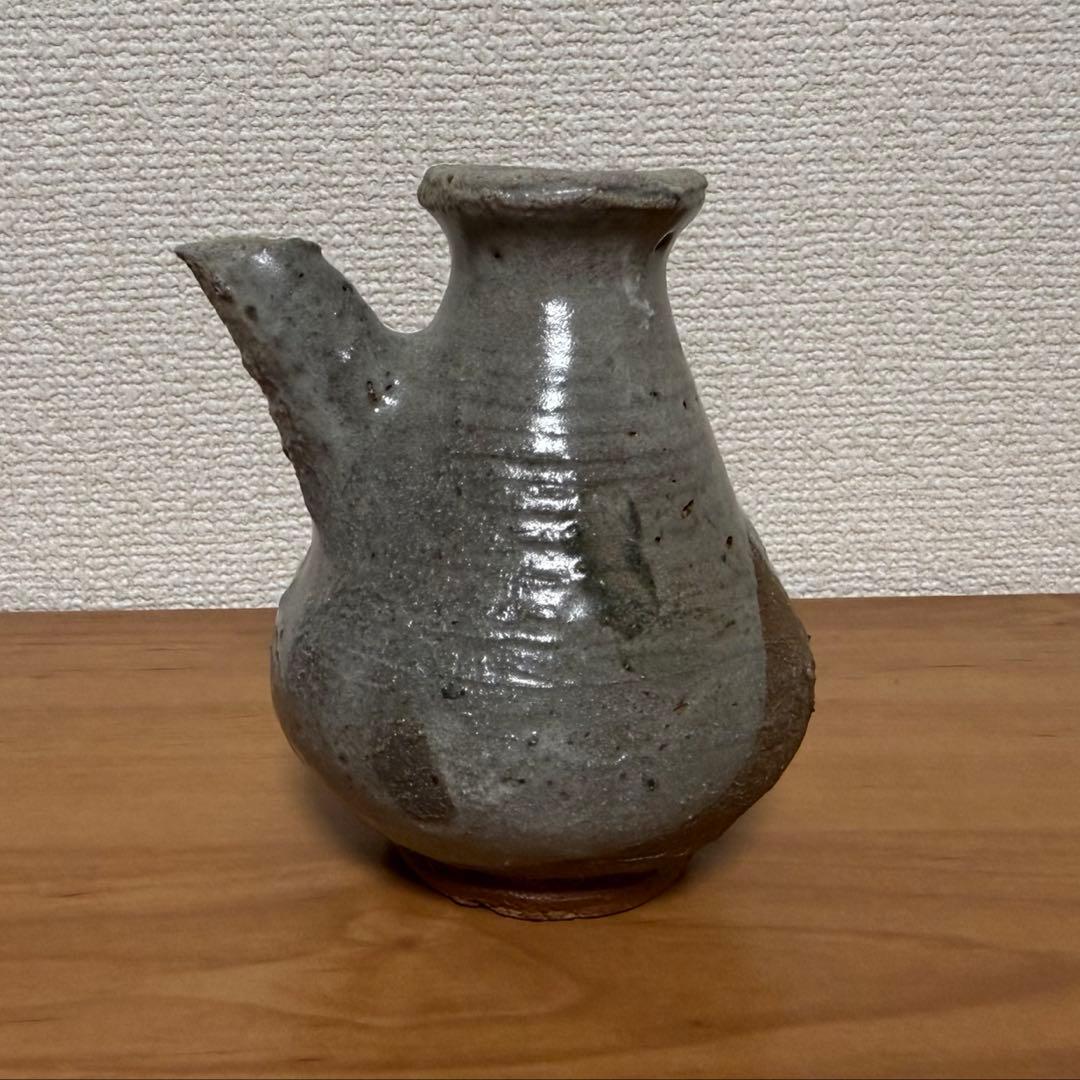
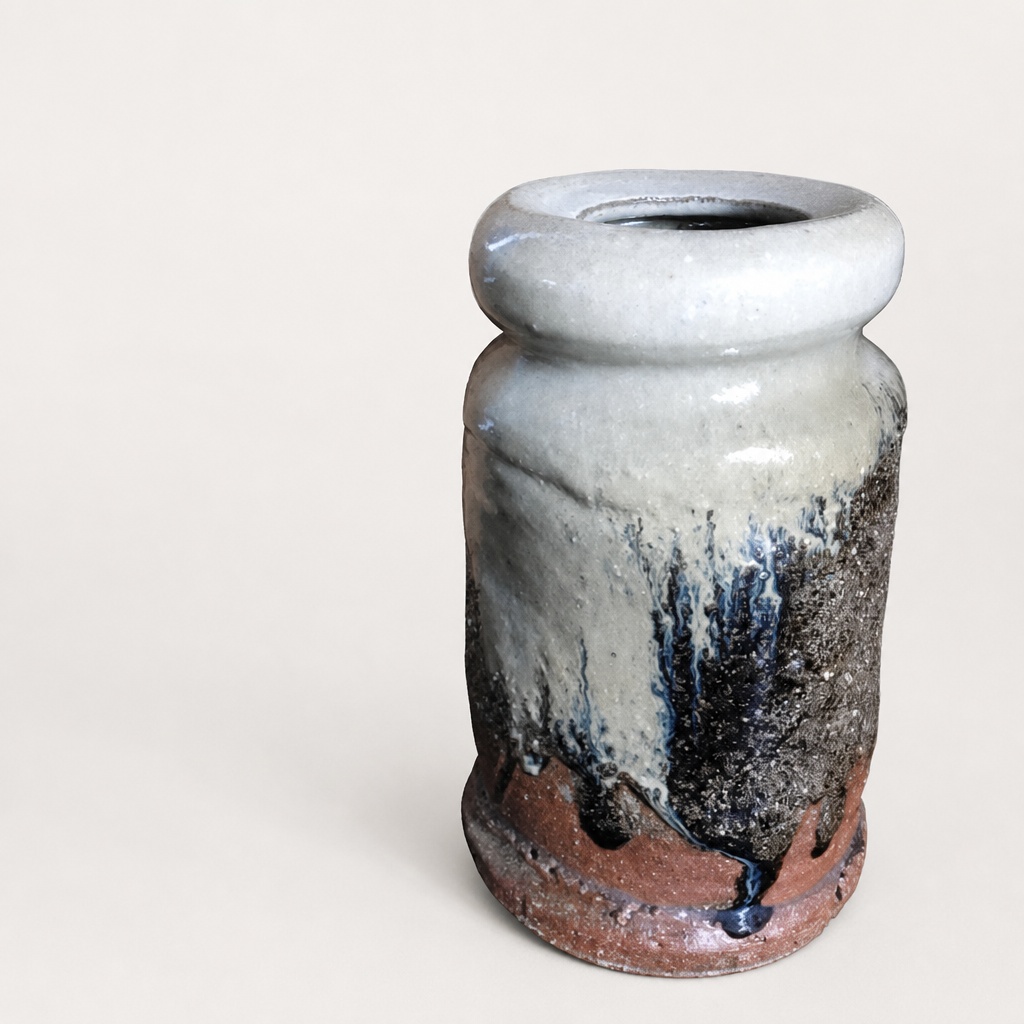
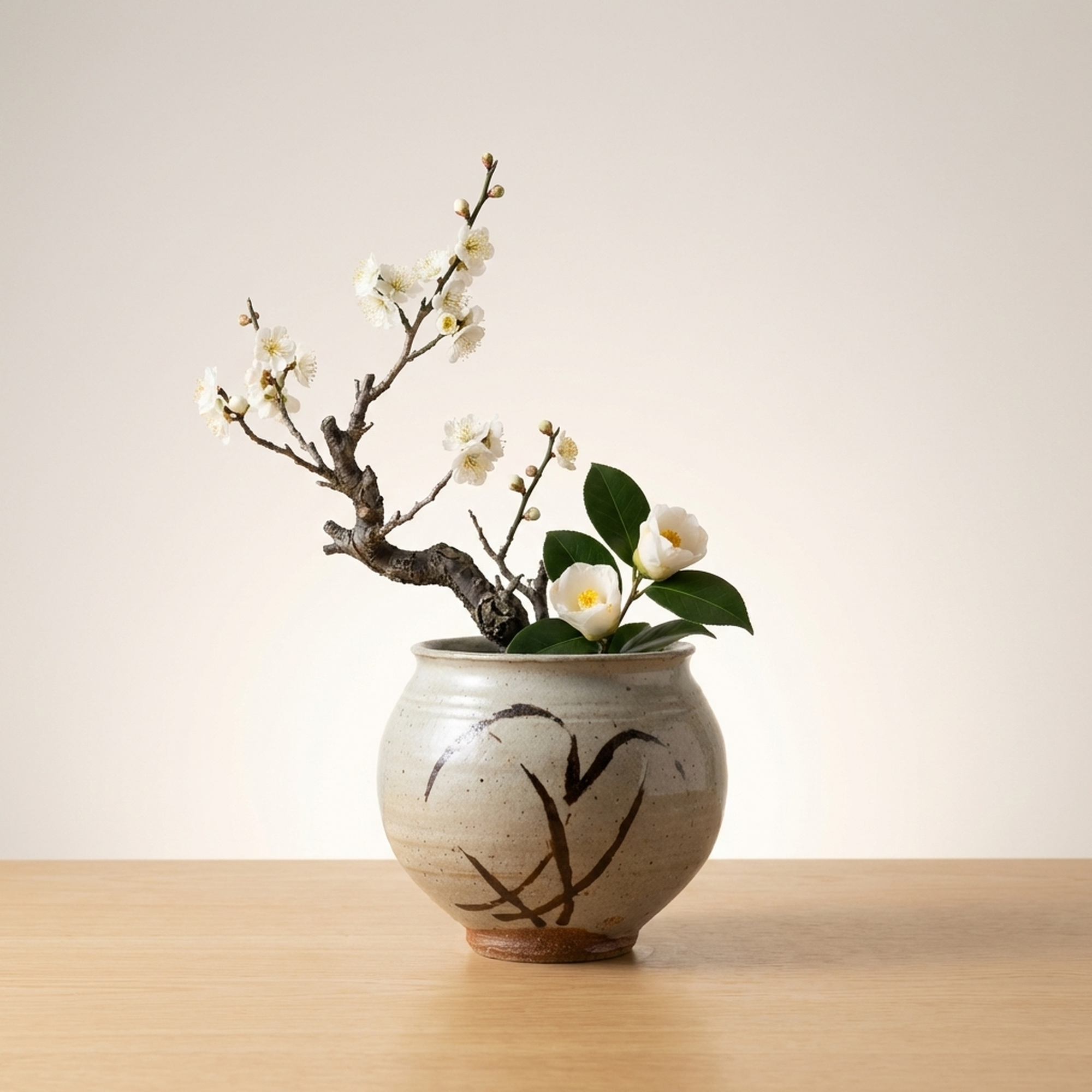
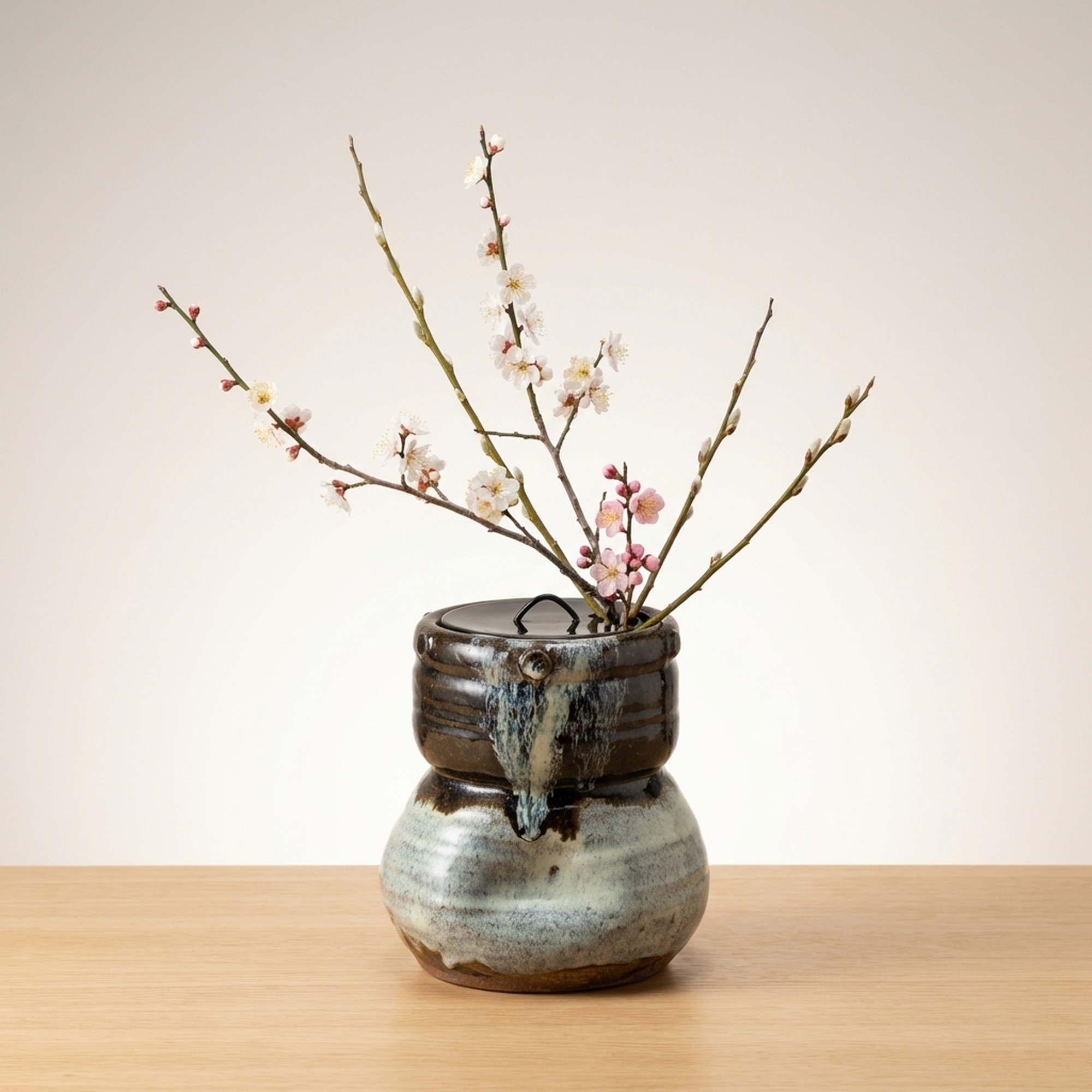
Quick, simple iron-brown brush paintings of grasses, birds or reeds under a translucent glaze (e-garatsu); two contrasting glazes, dark iron and milky white, running into each other (Chōsen-garatsu) or a mottled bluish-white glaze (madara-garatsu); an unglazed foot ring showing coarse, gritty, iron-brown clay.
- Traditional Craft designated by METI (1988)
- Japan Heritage: 'Hizen, Home of Japanese Porcelain' (2016; Karatsu City is a constituent area)