壺屋焼
Tsuboya ware
Okinawa · Ryukyu Kingdom era (1682)
Okinawan pottery founded when the Ryukyu Kingdom gathered its kilns at Tsuboya in Naha; it includes both unglazed and glazed wares.
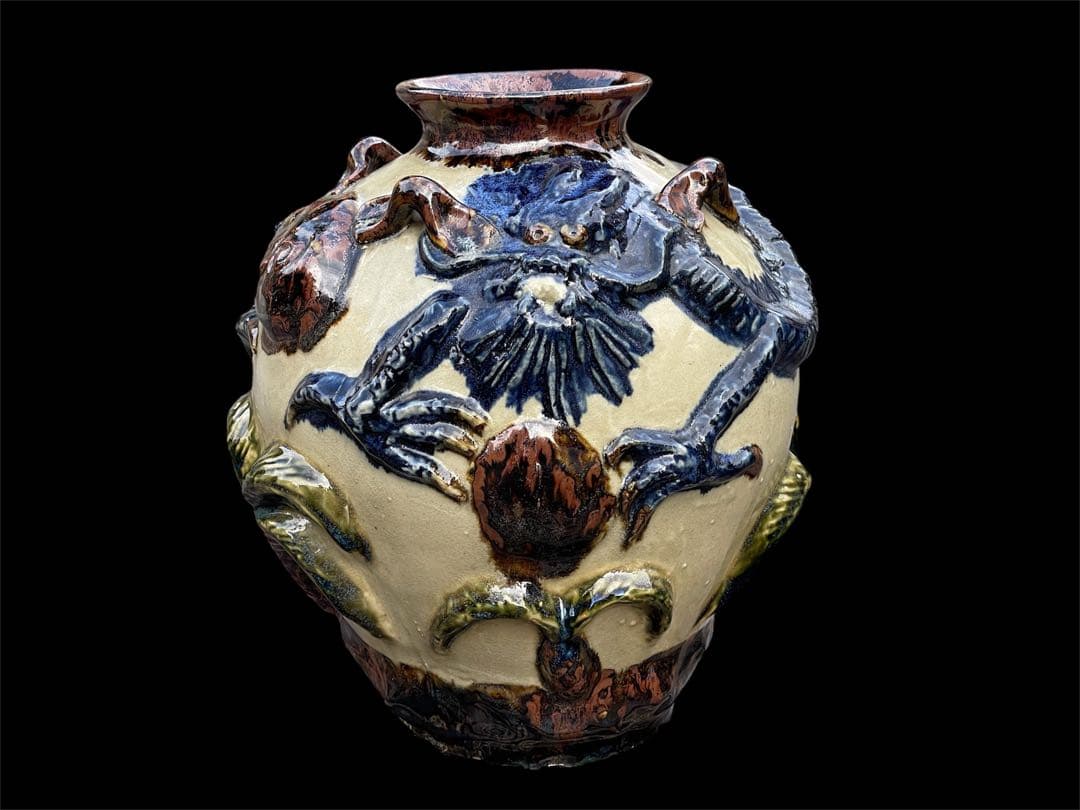
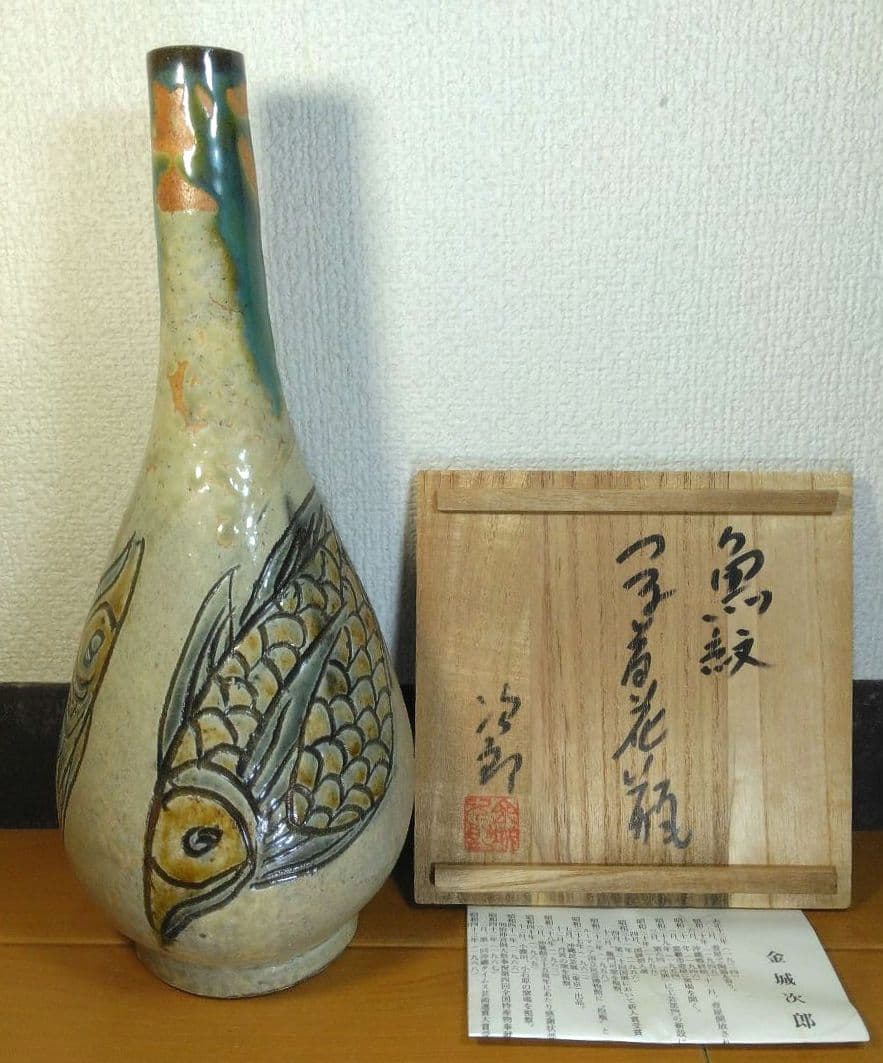
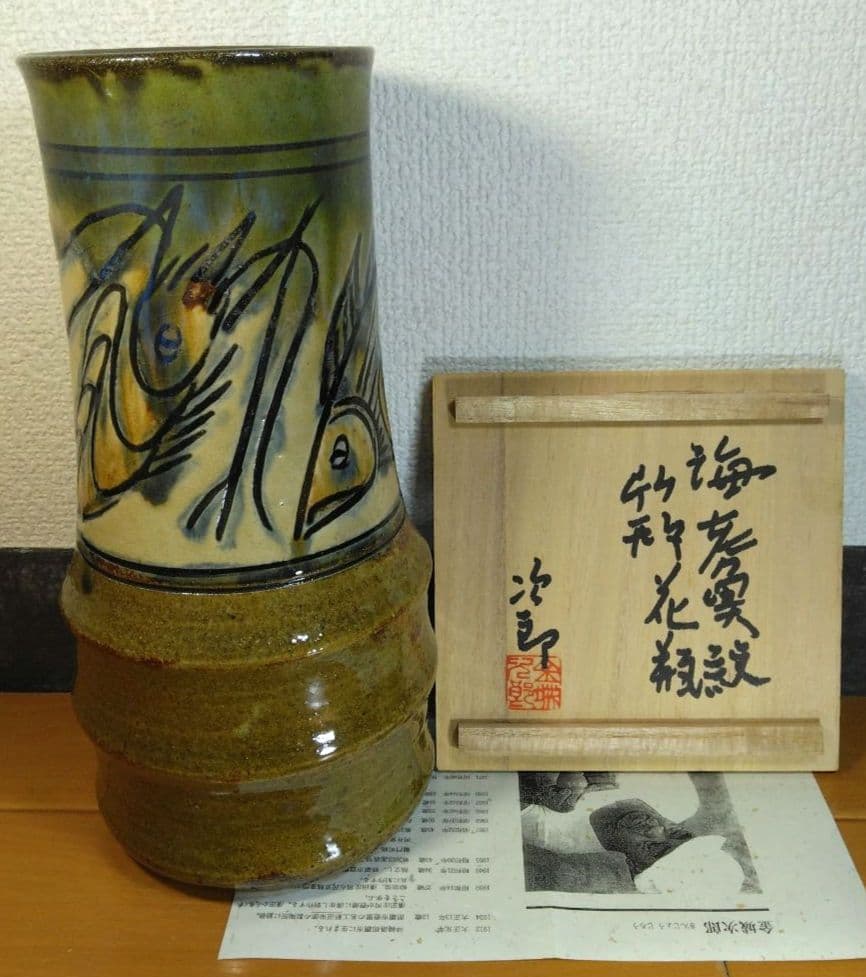
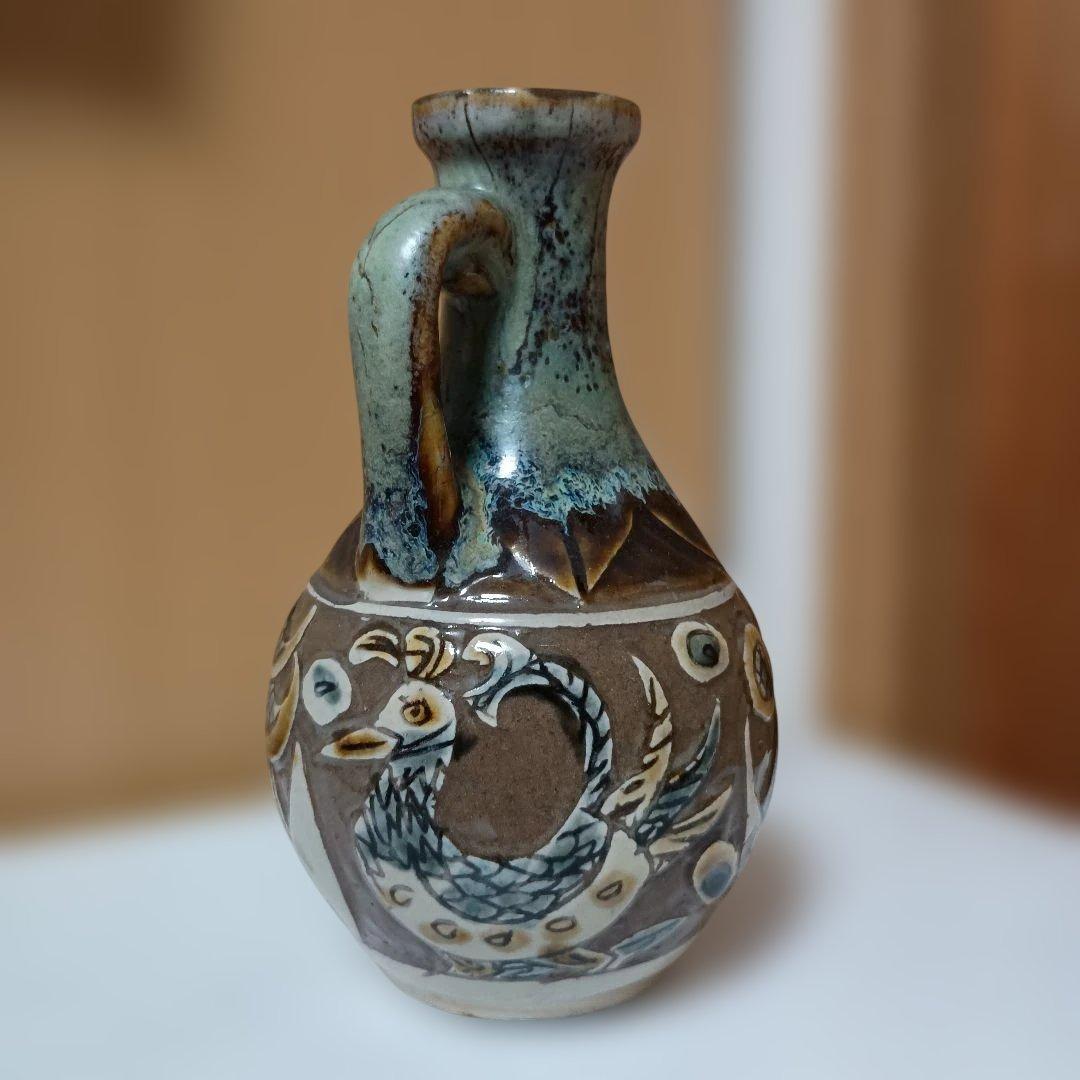
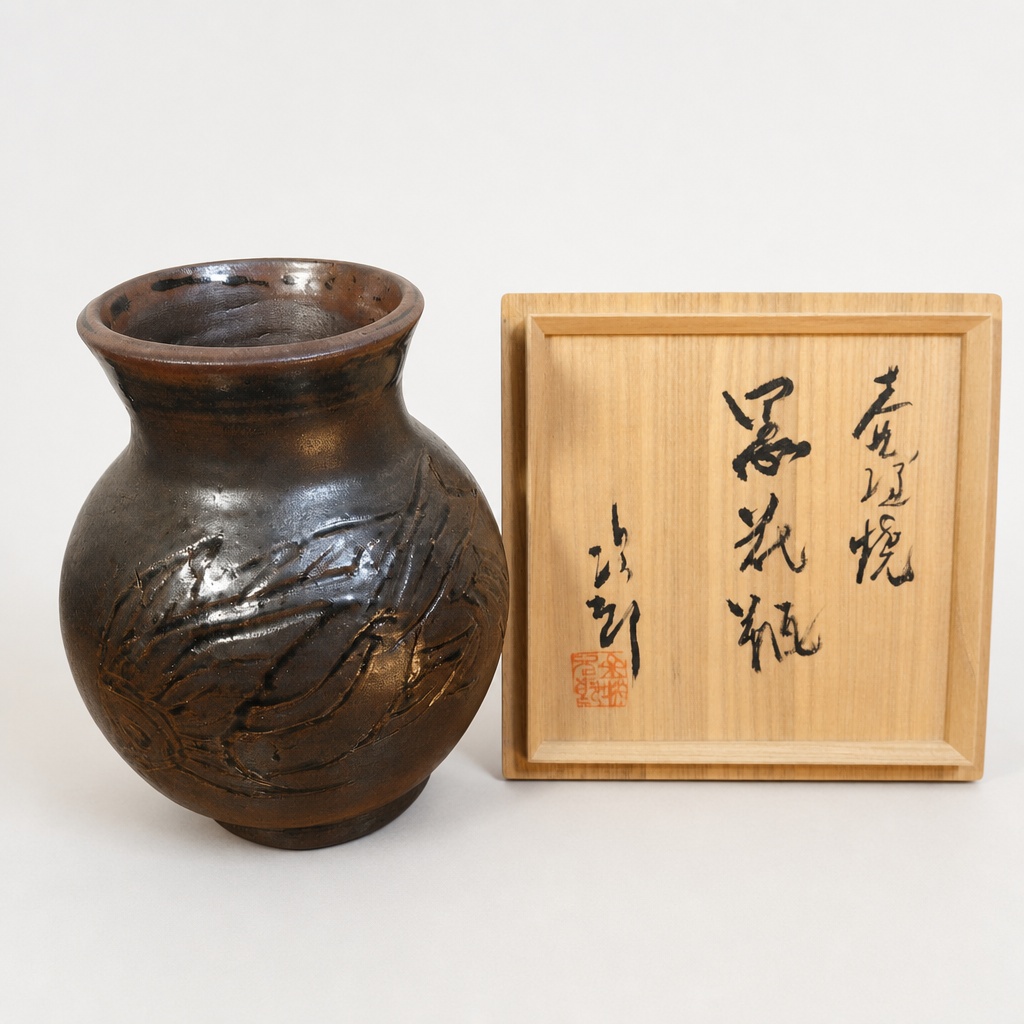
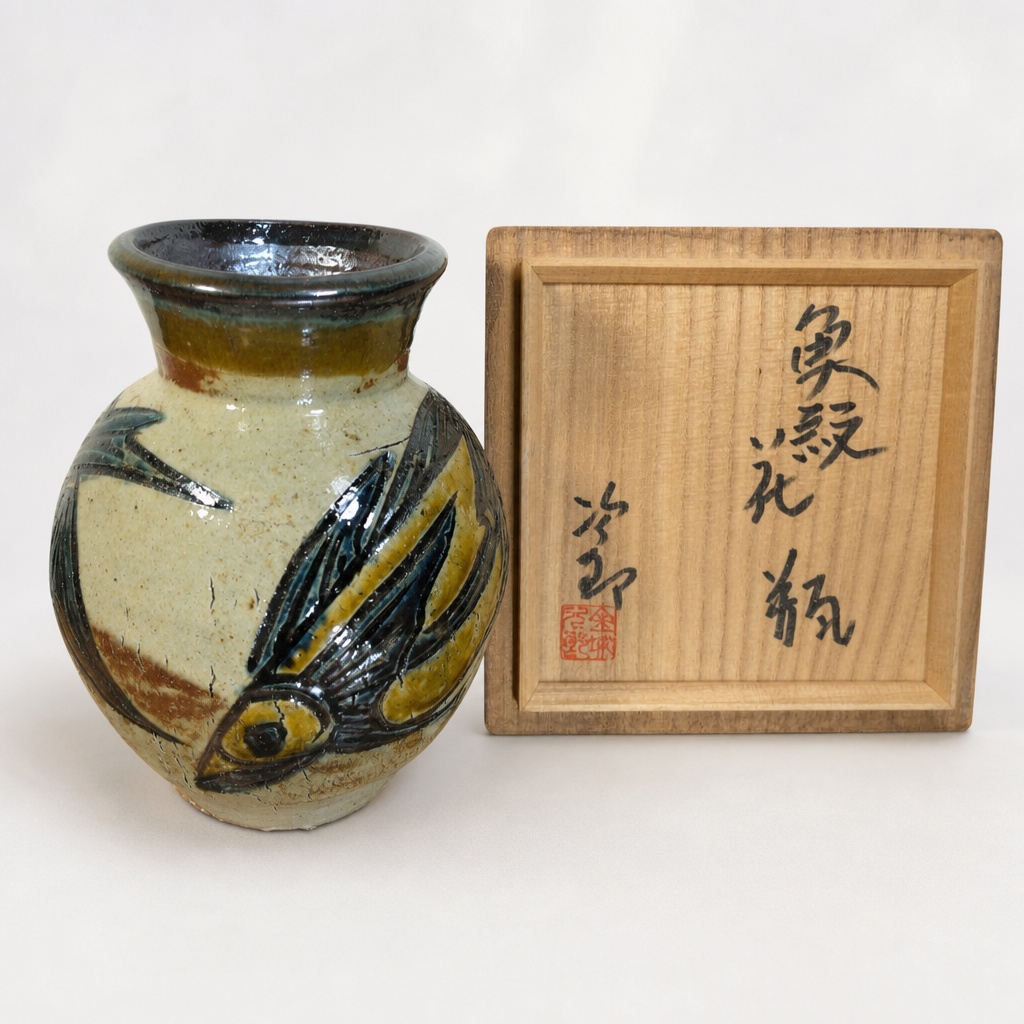
Tsuboya ware dates to 1682, when the Ryukyu royal government brought together kilns from several parts of Okinawa at Tsuboya, now part of Naha City. The kilns made storage jars for water, sake (awamori), miso and other goods, together with tableware and ritual objects. Two main types developed: arayachi, unglazed or lightly glazed ware fired at high temperature, and jōyachi, glazed ware with painted or carved decoration. Shisa lion figures and flask-shaped bottles carried on the hip (dachibin) are well-known forms. In the 1970s many potters moved out of Tsuboya because smoke from wood kilns was restricted in the city, and some relocated to Yomitan and other areas. The potter Kinjō Jirō was recognised as a Living National Treasure in 1985. Some workshops still operate in Tsuboya.
Ton und Brand
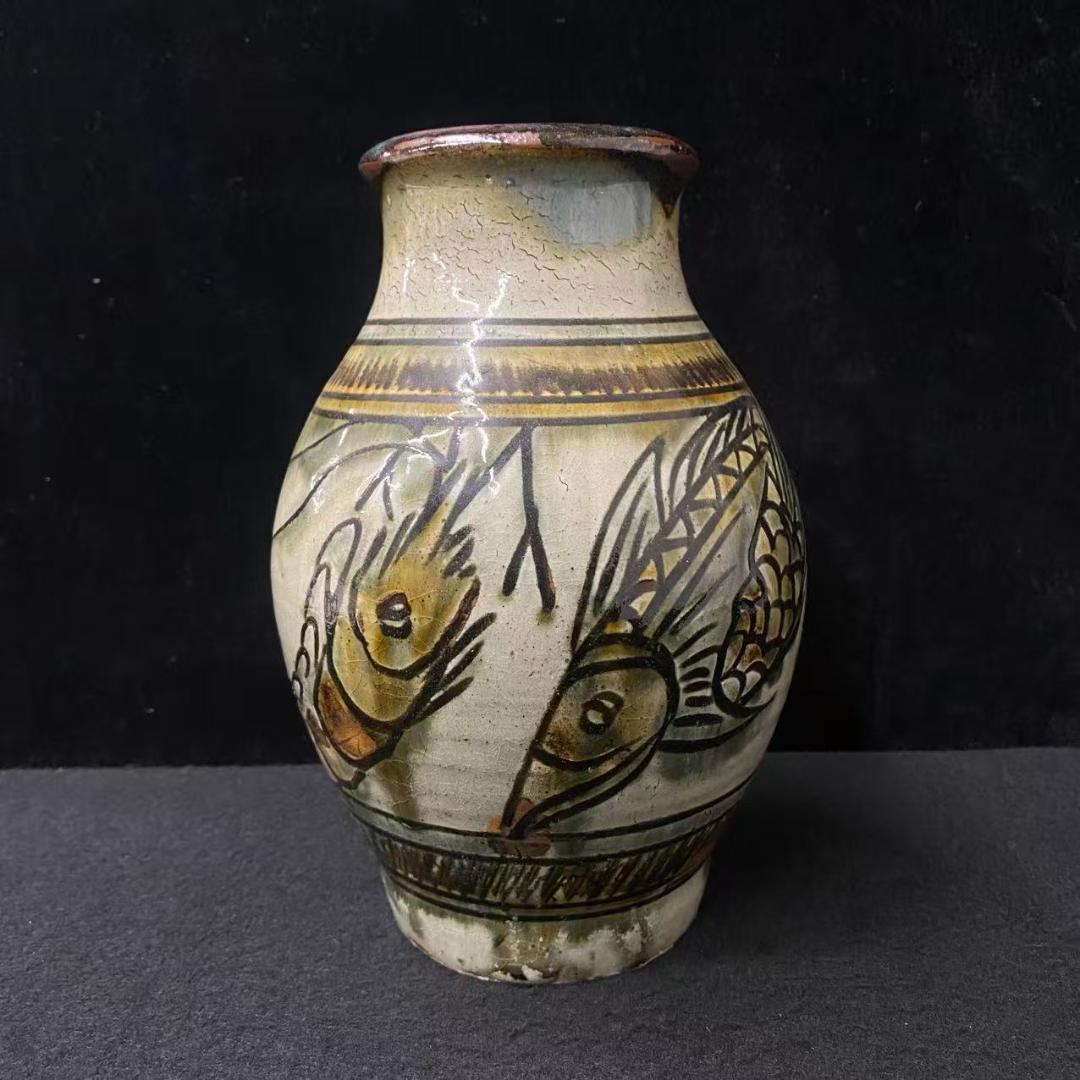
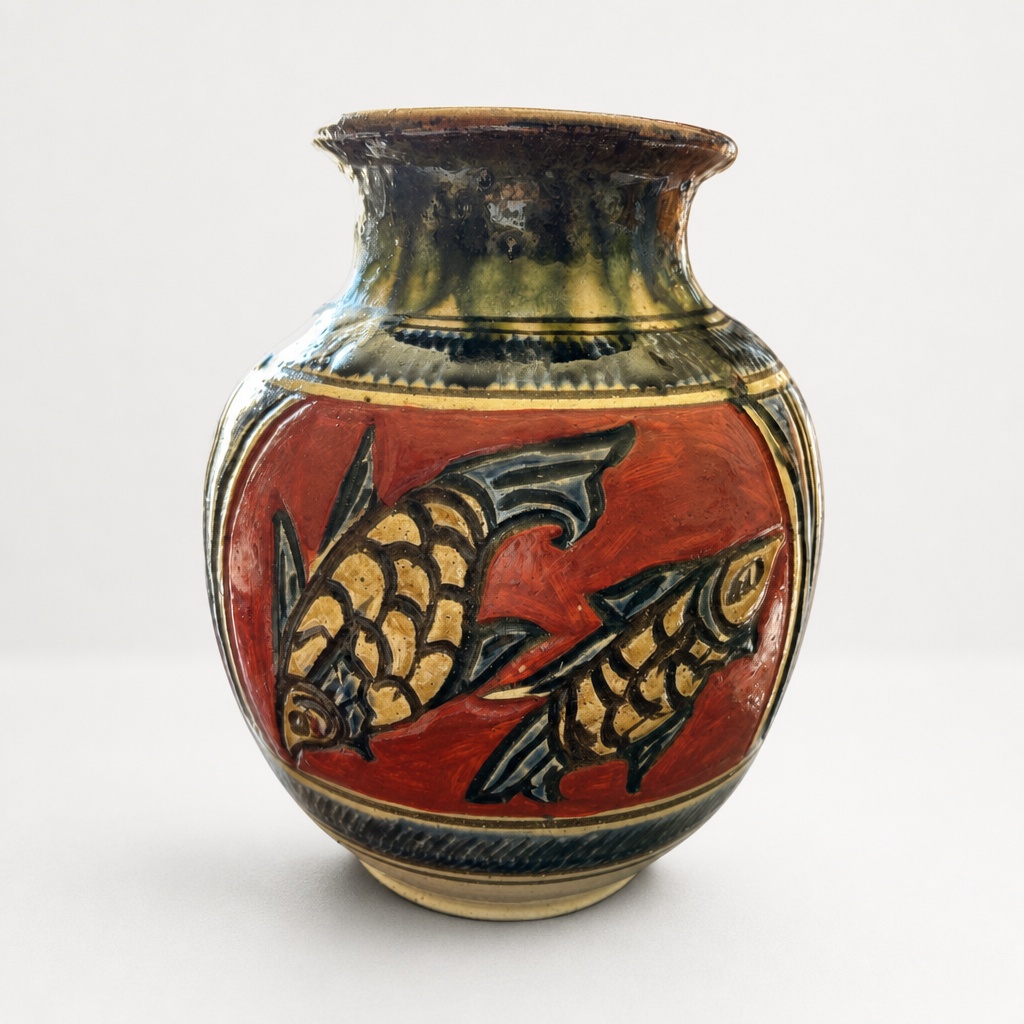
Local Okinawan clays; arayachi is unglazed or lightly glazed and high-fired, while jōyachi uses white slip and coloured glazes (cobalt, copper green, iron brown) with painted, carved or inlaid decoration.
So erkennen Sie Tsuboya ware
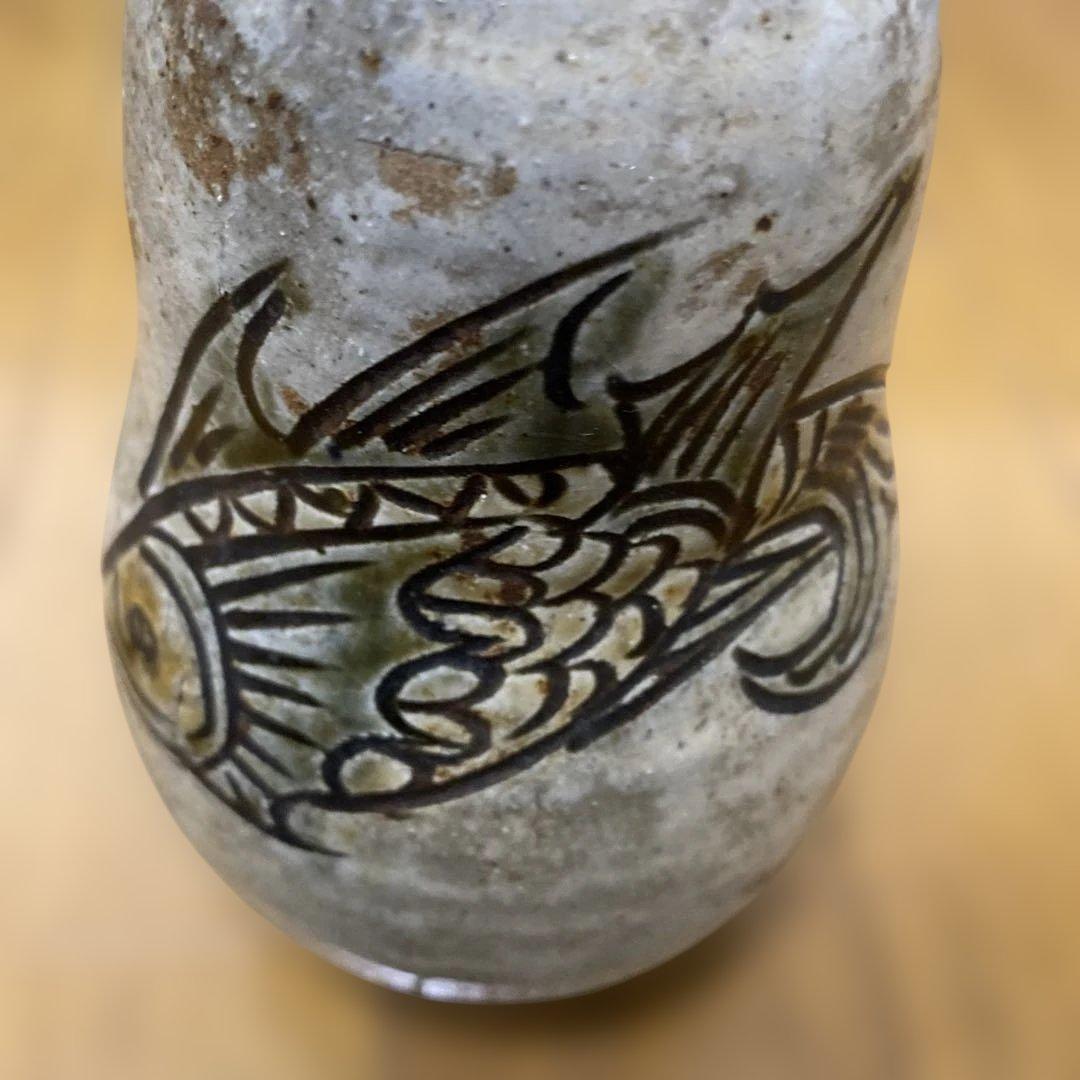
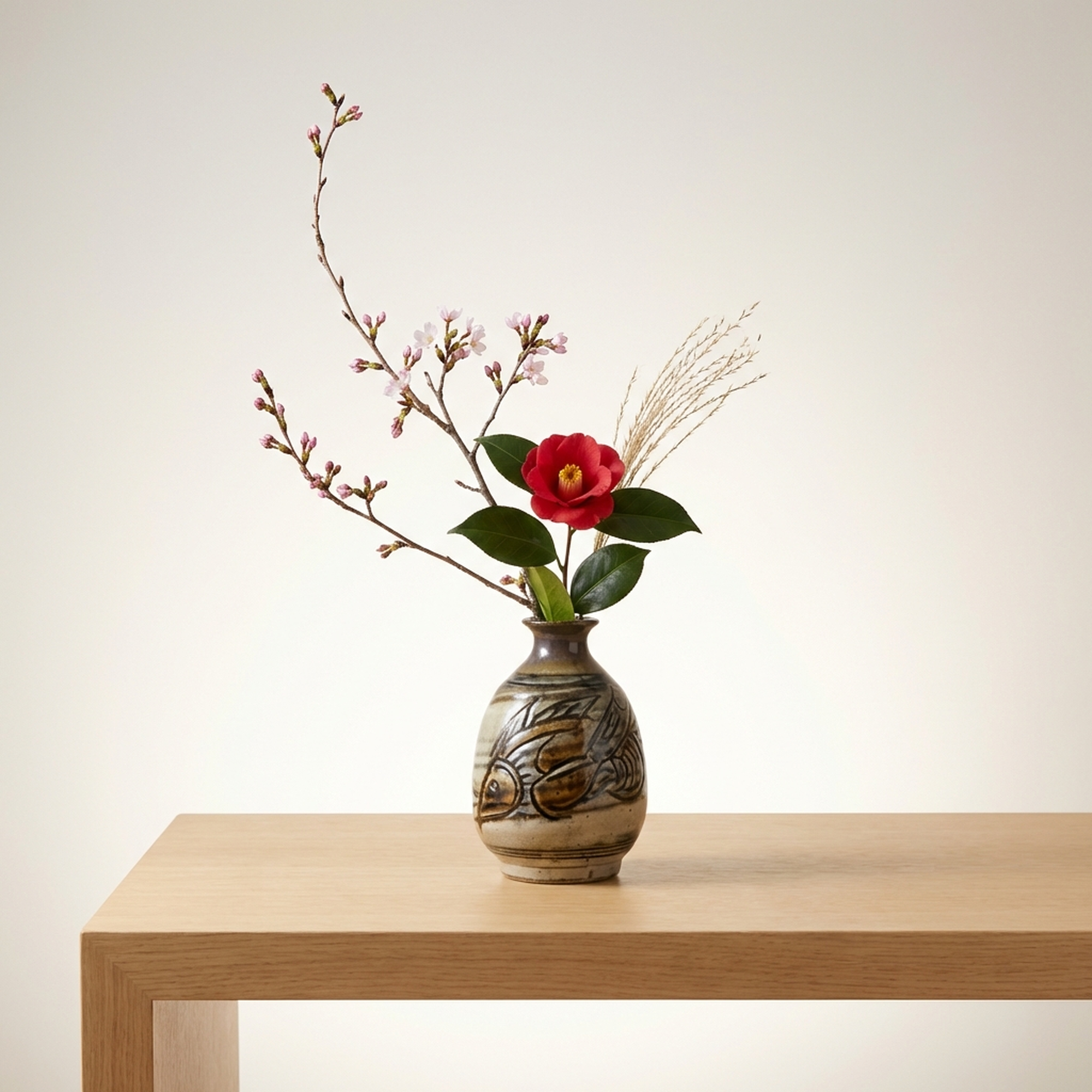
Bold, loosely painted fish, prawns or plant motifs in cobalt, green and brown over white slip (jōyachi); dark, unglazed or lightly glazed robust jars (arayachi); distinctive Okinawan forms such as shisa figures, karakara sake pourers and dachibin hip flasks.
- Traditional Craft designated by METI (1976)