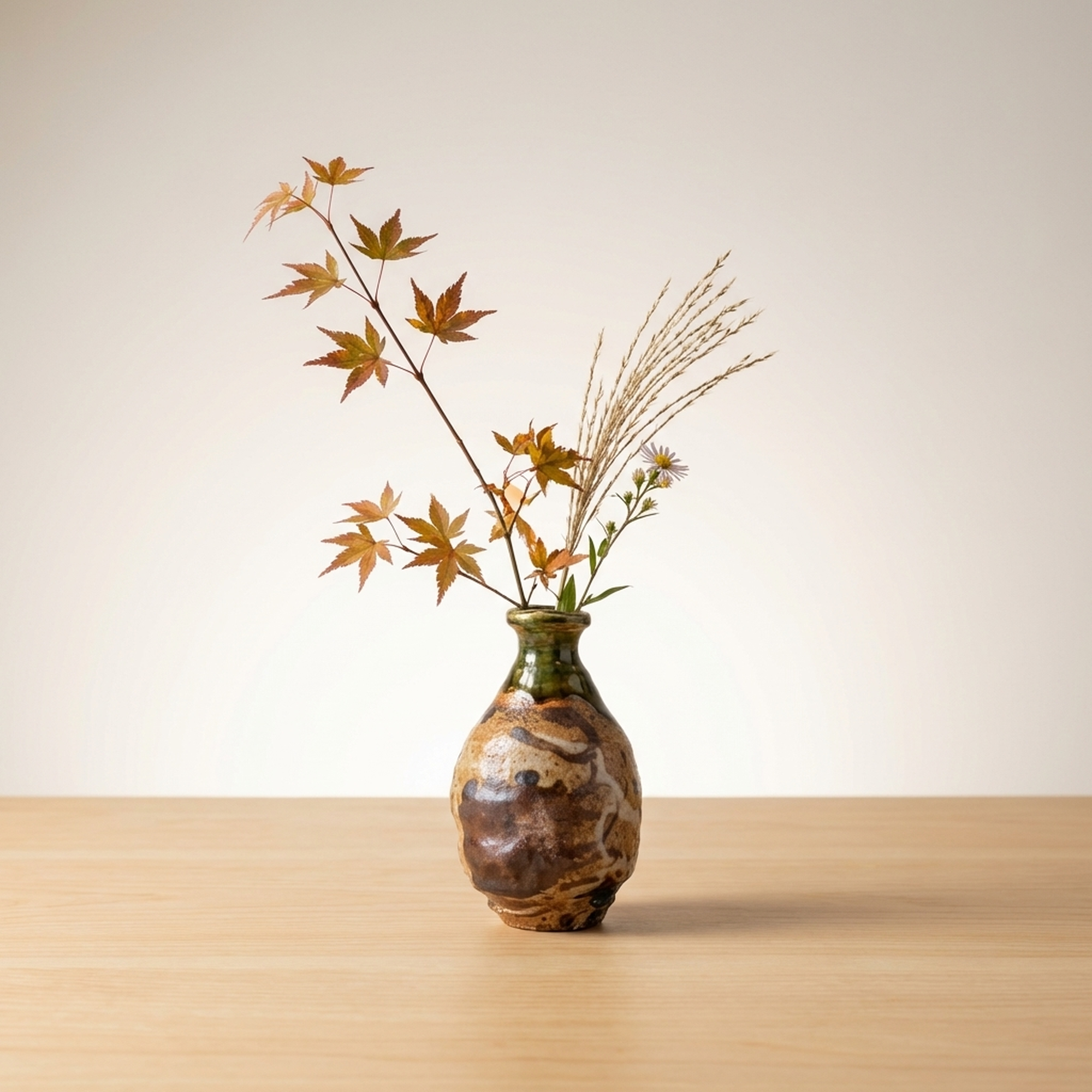
美濃焼(志野・織部・黄瀬戸・瀬戸黒)
Mino ware (Shino, Oribe, Ki-Seto, Seto-guro)
Gifu · Momoyama-period tea wares (late 16th c.); earlier medieval production in the area
Wares from the Tōnō area of Gifu, where Momoyama-period potters created Shino, Oribe, Ki-Seto and Seto-guro tea ceramics.
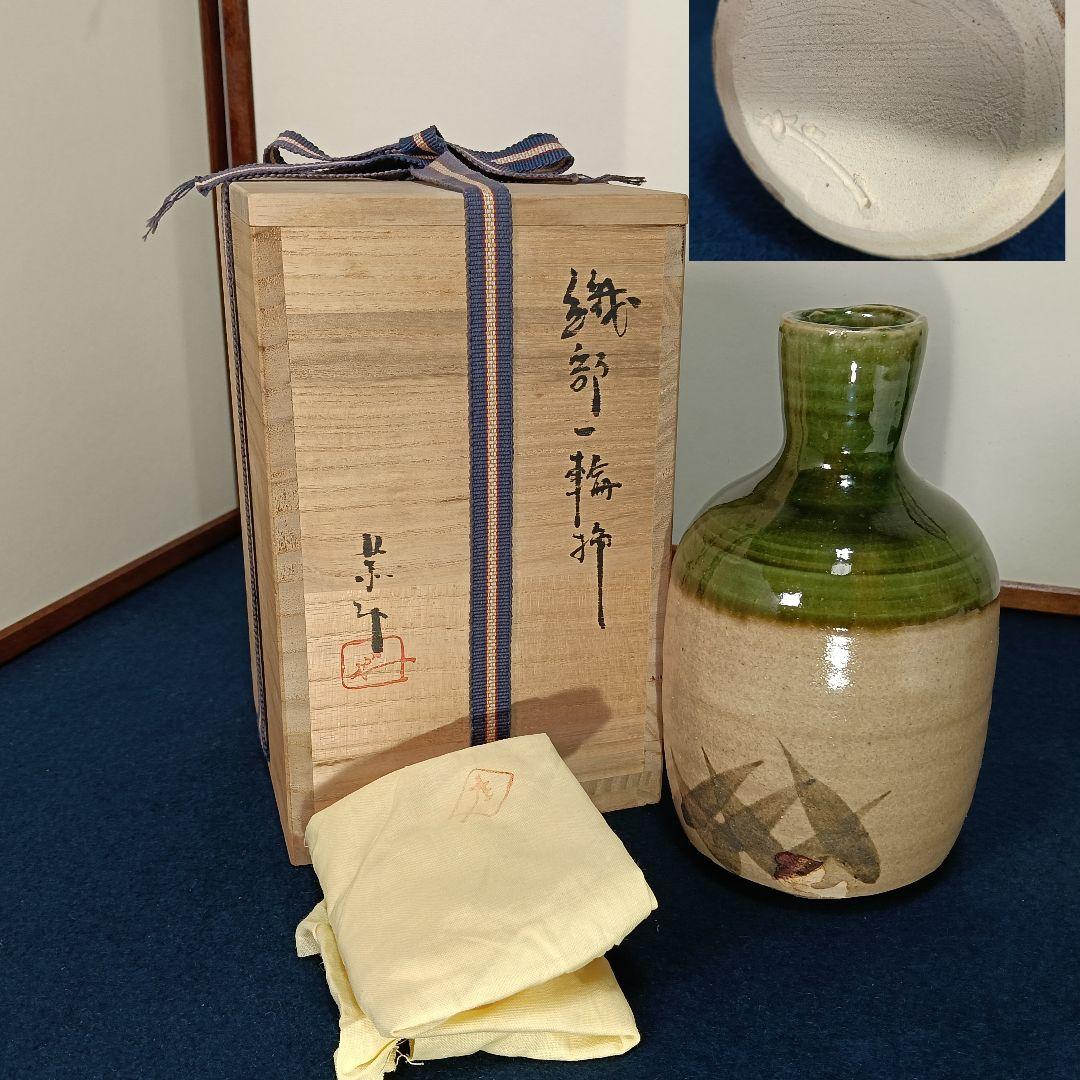
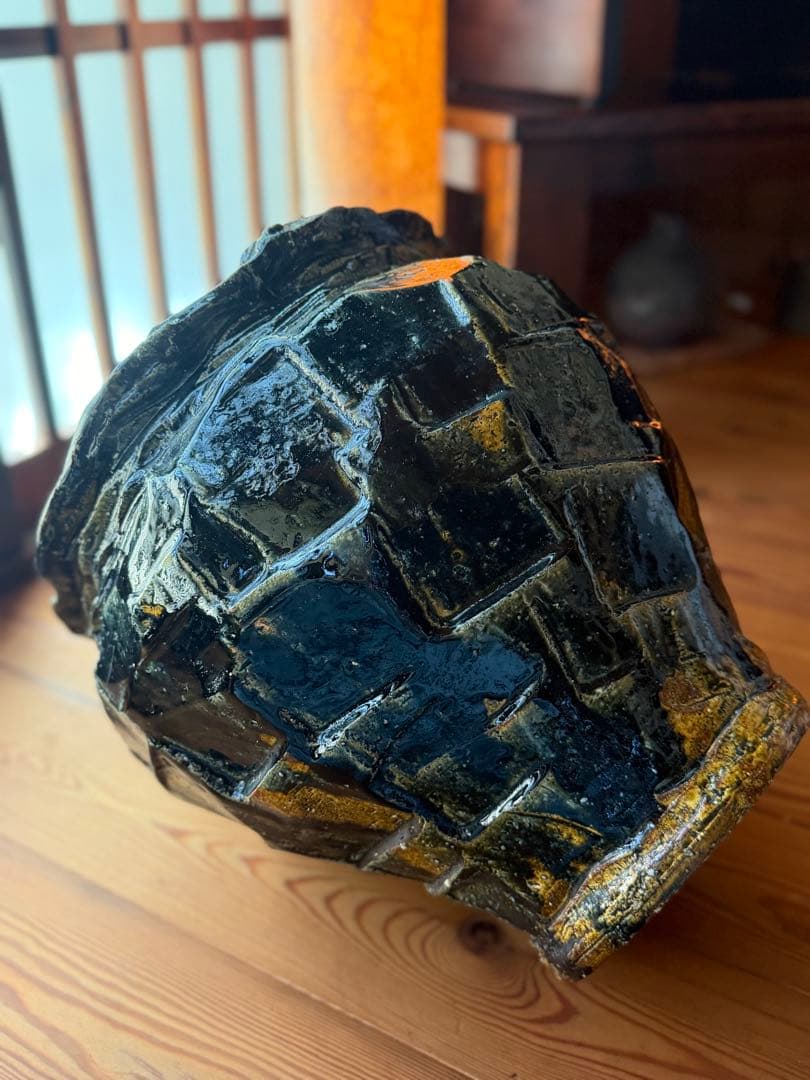
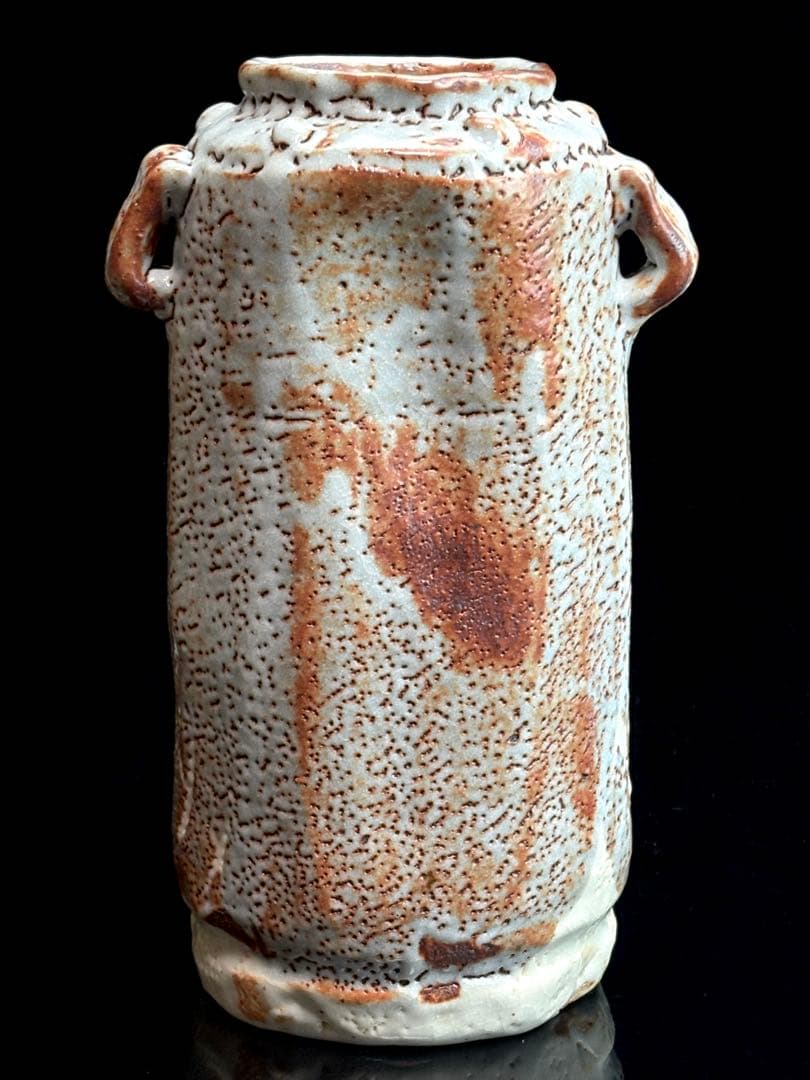
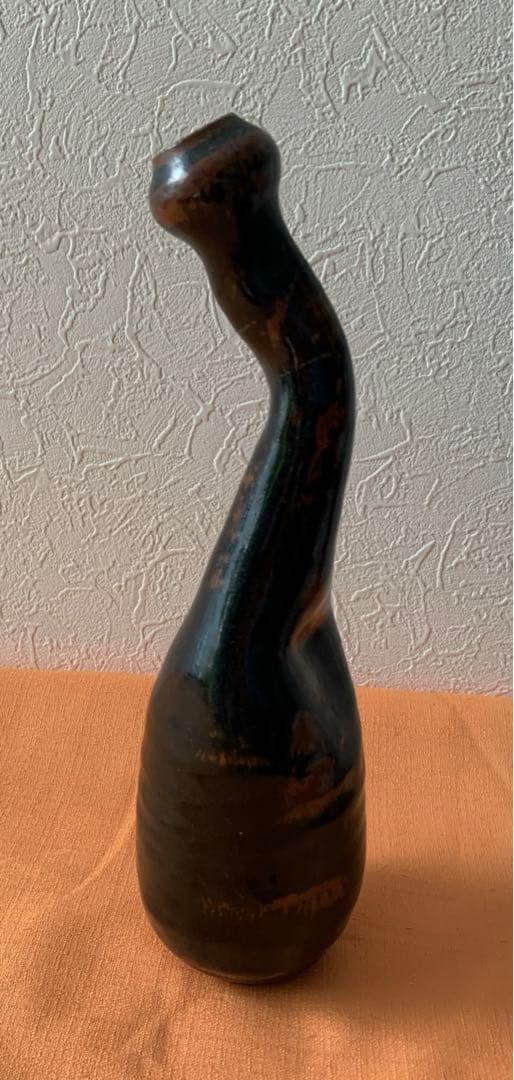
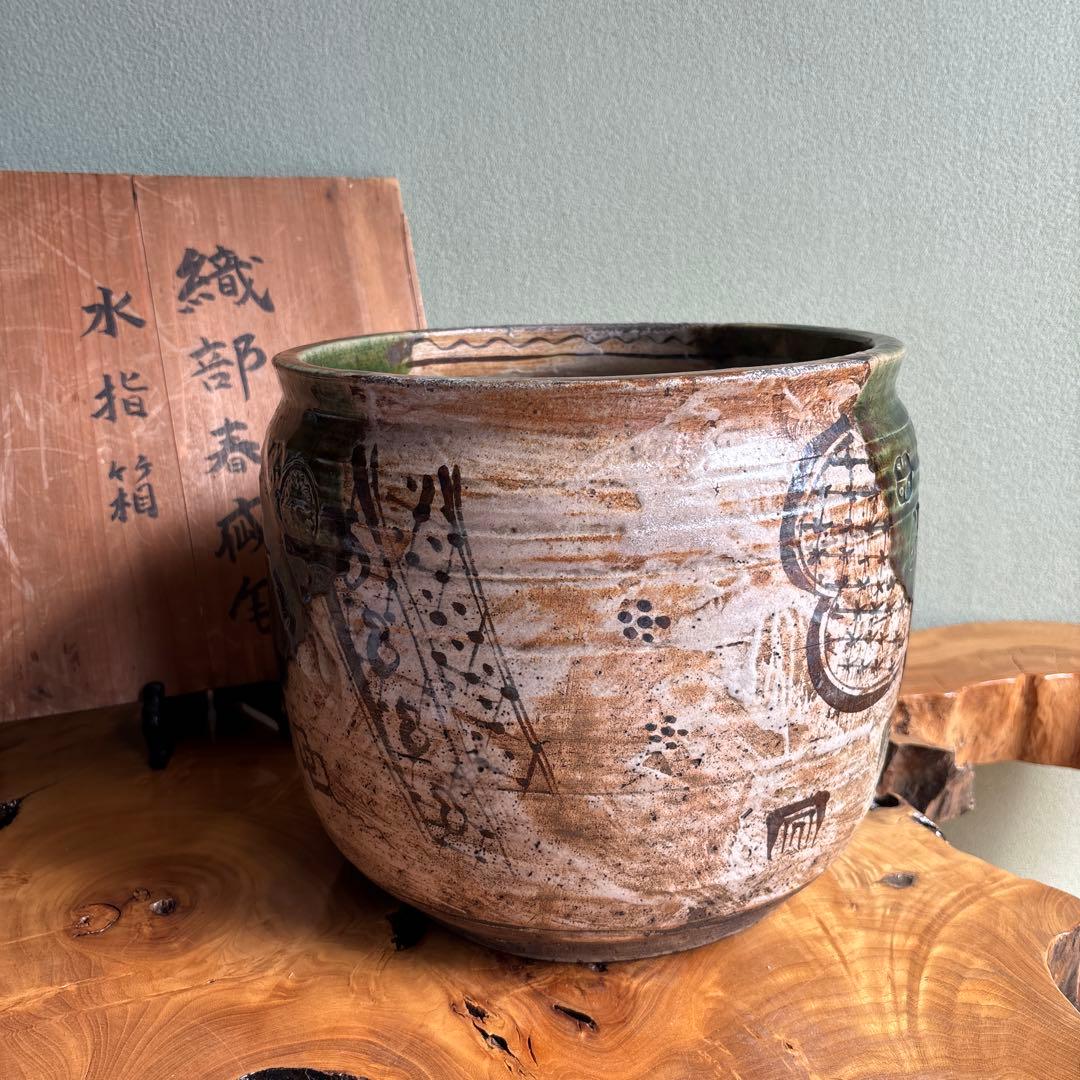
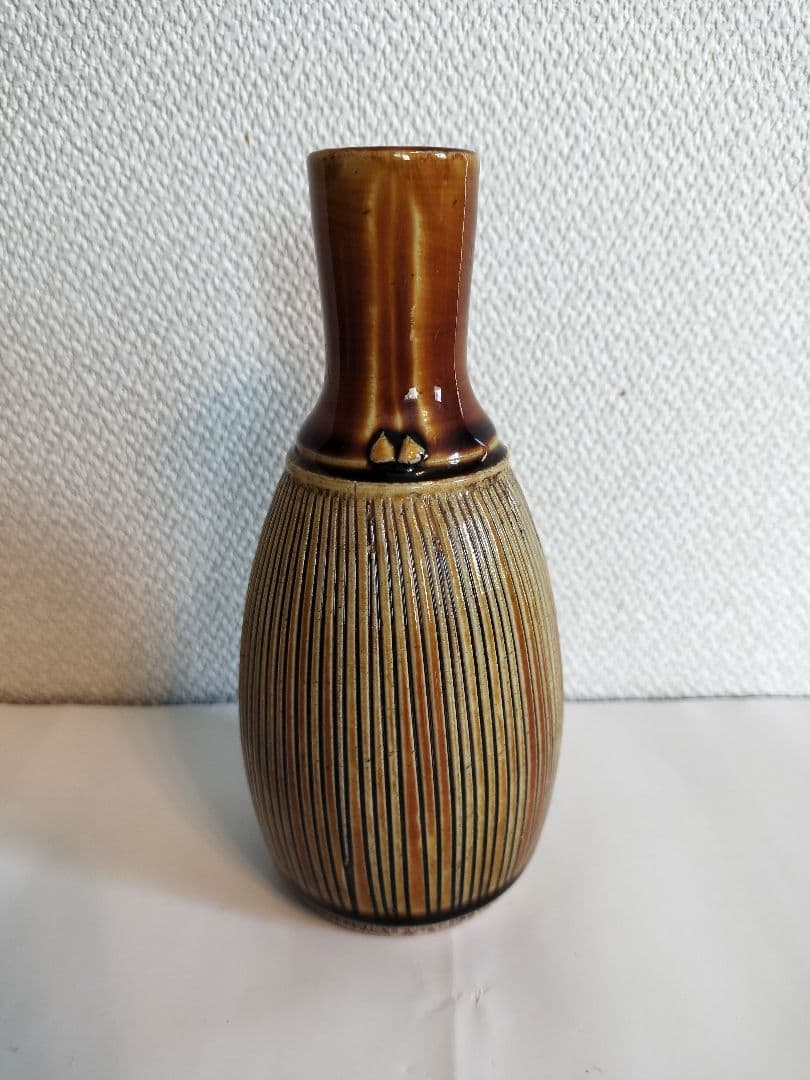
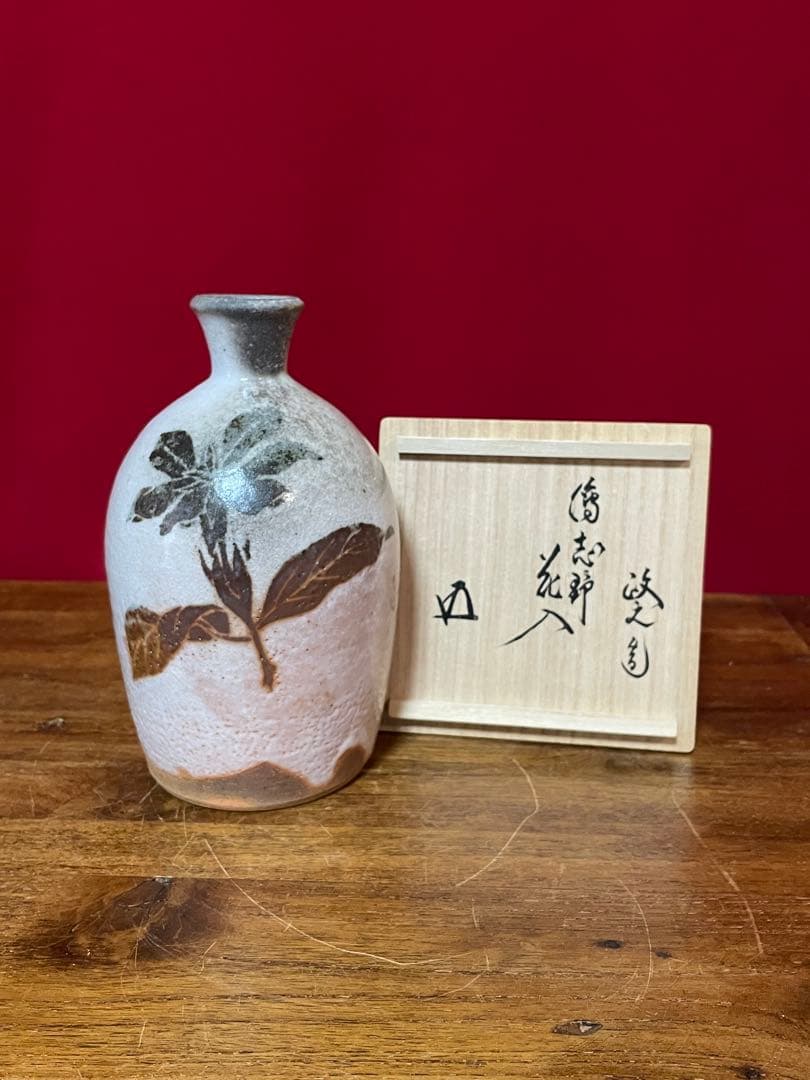
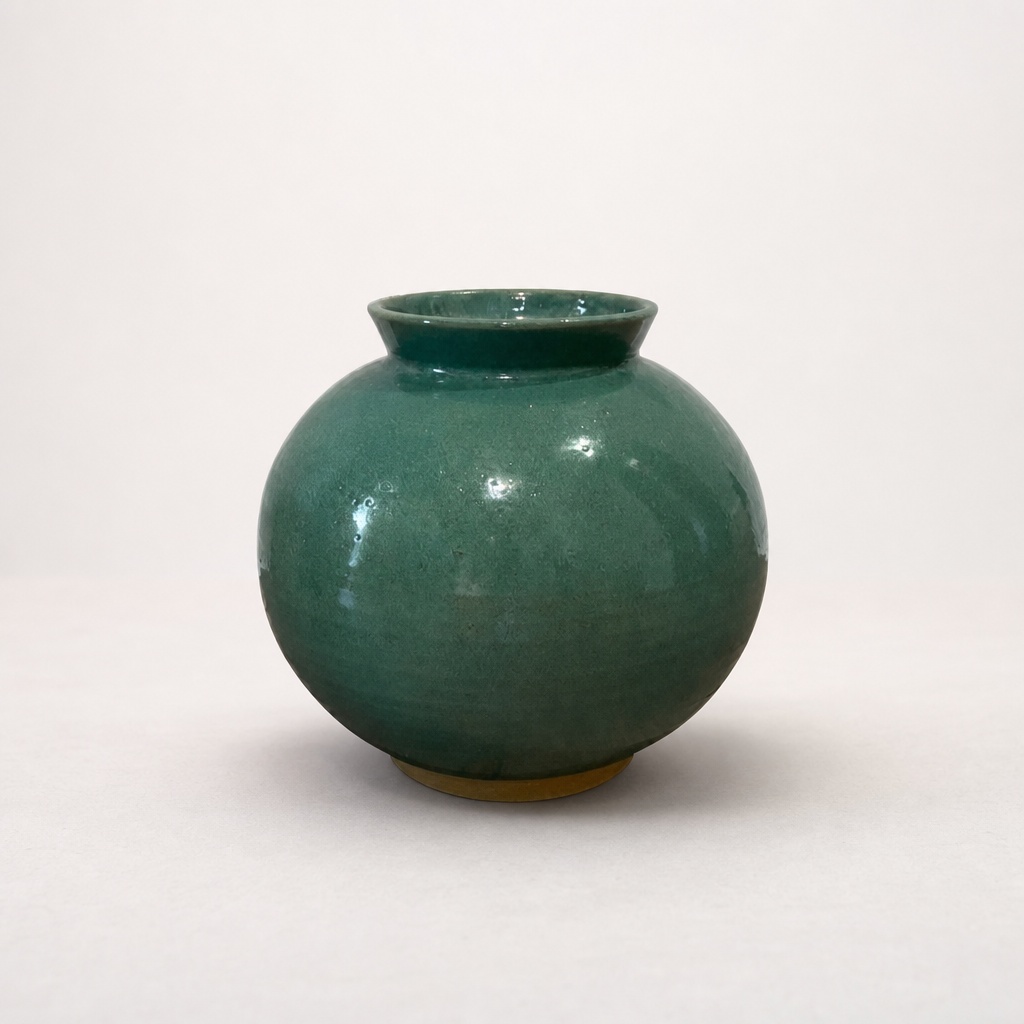
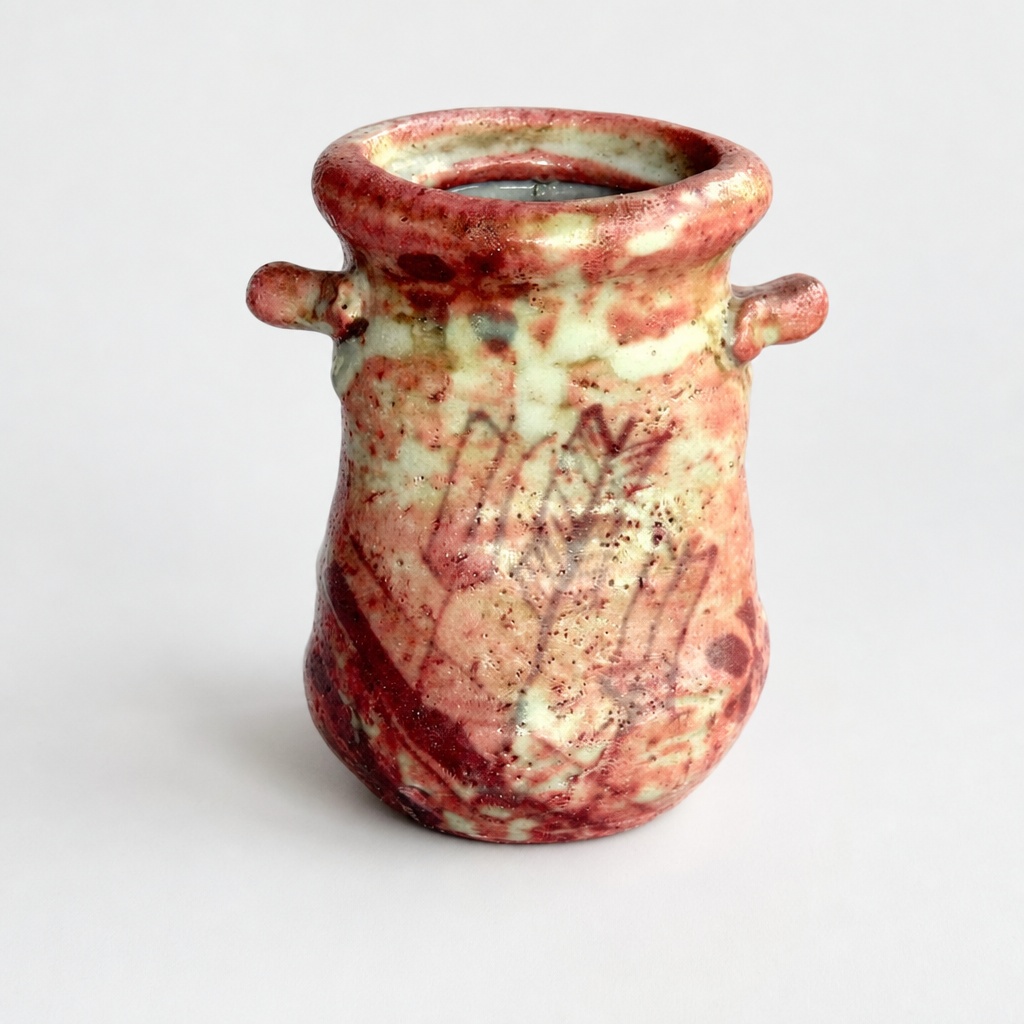
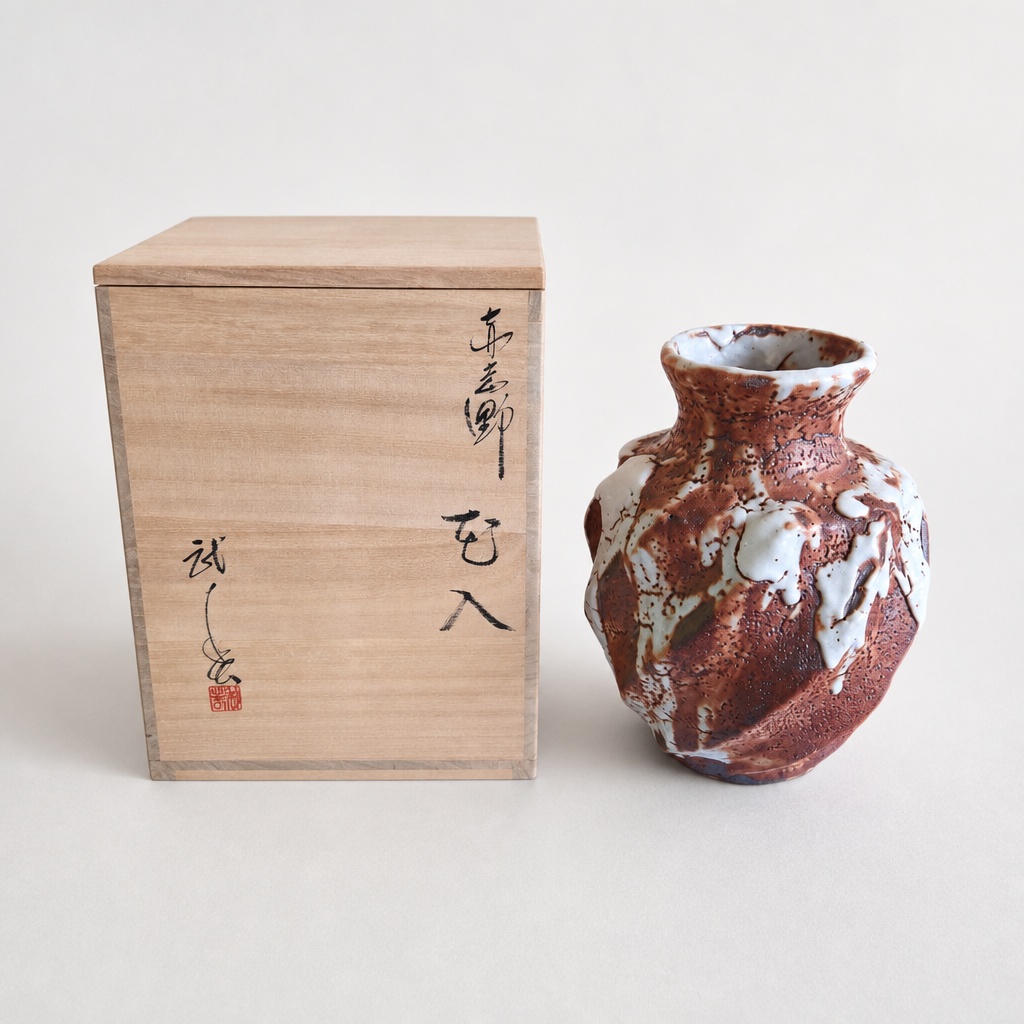
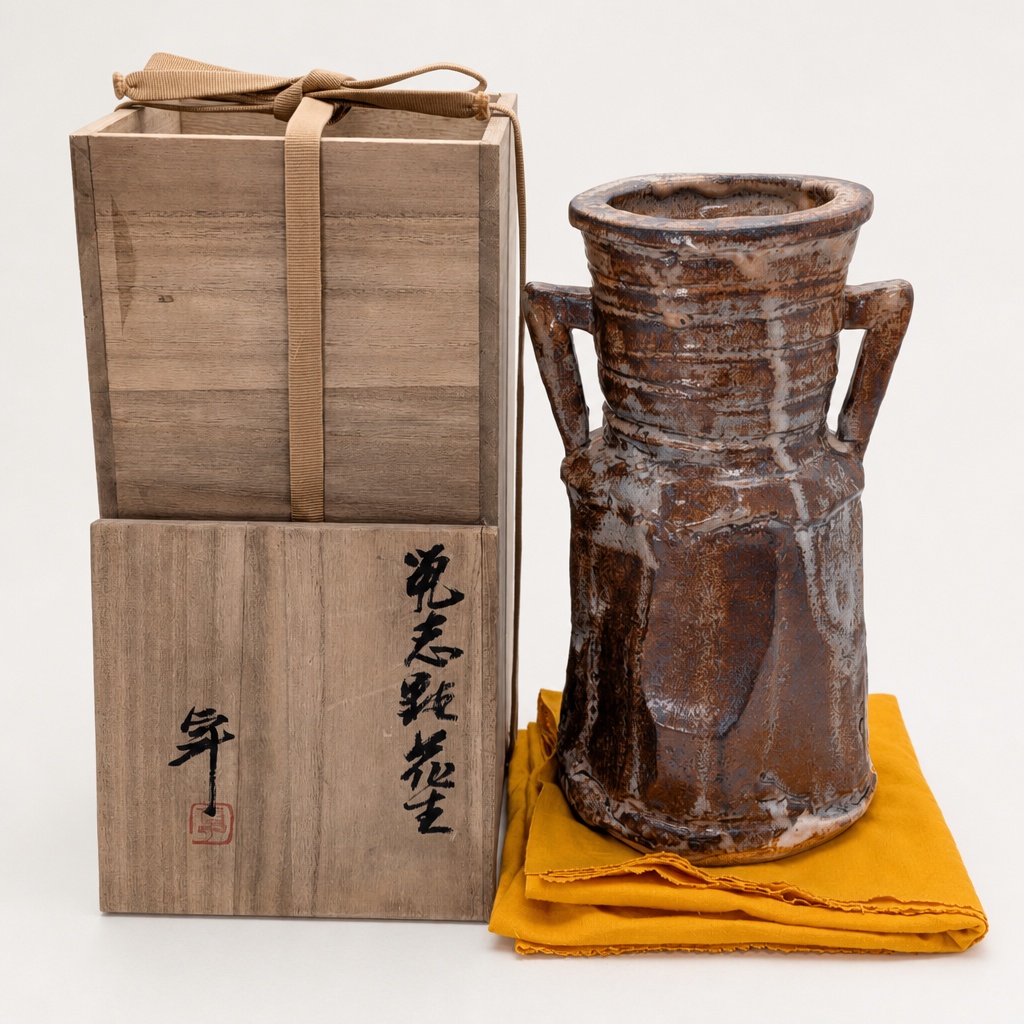
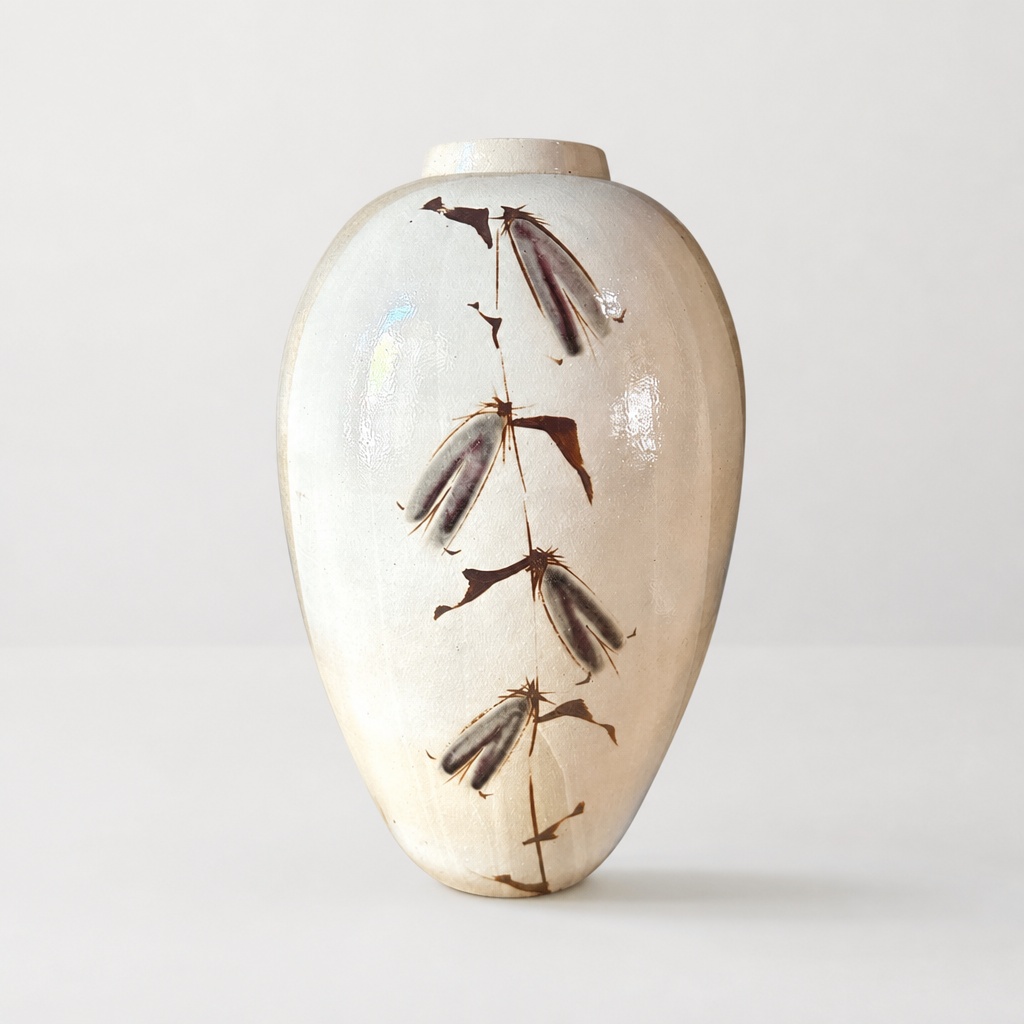
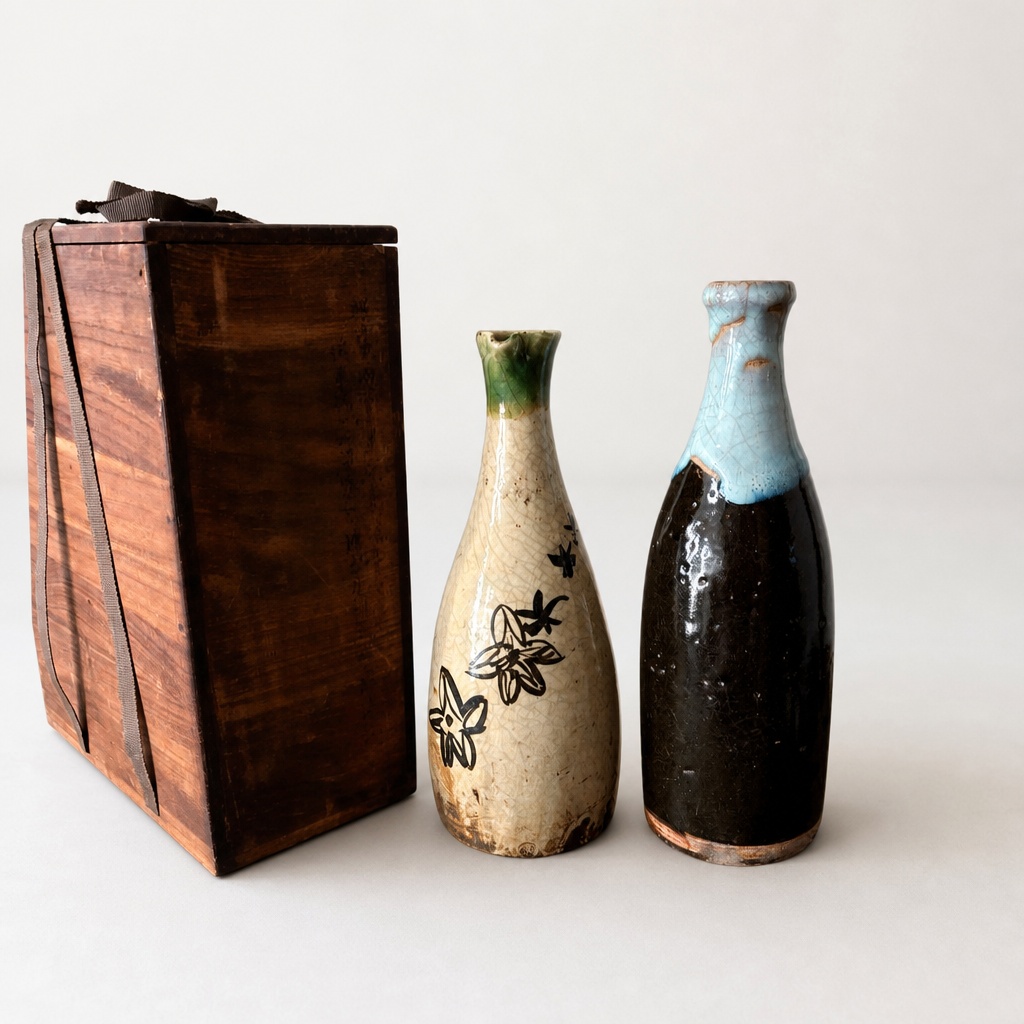
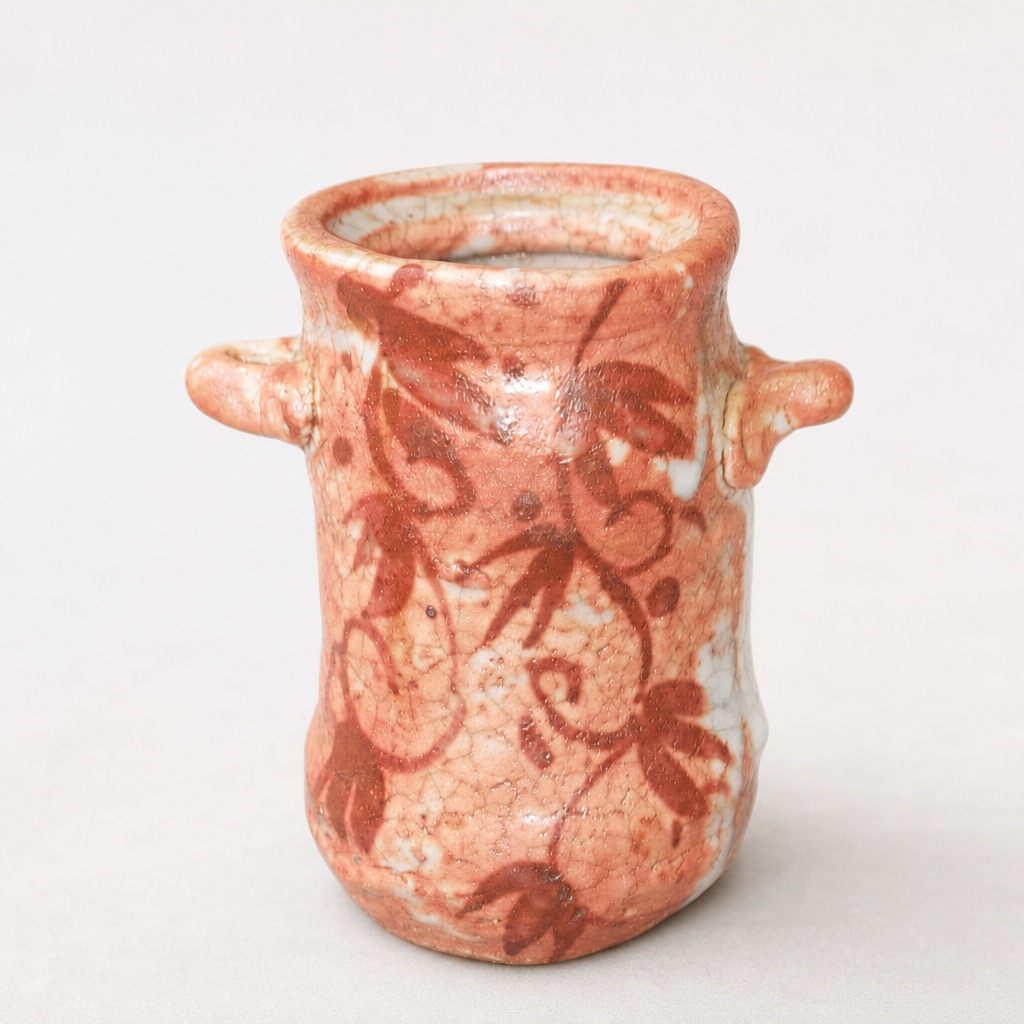
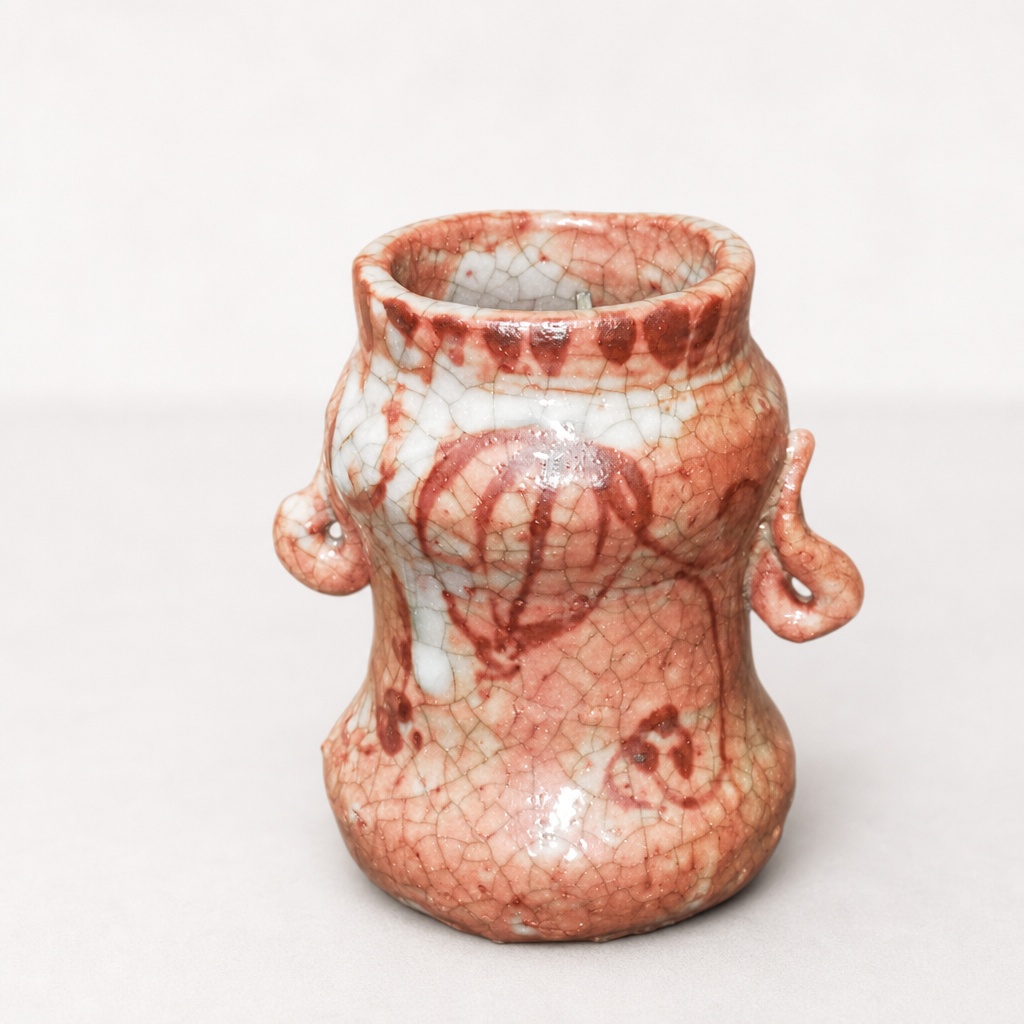
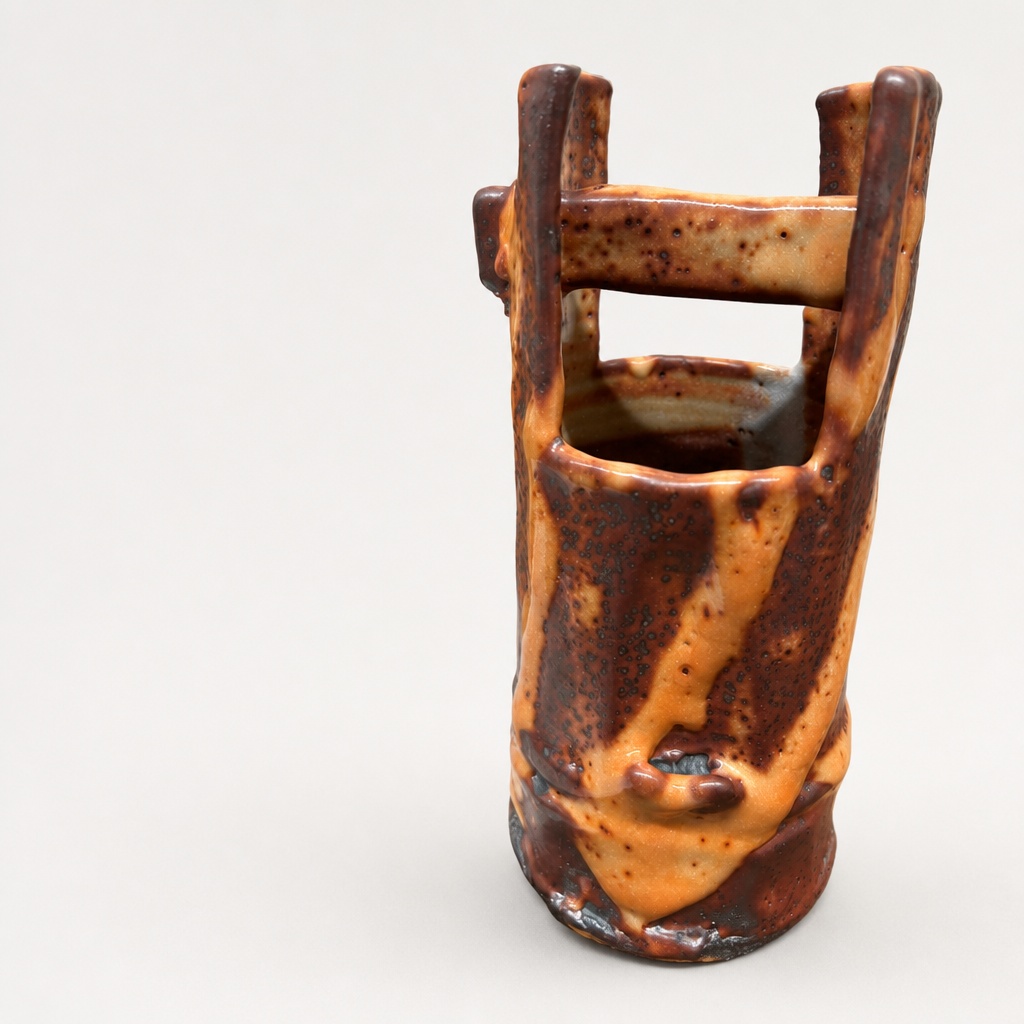
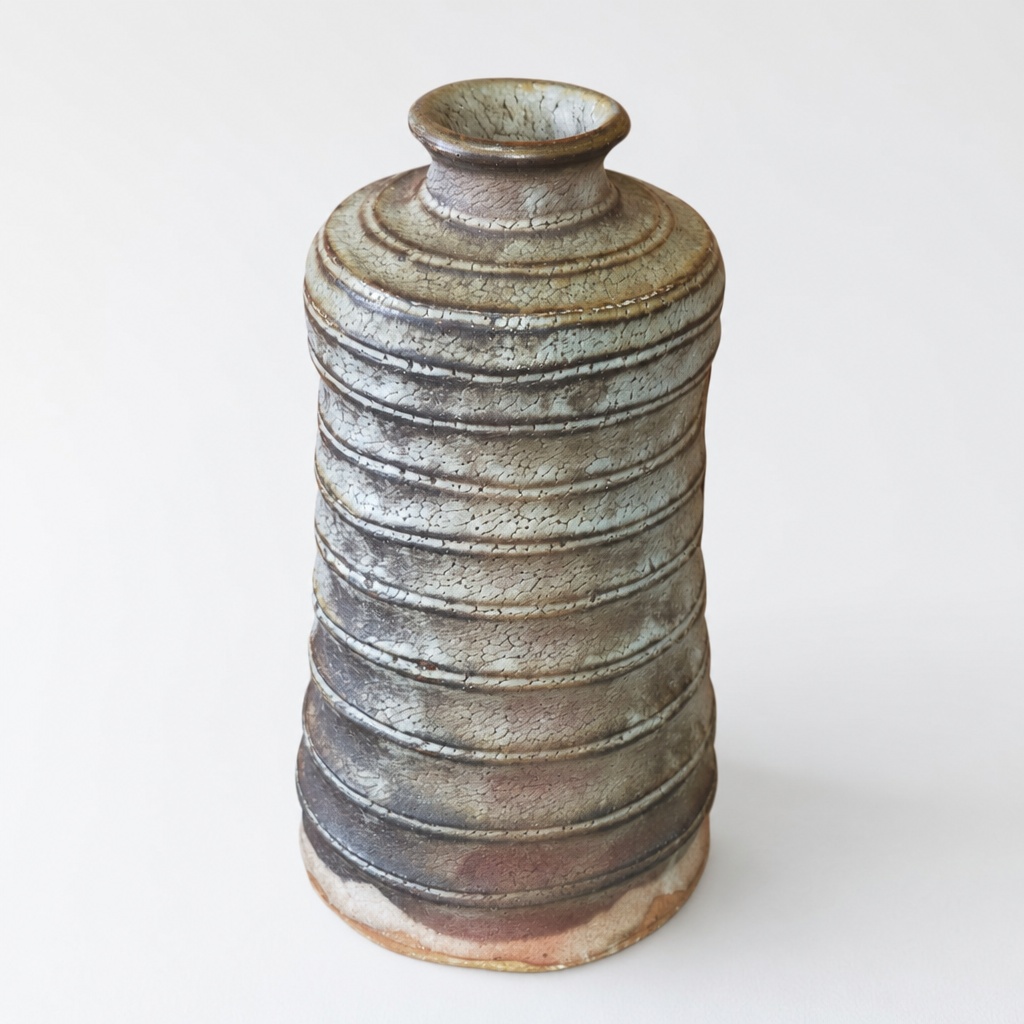
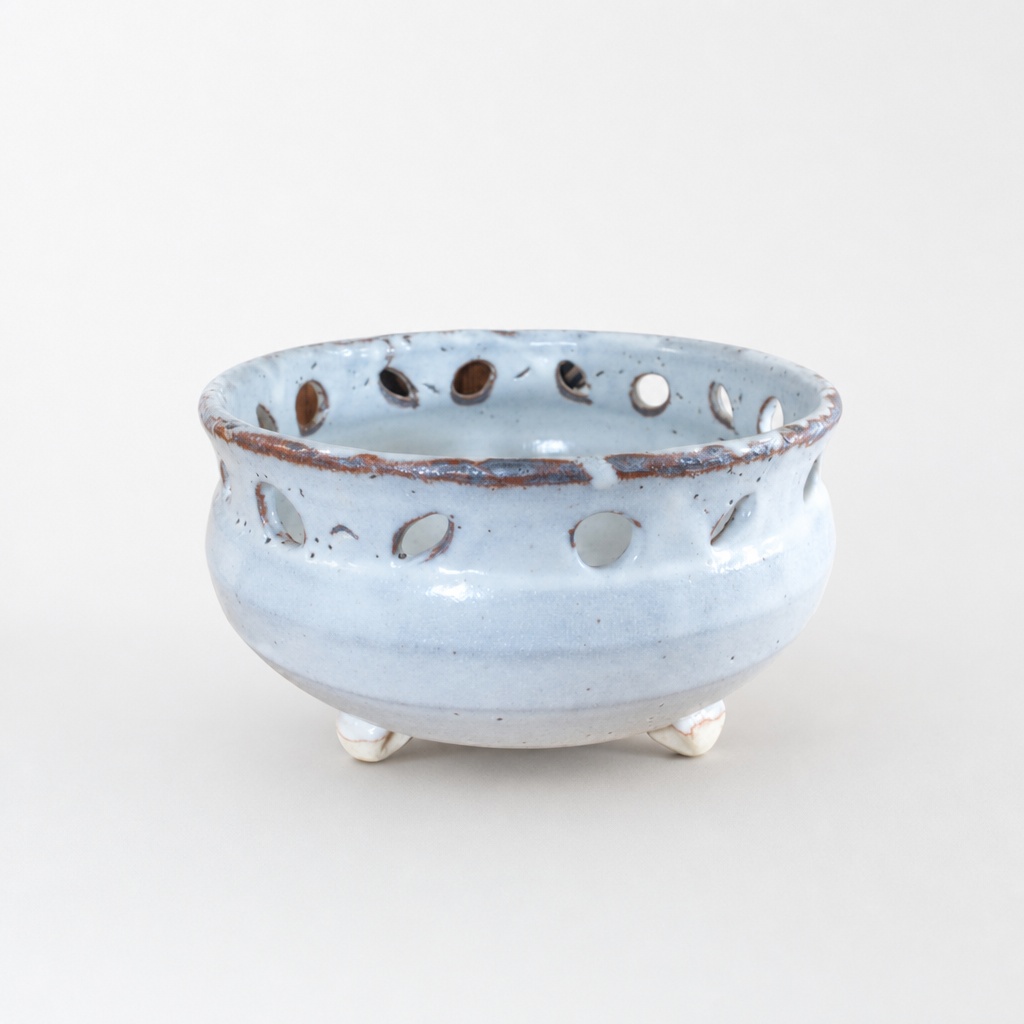
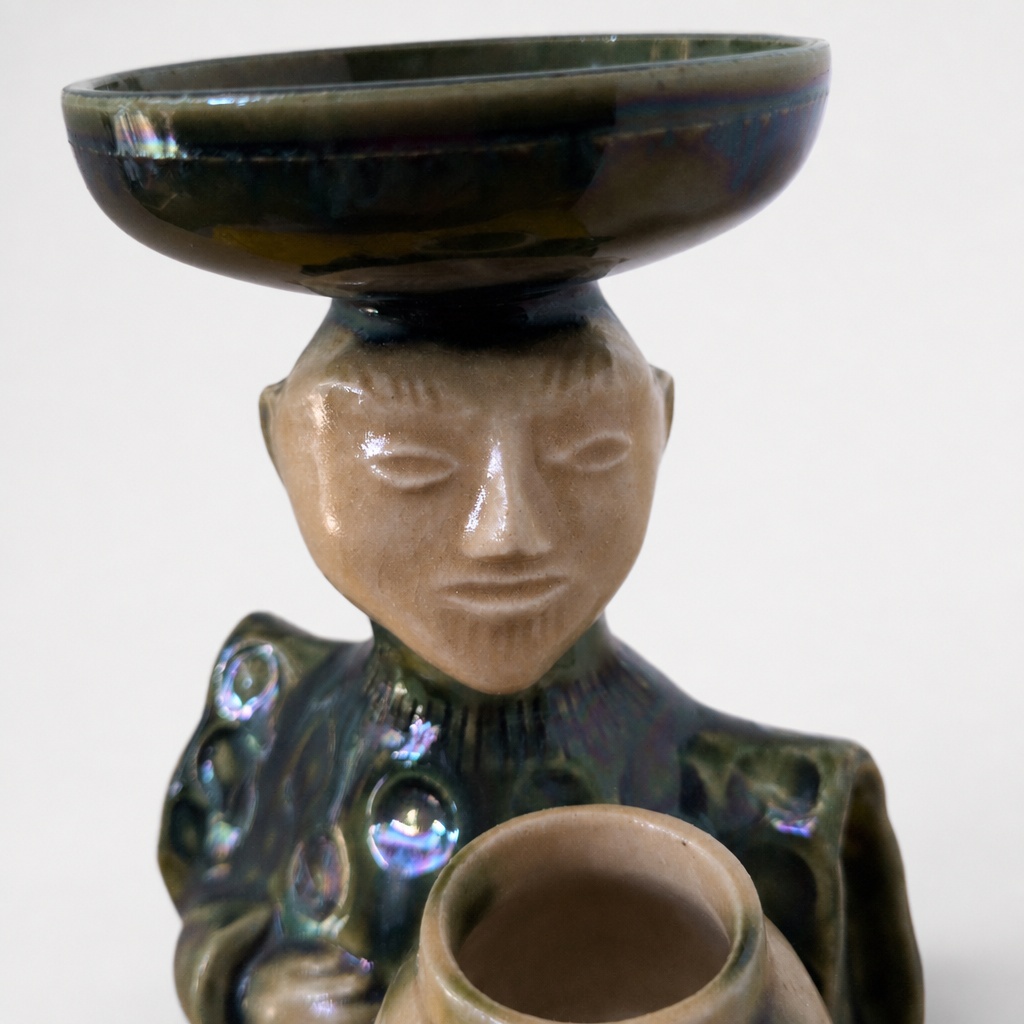
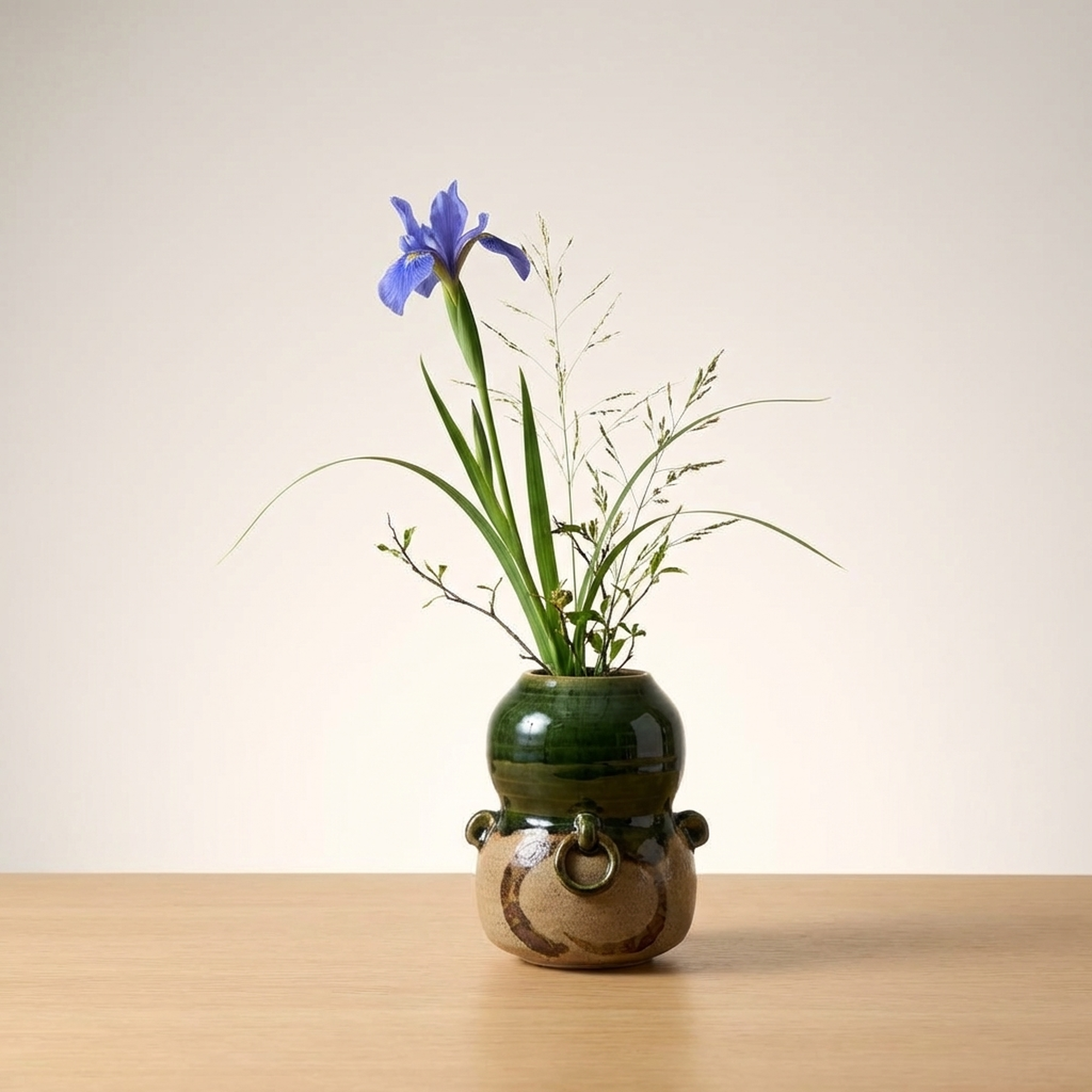
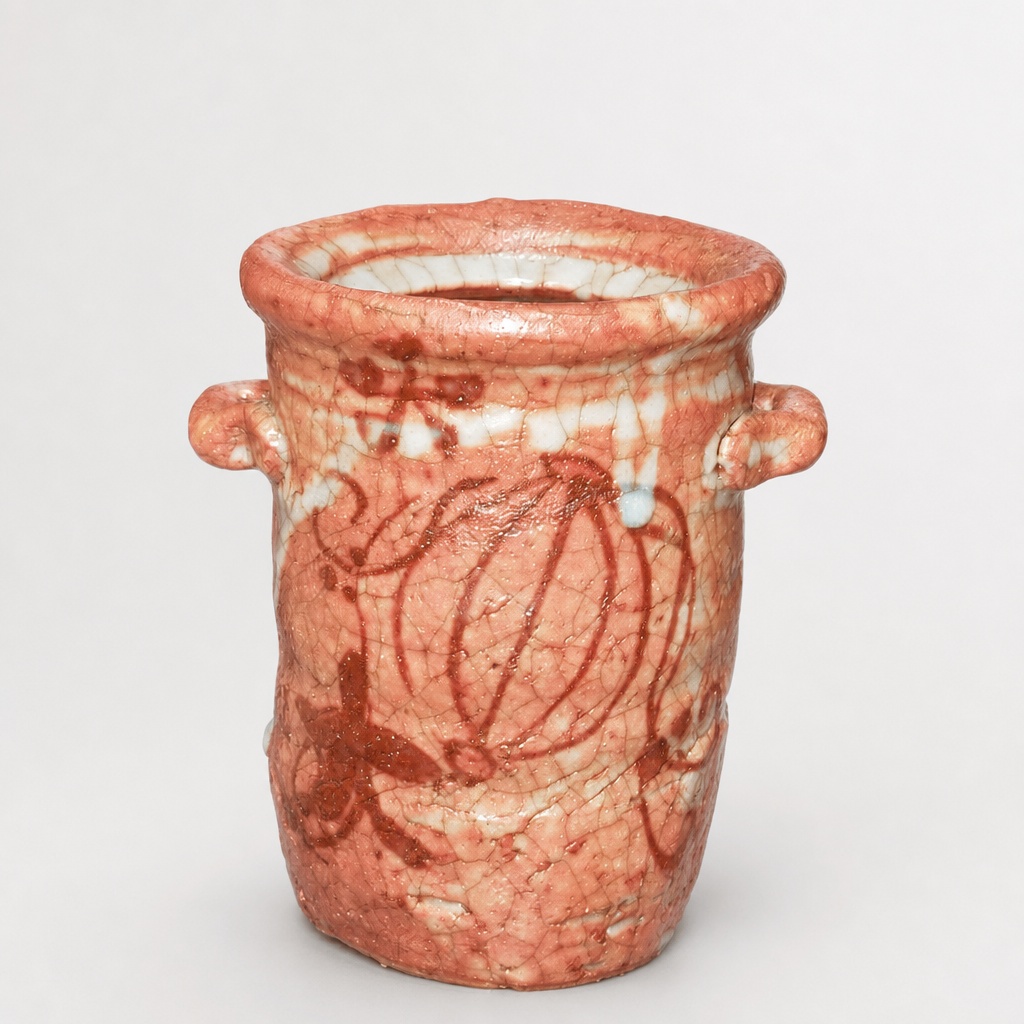
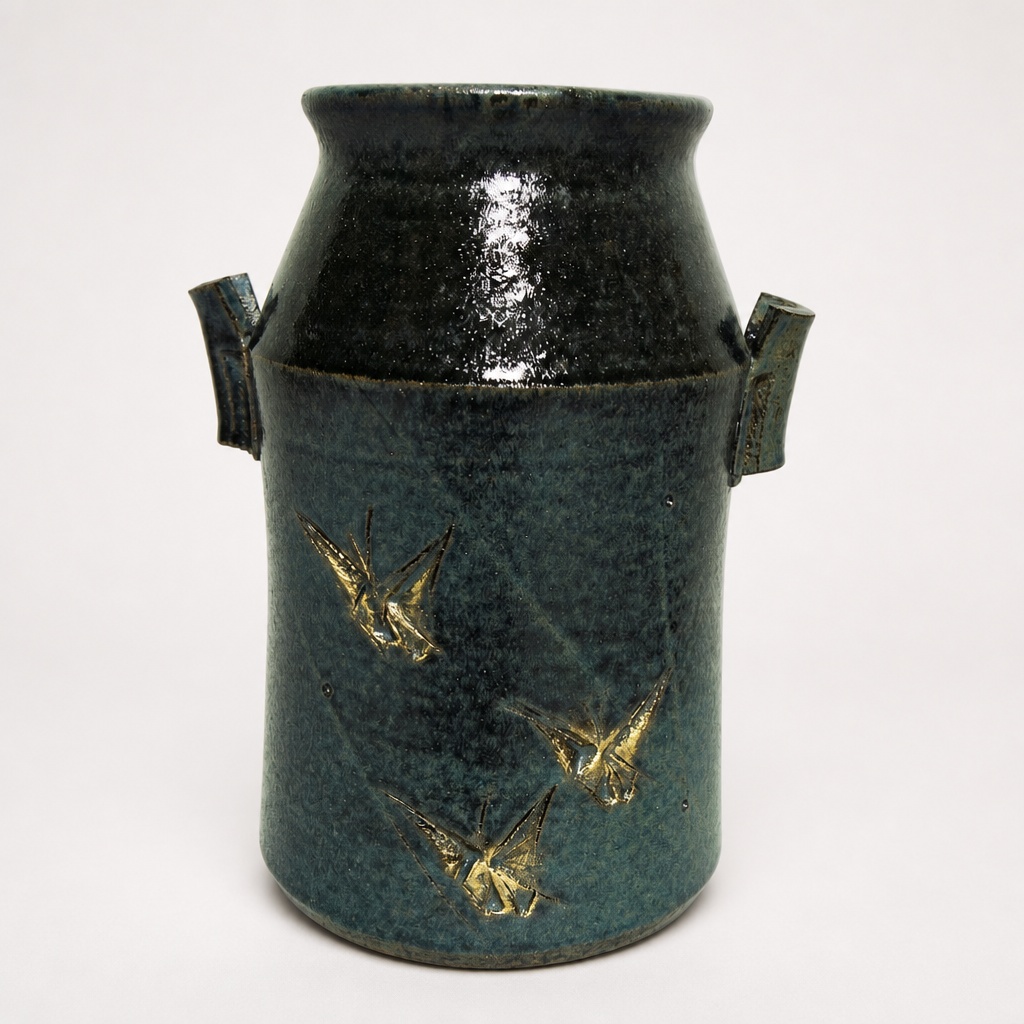
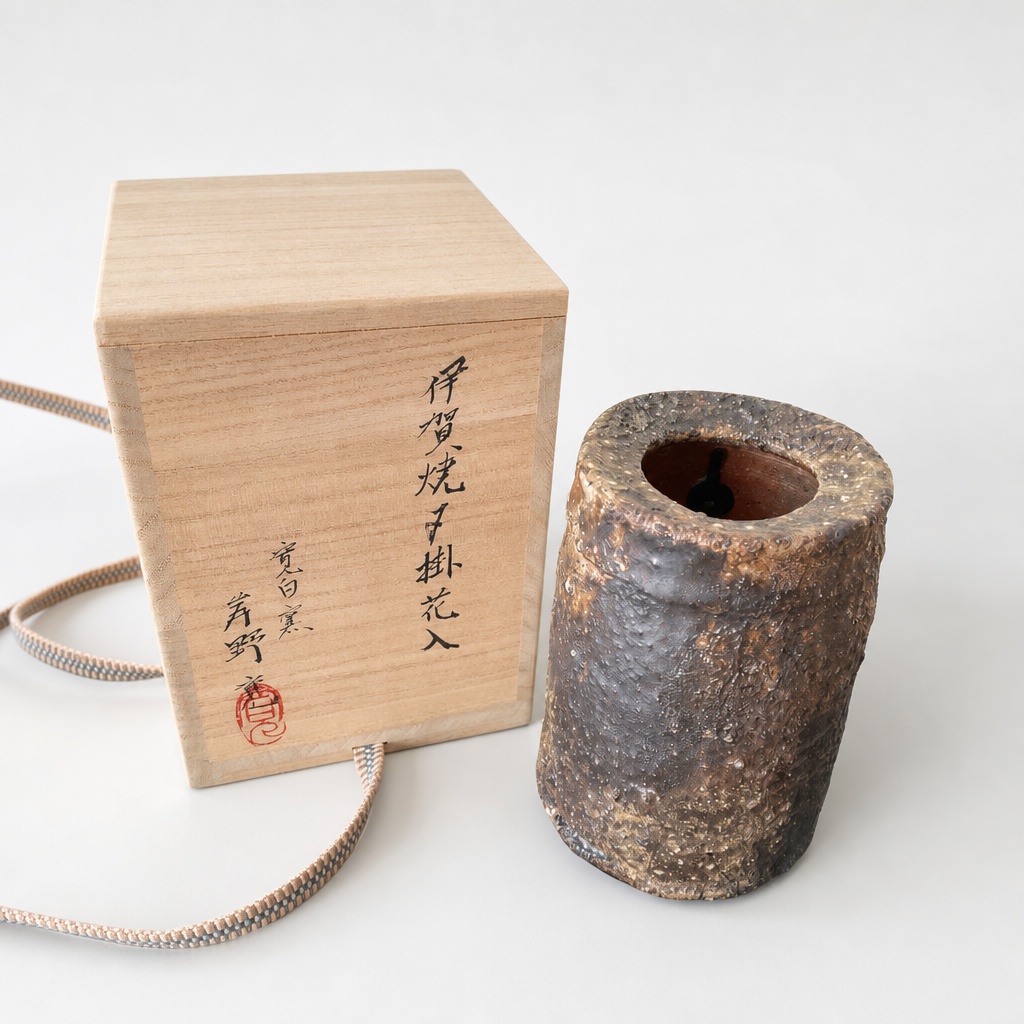
Mino ware is made in the Tōnō area of southeastern Gifu, including Tajimi, Toki, Mizunami and Kani. In the Momoyama period of the late sixteenth and early seventeenth centuries, Mino kilns produced a series of new tea ceramic styles that became central to Japanese ceramic history. Ki-Seto has a pale yellow glaze, and Seto-guro is a black ware pulled from the kiln while still hot. Shino has a thick white feldspar glaze, the first white-glazed ware made in Japan. Oribe is named after the tea master Furuta Oribe and combines green copper glaze with painted designs and unusual shapes. Because these wares were long thought to come from Seto, some names still include 'Seto'. Mino later became a large producer of everyday tableware, and twentieth-century potters such as Arakawa Toyozō revived its Momoyama styles.
Ton und Brand
Local clays including the white mogusa clay used for Shino; feldspar glaze (Shino), copper green glaze (Oribe), iron and ash glazes (Ki-Seto, Seto-guro); historically fired in anagama and later in multi-chambered climbing kilns.
So erkennen Sie Mino ware (Shino, Oribe, Ki-Seto, Seto-guro)
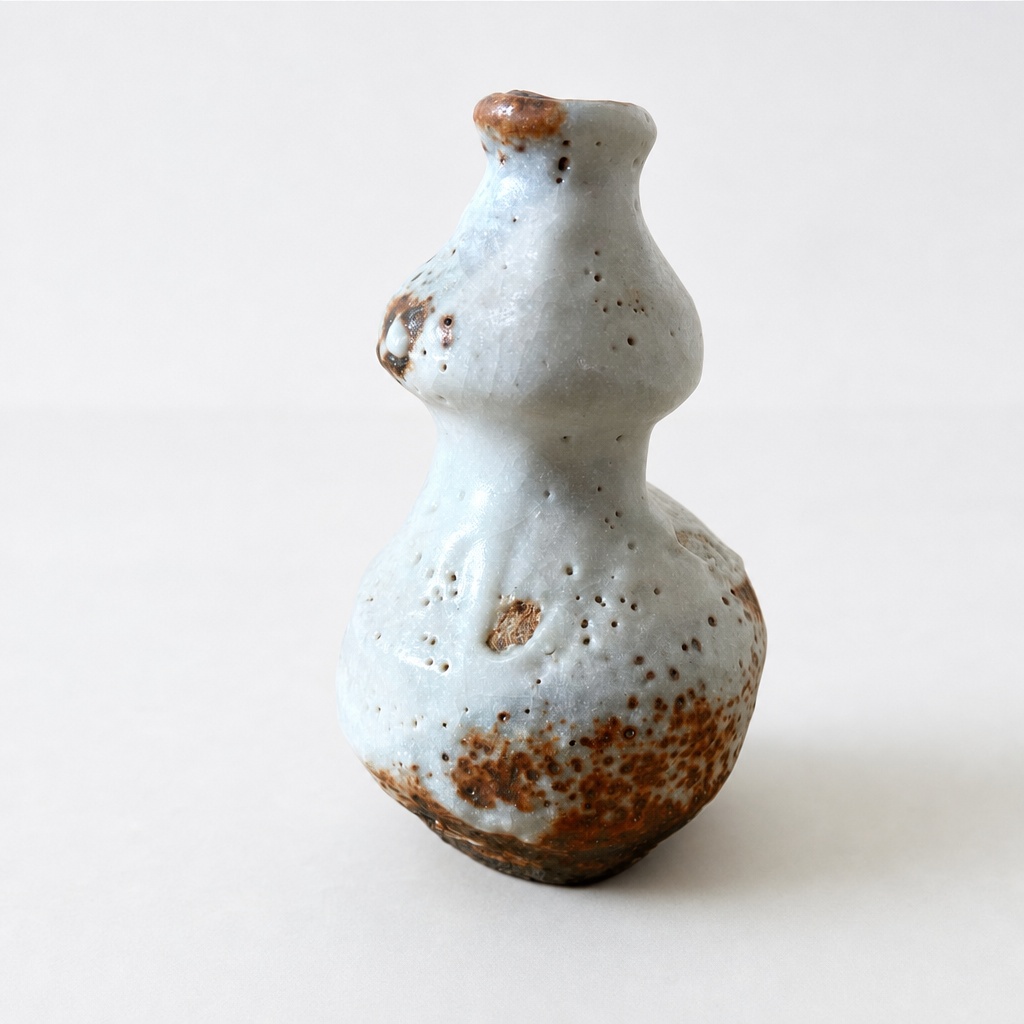
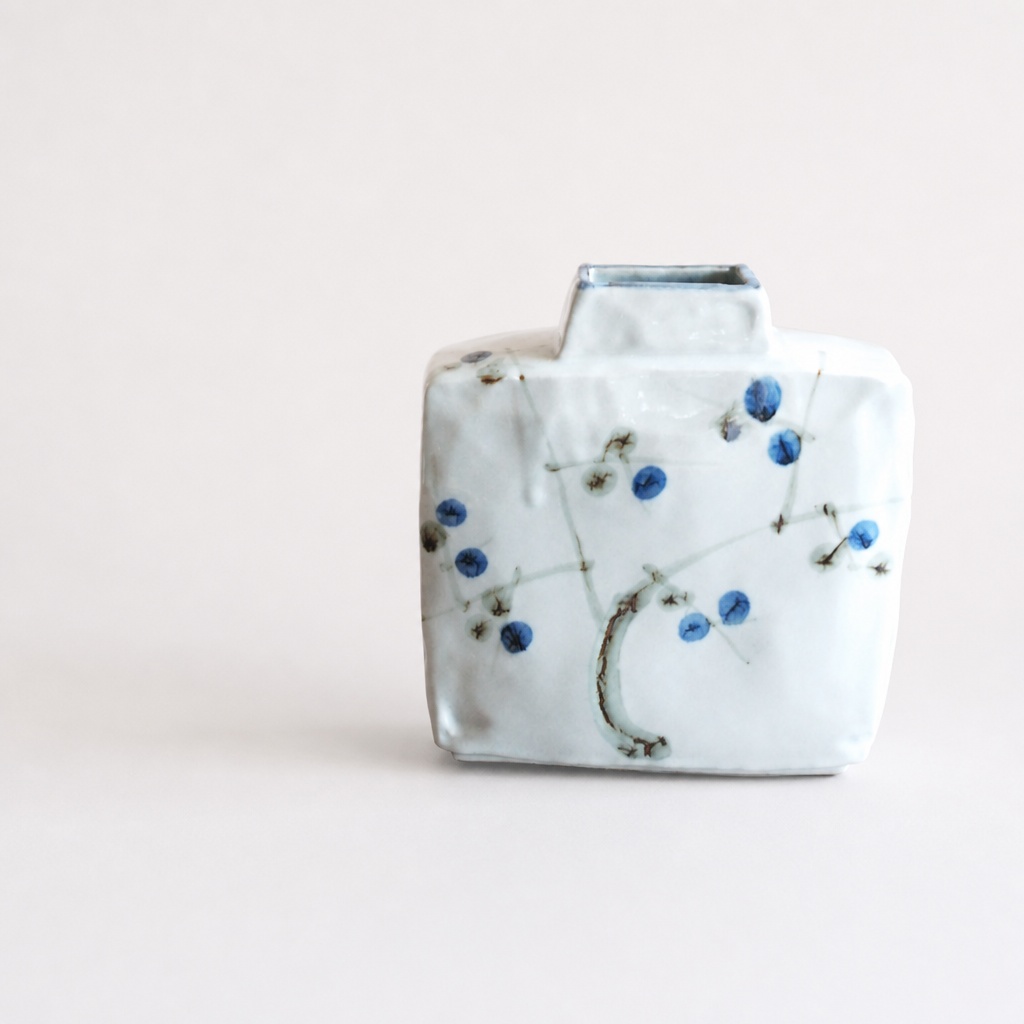
Shino: thick milky-white feldspar glaze with tiny pinholes and orange-red scorched patches at thin areas; Oribe: glossy copper-green glaze over part of the piece with iron-brown painted geometric or plant motifs; Ki-Seto: soft, matt pale yellow glaze, sometimes with green copper or brown iron spots.
- Traditional Craft designated by METI (1978)