瀬戸焼
Seto ware
Aichi · Kamakura period (Ko-Seto glazed wares)
One of Japan's oldest ceramic centres; its name became the everyday Japanese word for ceramics, 'setomono'.
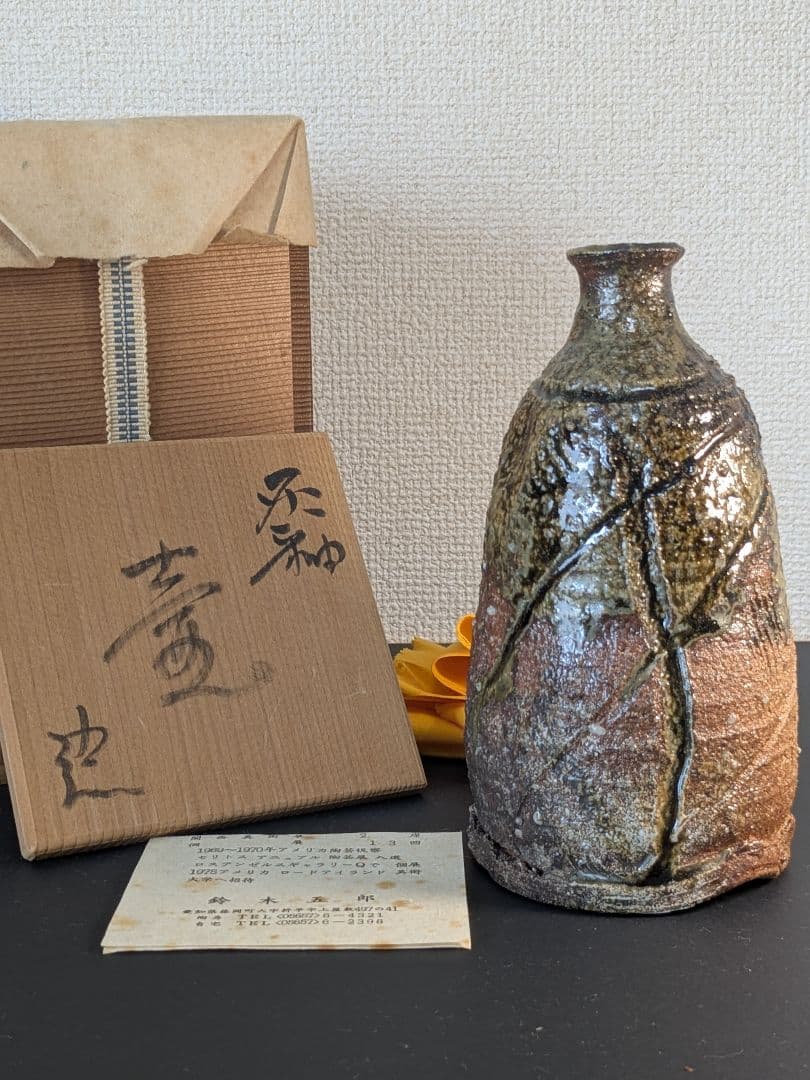
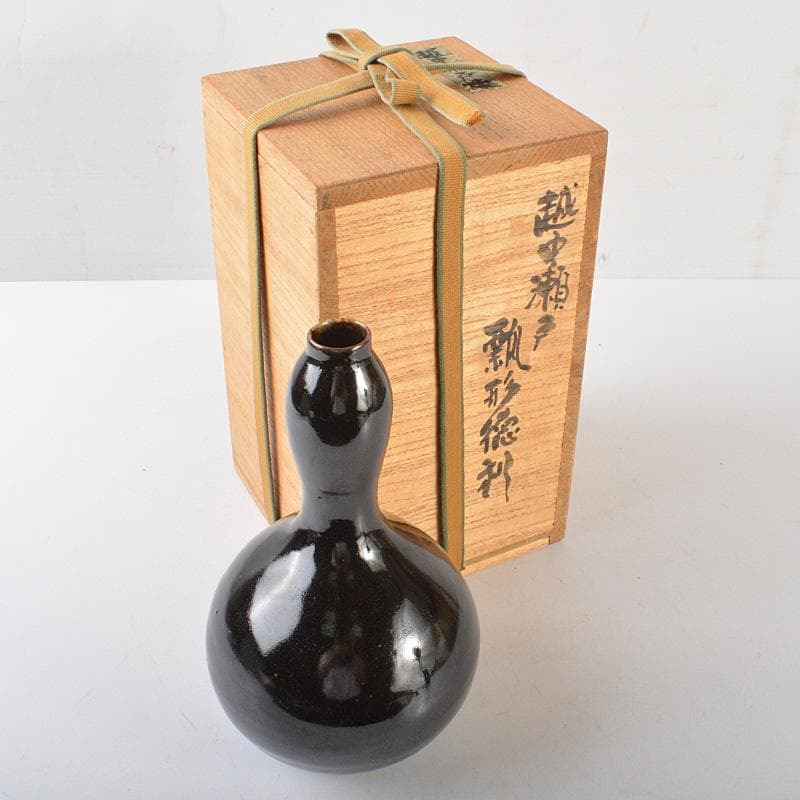
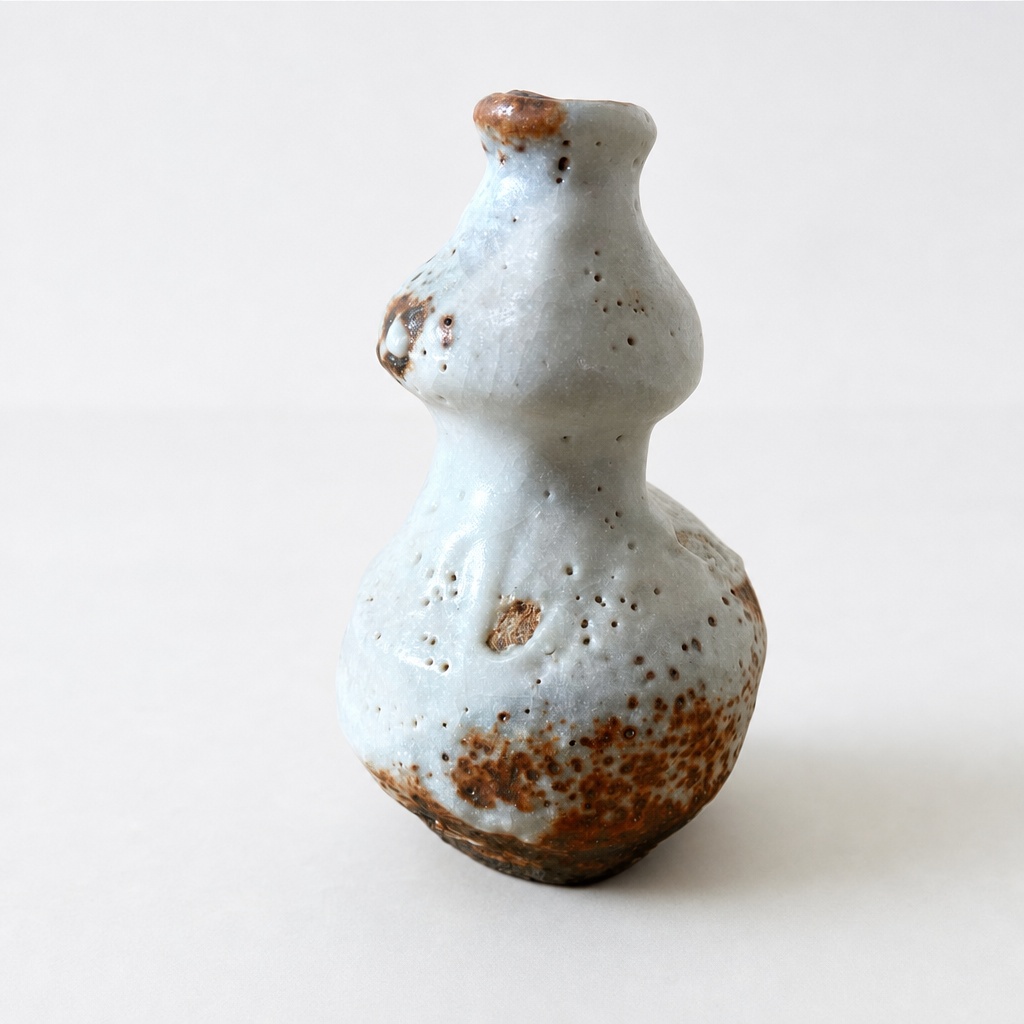
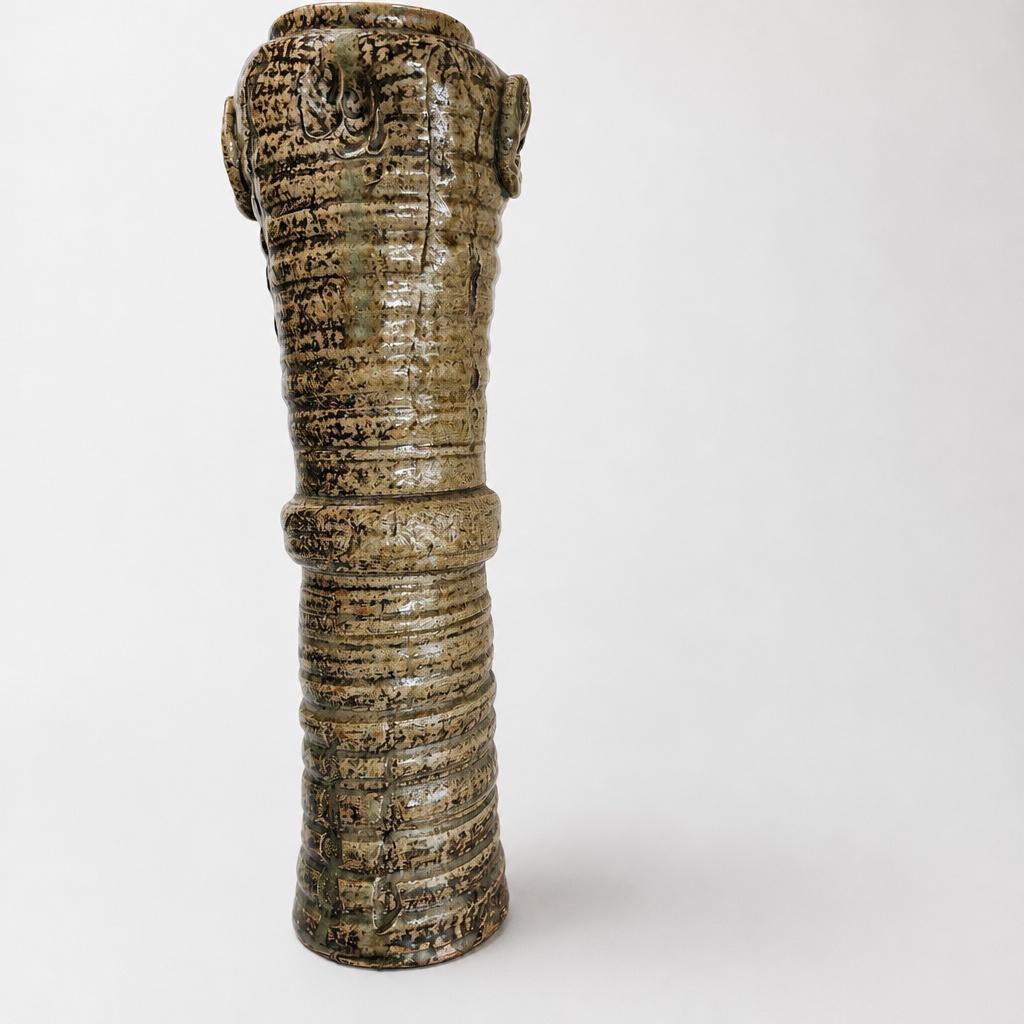
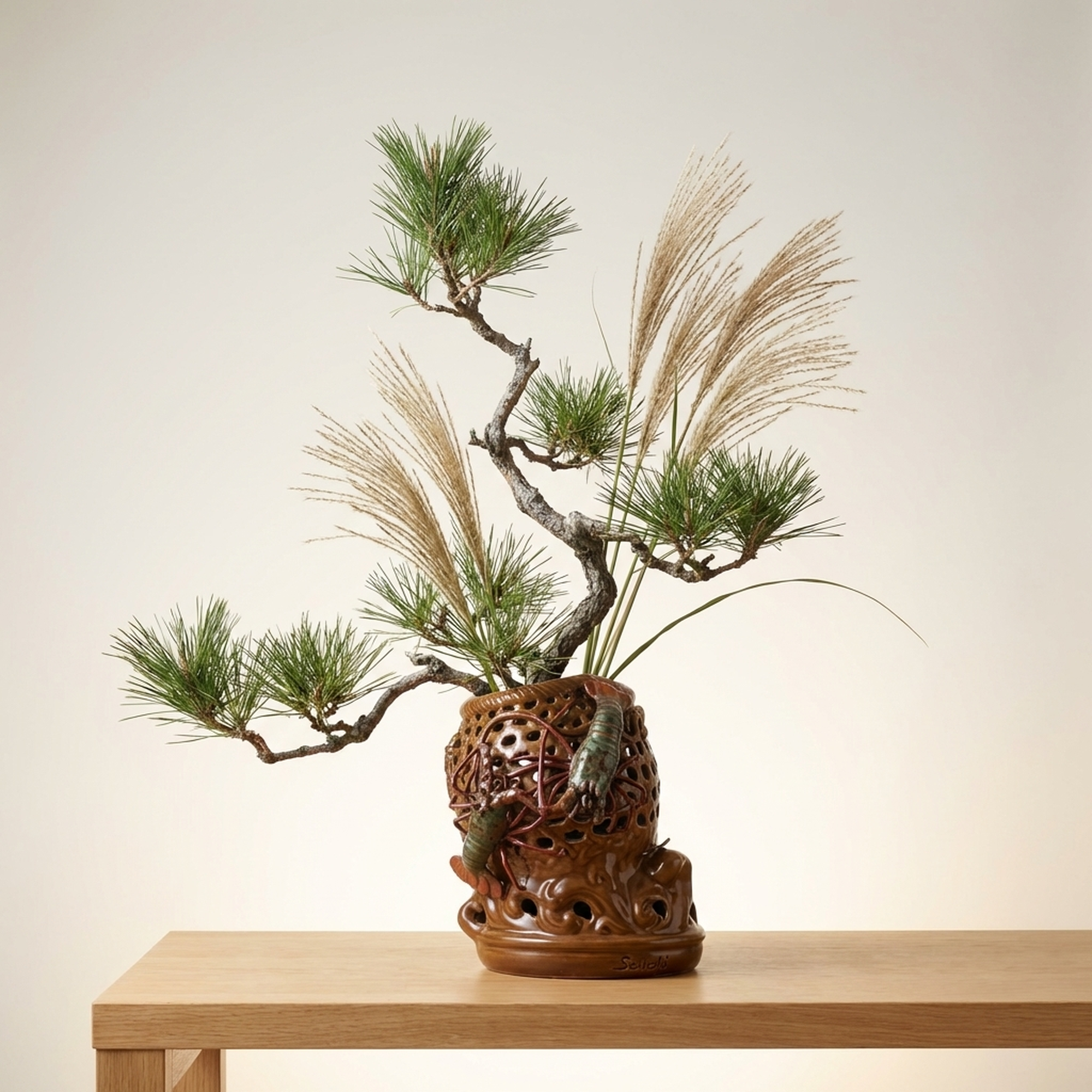
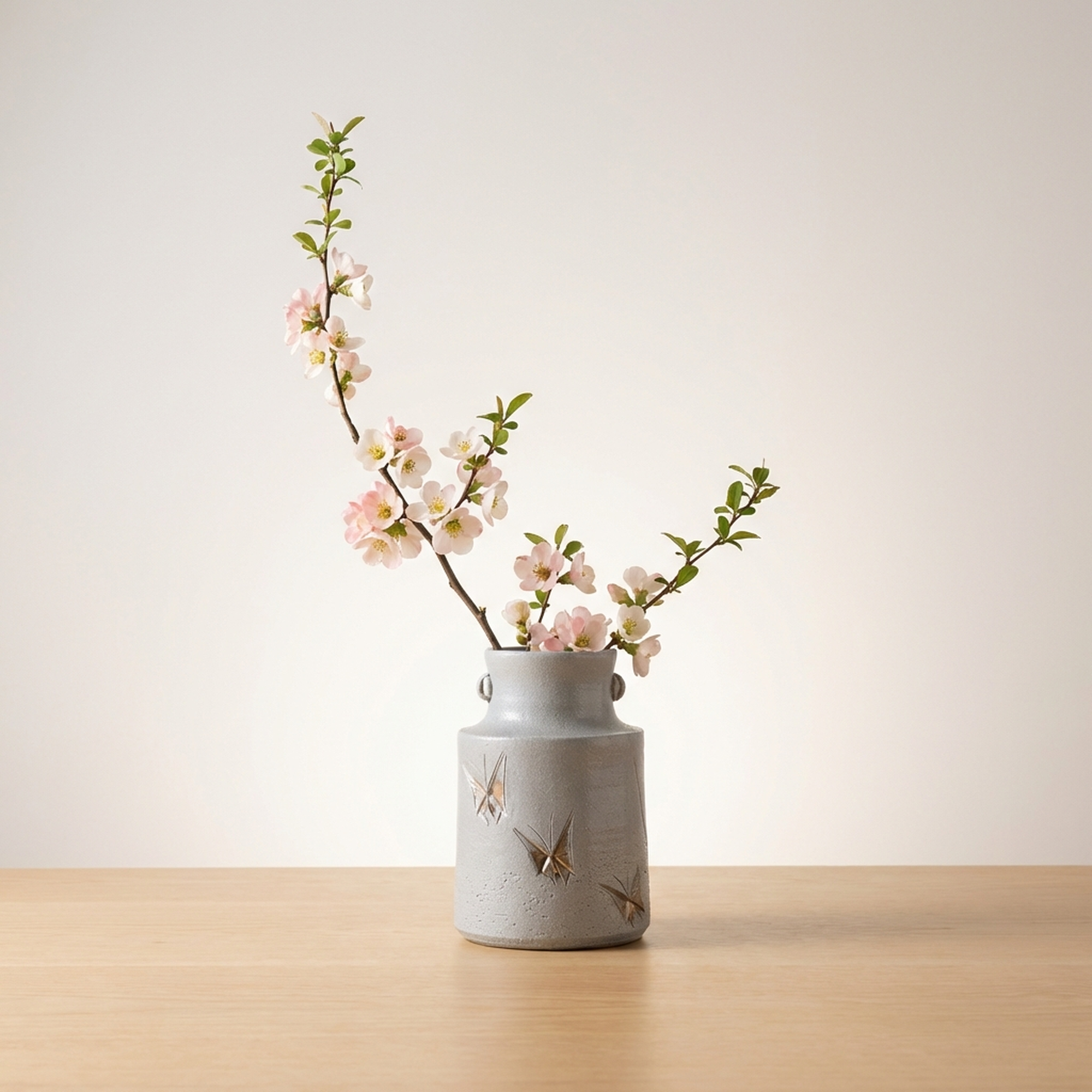
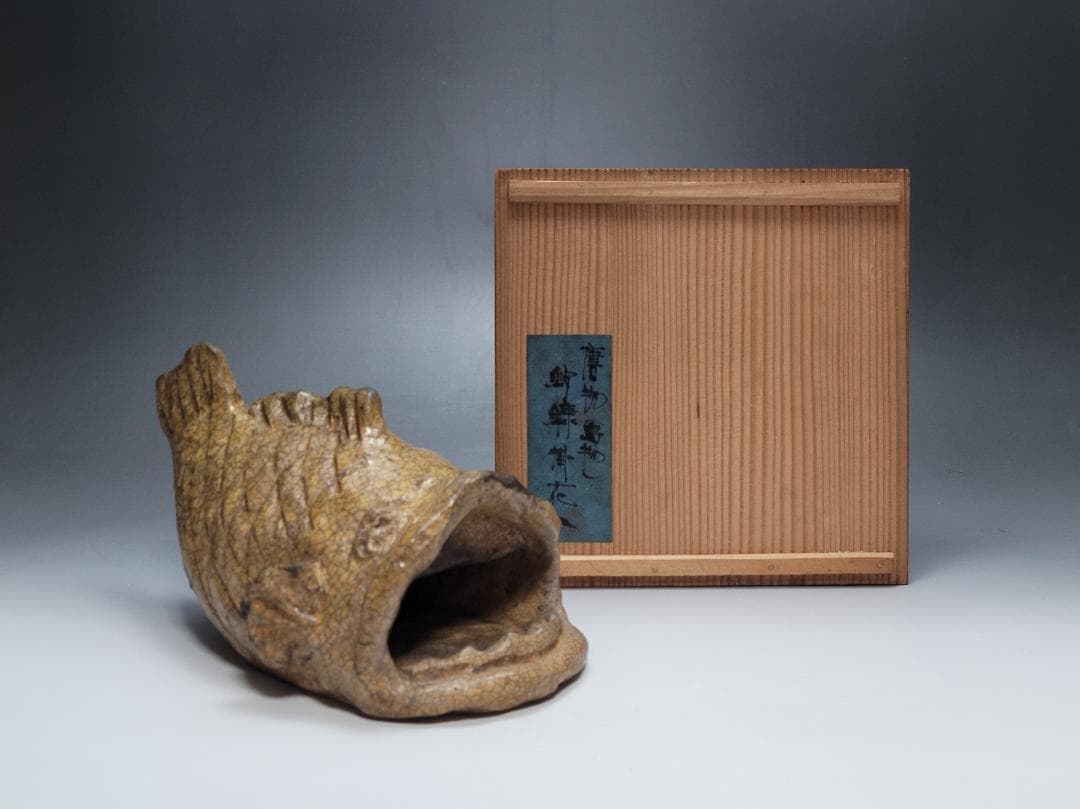
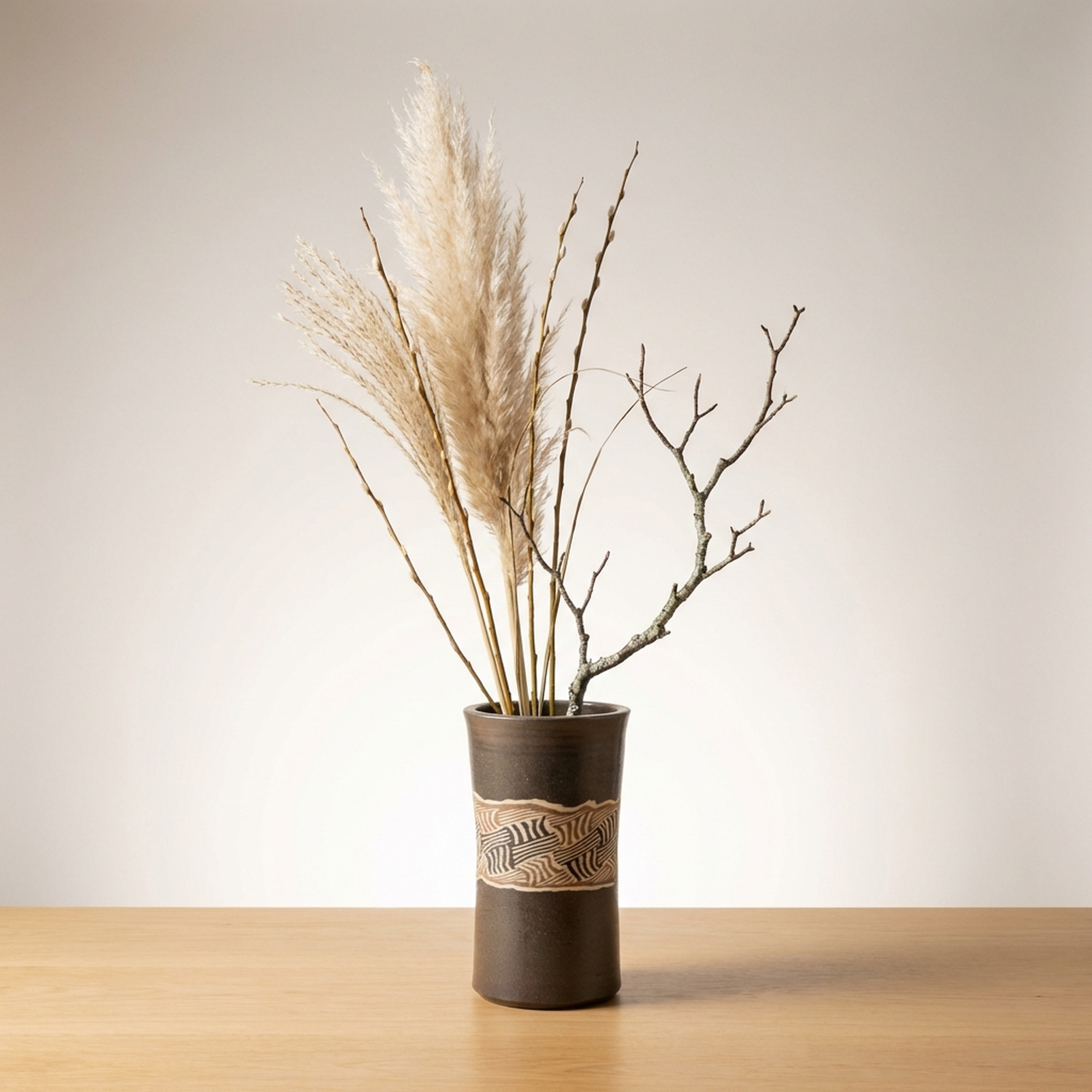
Seto, east of Nagoya, has been a ceramic centre for many centuries. In the Kamakura and Muromachi periods its kilns made Ko-Seto ('old Seto'), glazed stoneware with ash and iron glazes inspired by Chinese ceramics, at a time when most Japanese kilns made unglazed ware. Production later moved partly to the neighbouring Mino region, but Seto remained active through the Edo period, making tea wares and household pottery. In the early nineteenth century potters in Seto began making porcelain, and Seto blue-and-white (sometsuke) became a major product. In the Meiji and Taishō eras Seto produced large quantities of porcelain and novelties for export. Its importance is reflected in the word 'setomono', still used across eastern Japan for ceramics in general. Seto is one of the Six Ancient Kilns of Japan.
Argila e queima
Fine, pale local clays (including kaolinitic clays that also support porcelain production); historically ash and iron (ame, temmoku) glazes, later underglaze cobalt on porcelain.
Como identificar Seto ware
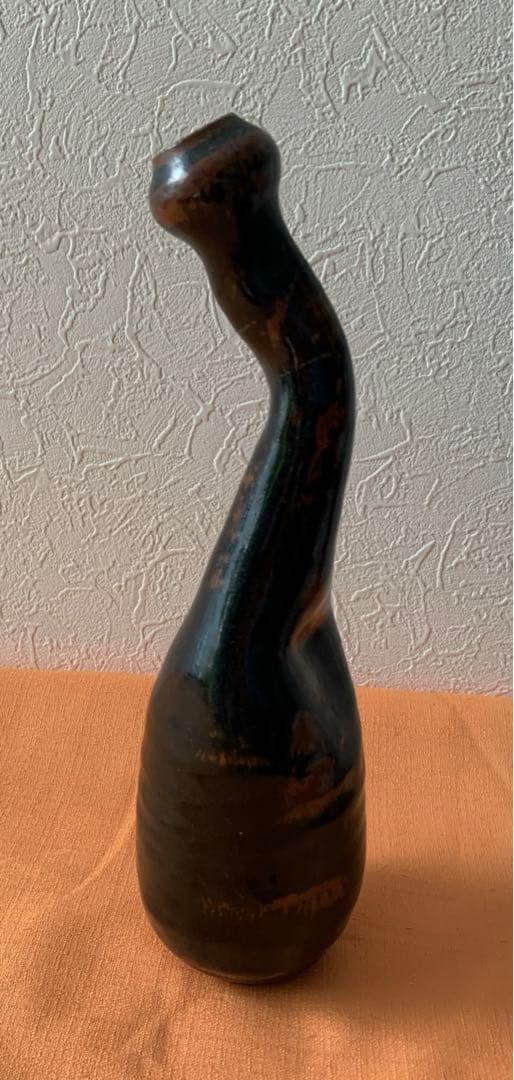
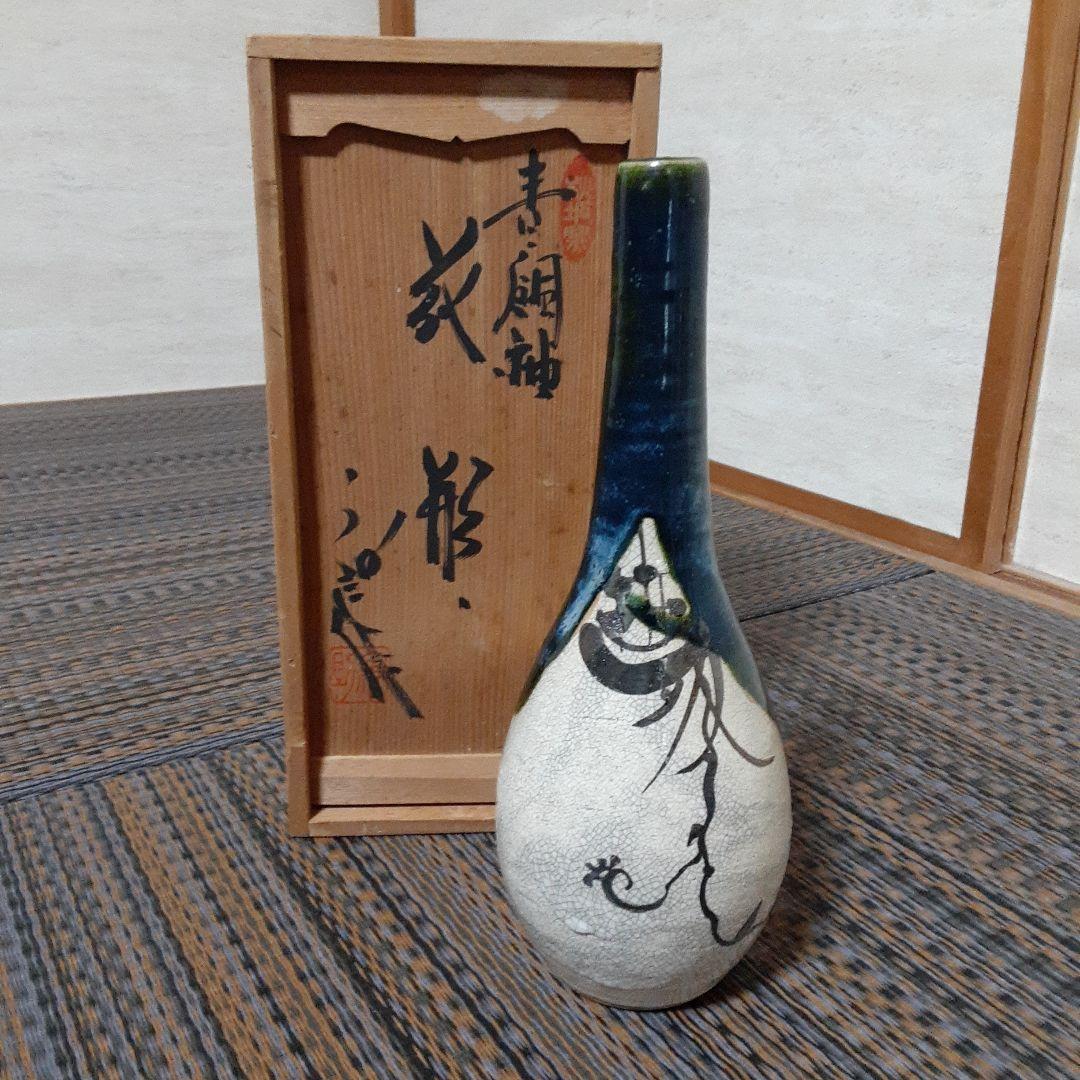
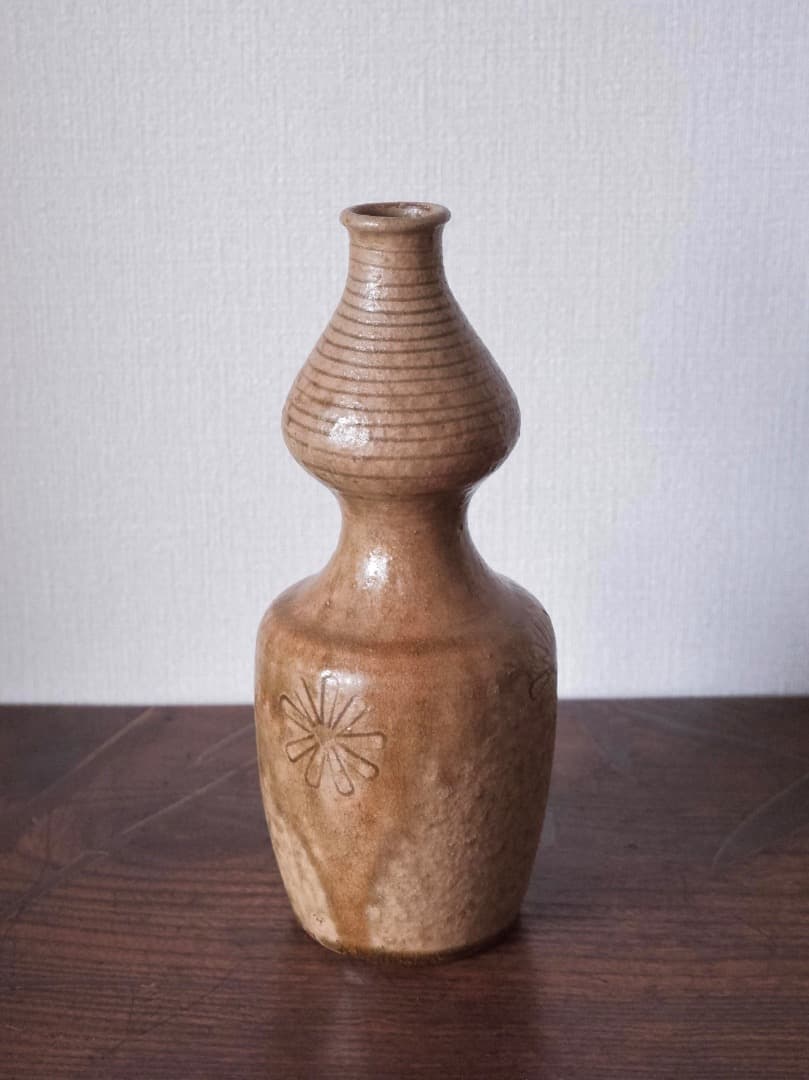
Glazed stoneware with amber, iron-brown or ash-yellow glazes on a pale body (Ko-Seto, Akazu); fine soft-blue underglaze painting of birds and flowers on Seto sometsuke porcelain; many Meiji–Shōwa export pieces with printed 'Made in Japan' or maker marks.
- Six Ancient Kilns of Japan (Japan Heritage, 2017)
- Traditional Craft designated by METI: Akazu ware (1977) and Seto Sometsuke (blue-and-white) ware (1997)