信楽焼
Shigaraki ware
Shiga · Kamakura period (13th c.)
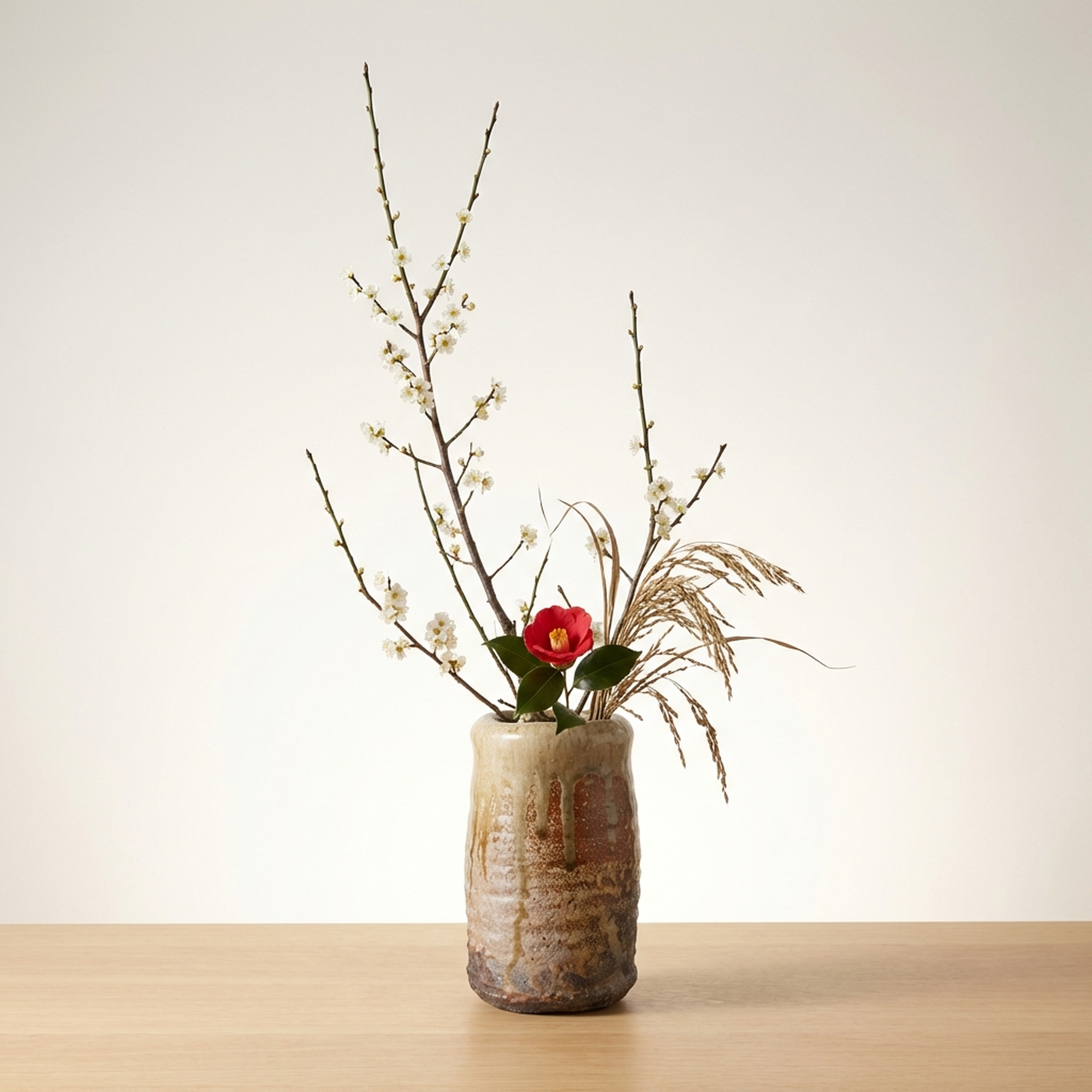
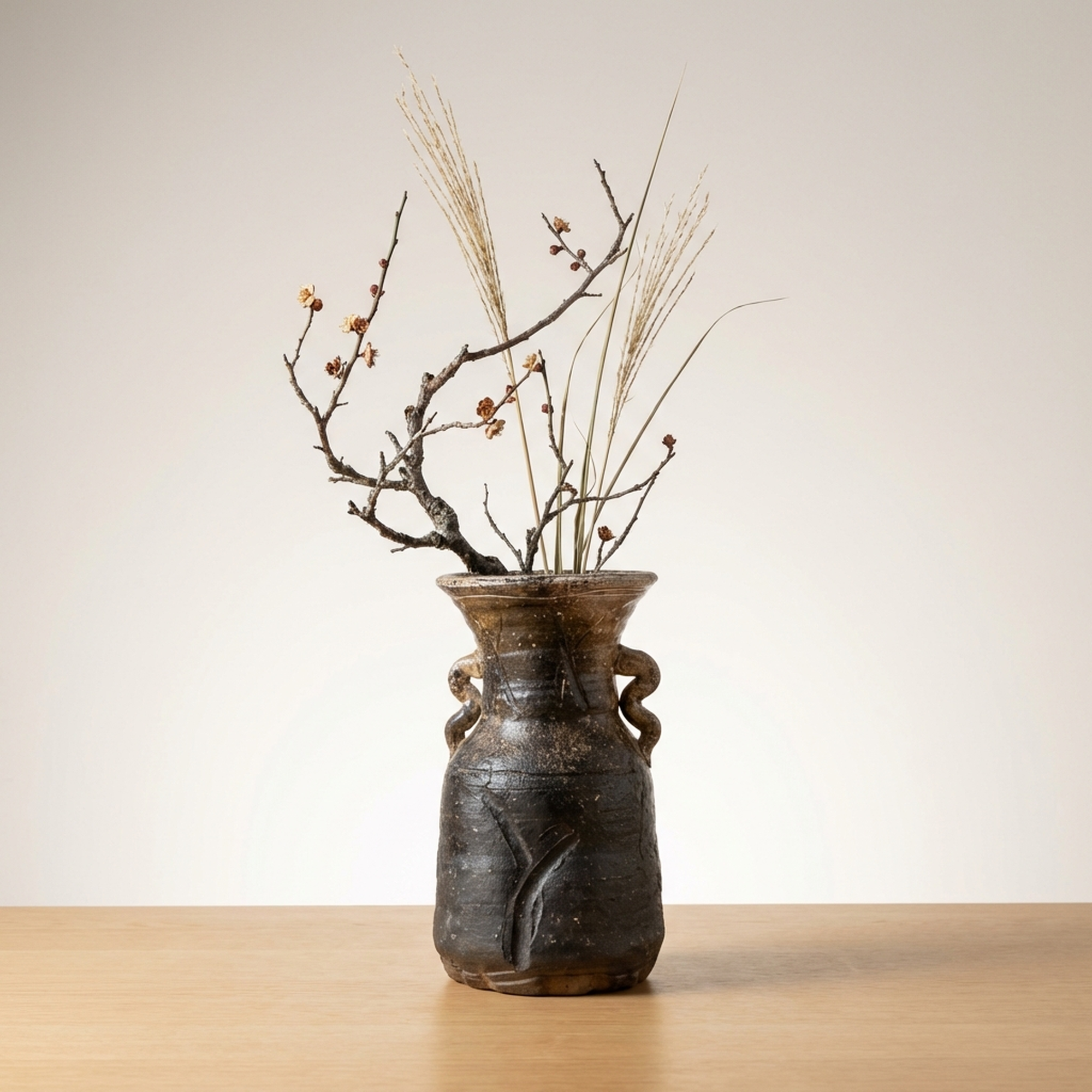
Coarse, warm-toned stoneware from the hills of Kōka City, prized for its flame colour, feldspar grit and natural ash glaze.
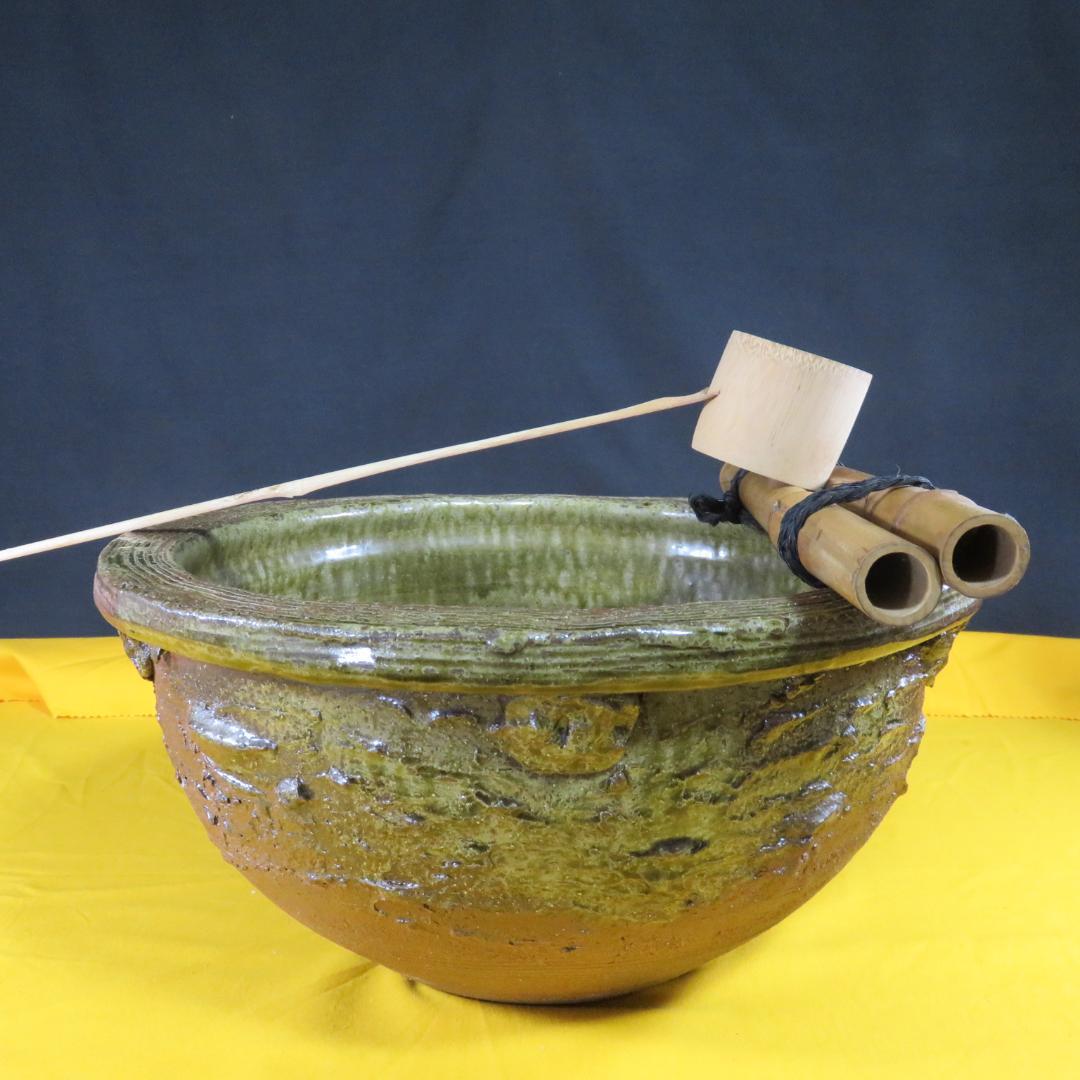
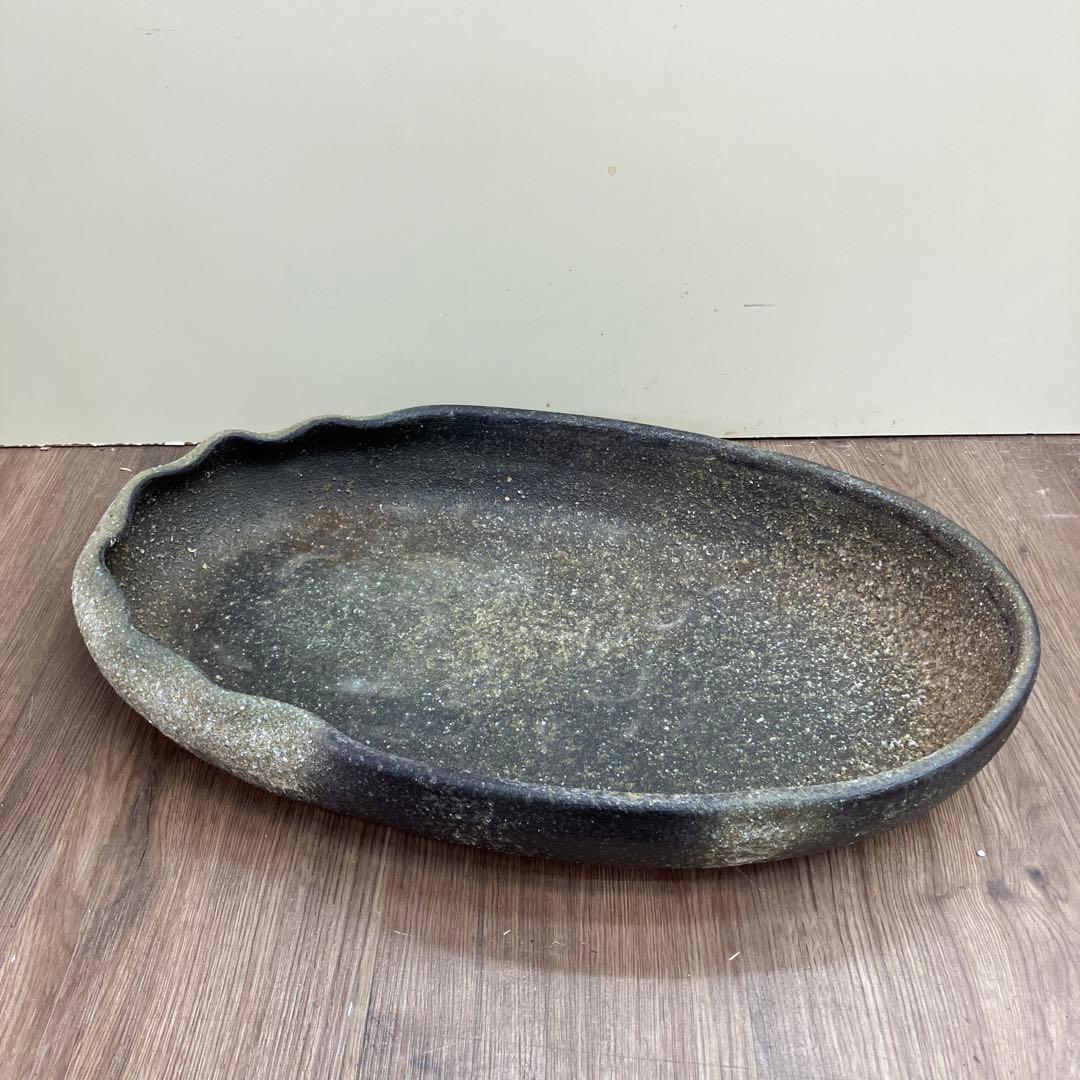
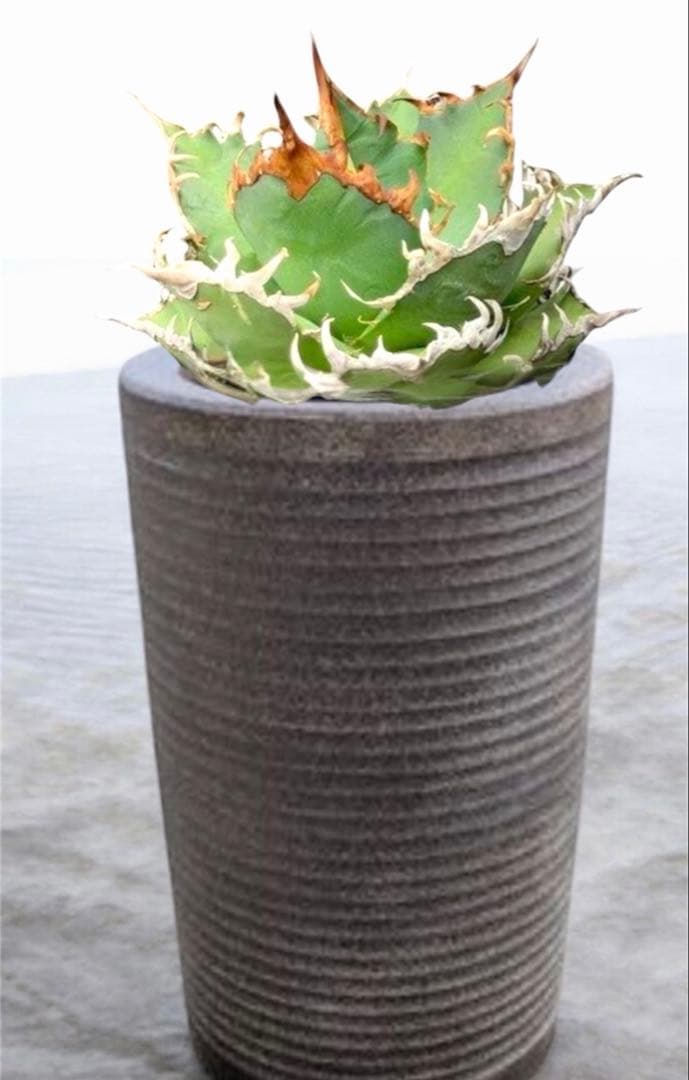
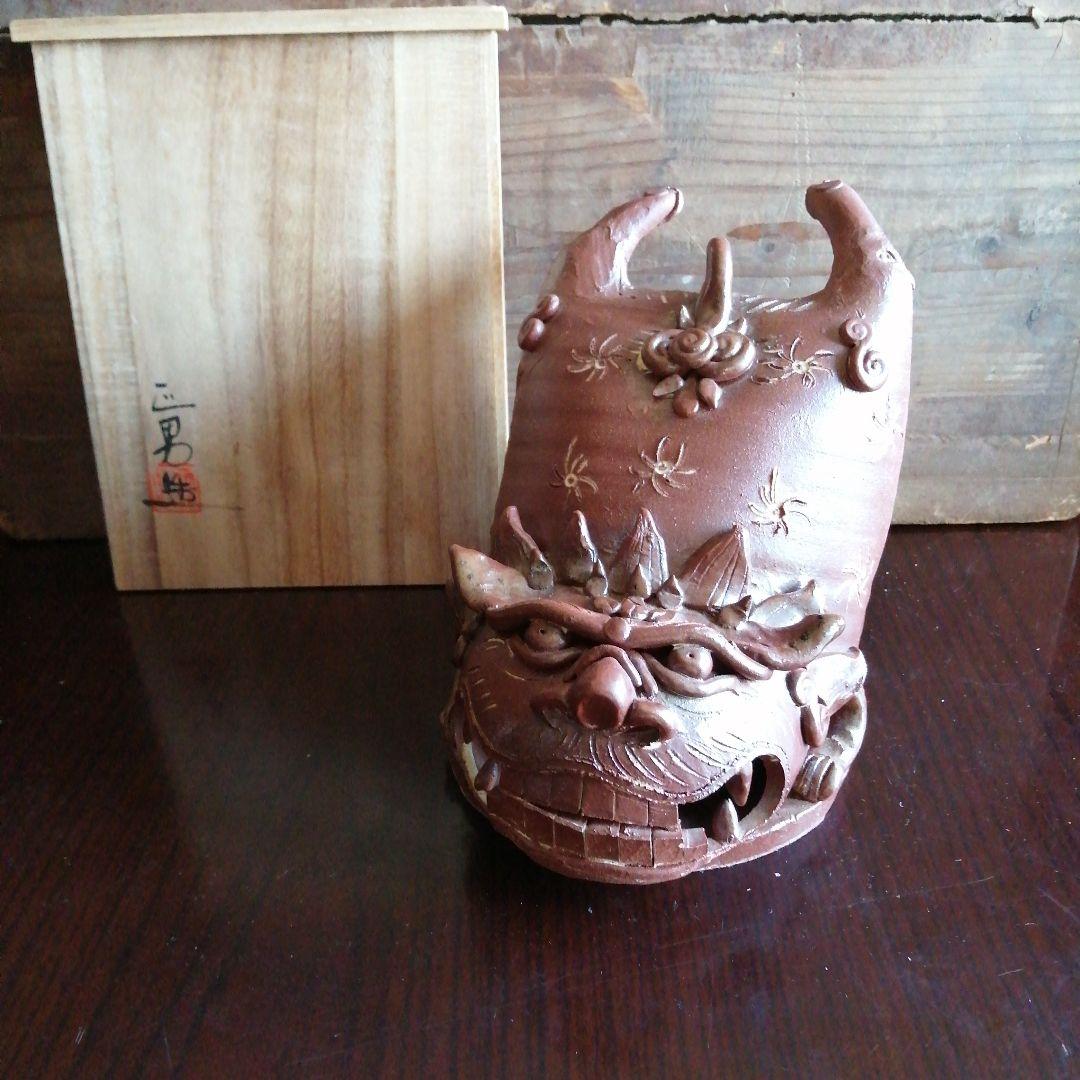
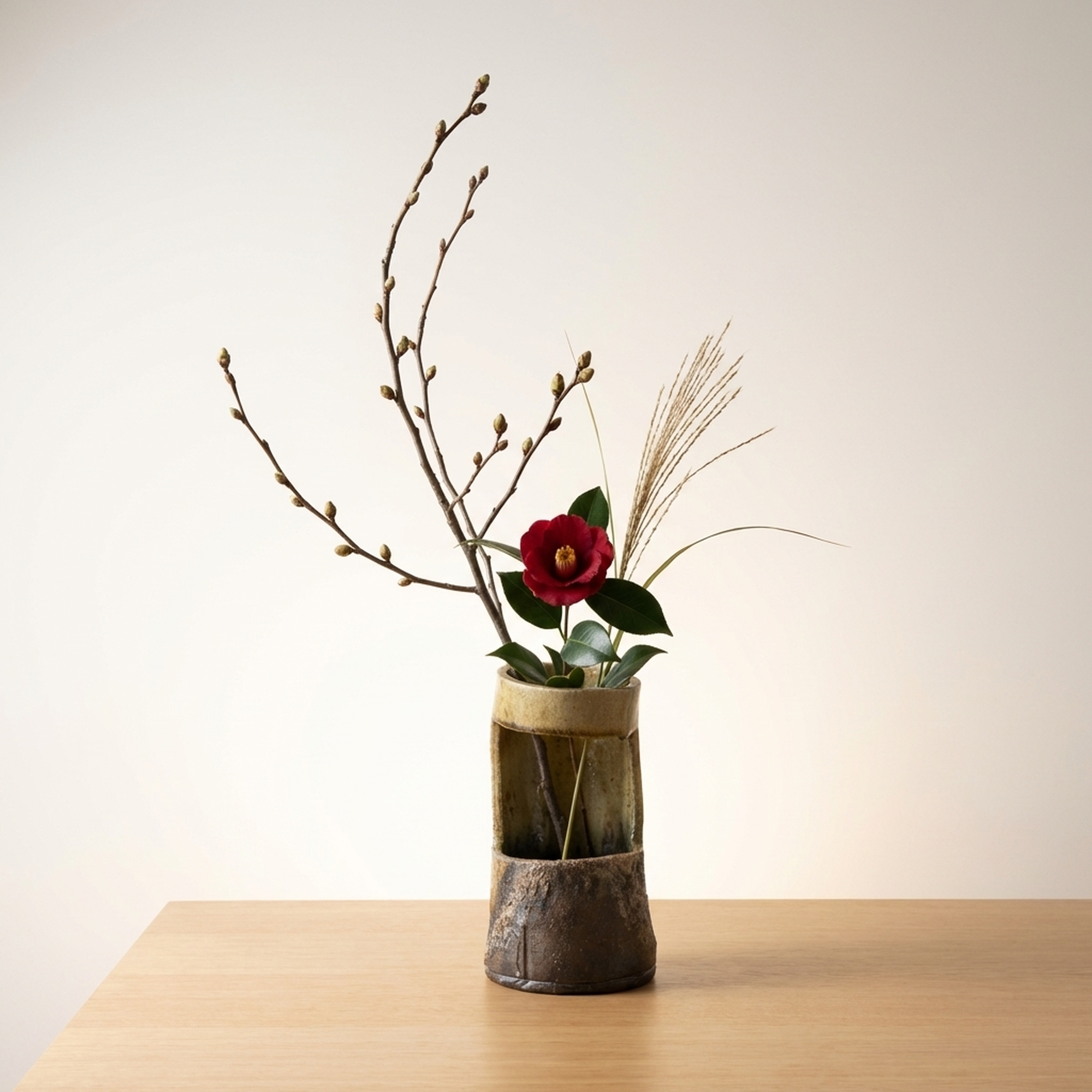
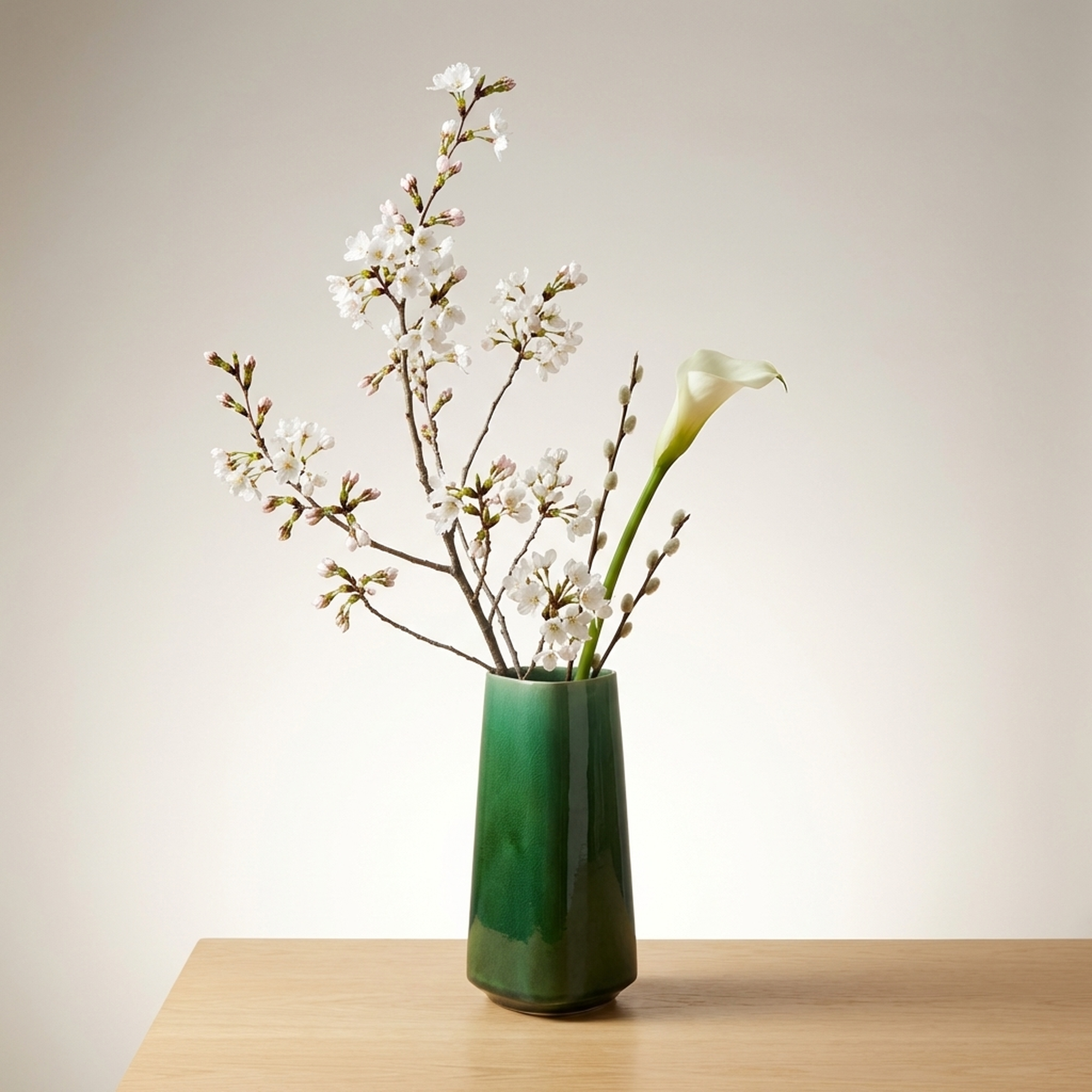
Shigaraki lies in the hills south of Lake Biwa, in present-day Kōka City. Its kilns are thought to have begun in the Kamakura period, making large storage jars, mortars and other practical wares for the region. From the Muromachi and Momoyama periods, tea masters admired the rustic appearance of Shigaraki pieces, and the kilns began to produce tea wares and flower containers. Through the Edo and modern periods Shigaraki adapted to changing demand, making tea storage jars, braziers, tiles, garden ceramics and, more recently, the familiar tanuki figures. Its rough clay is suited to large forms. Shigaraki is one of the Six Ancient Kilns of Japan and remains an active pottery town with many kilns and the Shiga Prefectural Ceramic Cultural Park.
Argila e queima
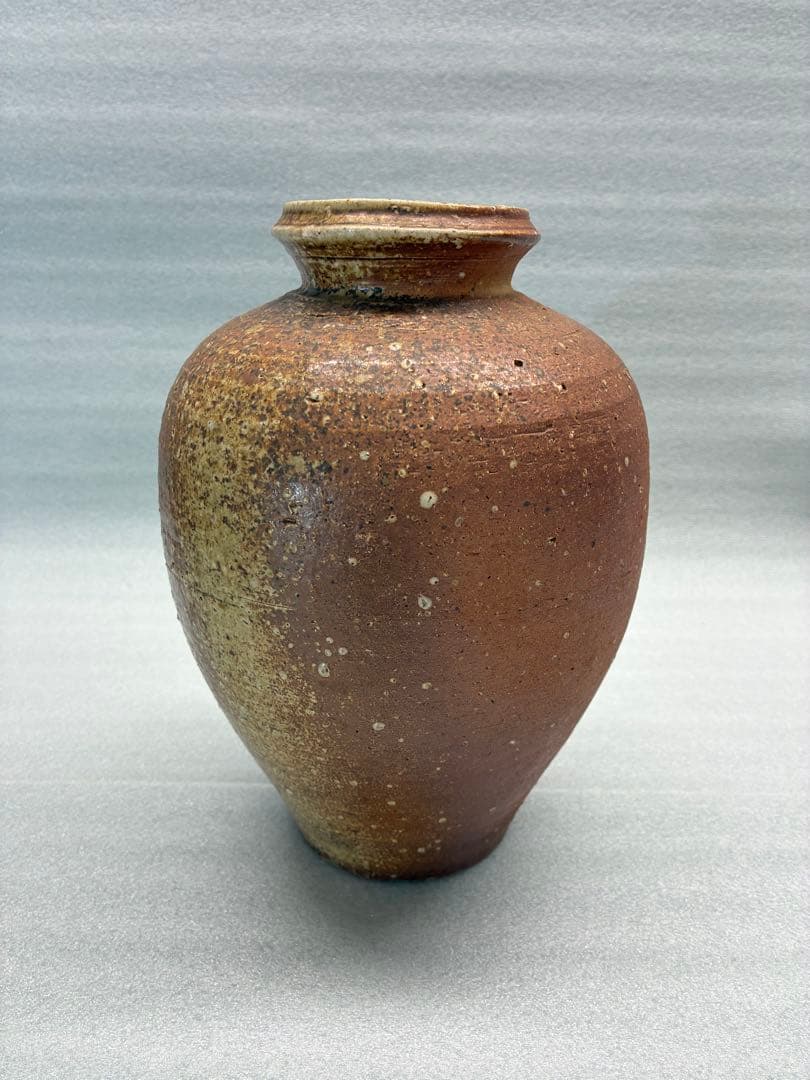
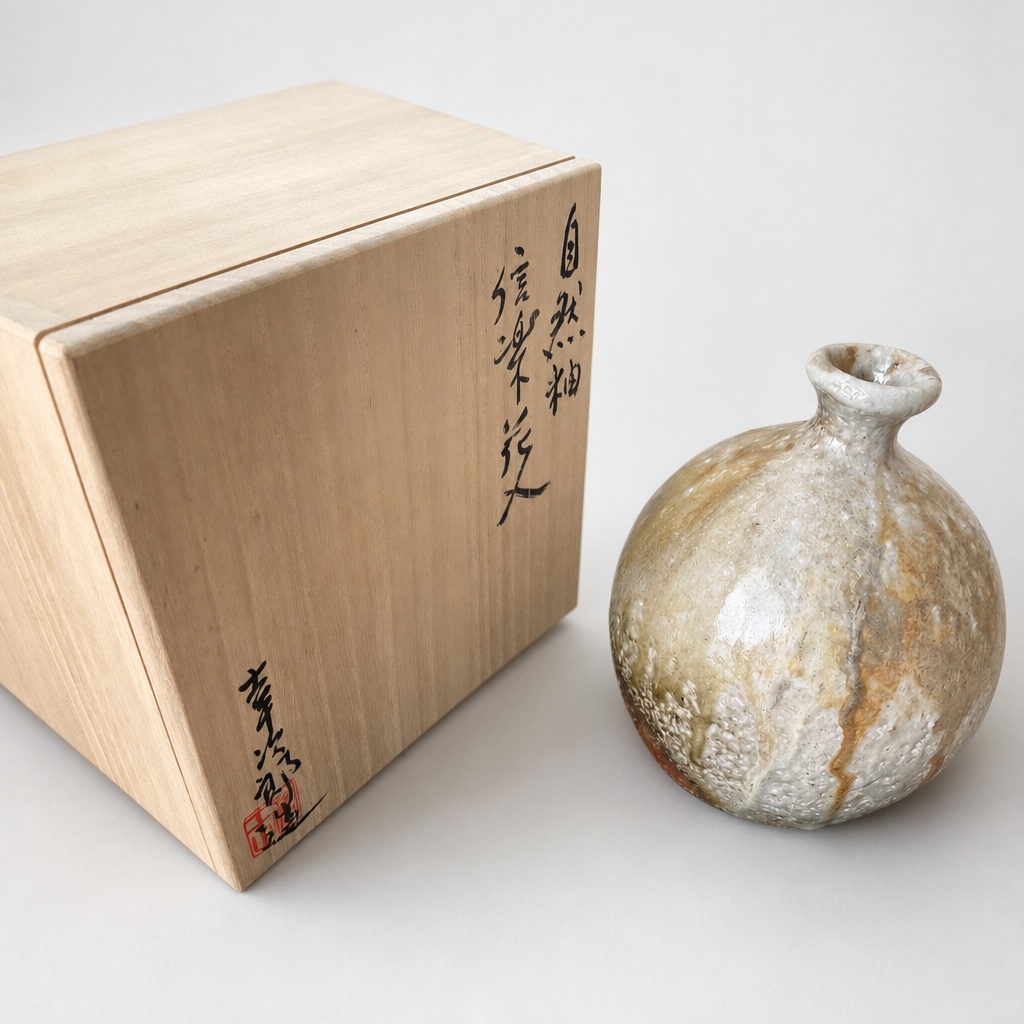
Coarse, sandy clay from ancient lakebed deposits, rich in feldspar and quartz grit; fired in wood kilns, where flame and ash produce orange scorch colour and natural ash glaze.
Como identificar Shigaraki ware
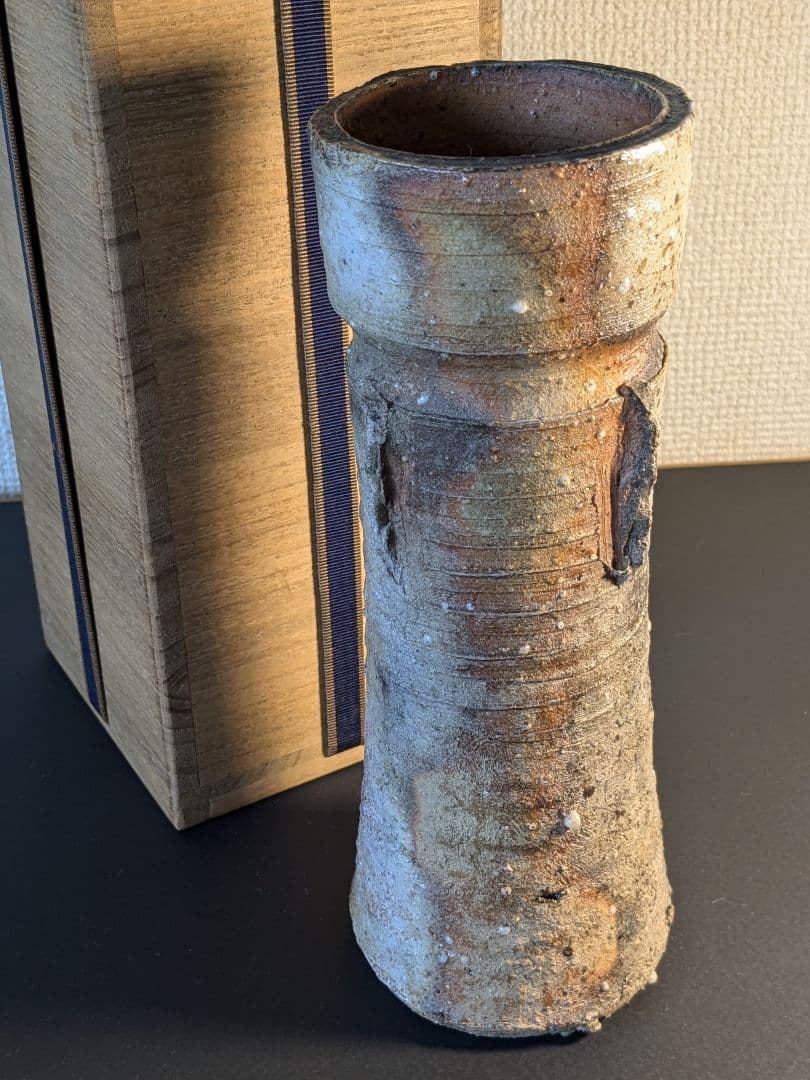
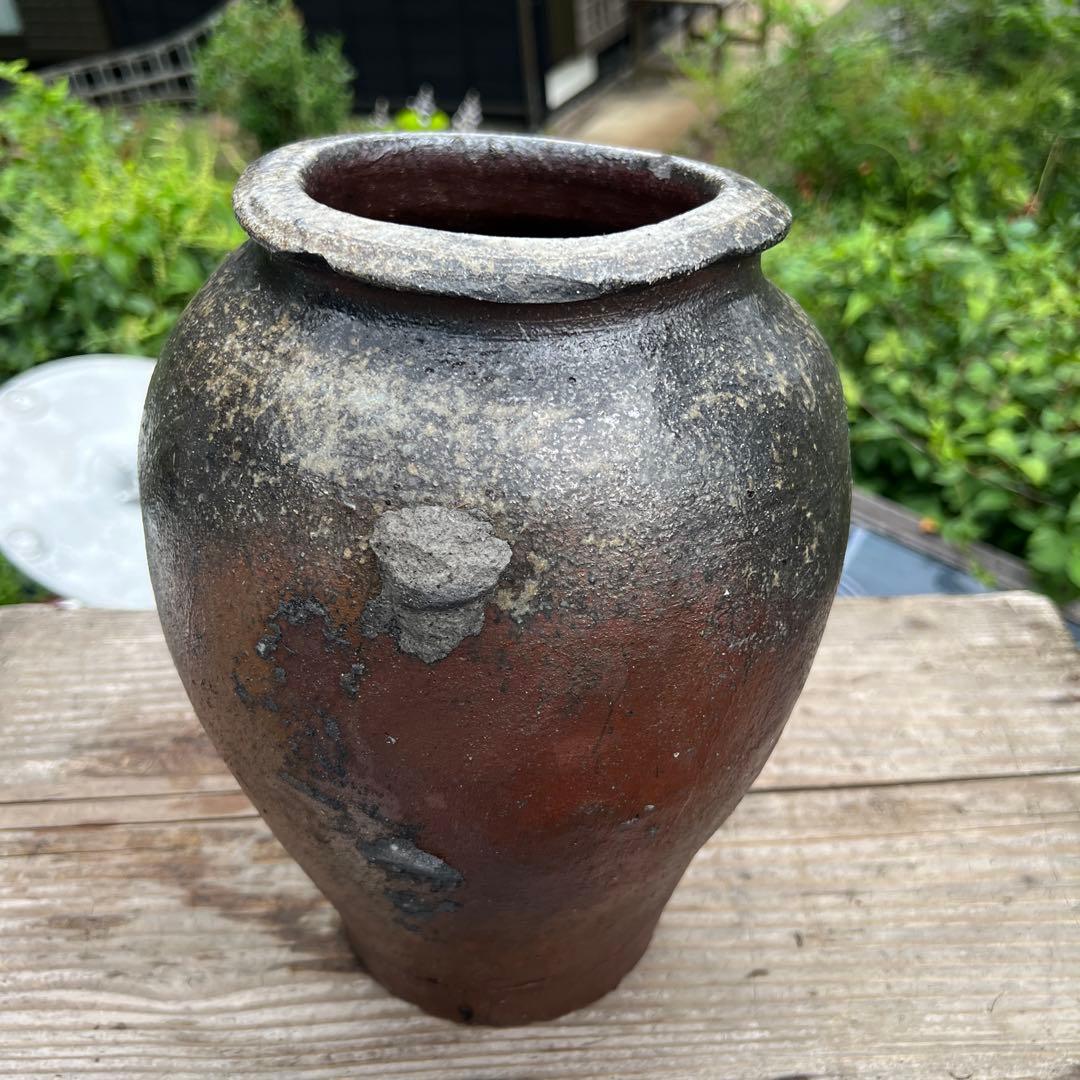
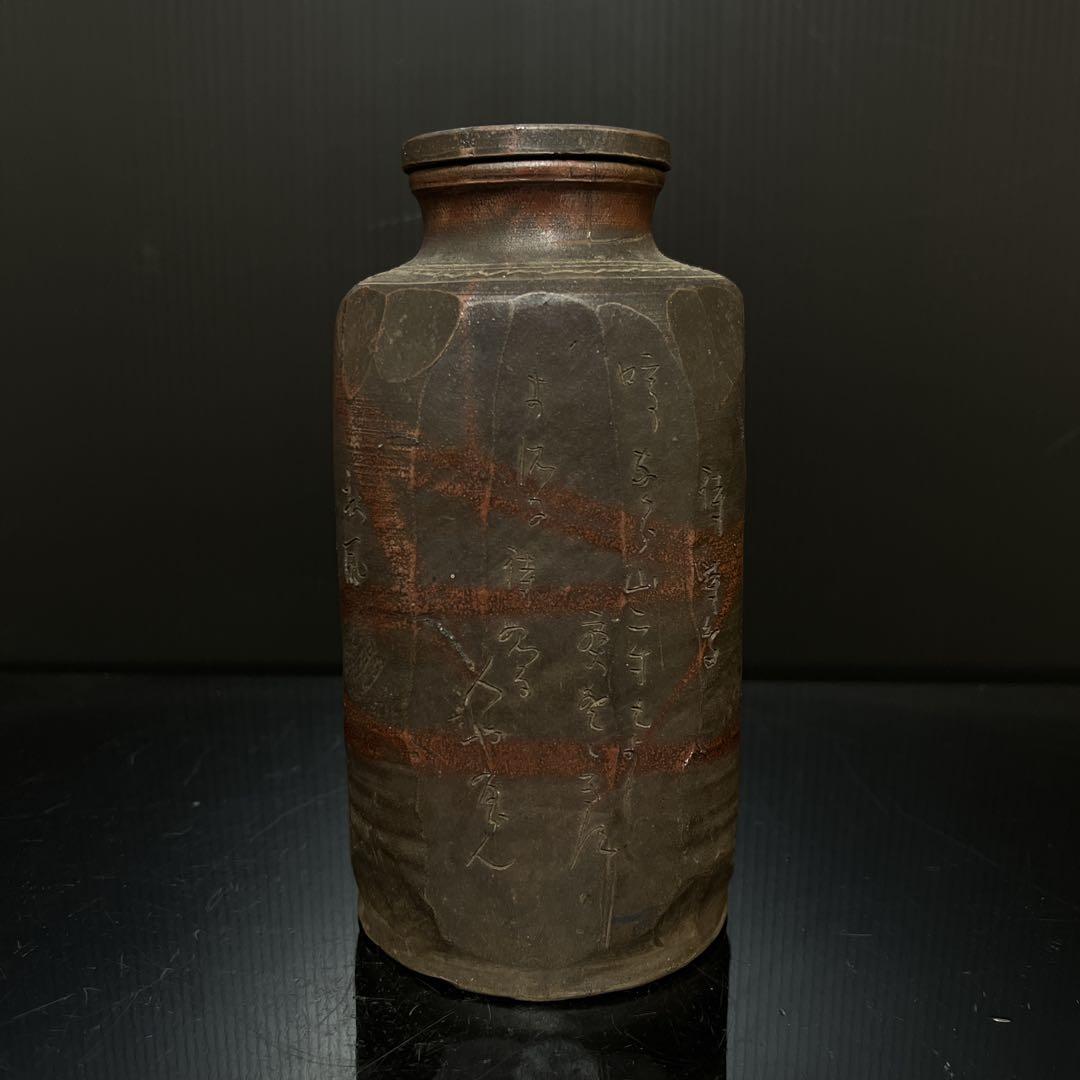
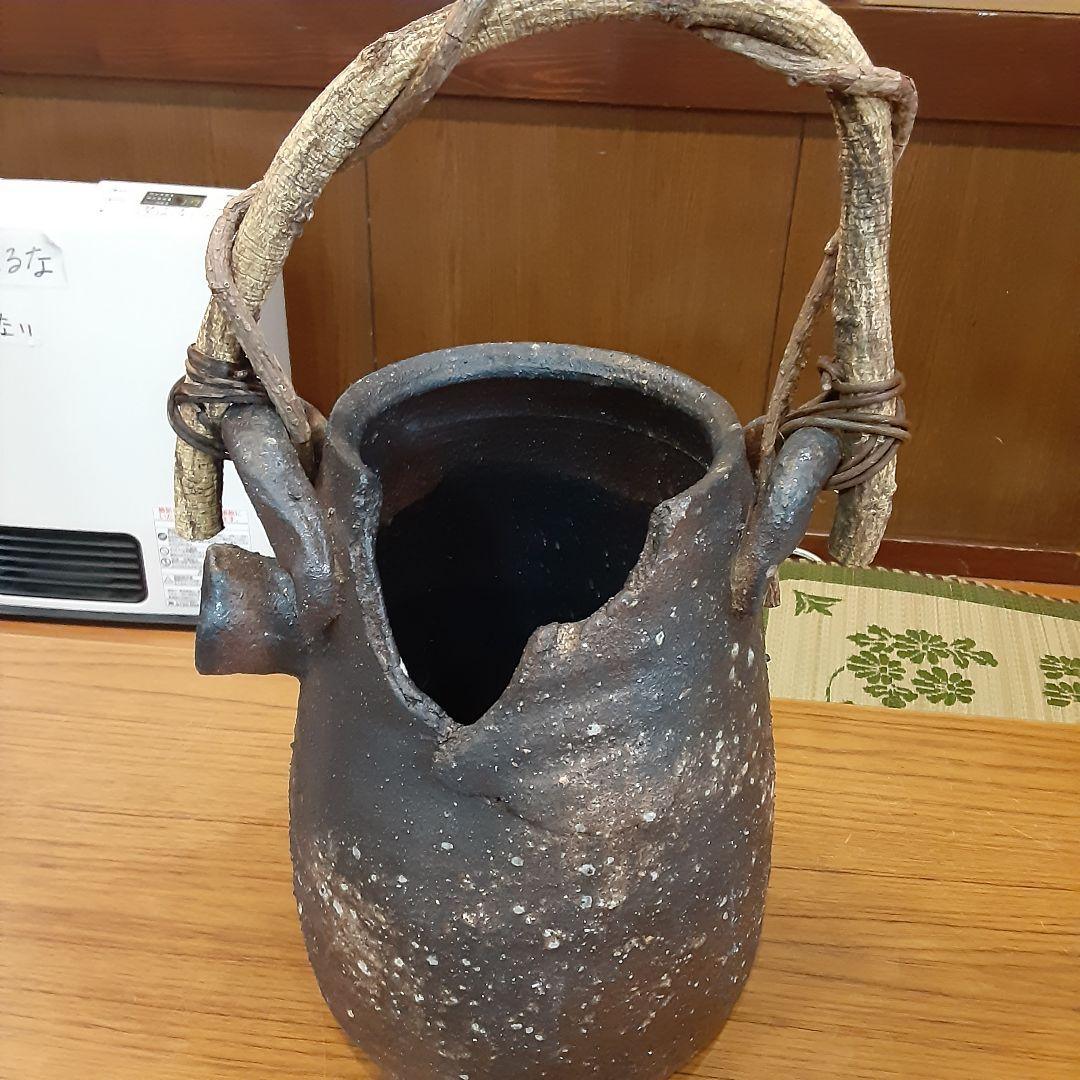
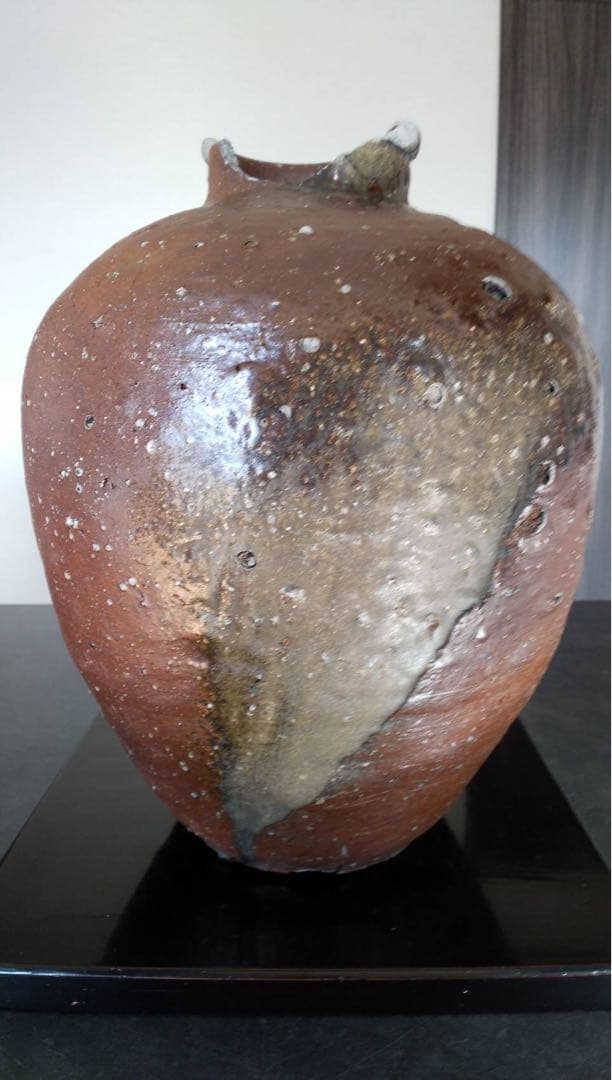
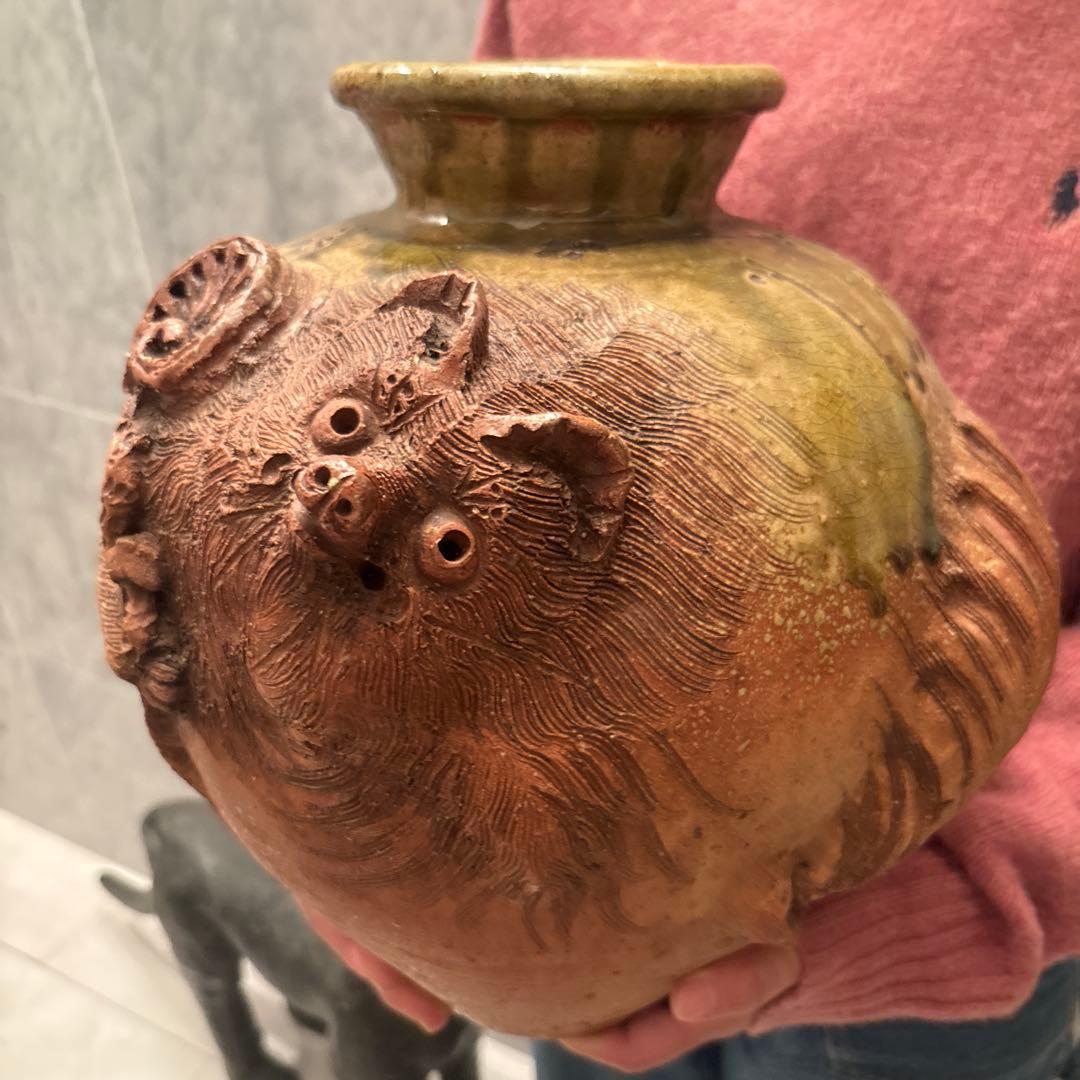
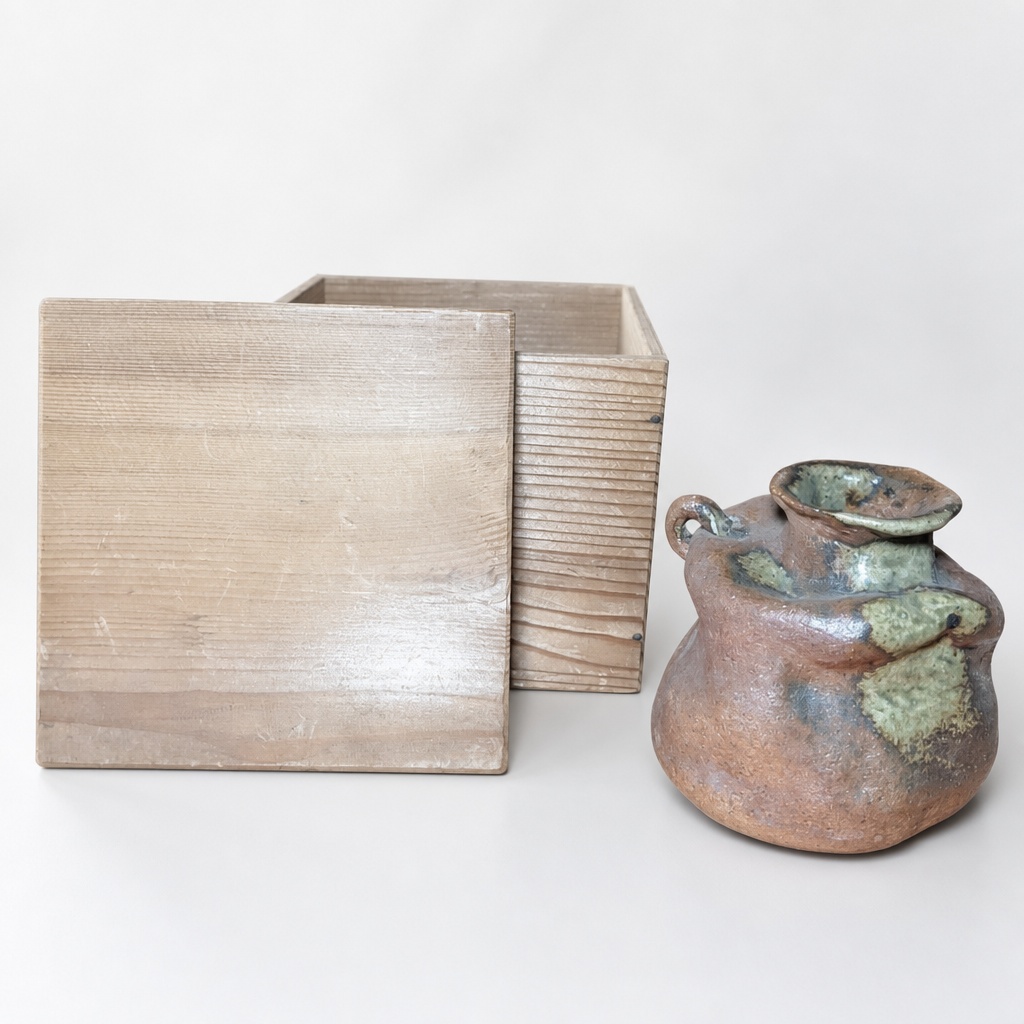
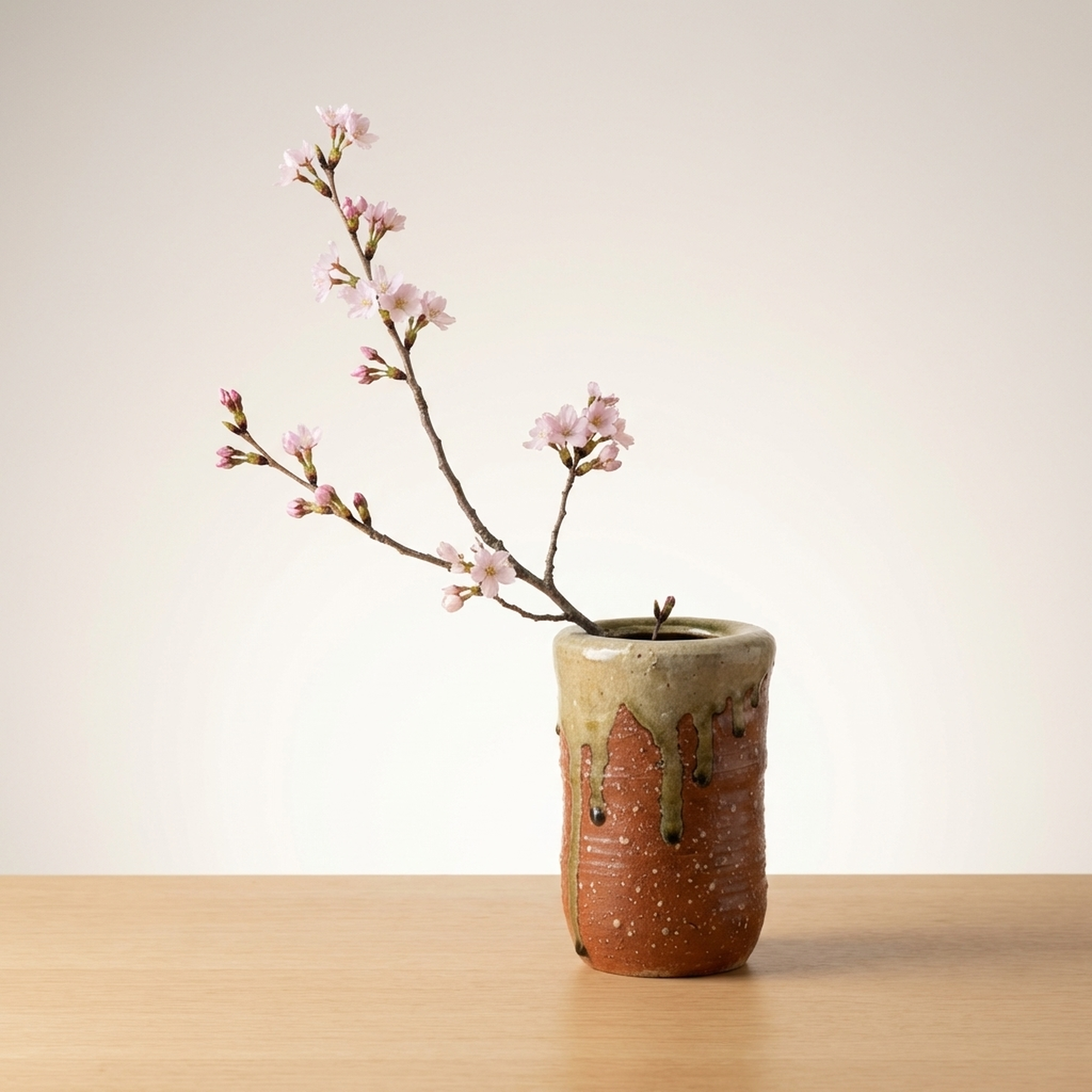
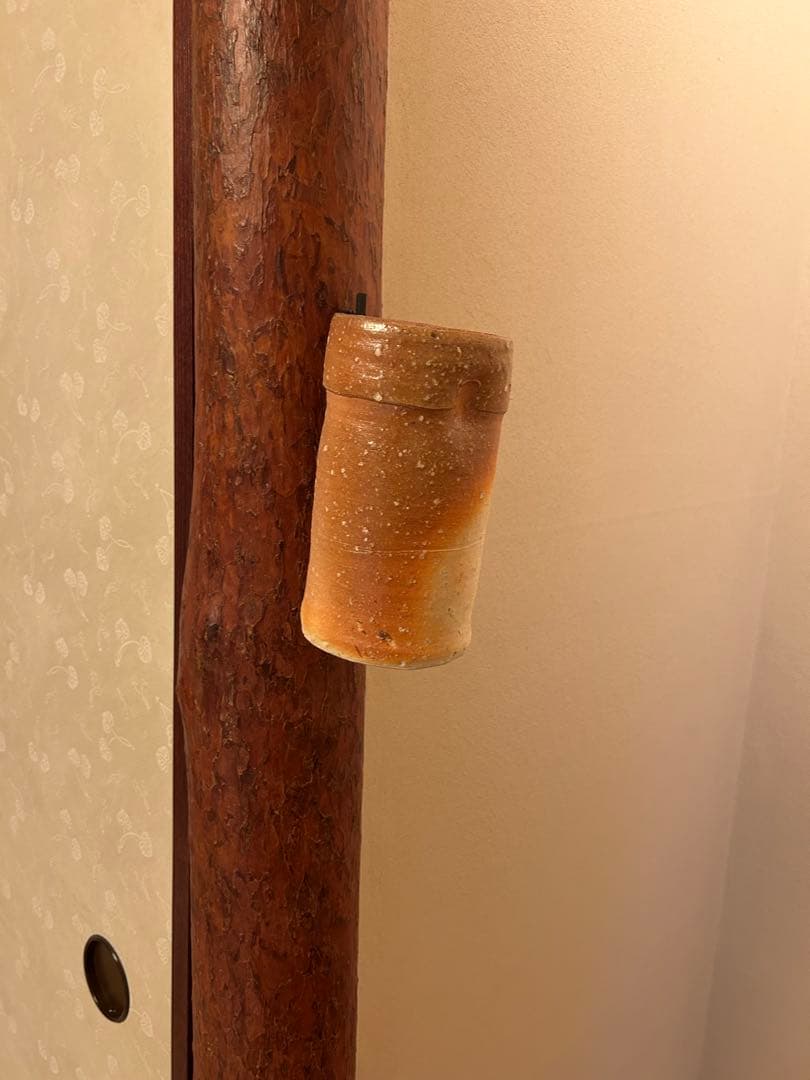
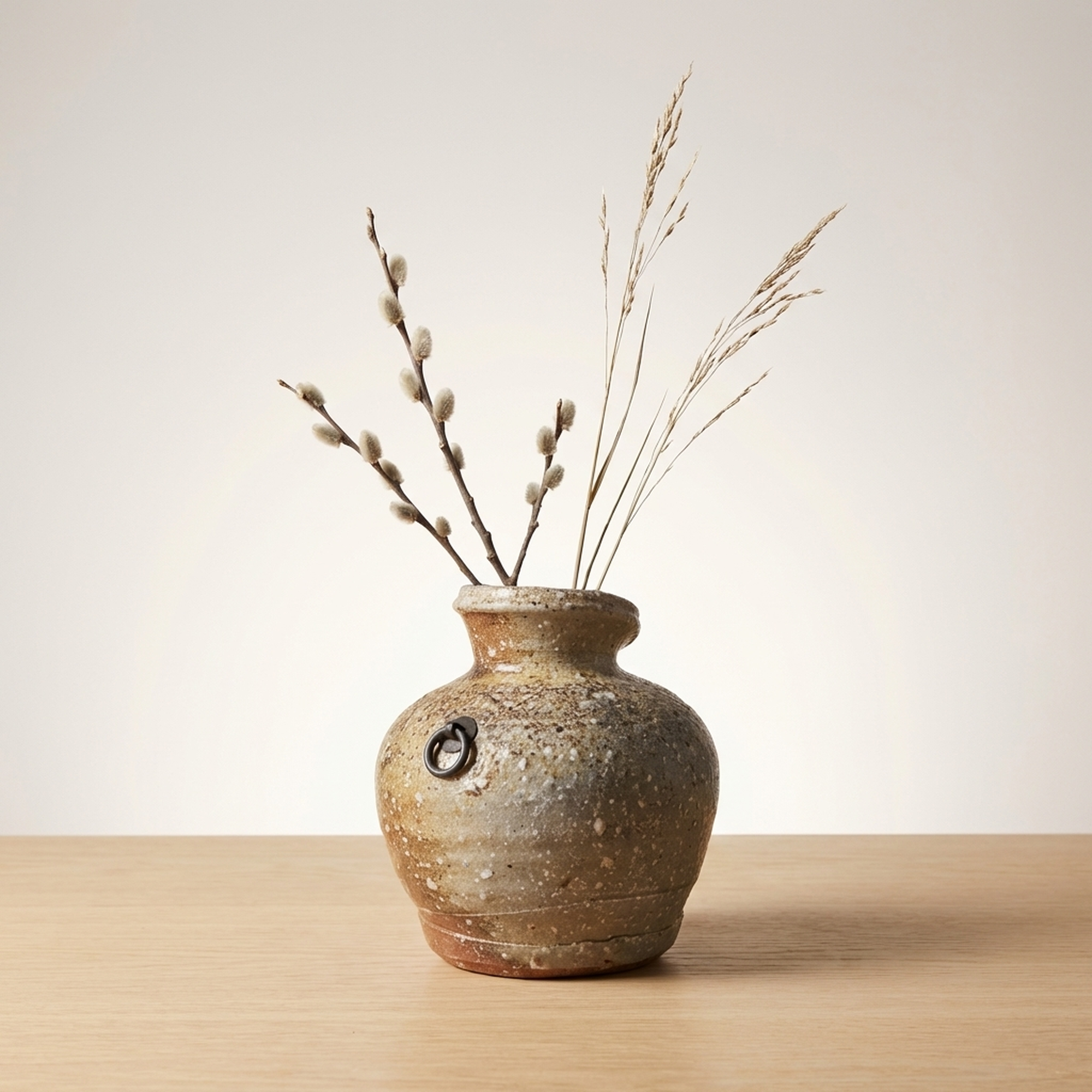
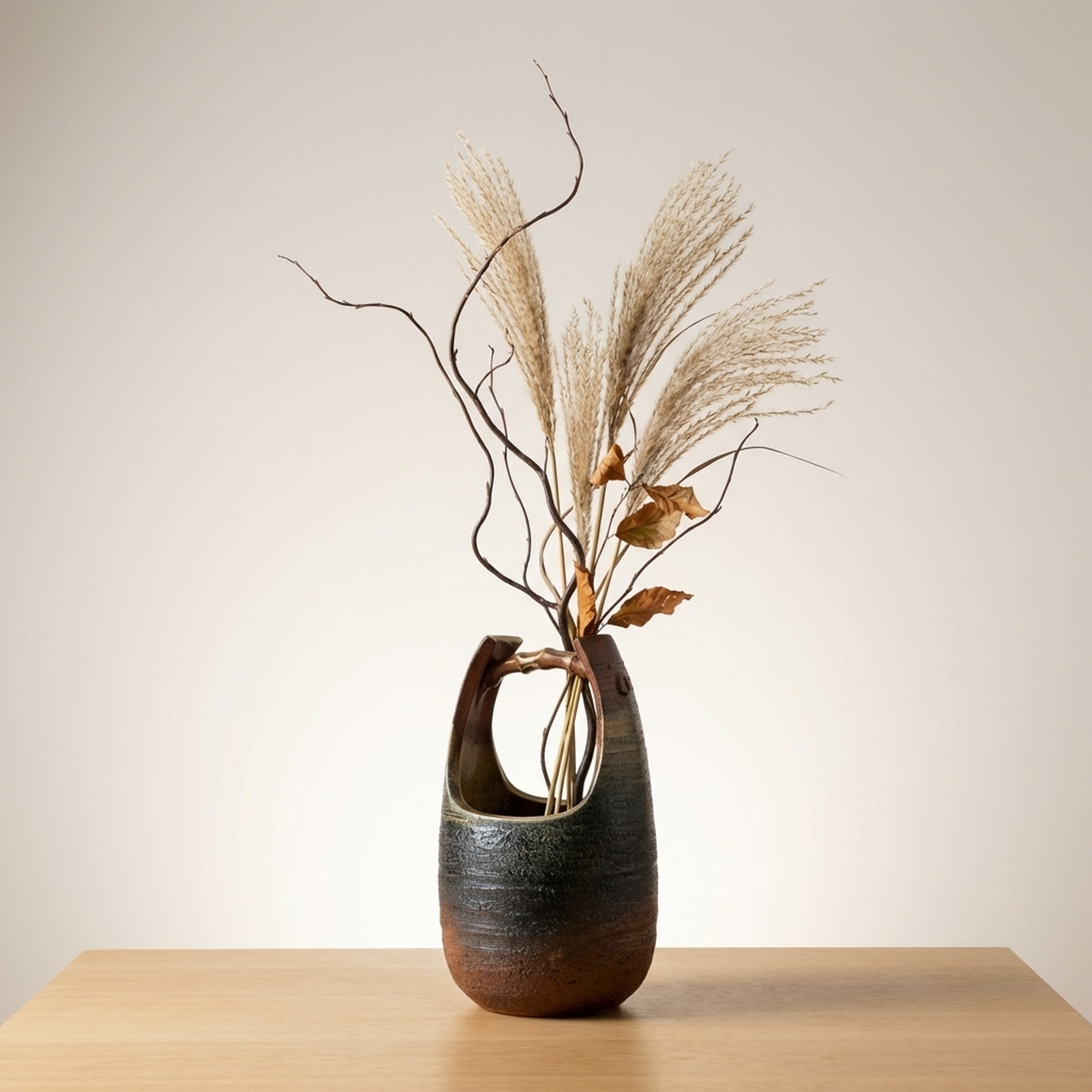
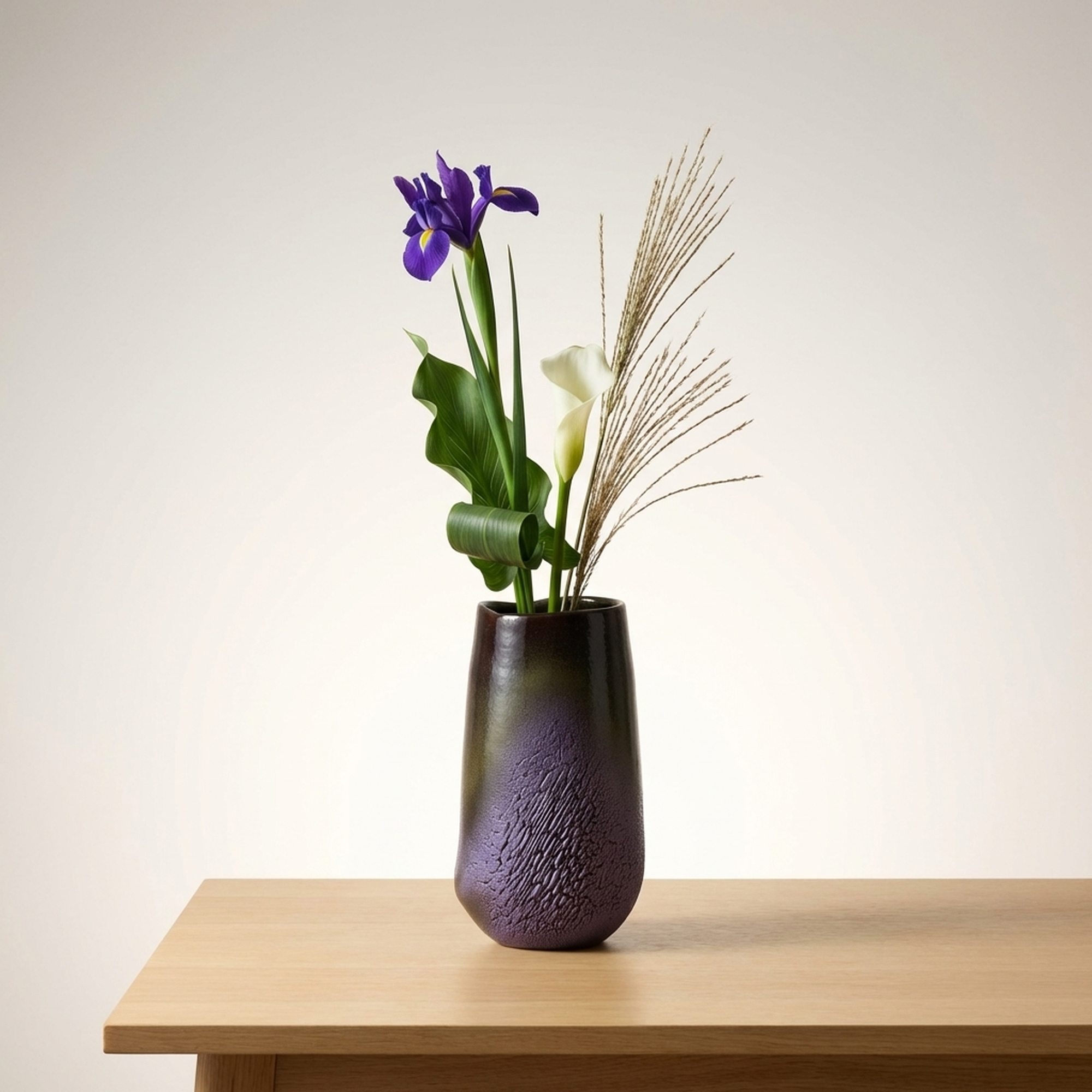
Warm orange to reddish 'flame colour' (hiiro) on a coarse body; small white feldspar grains that have burst through the surface (ishihaze); glassy green-to-brown natural ash glaze (bidoro) pooled on one side, sometimes with blackened koge scorching.
- Six Ancient Kilns of Japan (Japan Heritage, 2017)
- Traditional Craft designated by METI (1975)