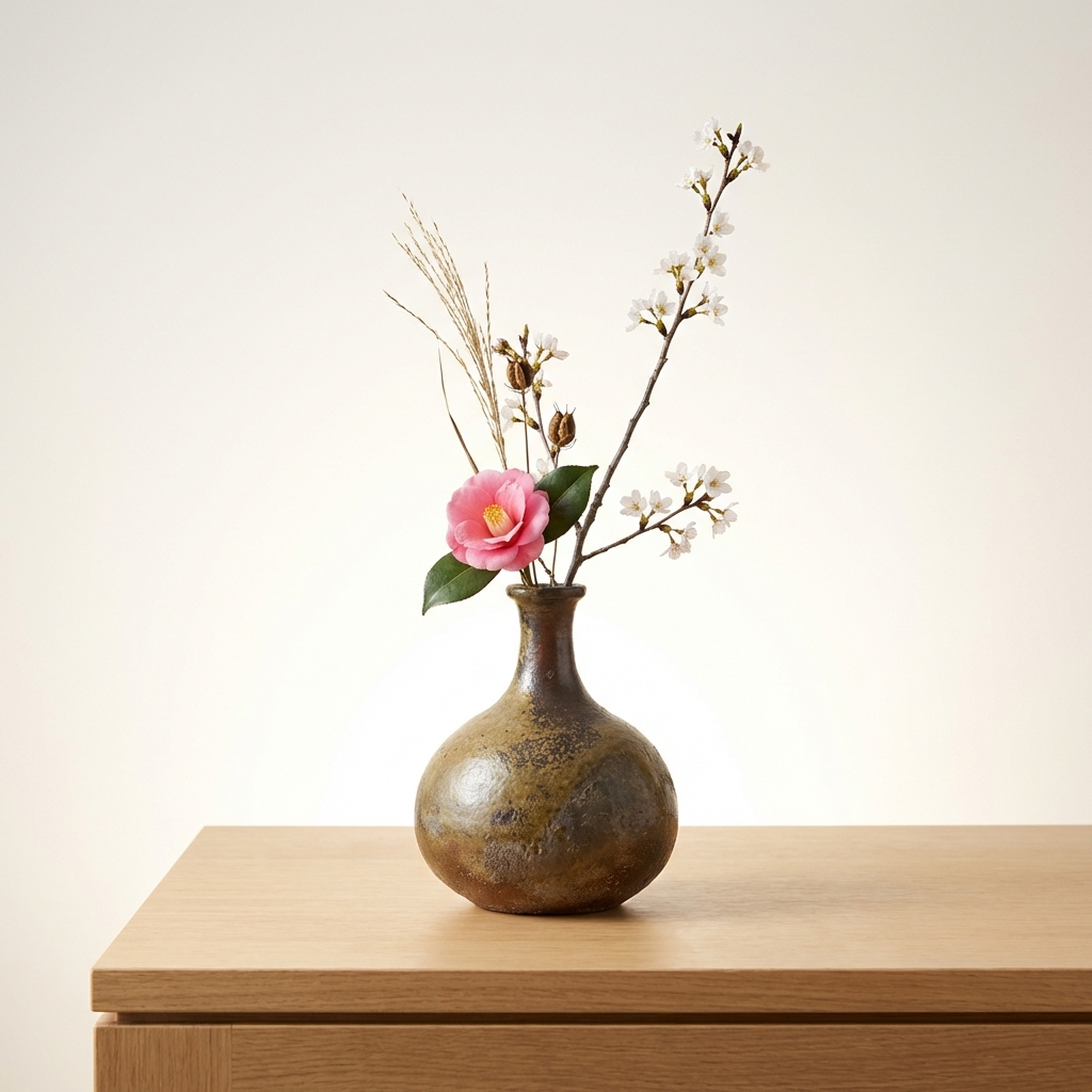
丹波焼(丹波立杭焼)
Tamba ware (Tamba-Tachikui)
Hyogo · Late Heian to early Kamakura period (12th c.)
Wood-fired stoneware from Tachikui in Tamba-Sasayama, made continuously since the medieval period and known for ash-glazed jars and bottles.
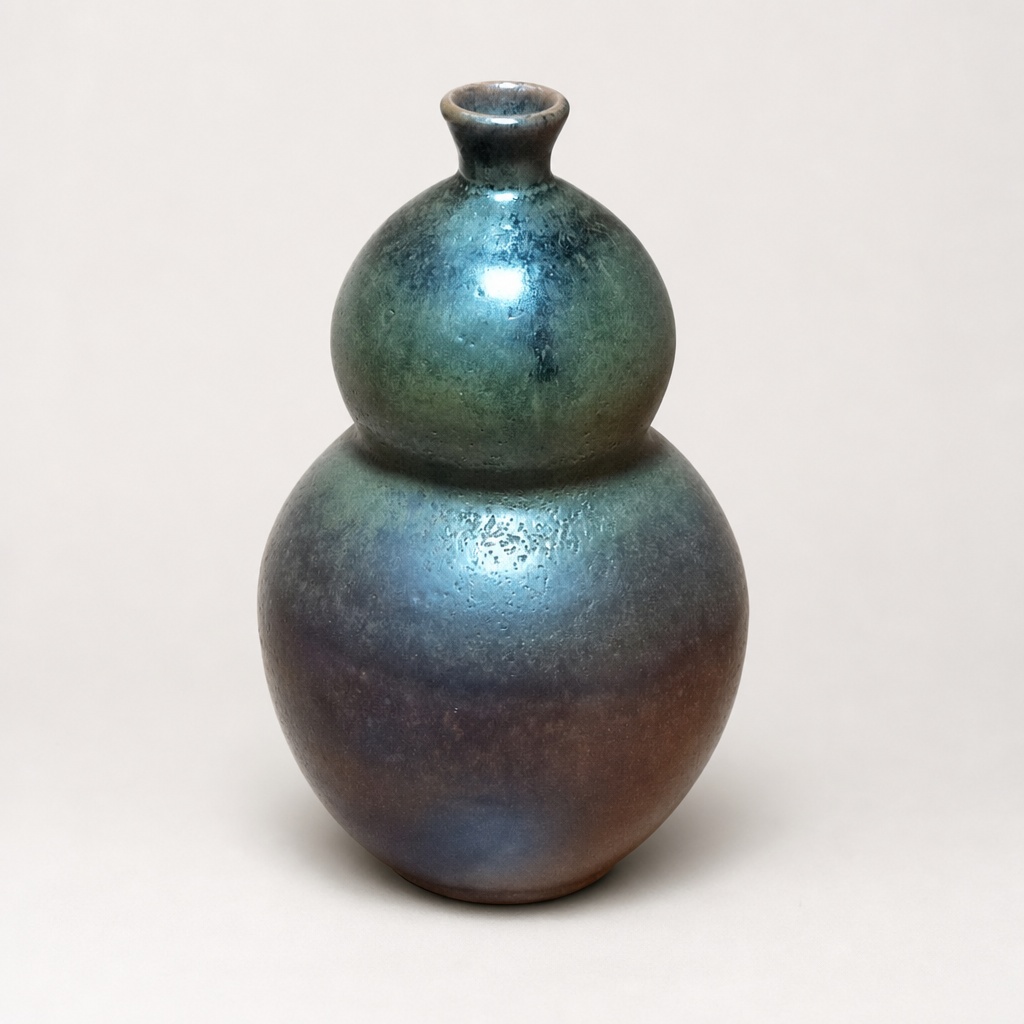
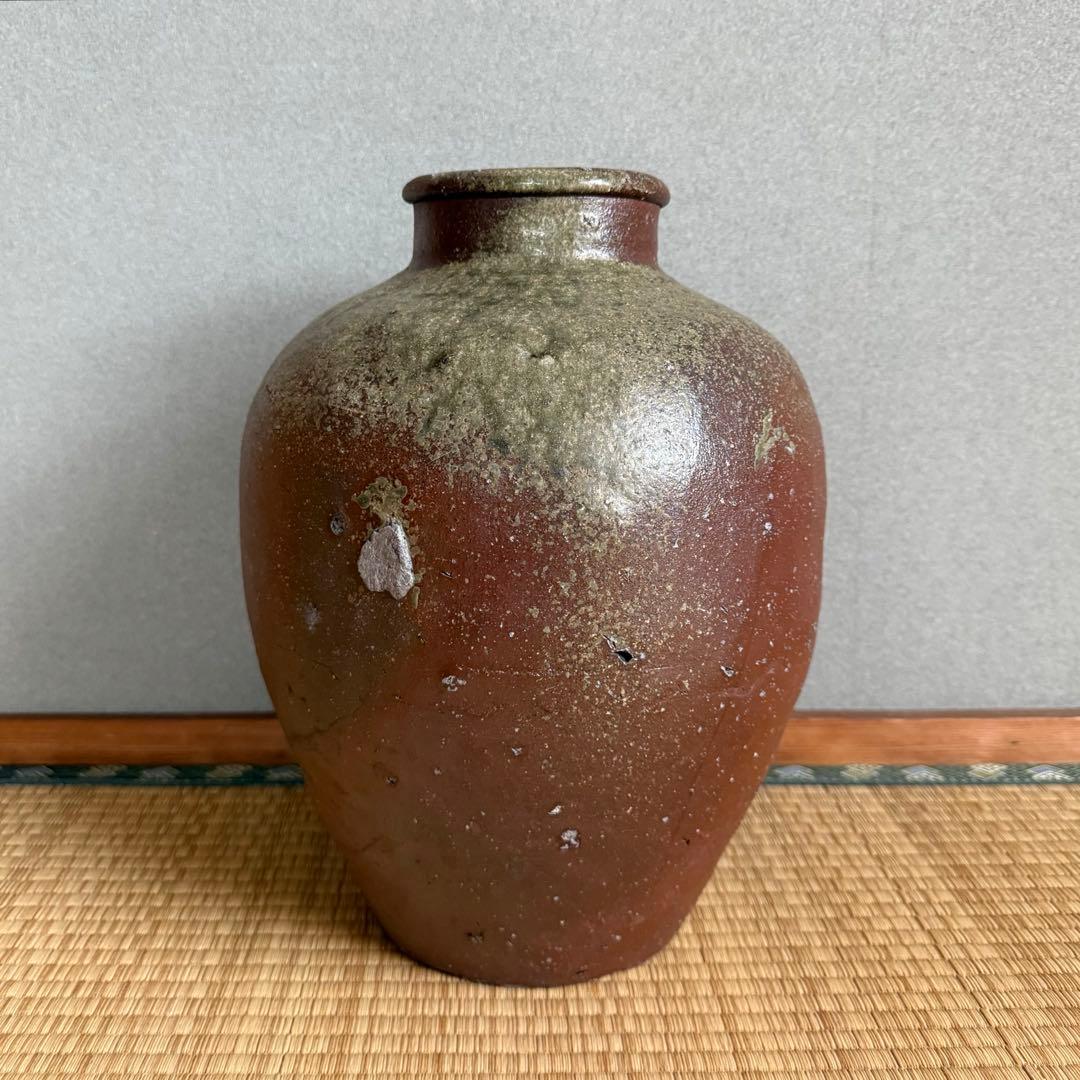
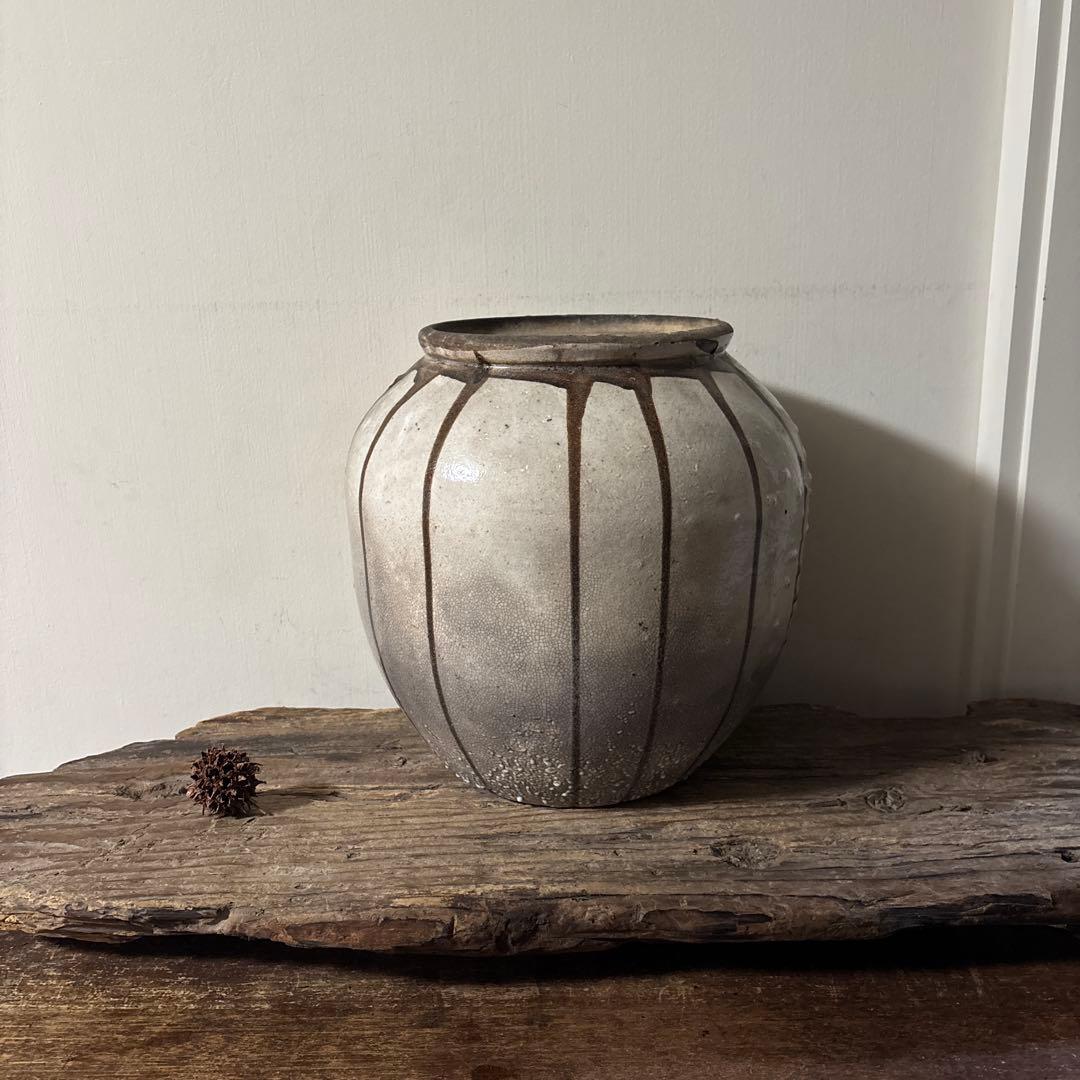
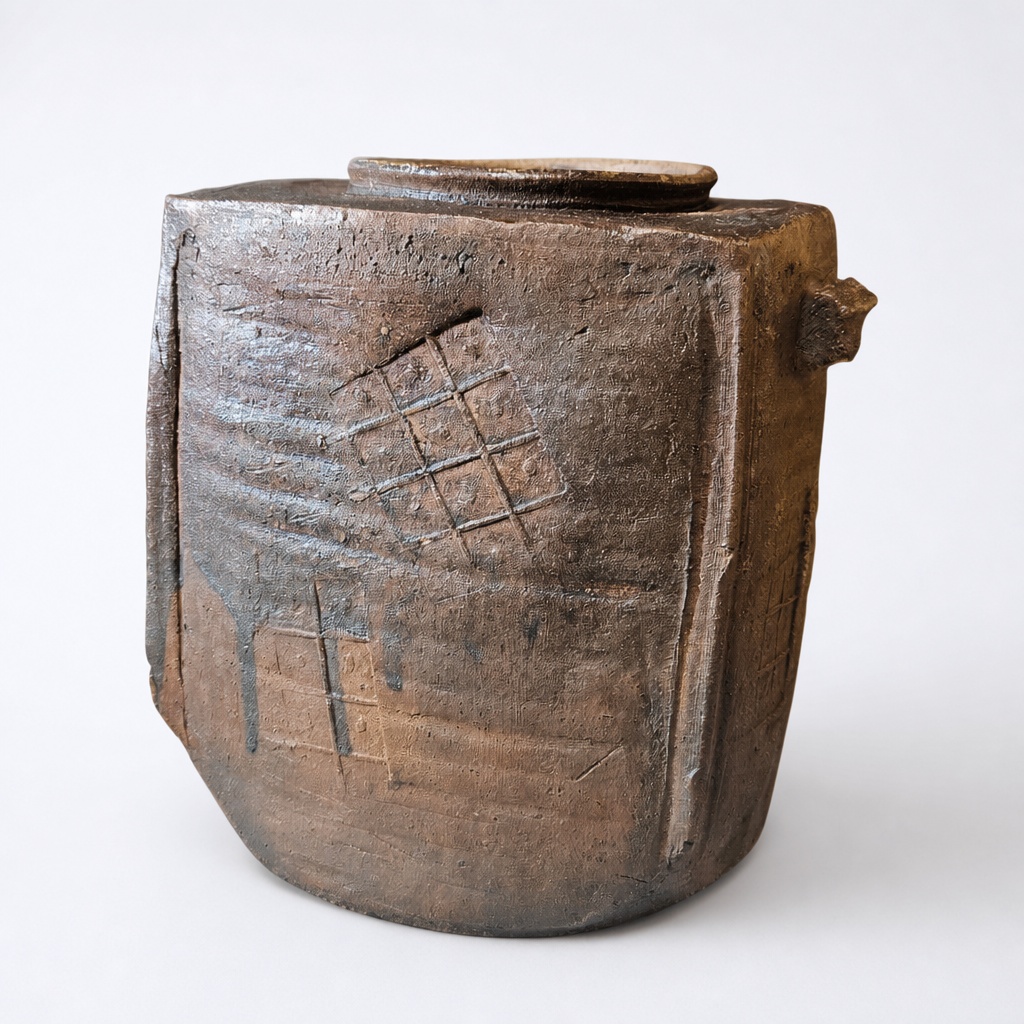
Tamba ware is made in the Tachikui area of Tamba-Sasayama in eastern Hyogo, where pottery has been produced since around the end of the Heian period. Its medieval kilns were tunnel-shaped anagama that made large jars, bottles and mortars, coloured by flame and natural wood ash. In the early Edo period a climbing kiln was introduced, and potters added glazes, slip decoration and a wider range of vessels for tea, sake and household use. Tamba wares were valued by tea masters and also used in daily life across the Kansai region. Long, sloping 'snake kilns' (jagama) are still fired in Tachikui today, and dozens of workshops continue there. Tamba is one of the Six Ancient Kilns of Japan, and its climbing kiln is part of a Japan Heritage story.
Argila e queima
Iron-bearing local clay fired at high temperature, historically in anagama and later in long climbing kilns; surfaces range from natural ash glaze to applied ash, iron and slip glazes.
Como identificar Tamba ware (Tamba-Tachikui)
Natural ash glaze in green or olive drips, often falling on one side ('haikaburi', ash-covered); reddish-brown to dark body with visible throwing ridges on tall jars and bottles; on Edo-period pieces, applied ash or iron glazes and slip-trailed or combed decoration.
- Six Ancient Kilns of Japan (Japan Heritage, 2017)
- Traditional Craft designated by METI as Tamba-Tachikui ware (1978)
- Tamba Tachikui climbing kiln included in the Japan Heritage story 'Tamba-Sasayama Dekansho-bushi' (2015)