備前焼
Bizen ware
Okayama · Kamakura period (developed from earlier Sue ware traditions)
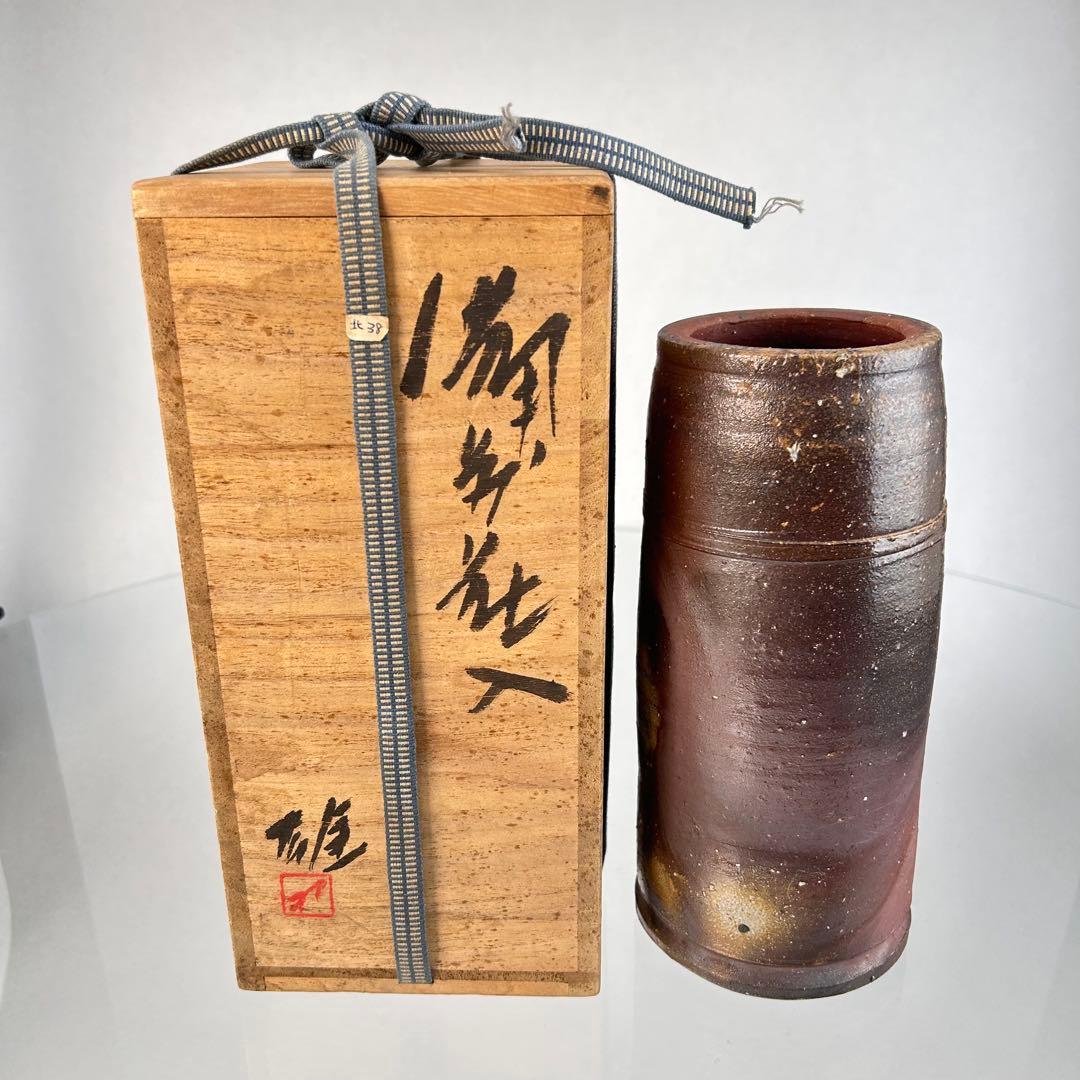
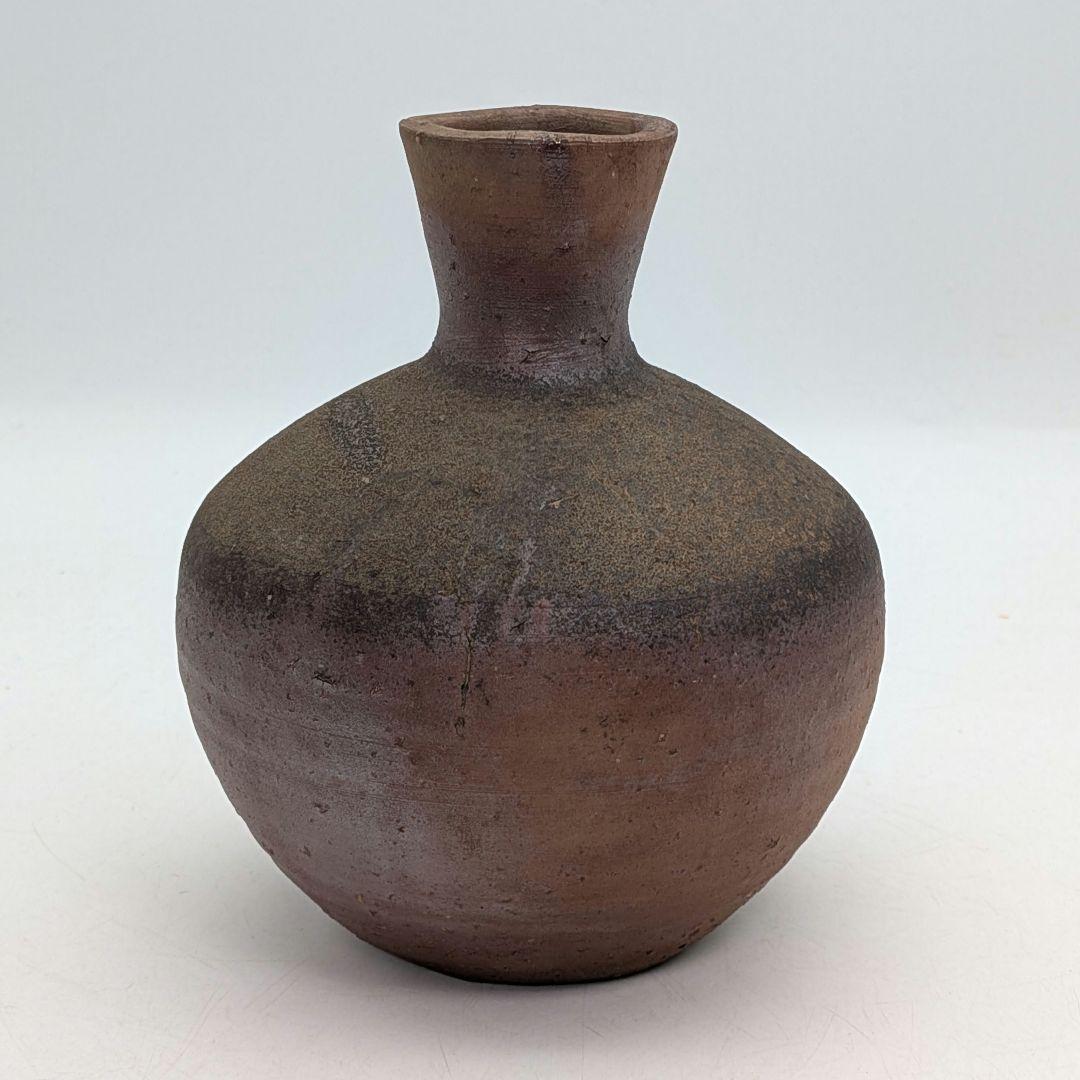
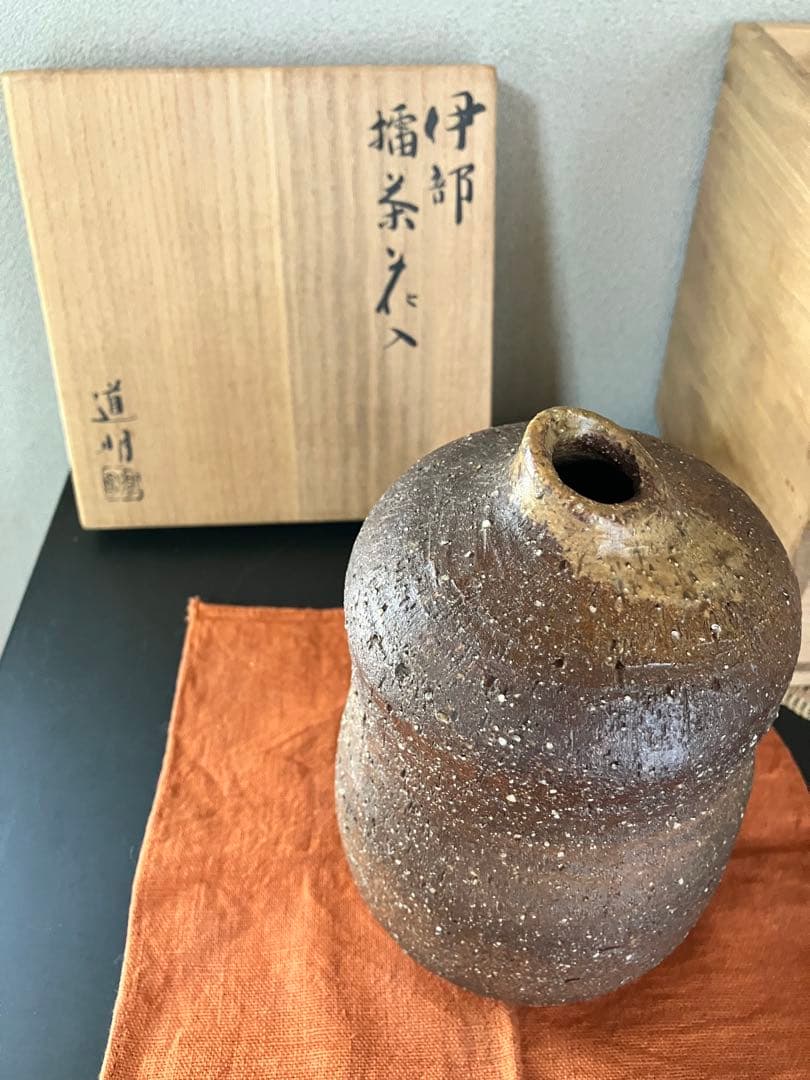
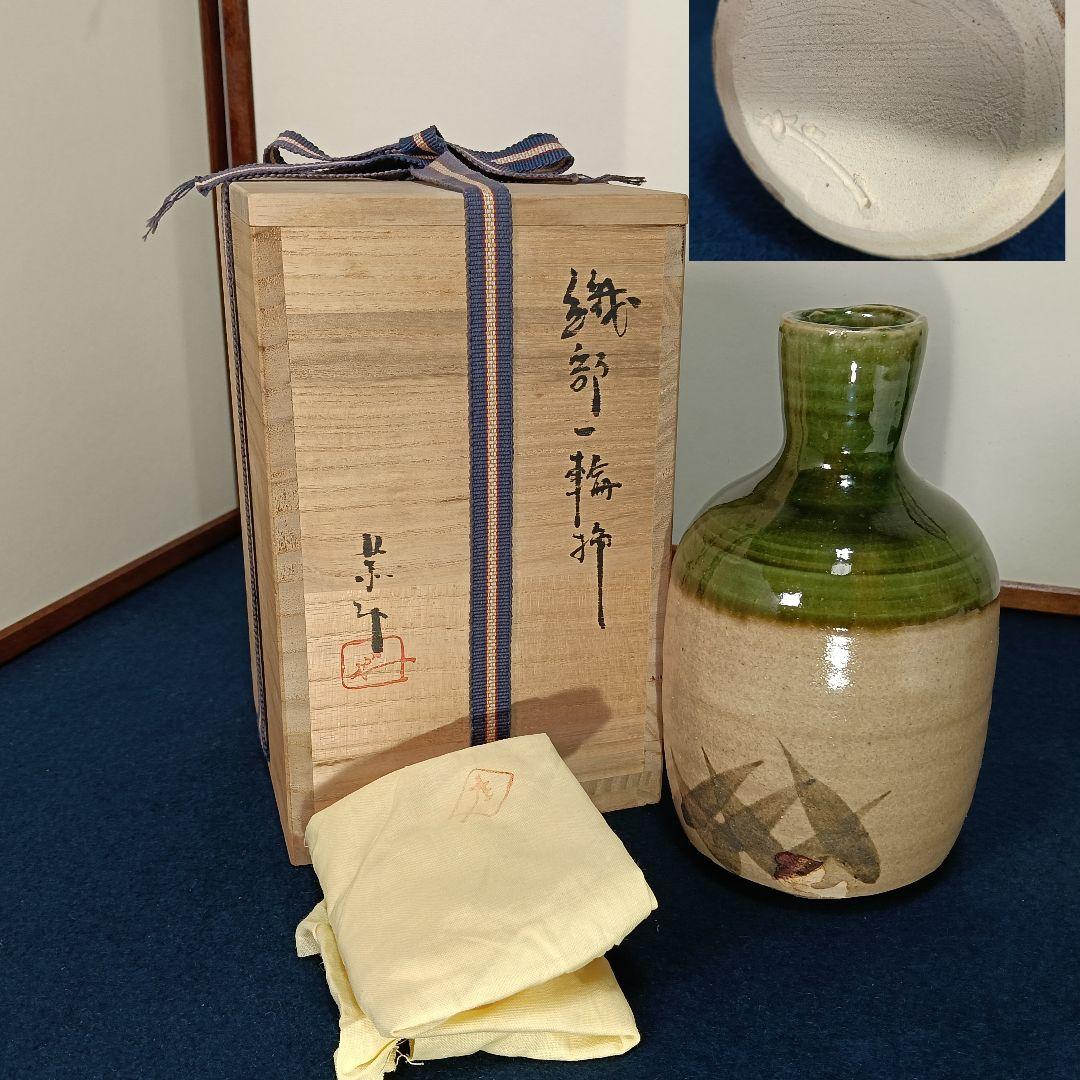
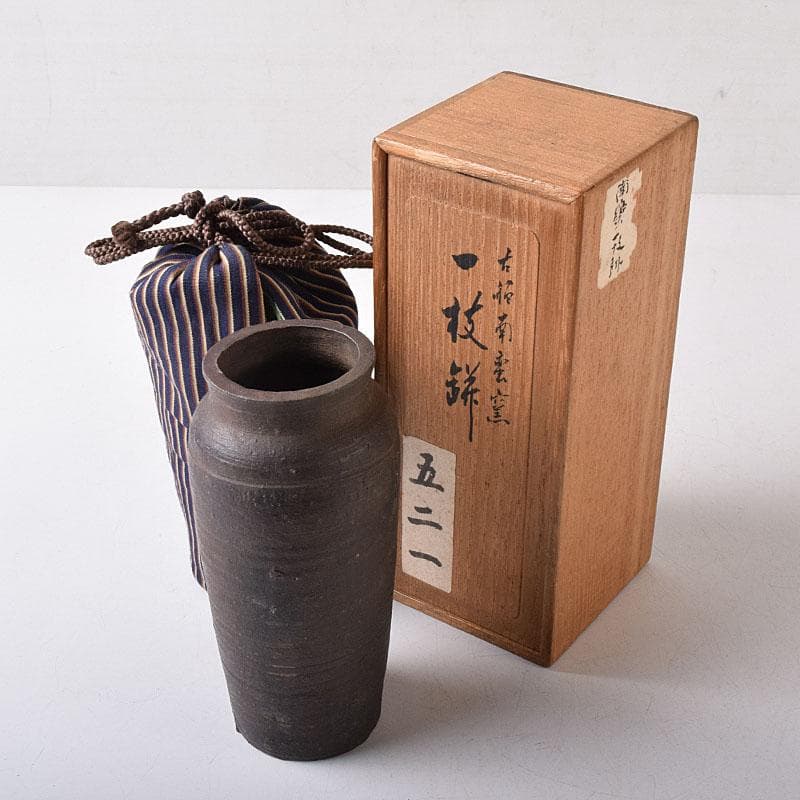
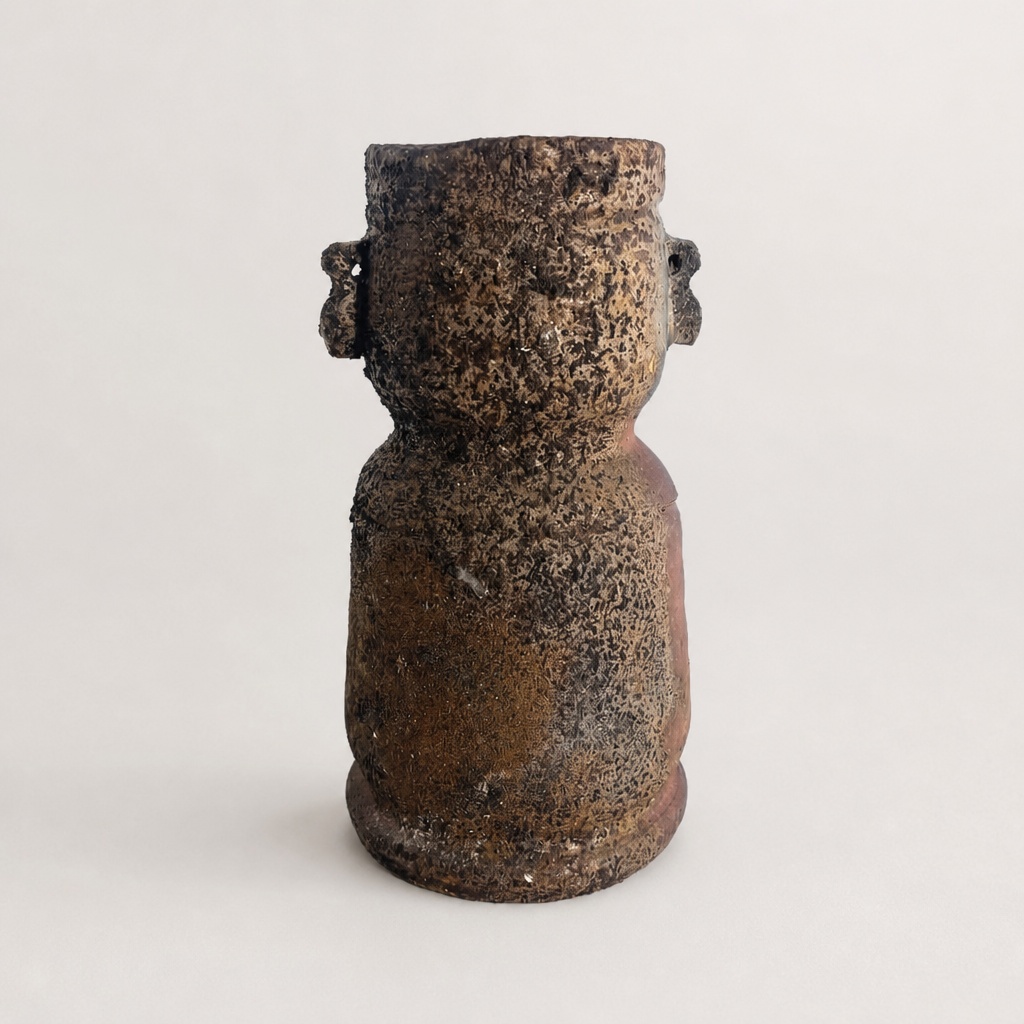
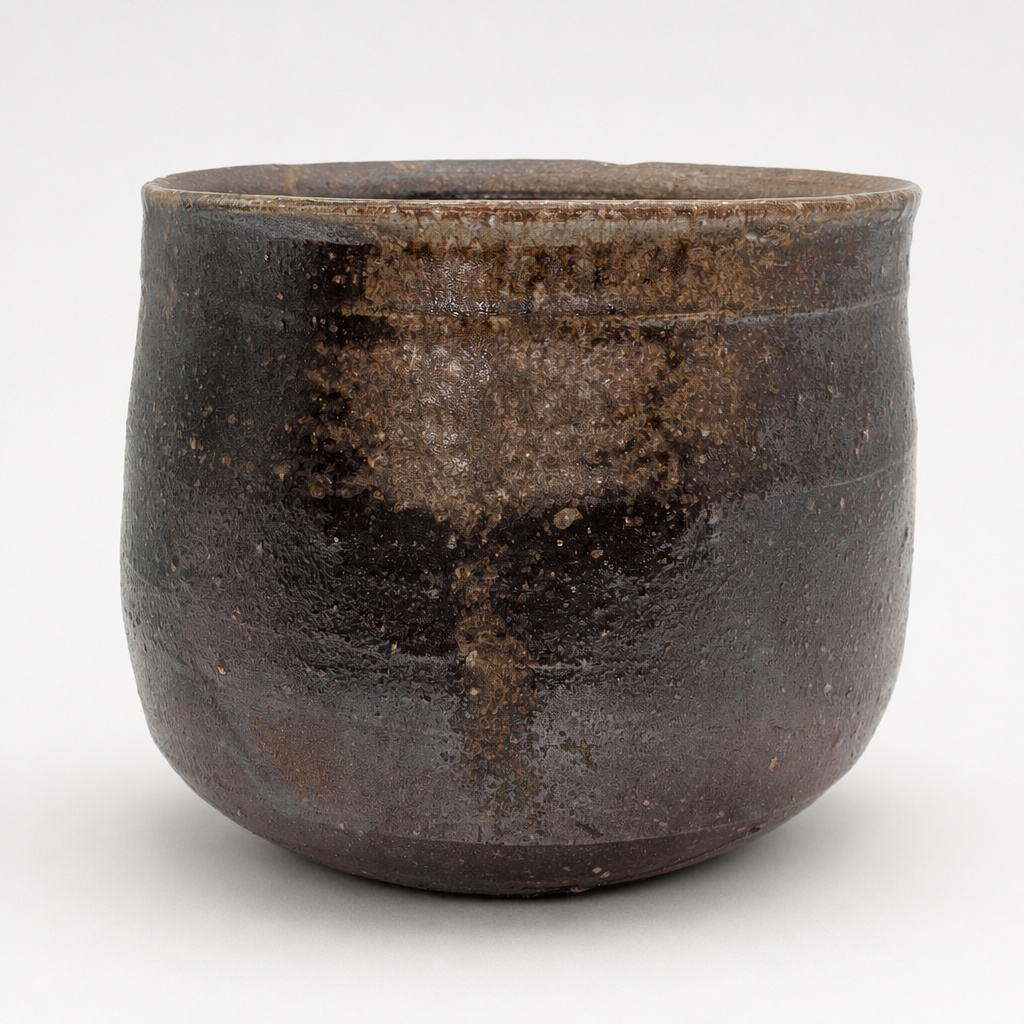
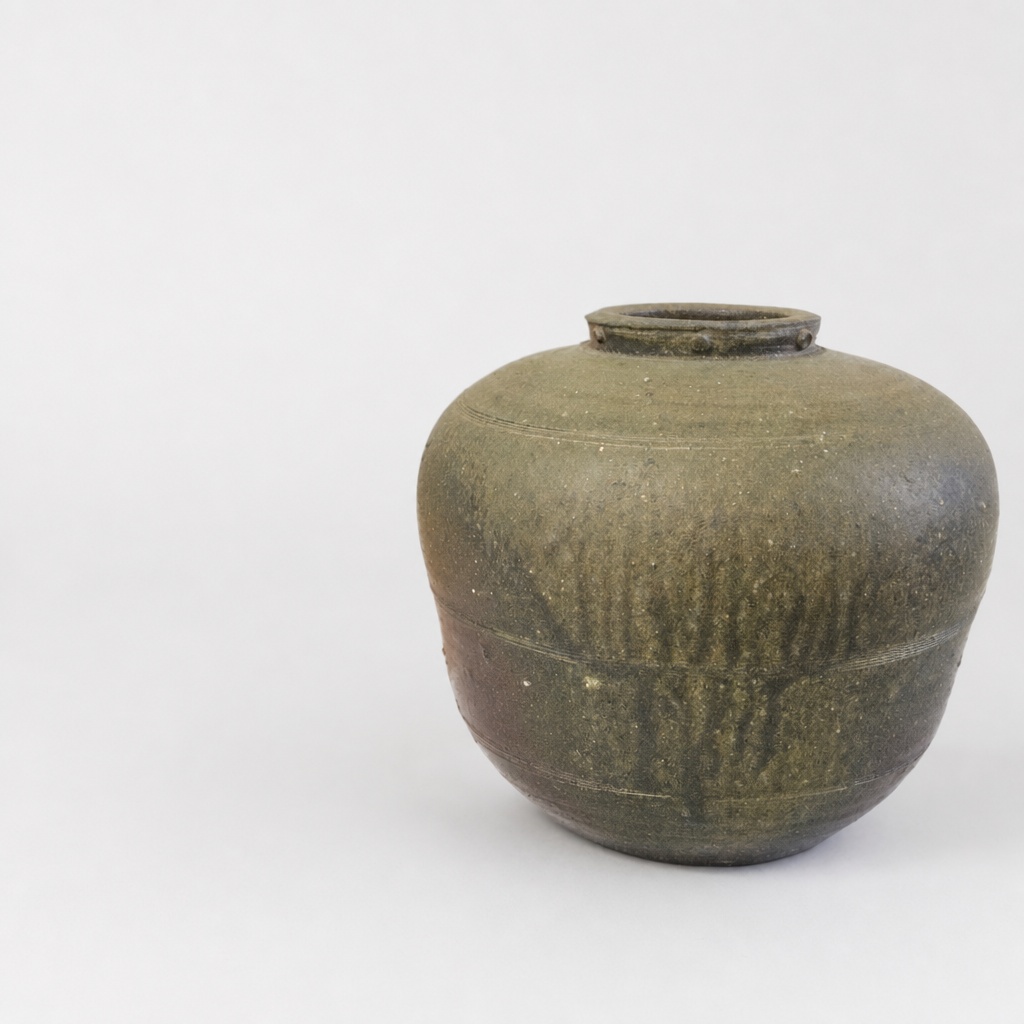
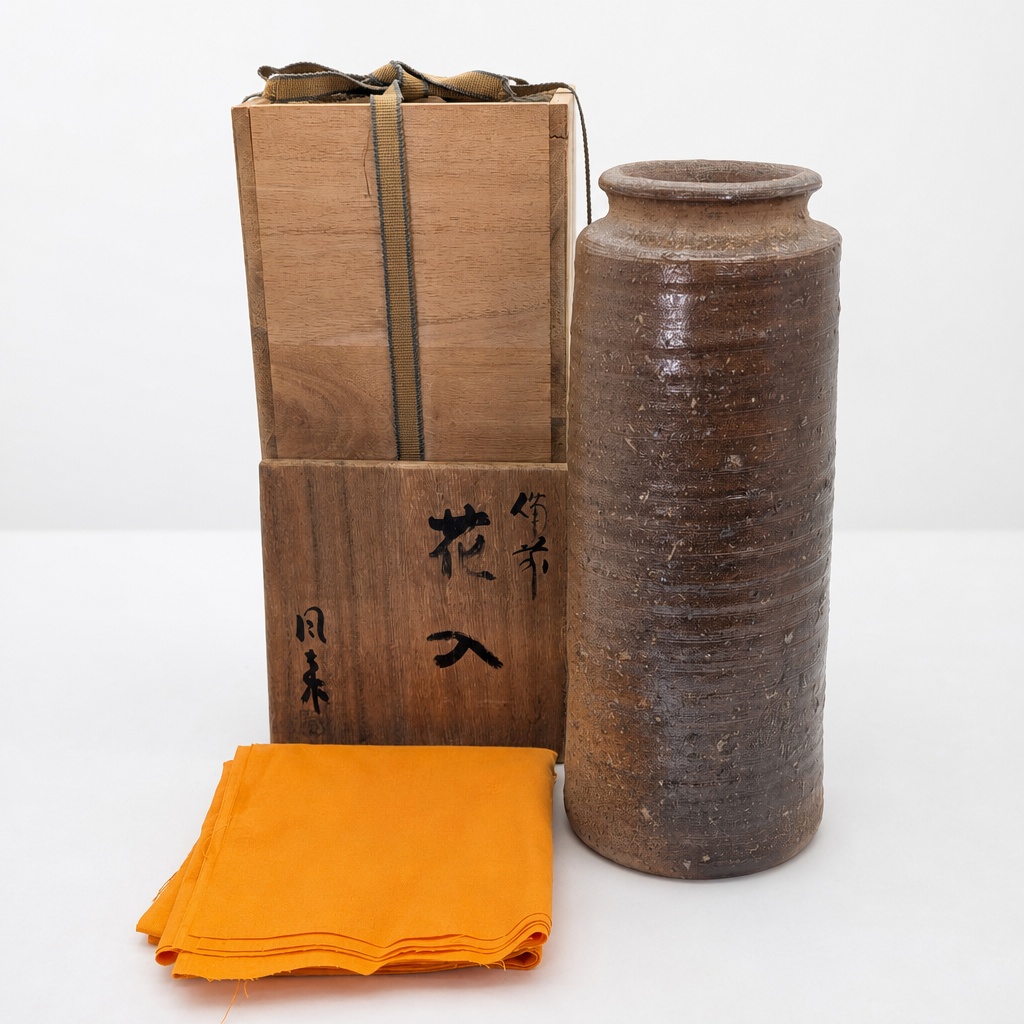
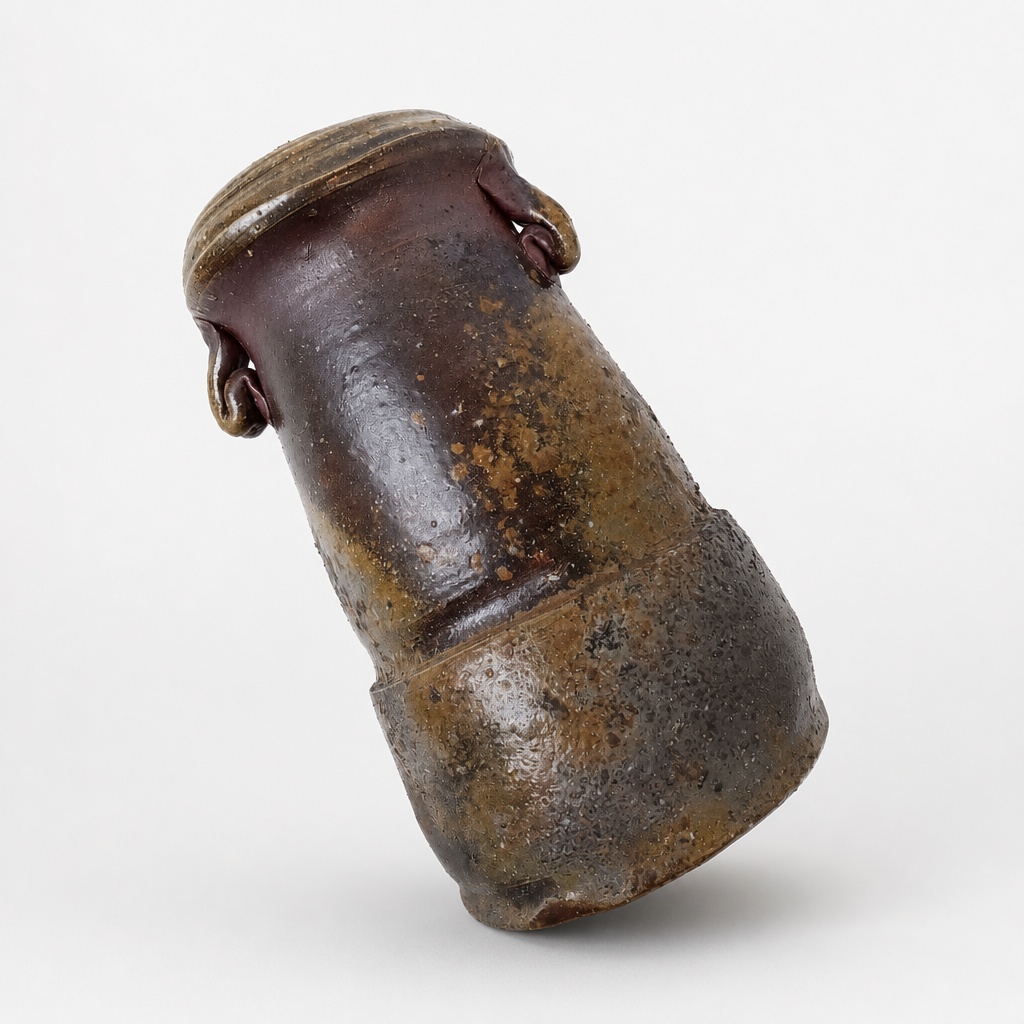
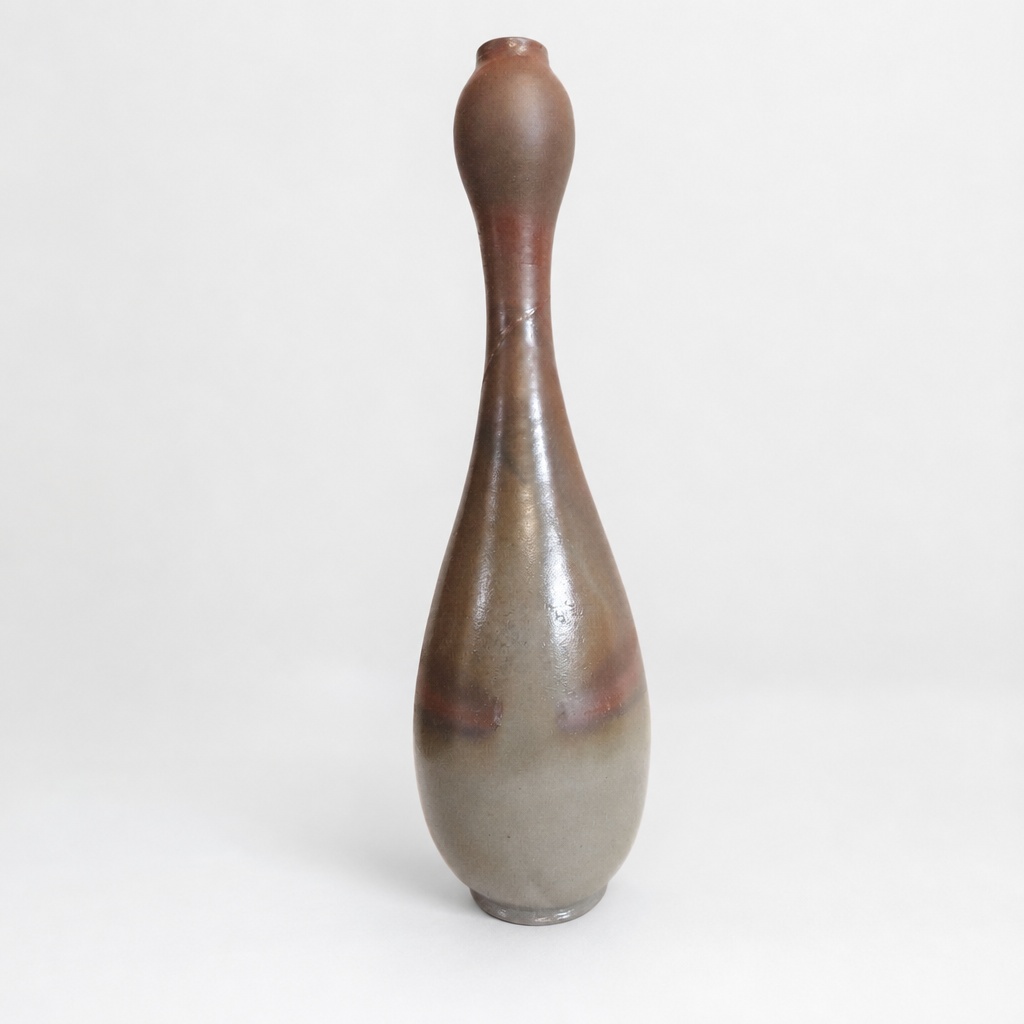
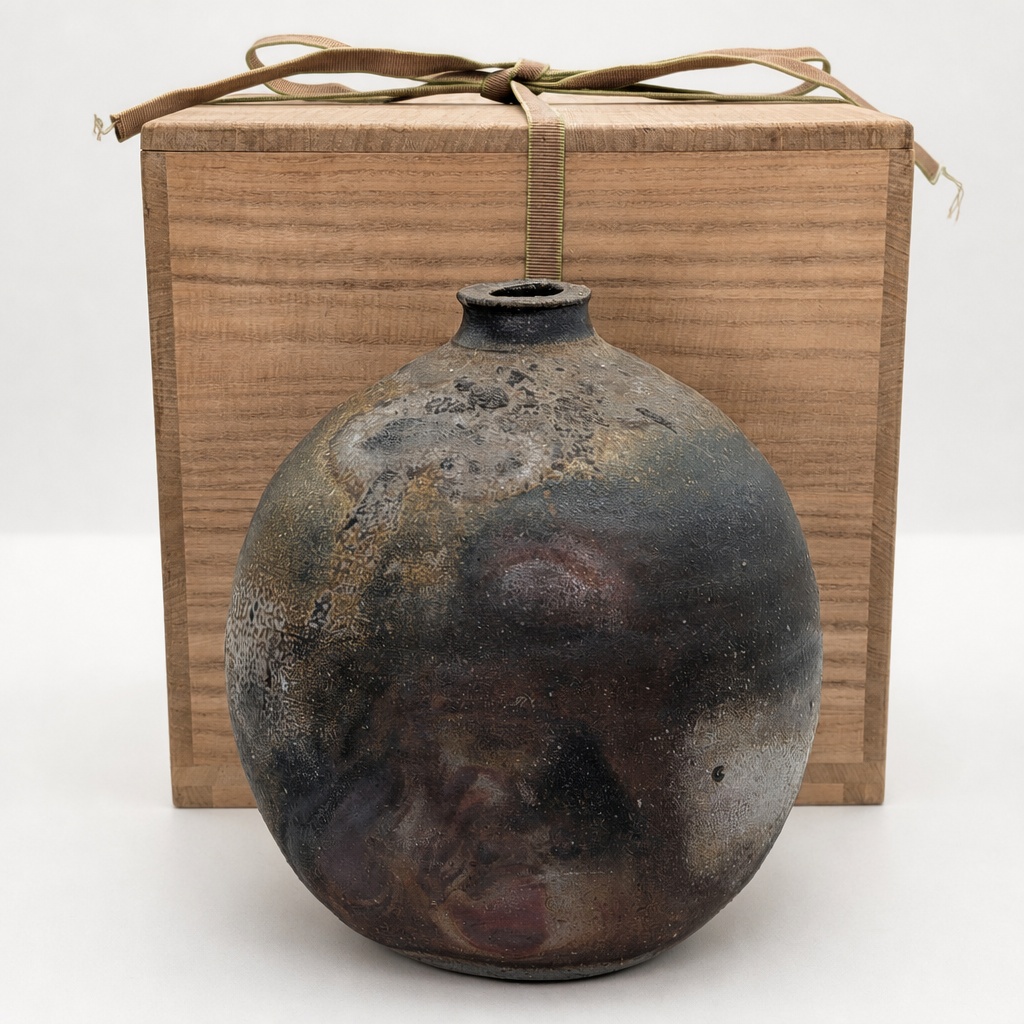
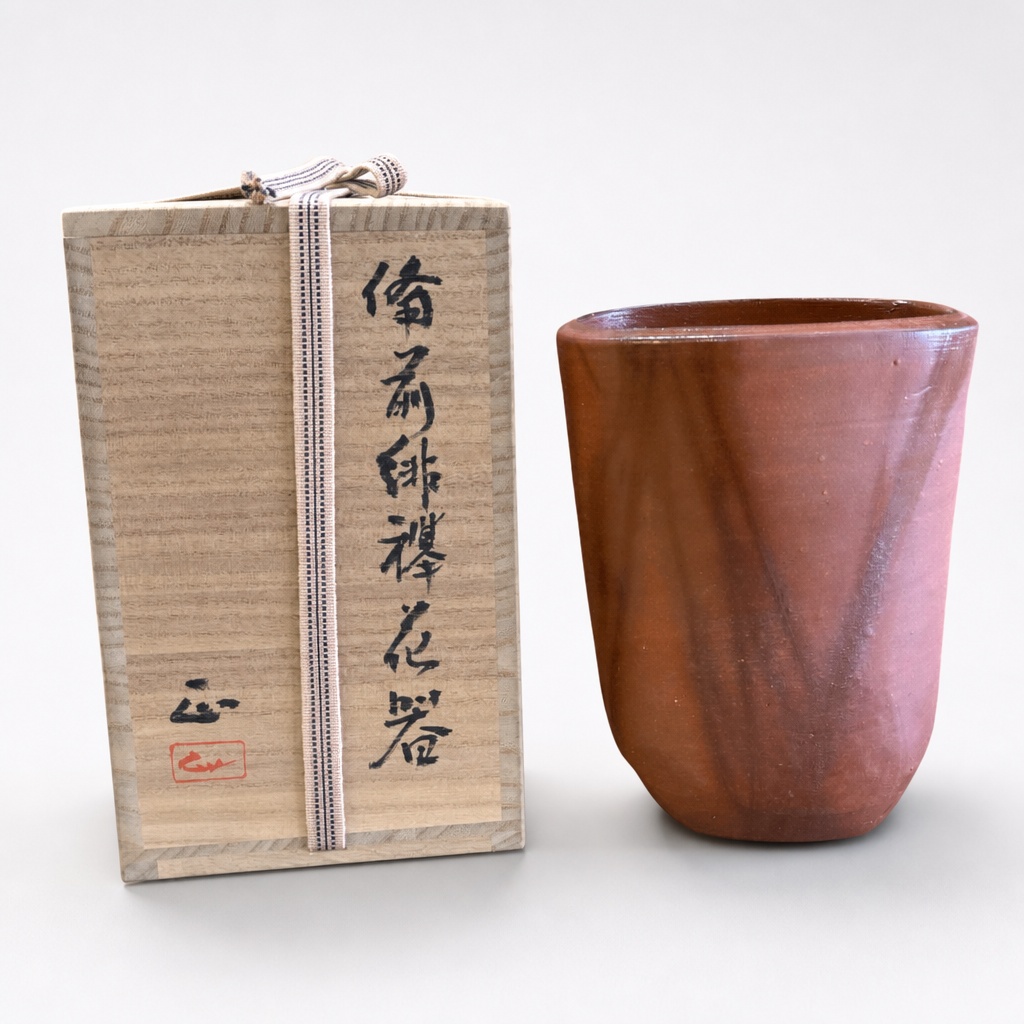
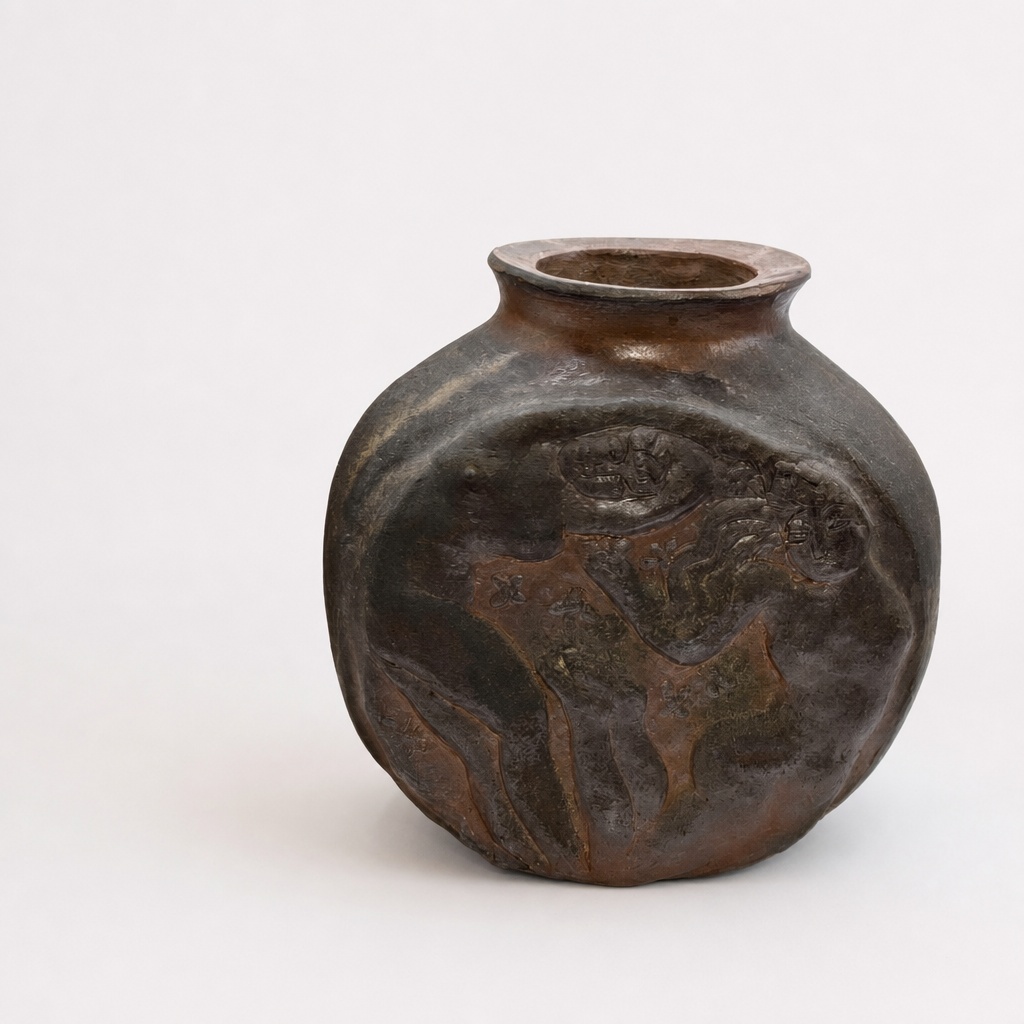
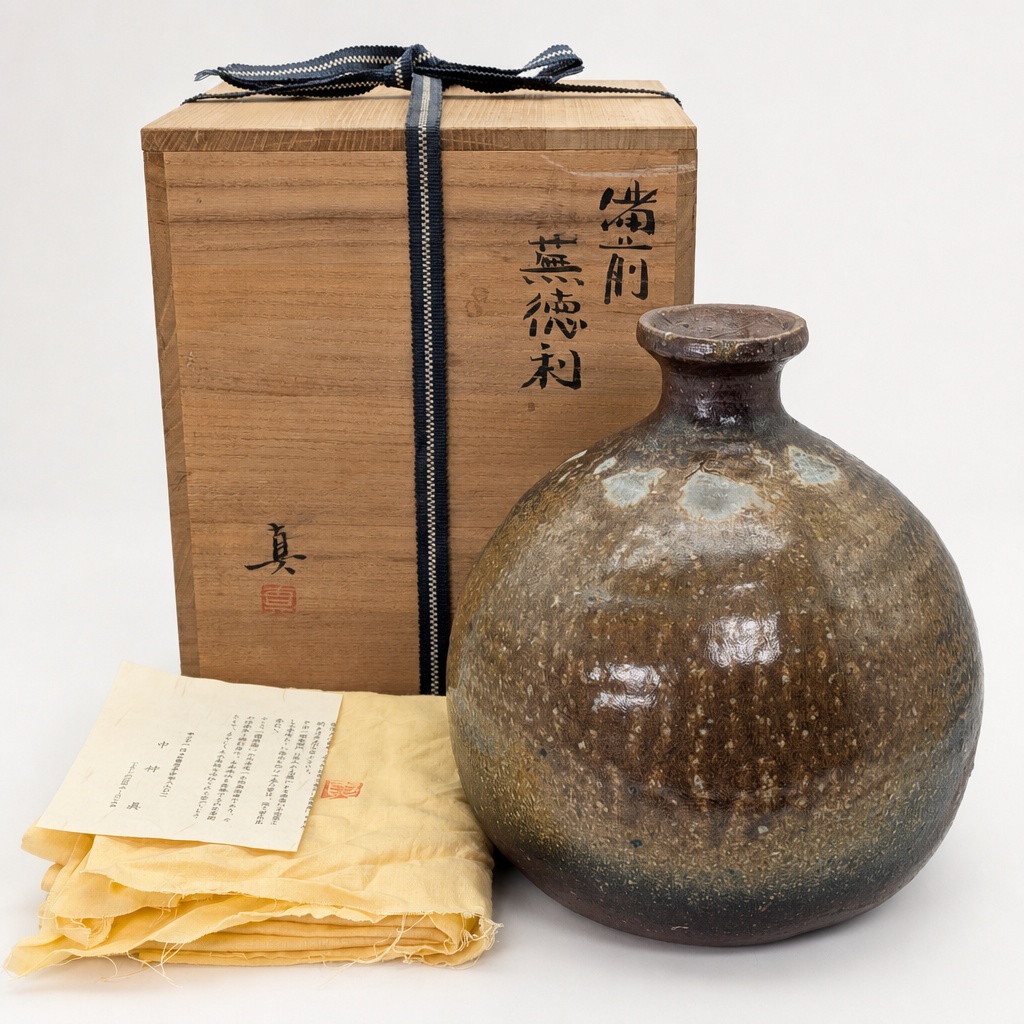
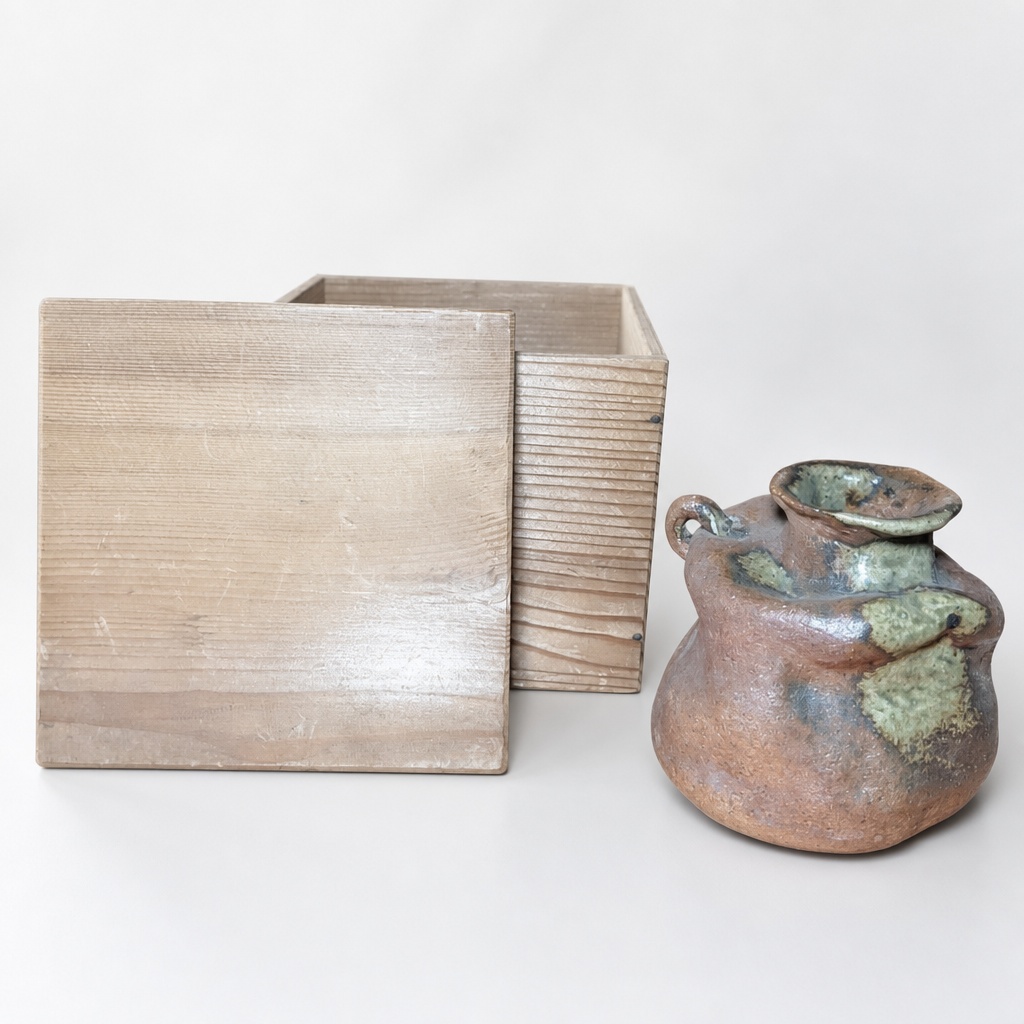
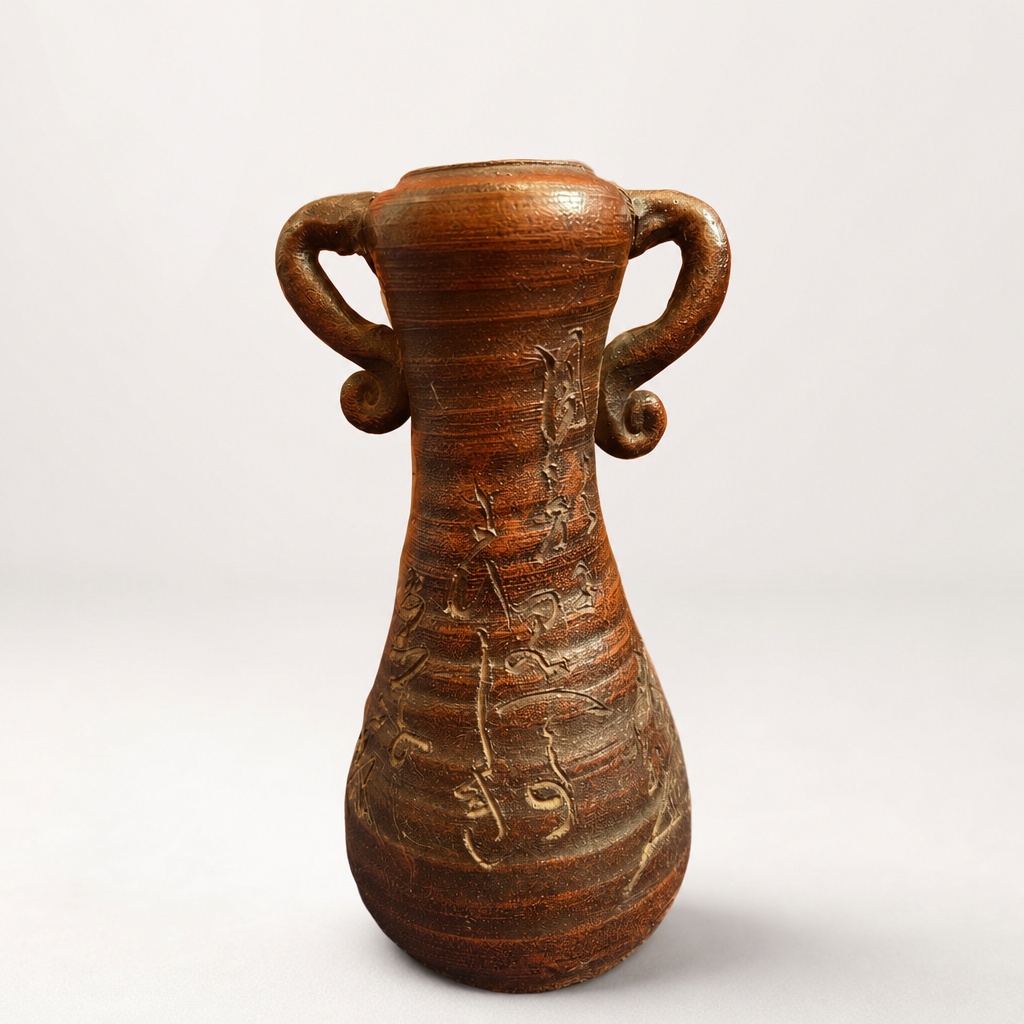
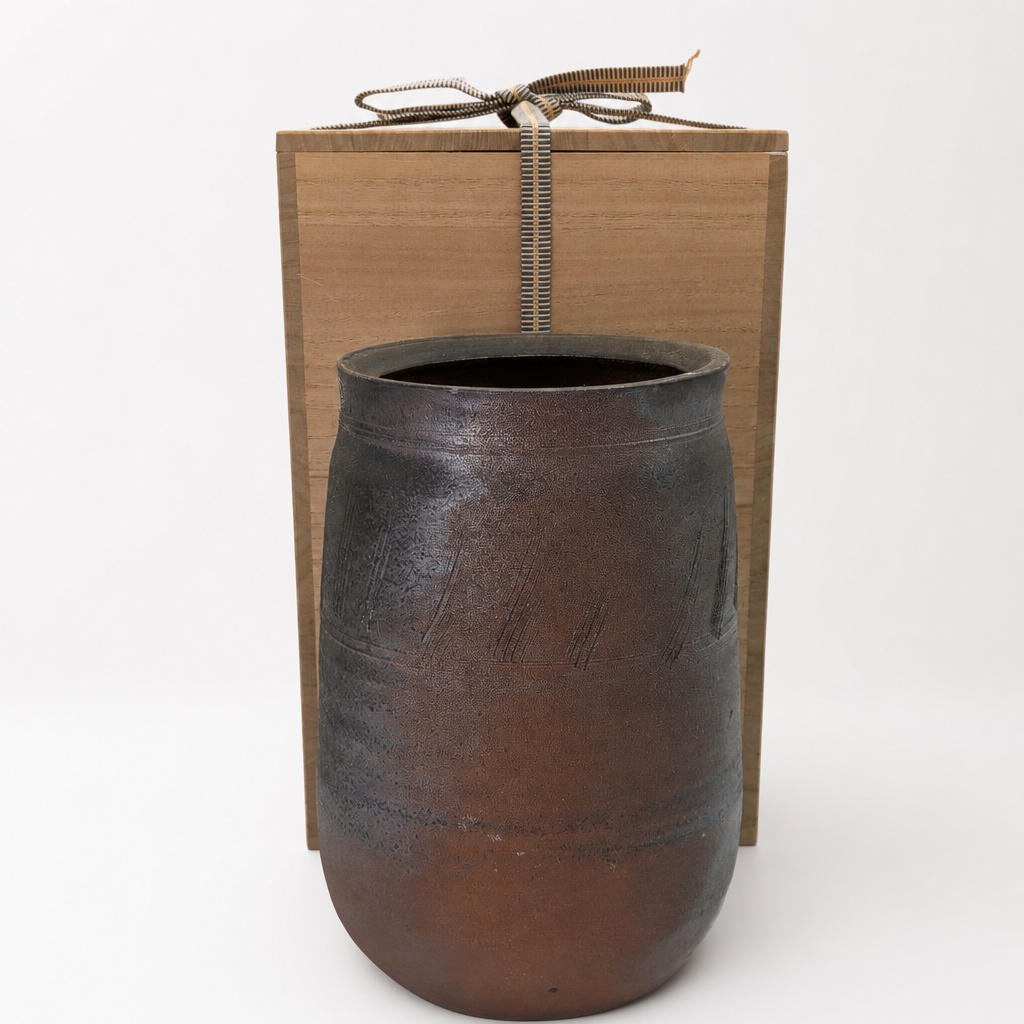
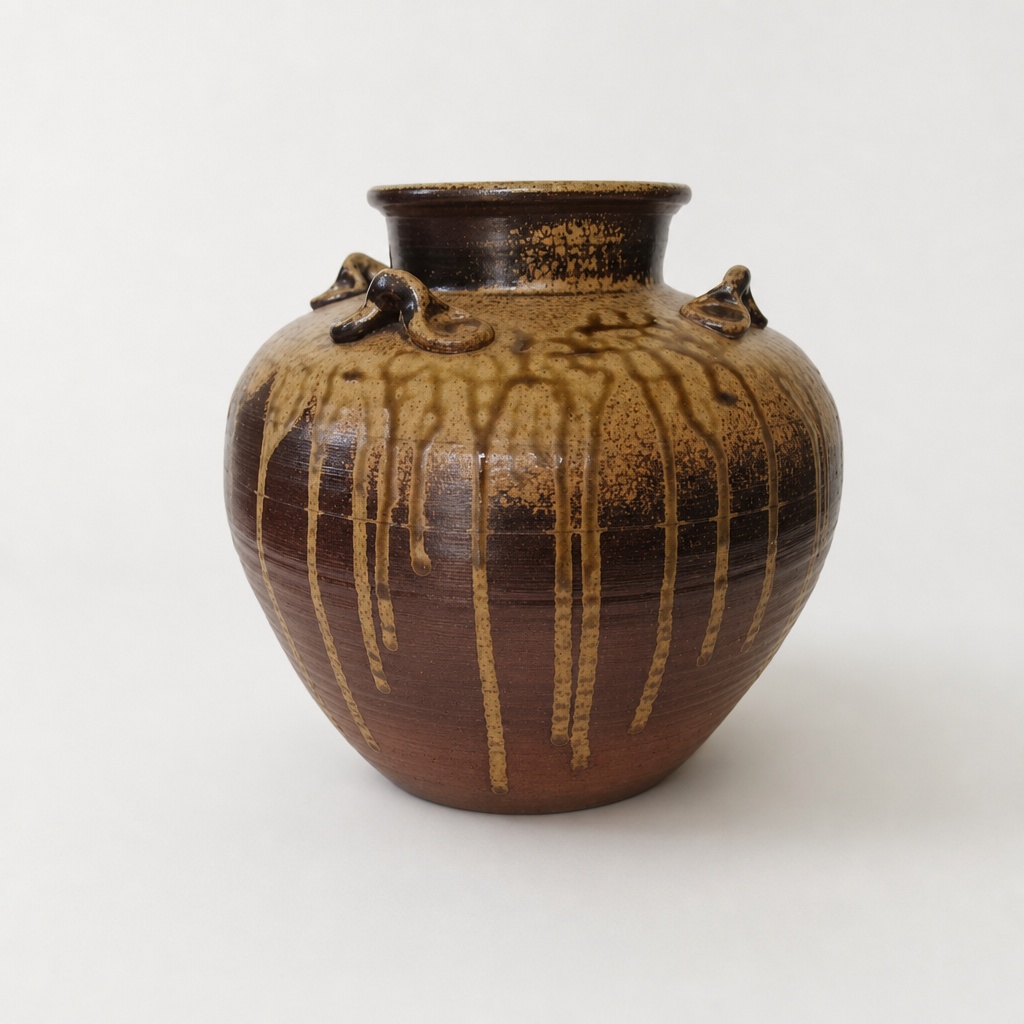
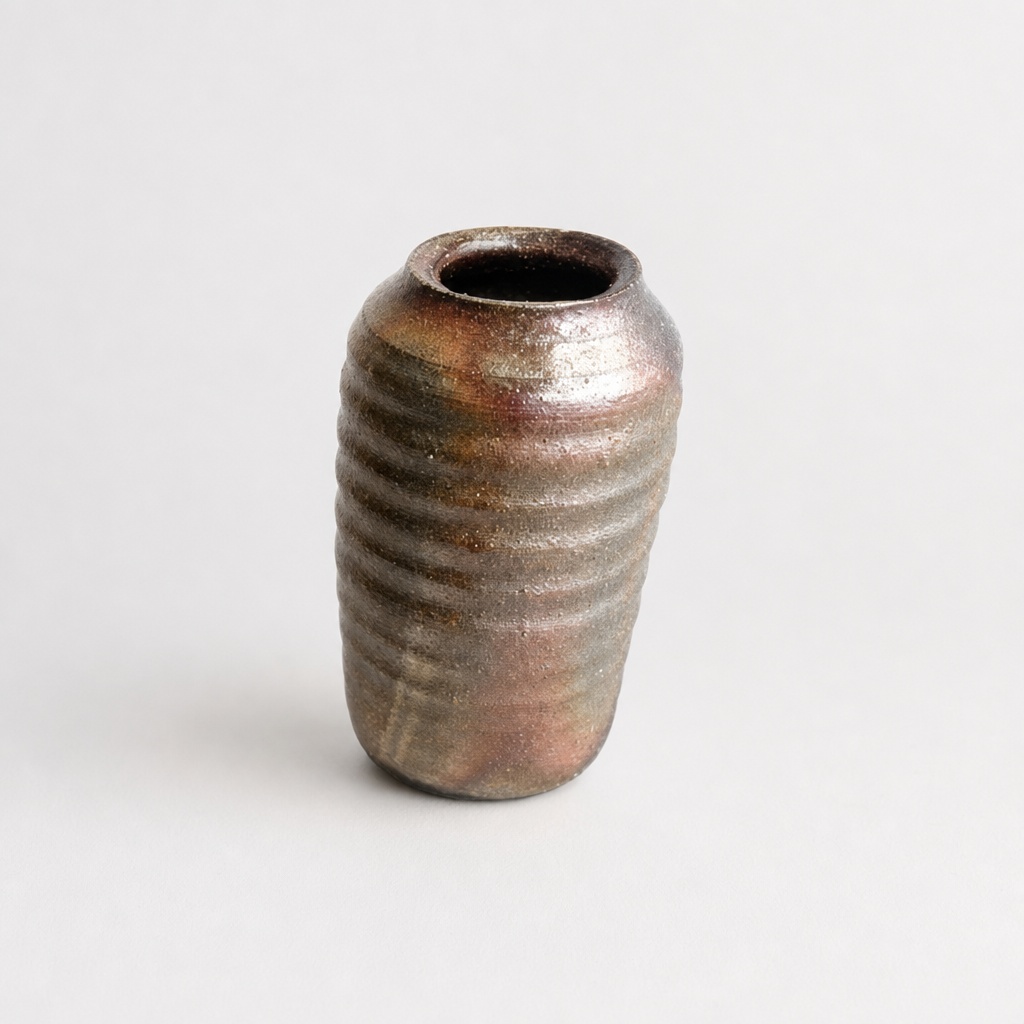
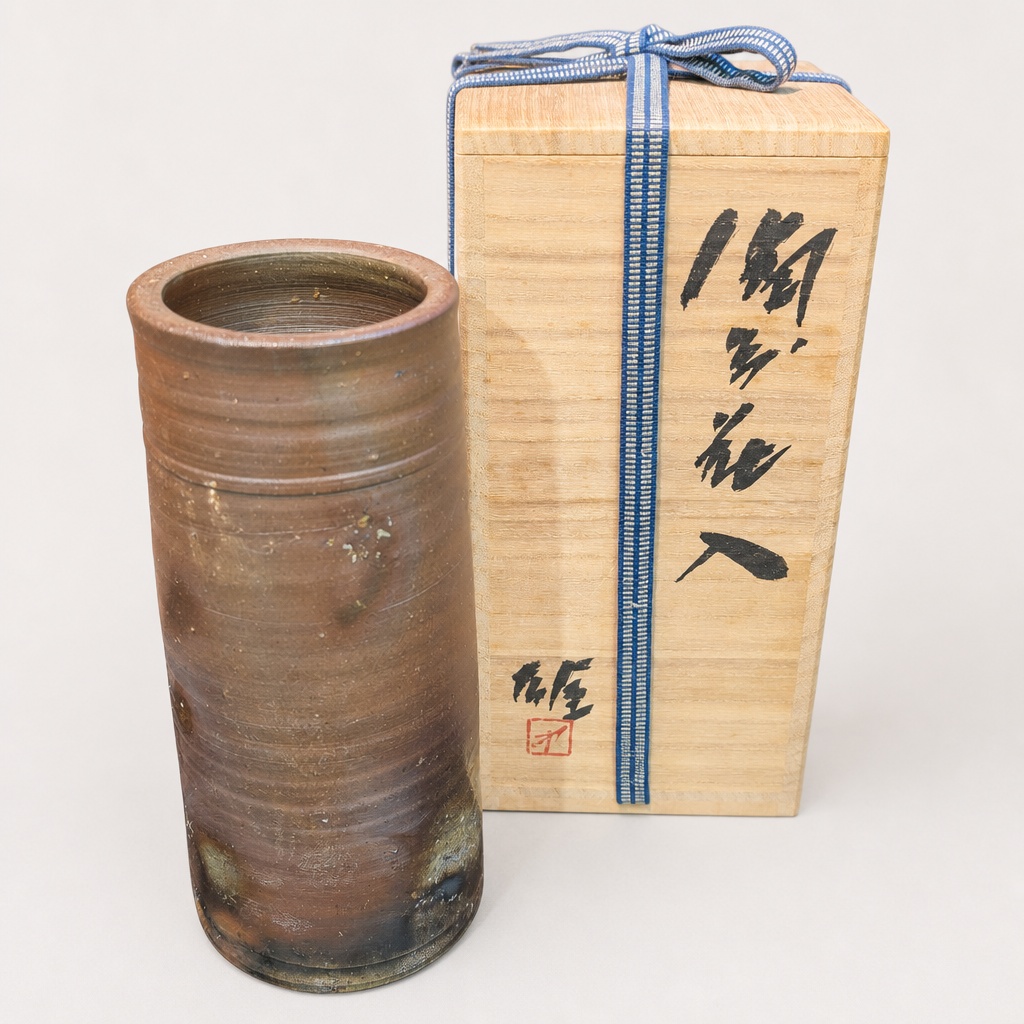
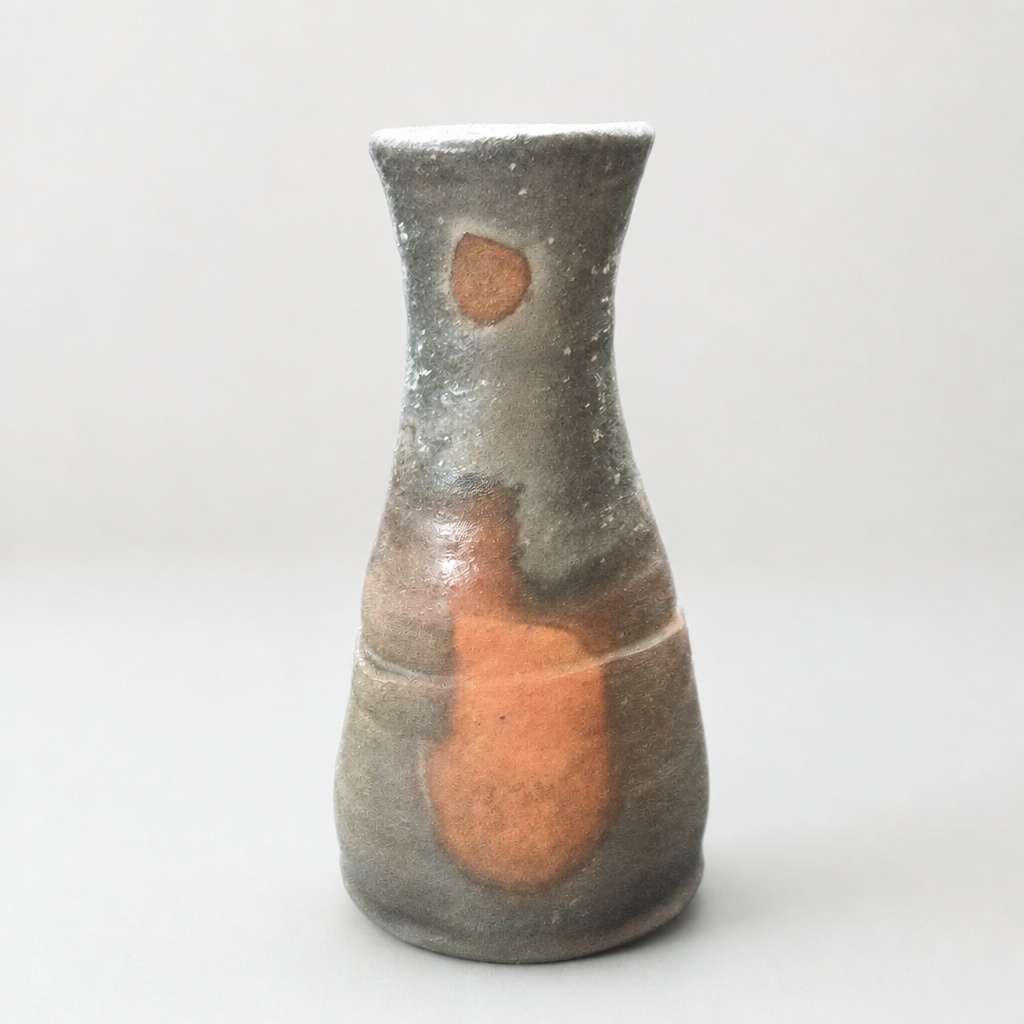
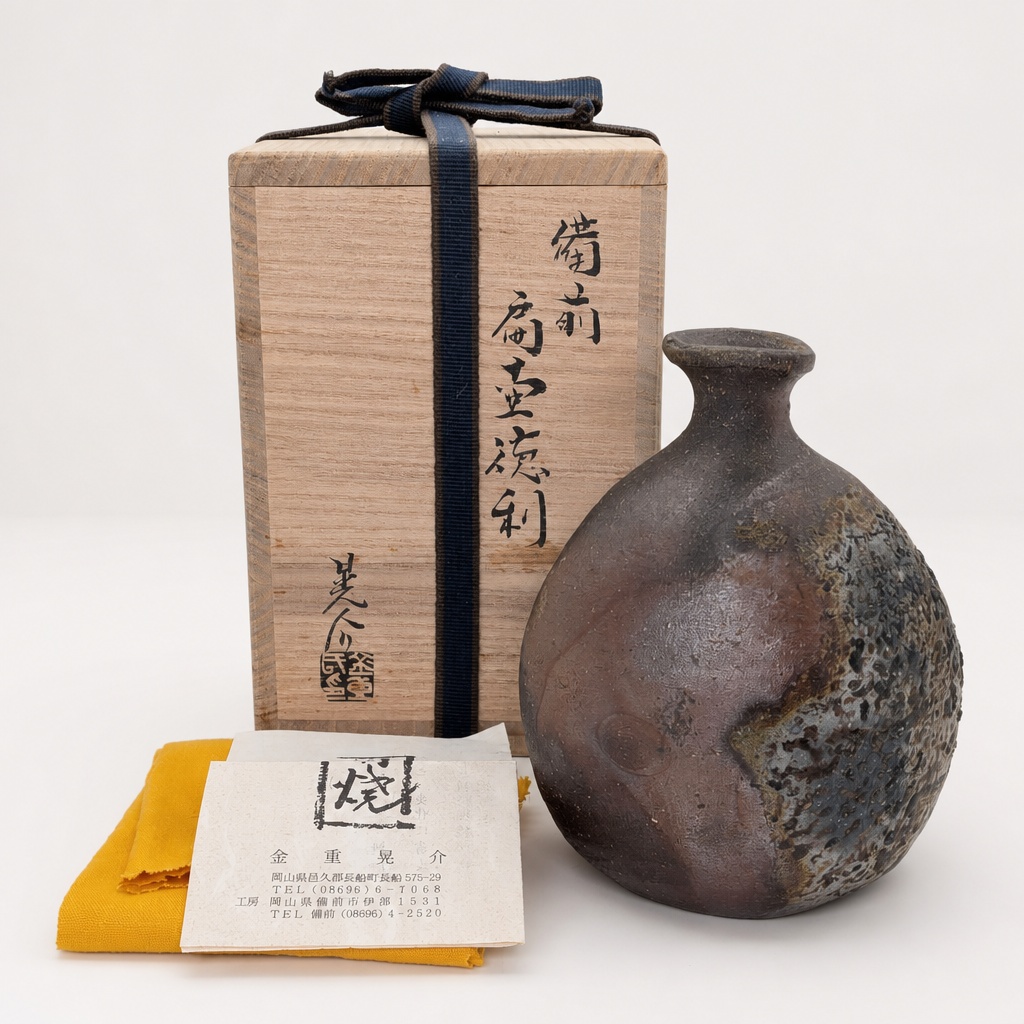
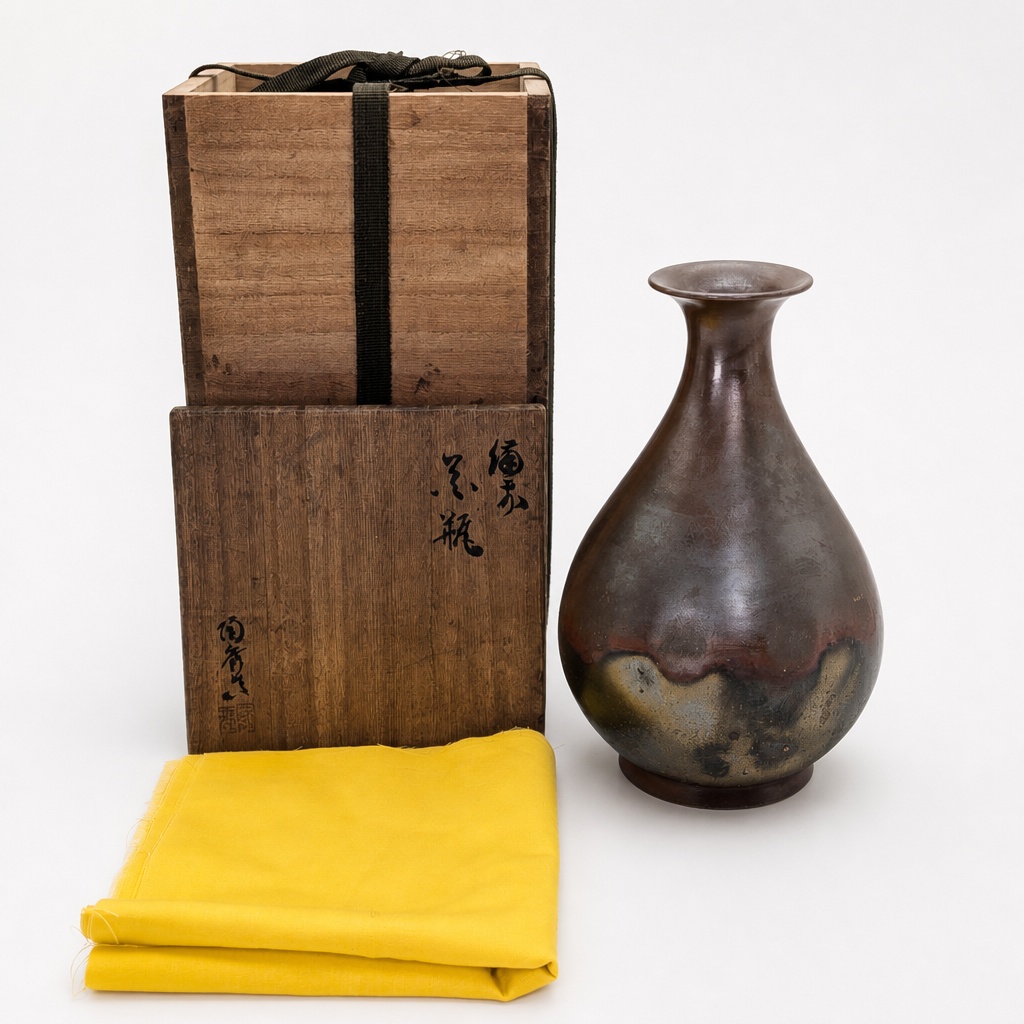
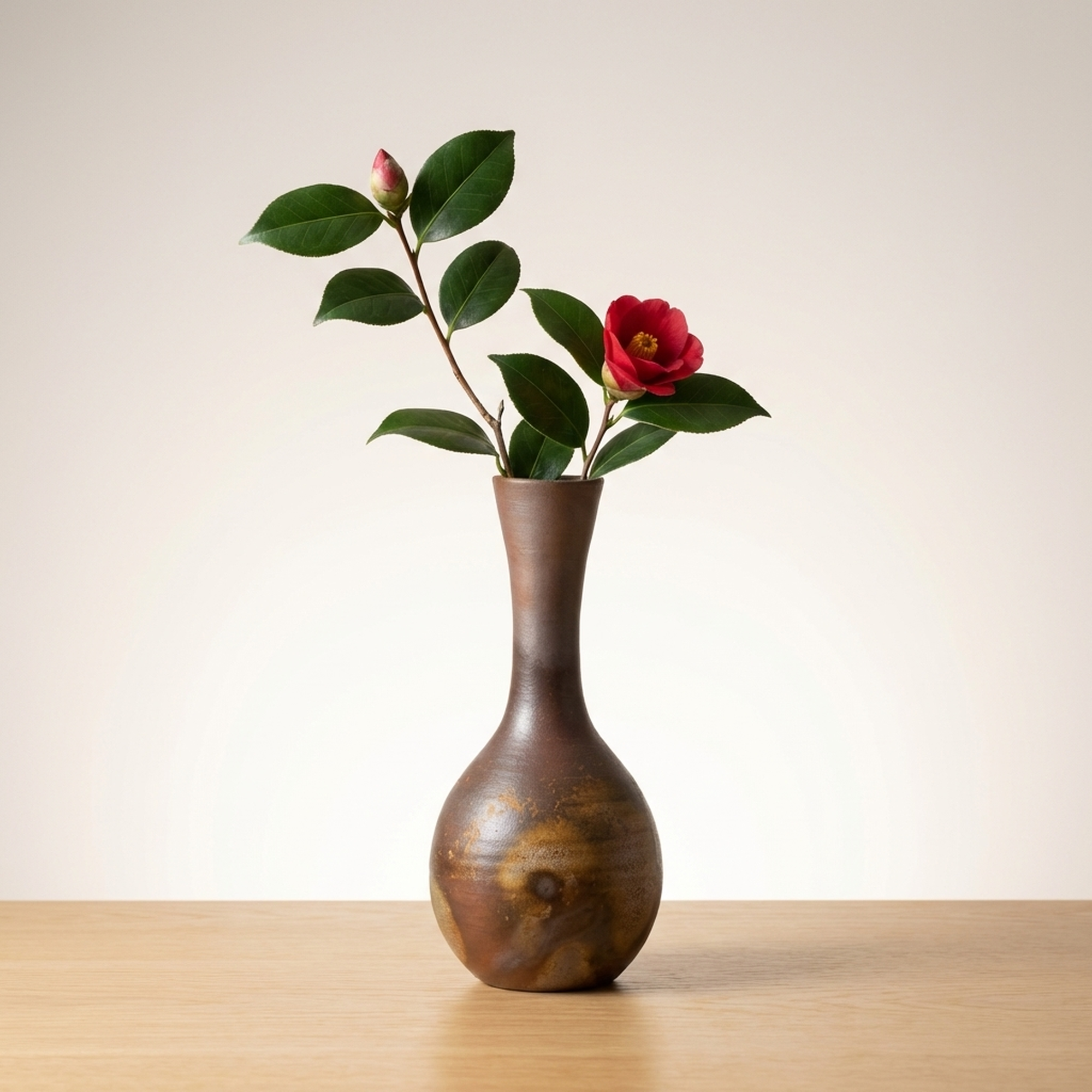
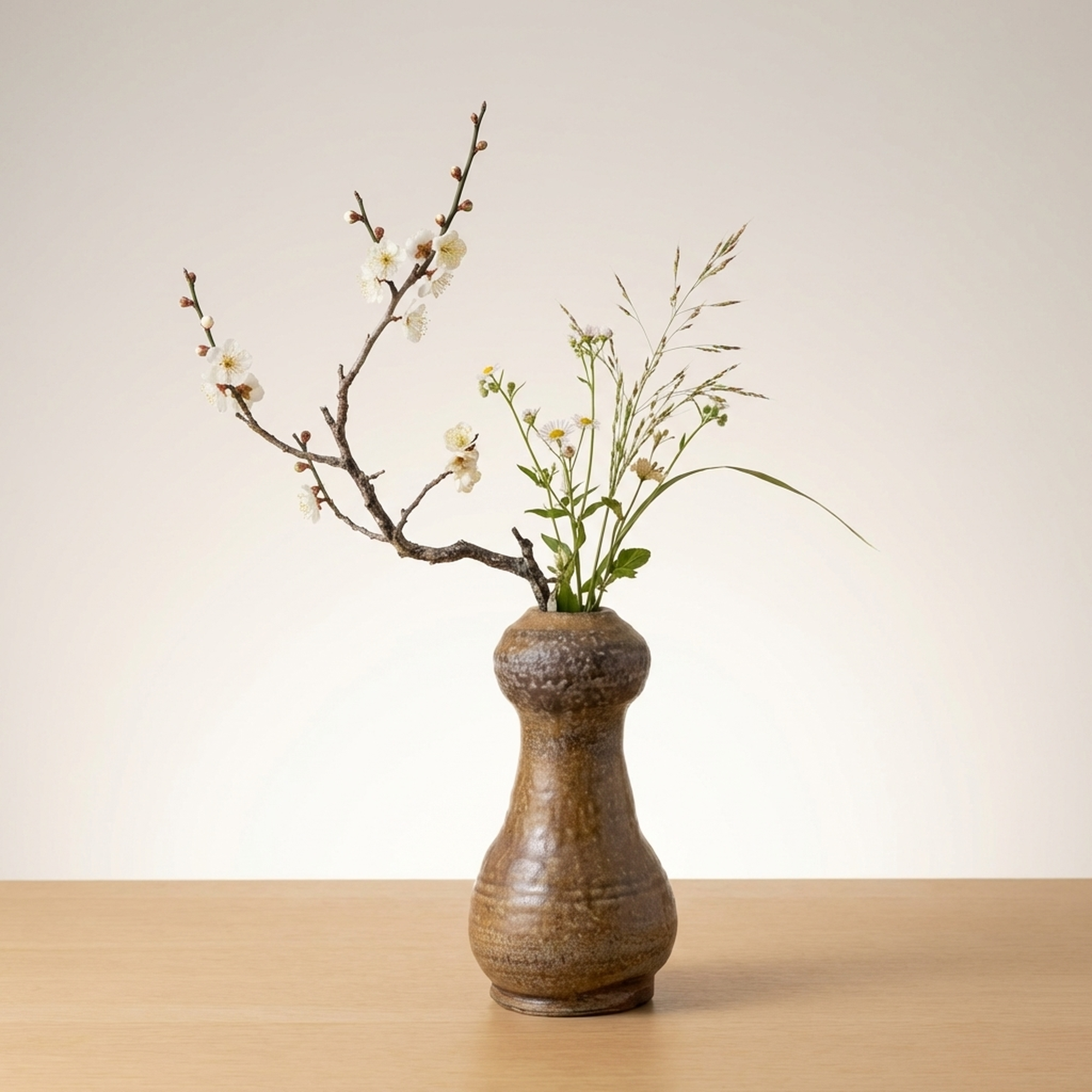
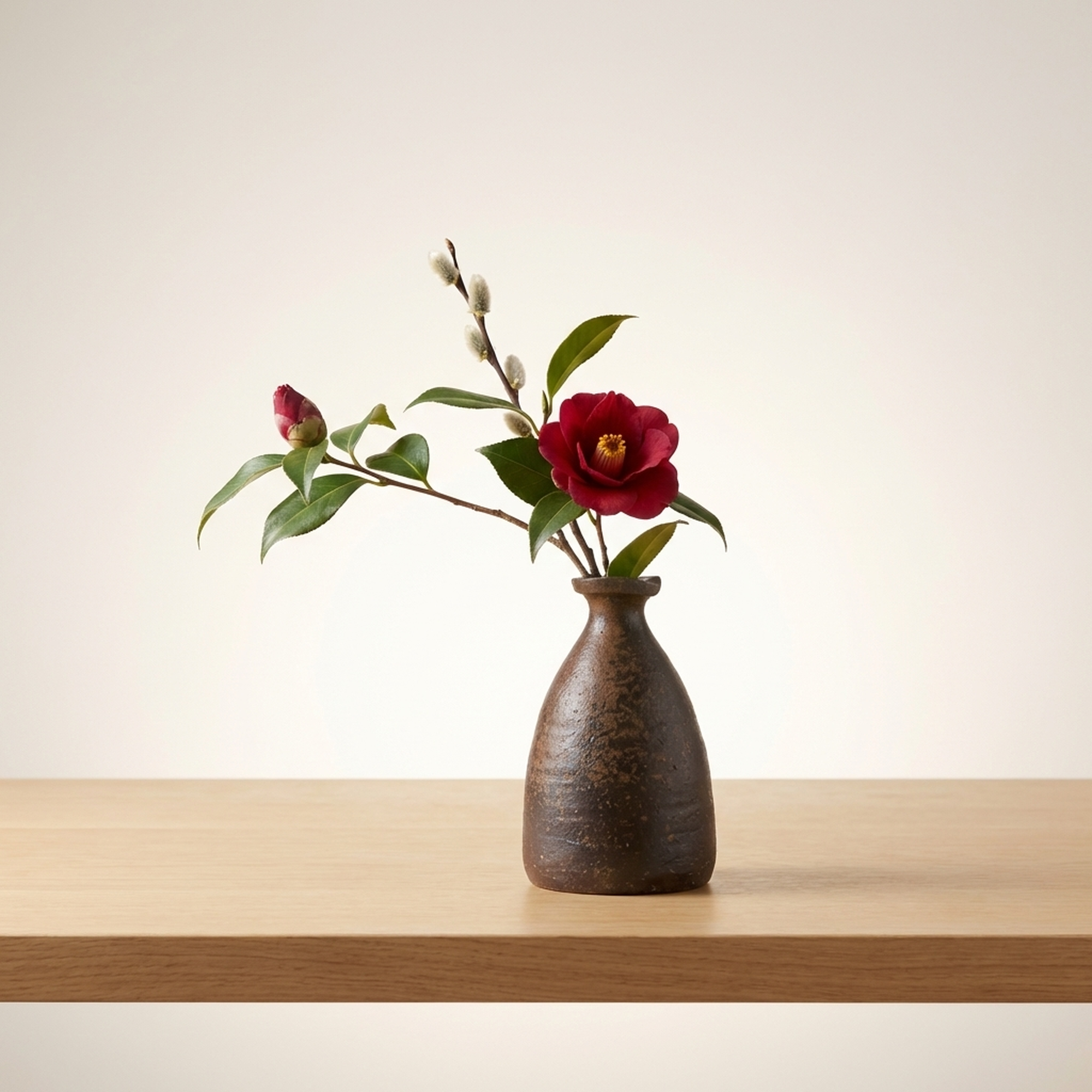
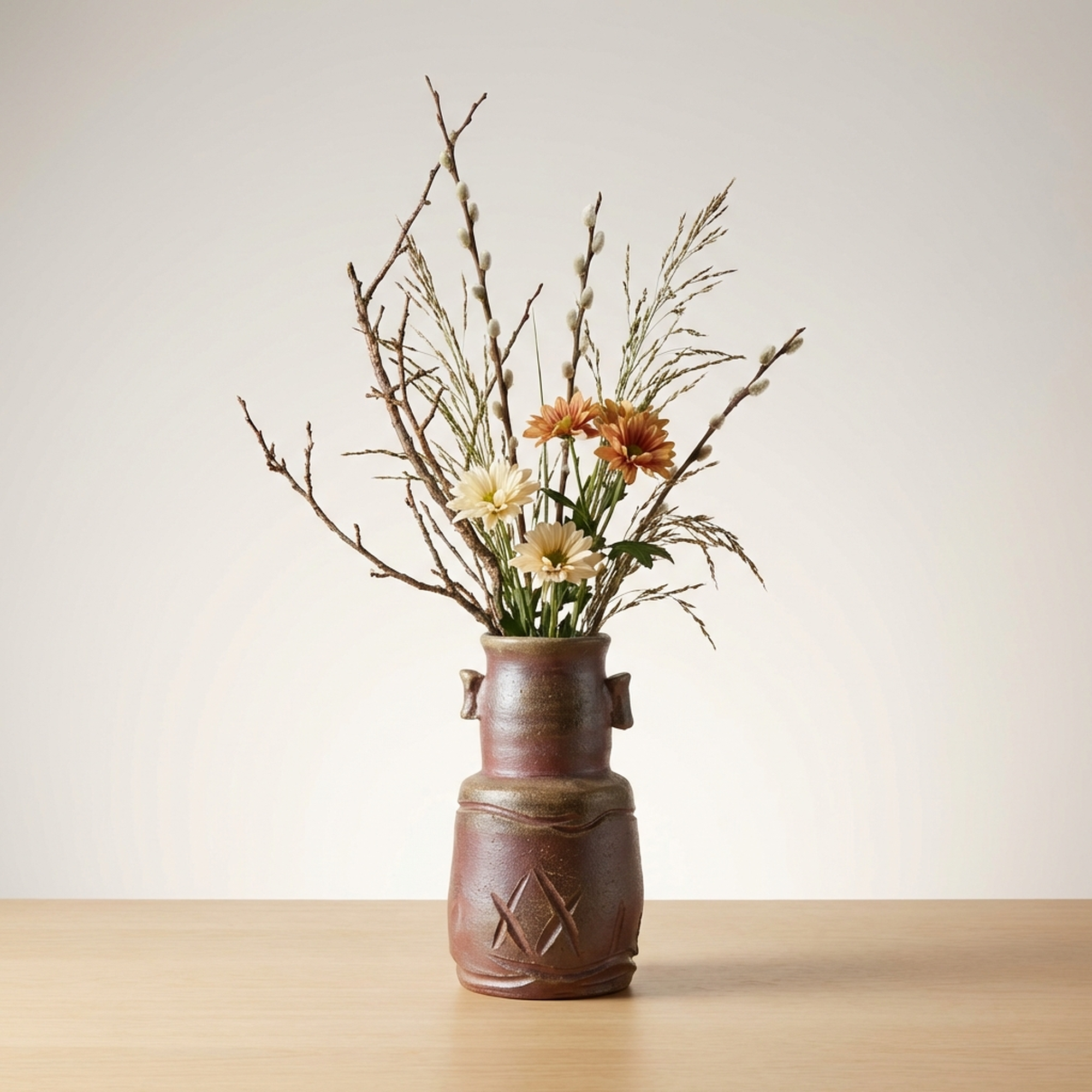
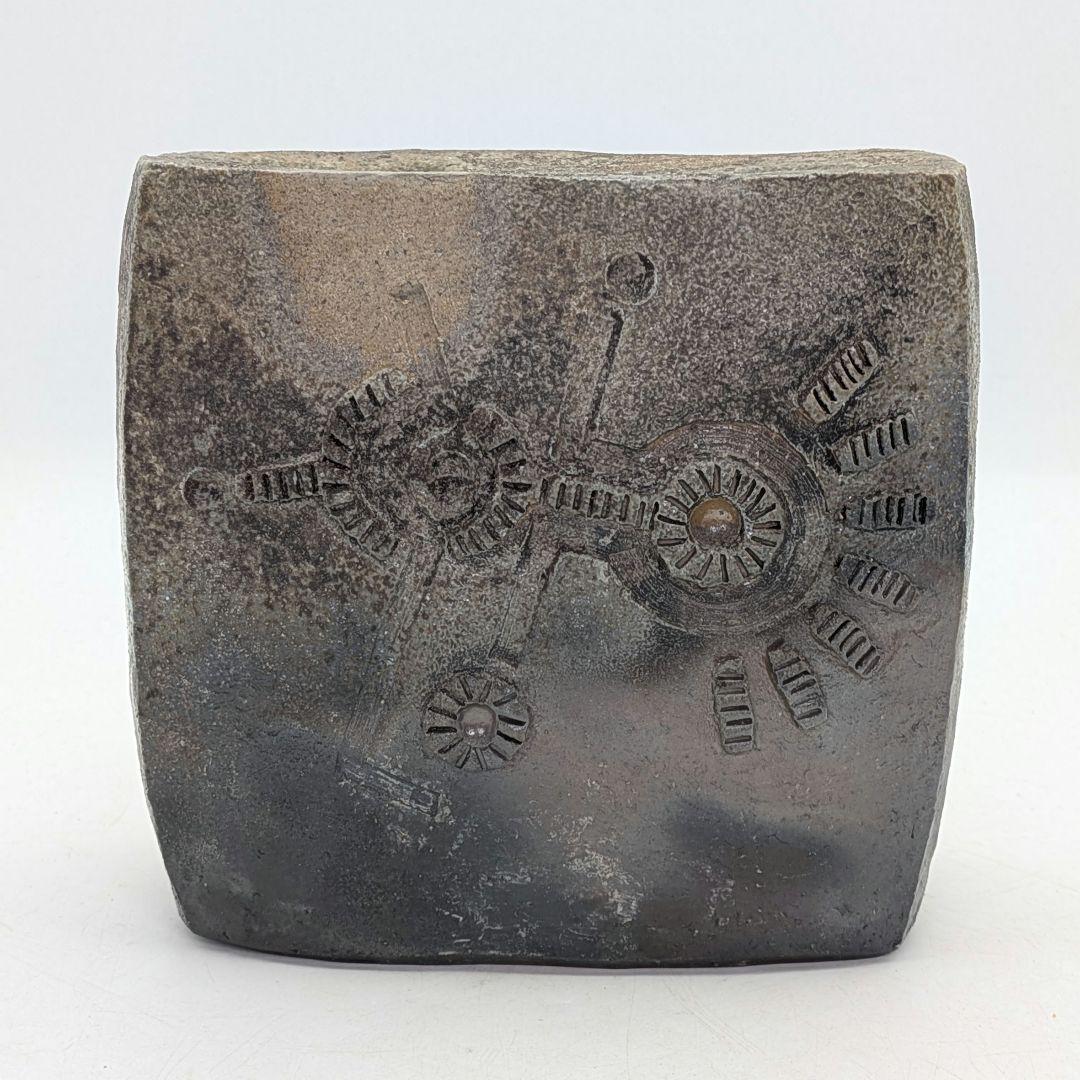
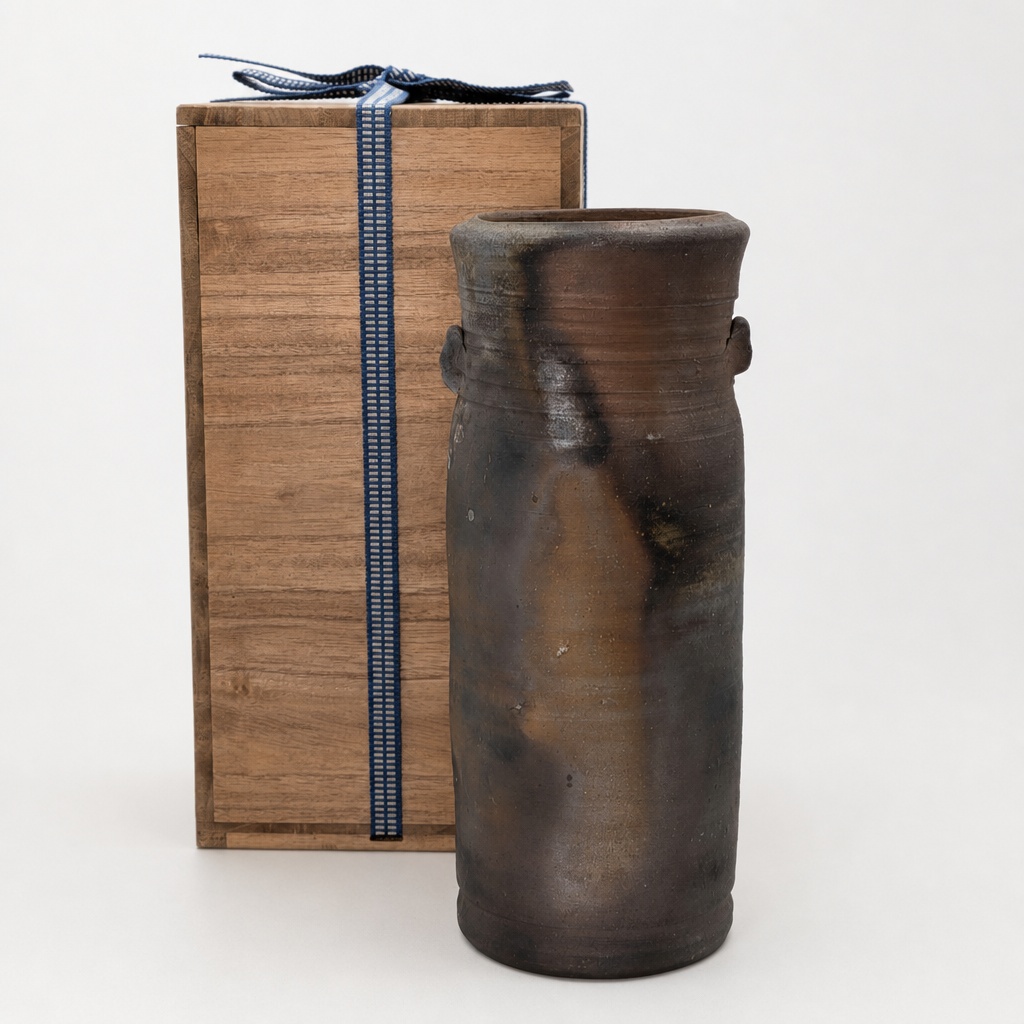
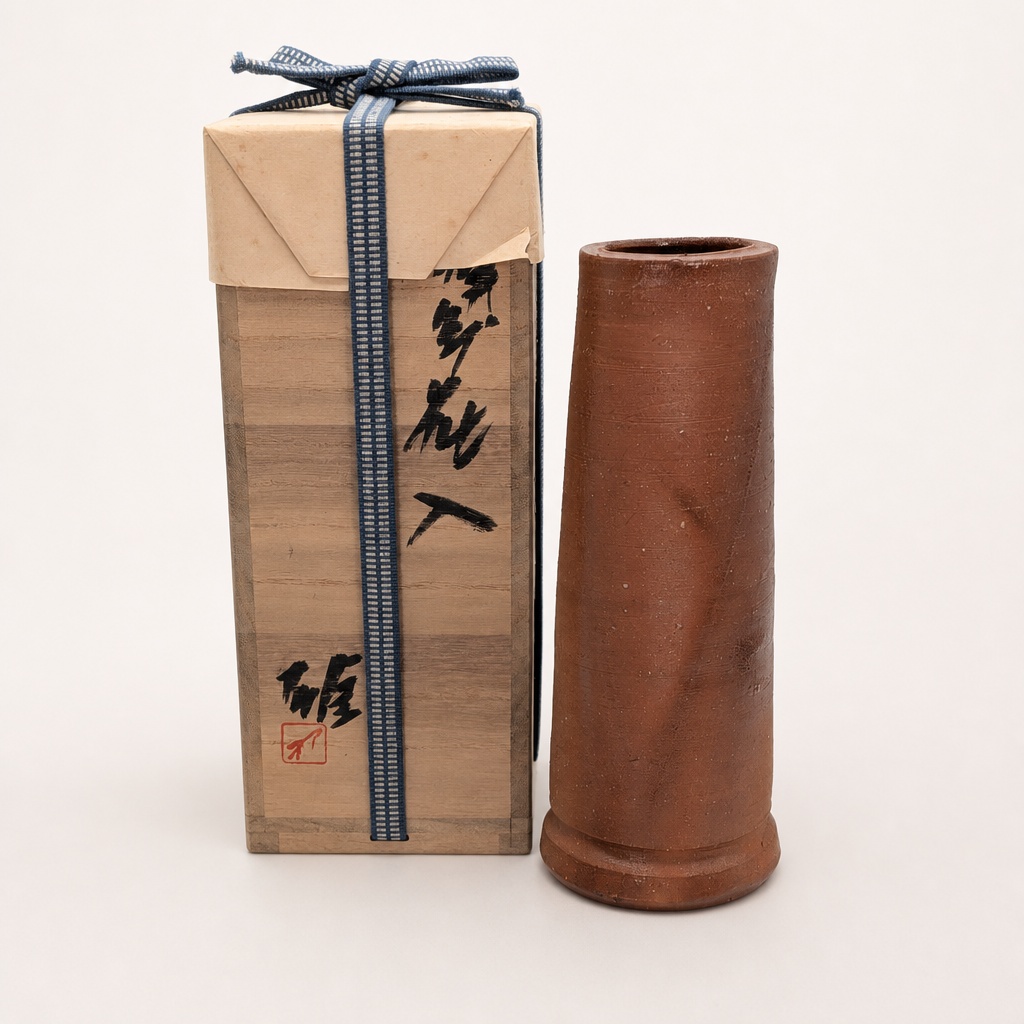
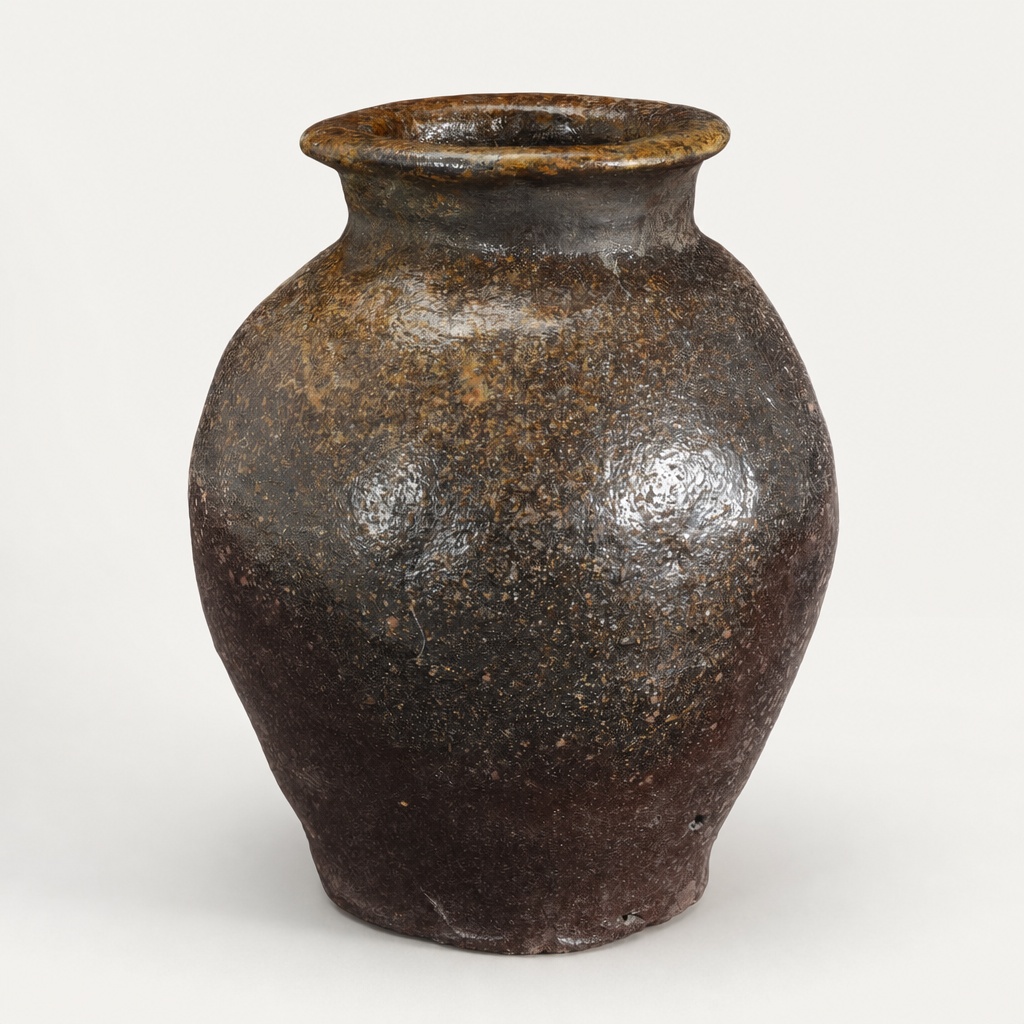
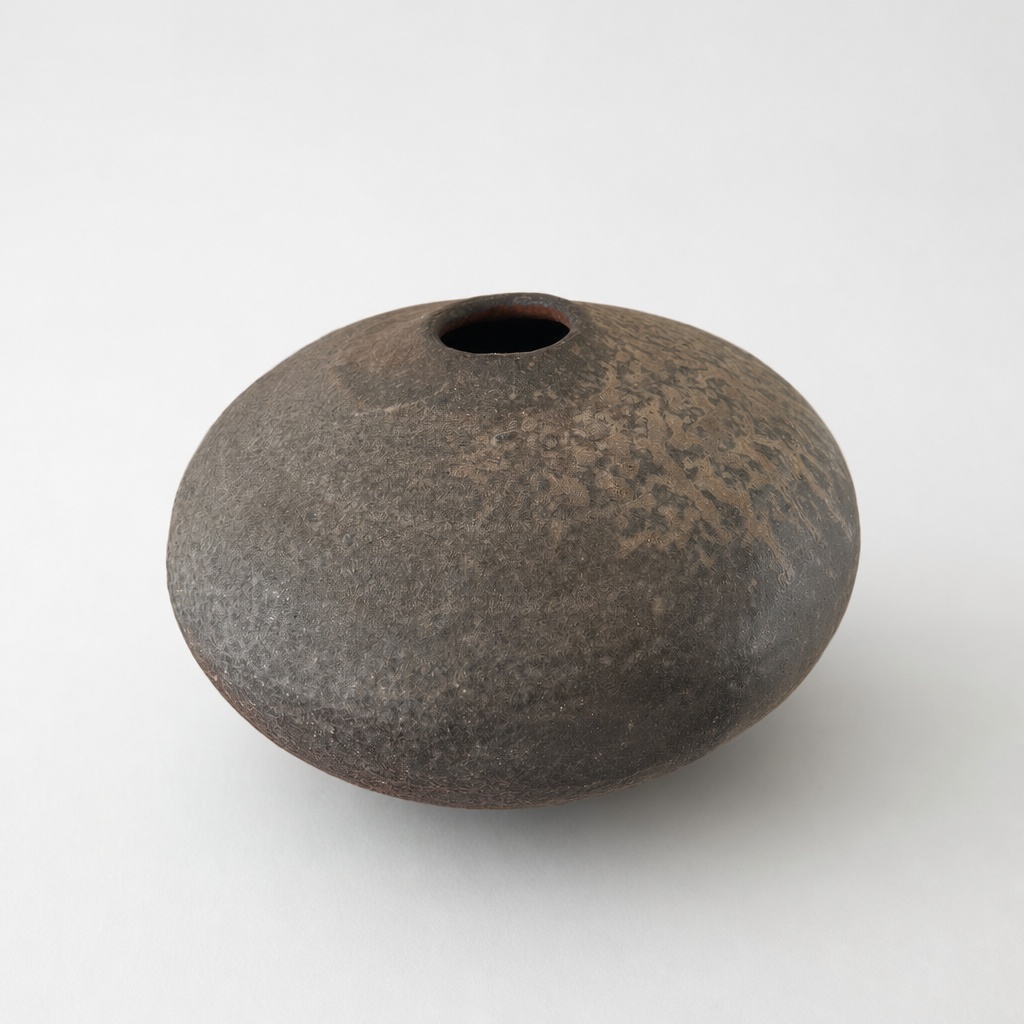
Unglazed, high-fired stoneware from Imbe in Bizen City, coloured only by clay, flame and wood ash during long kiln firings.
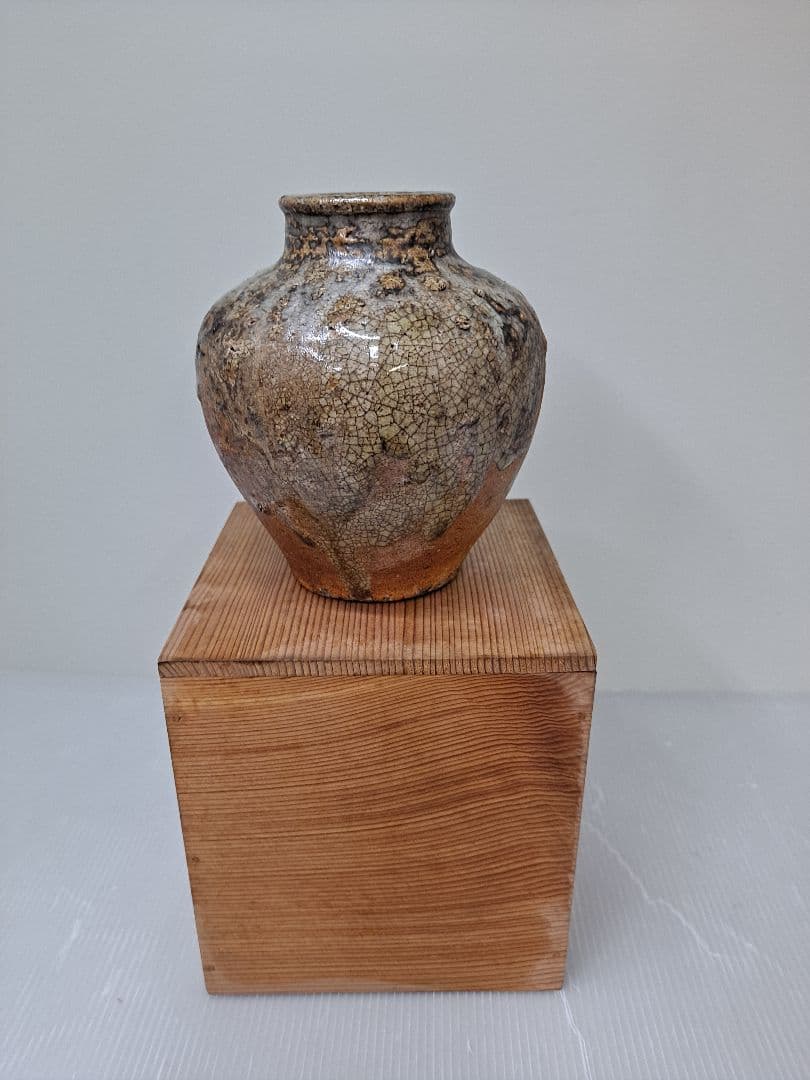
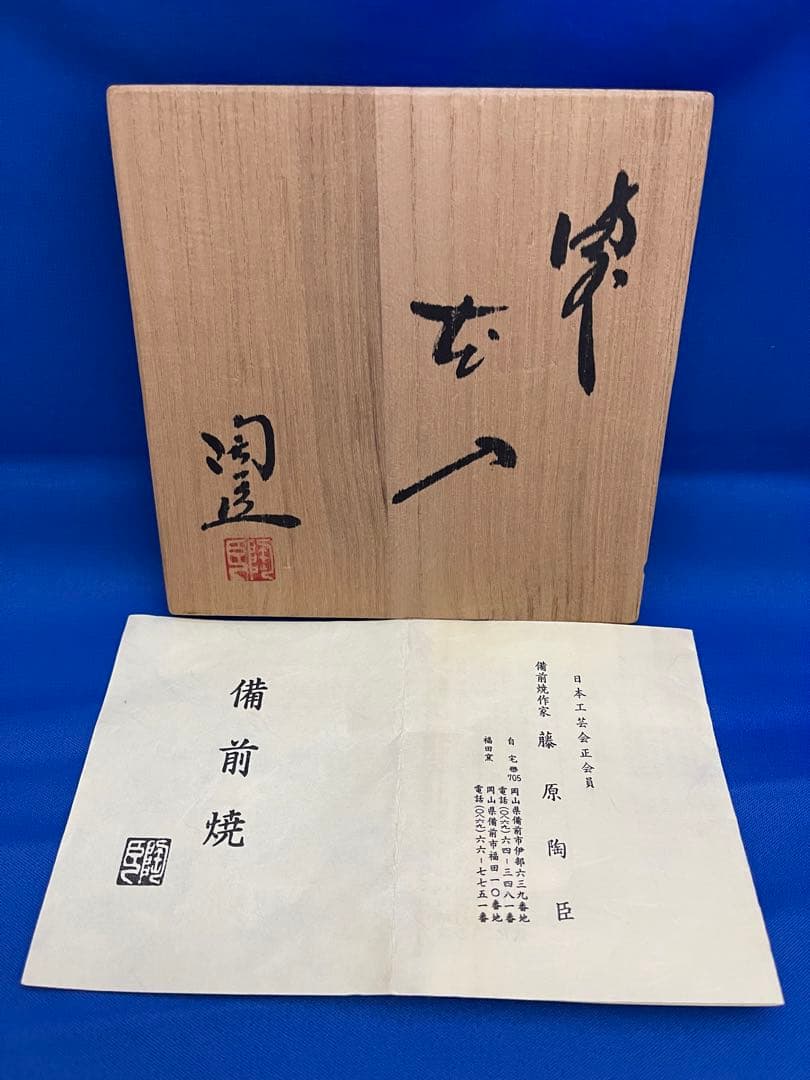
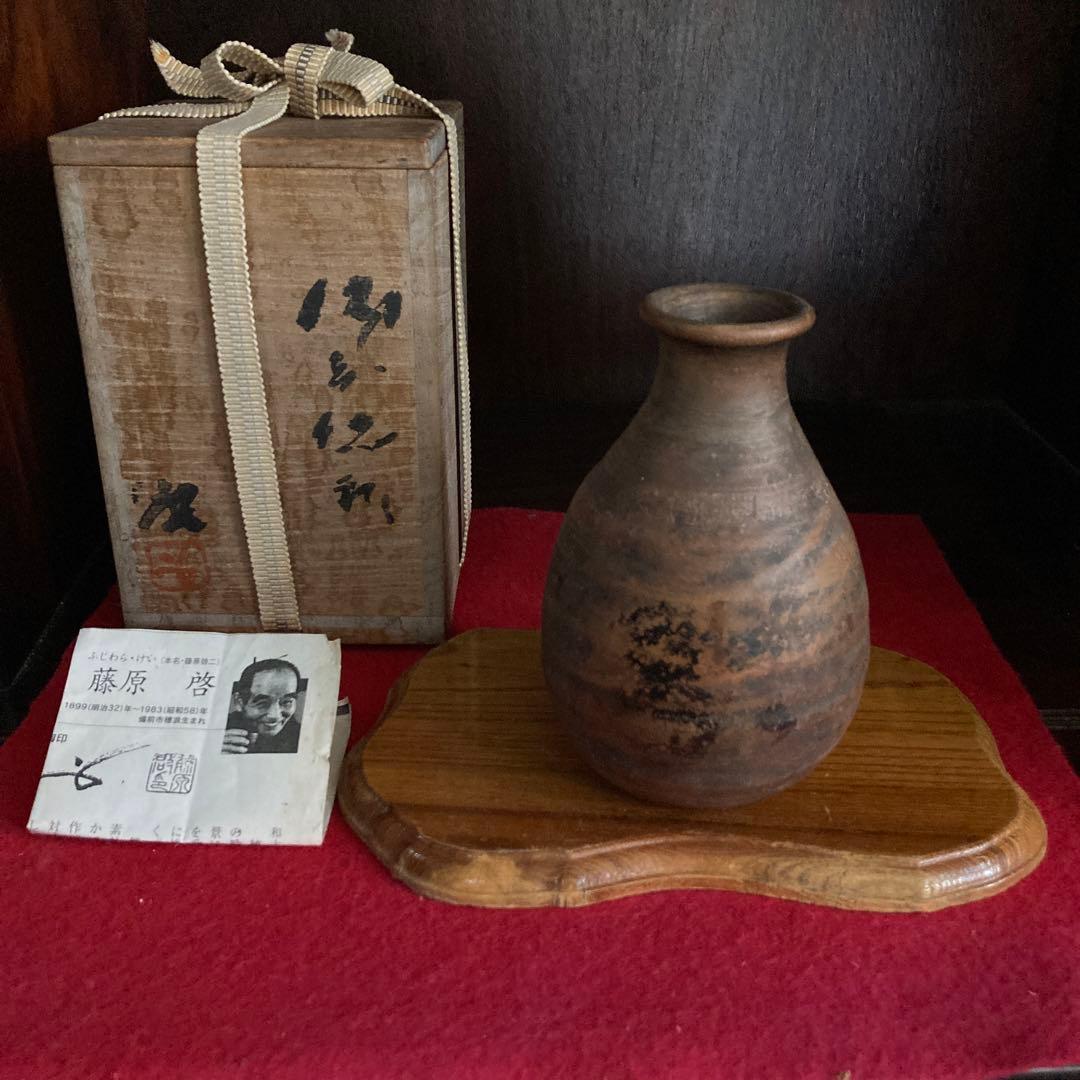
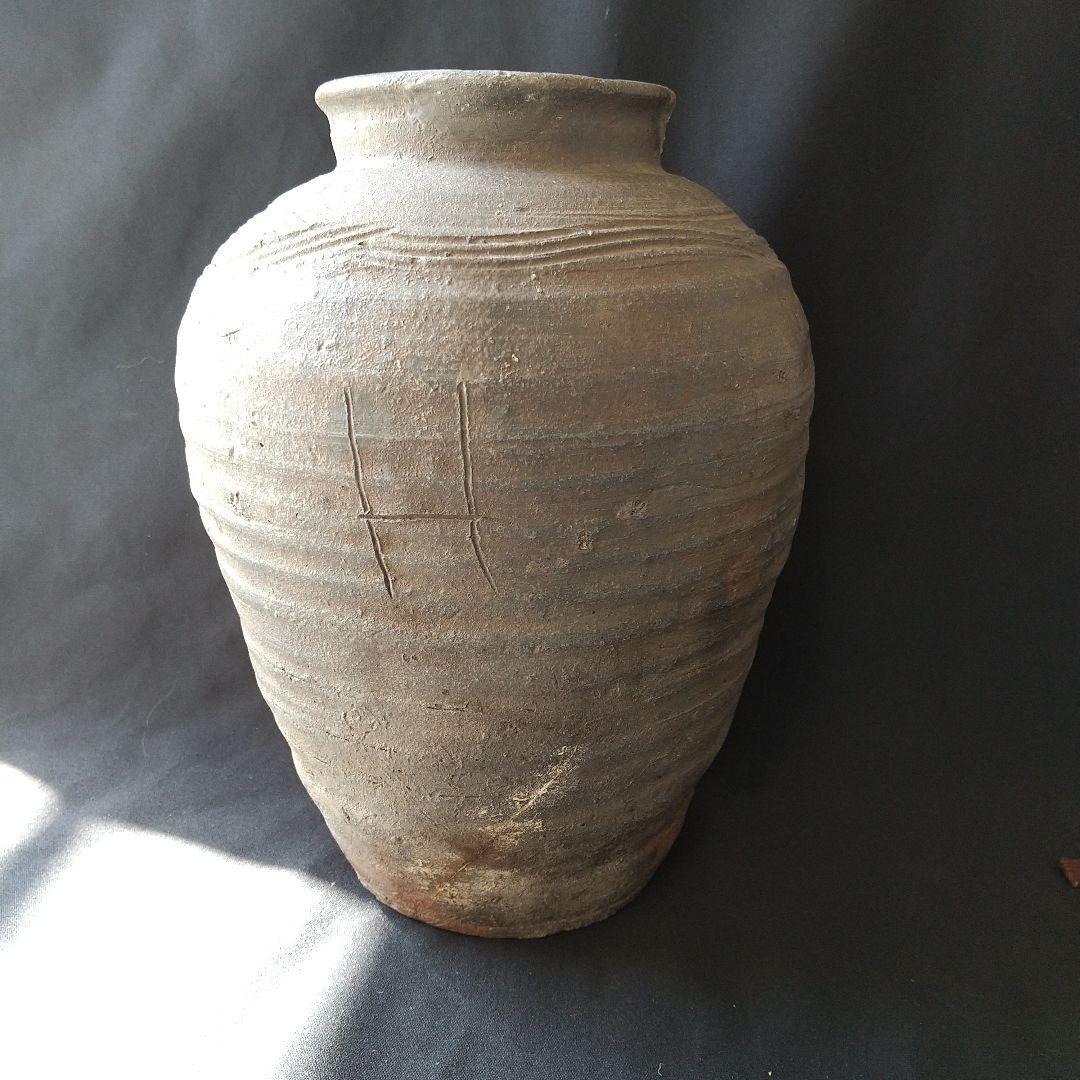
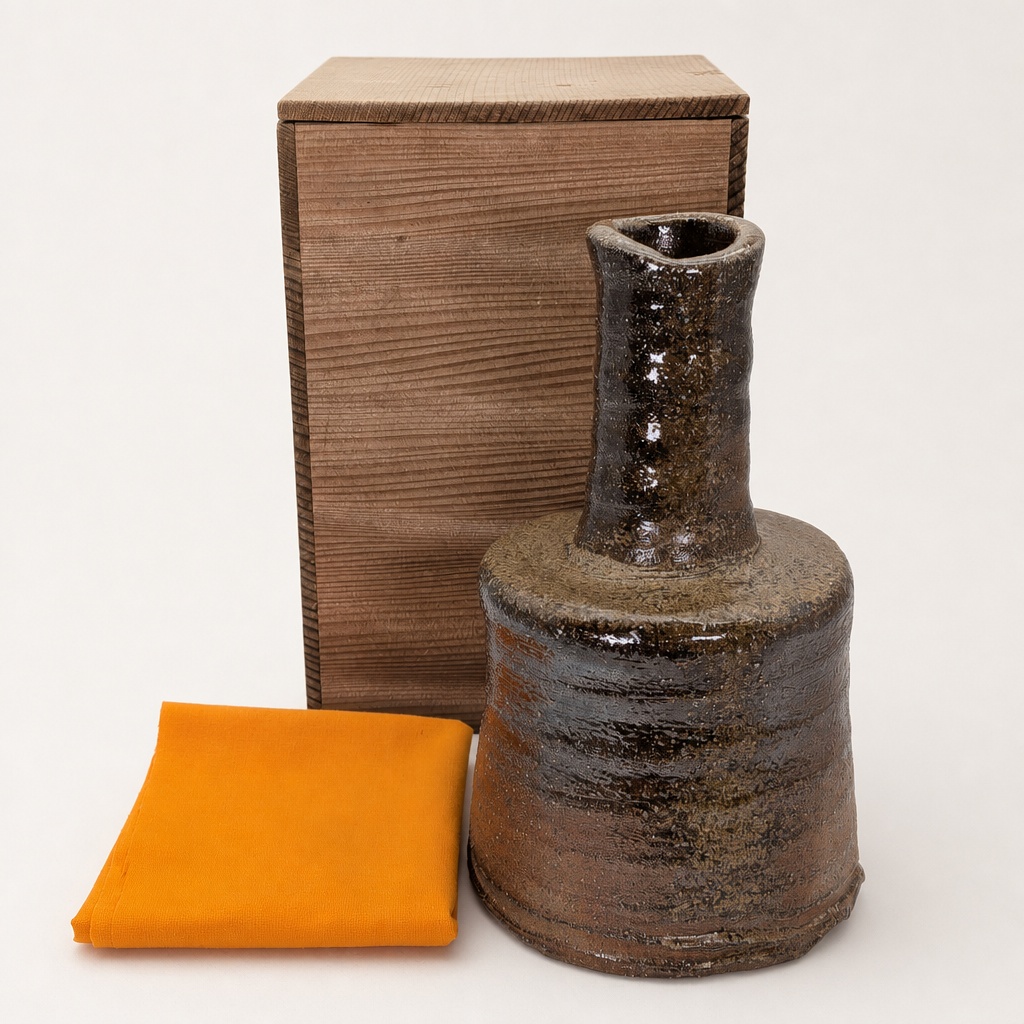
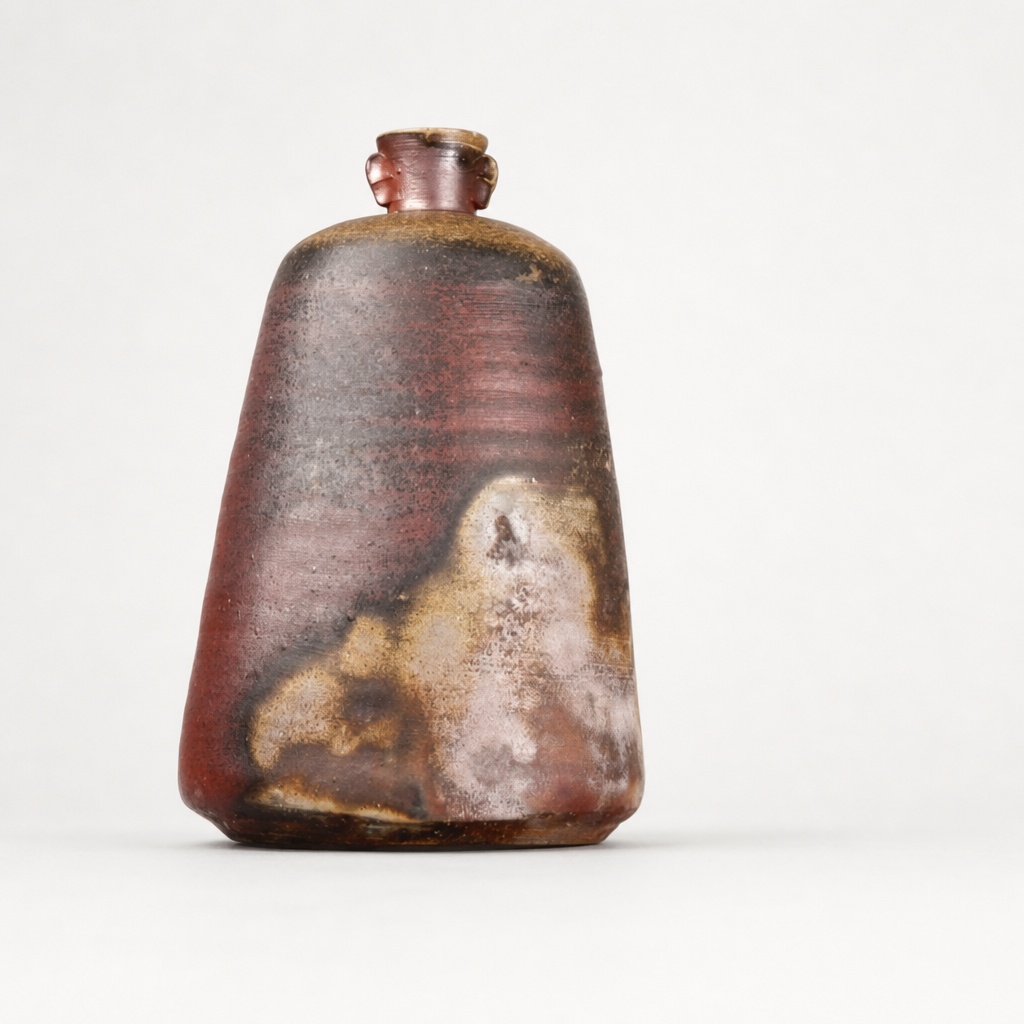
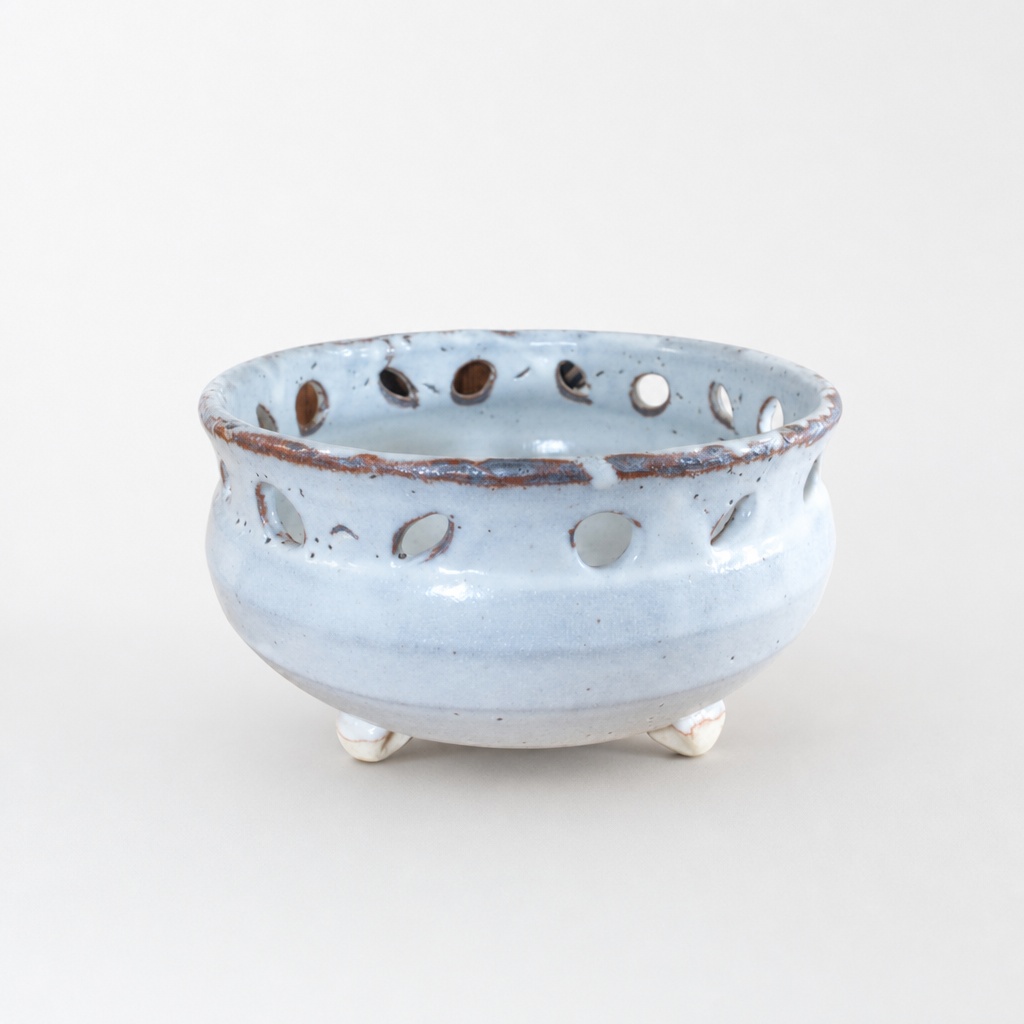
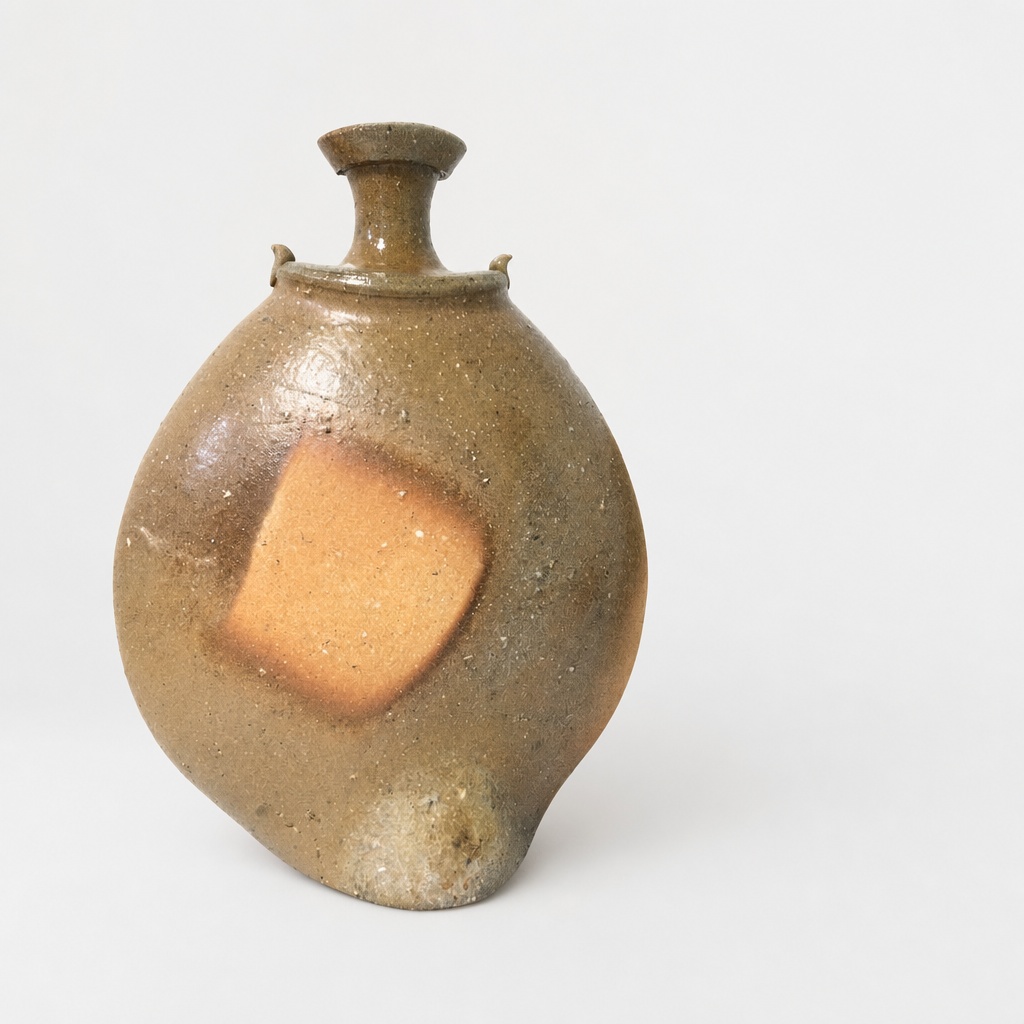
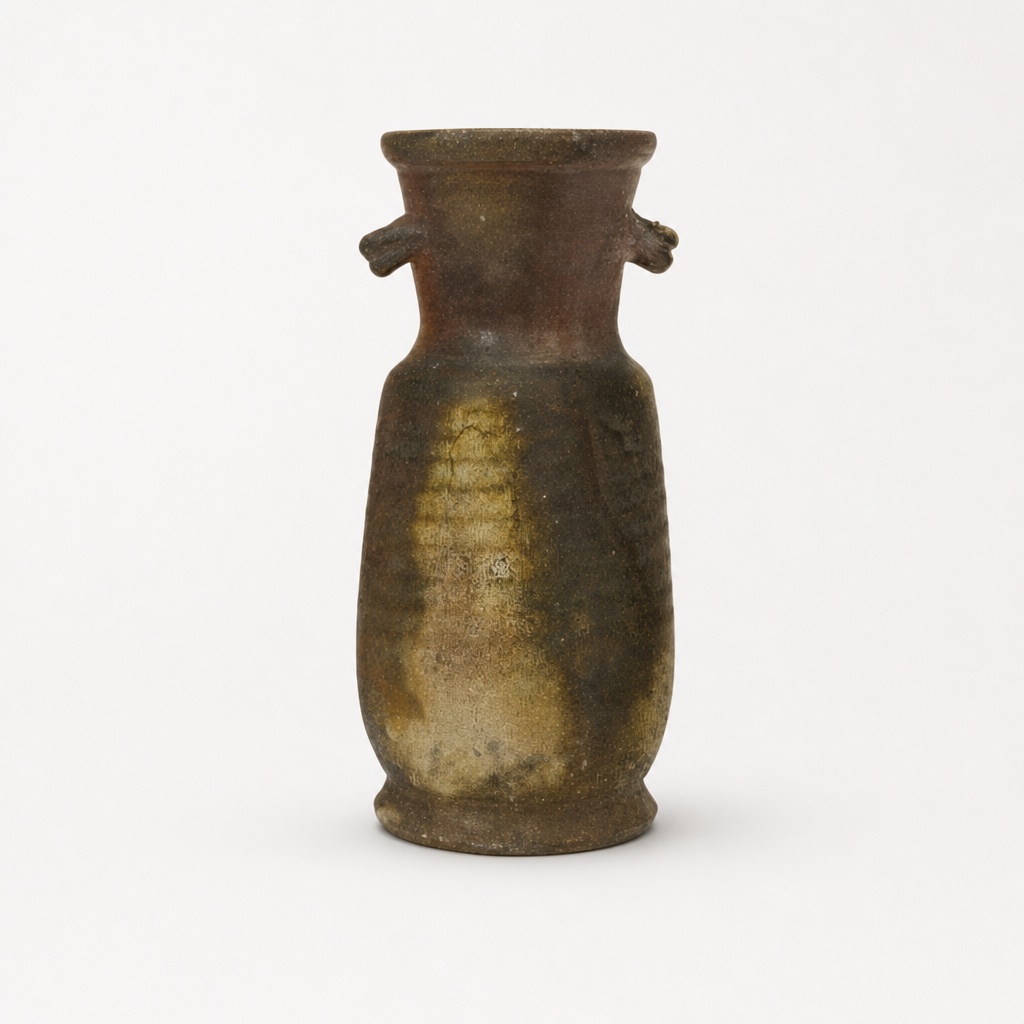
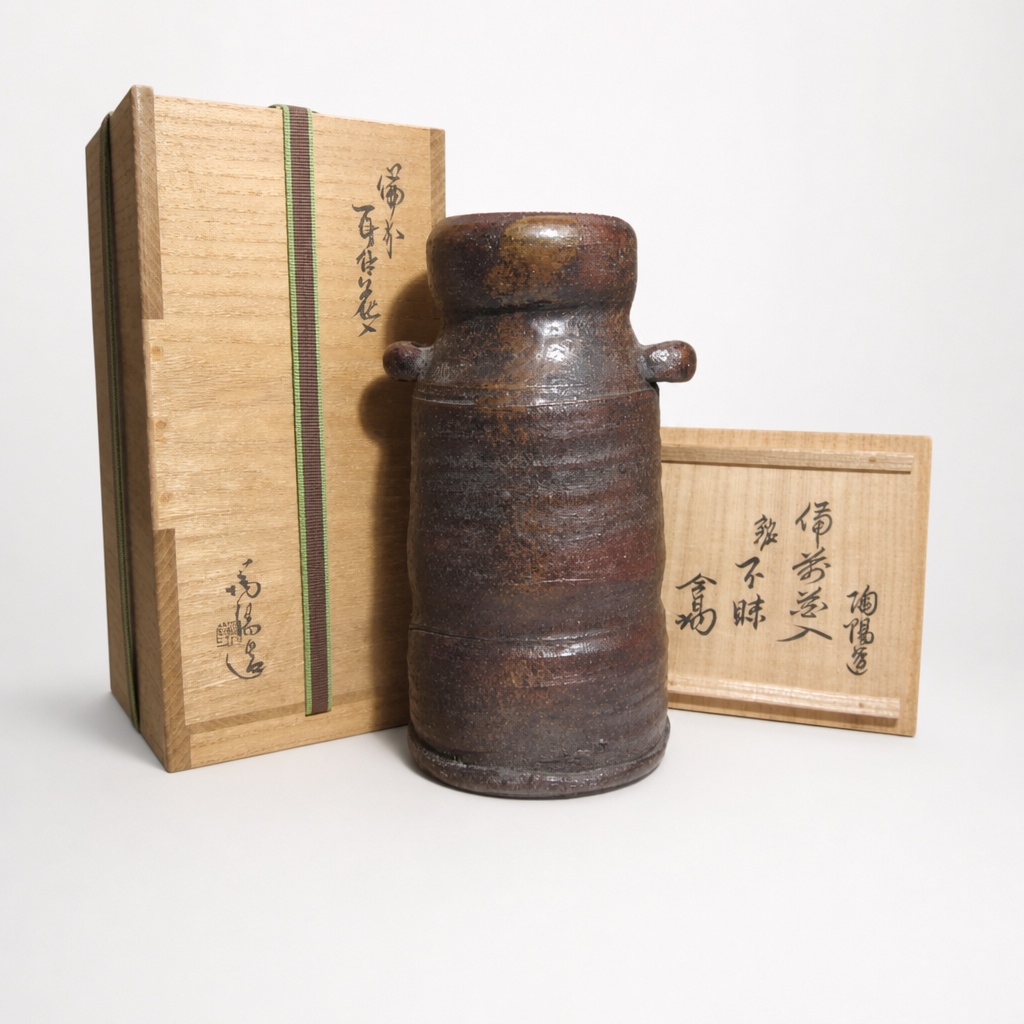
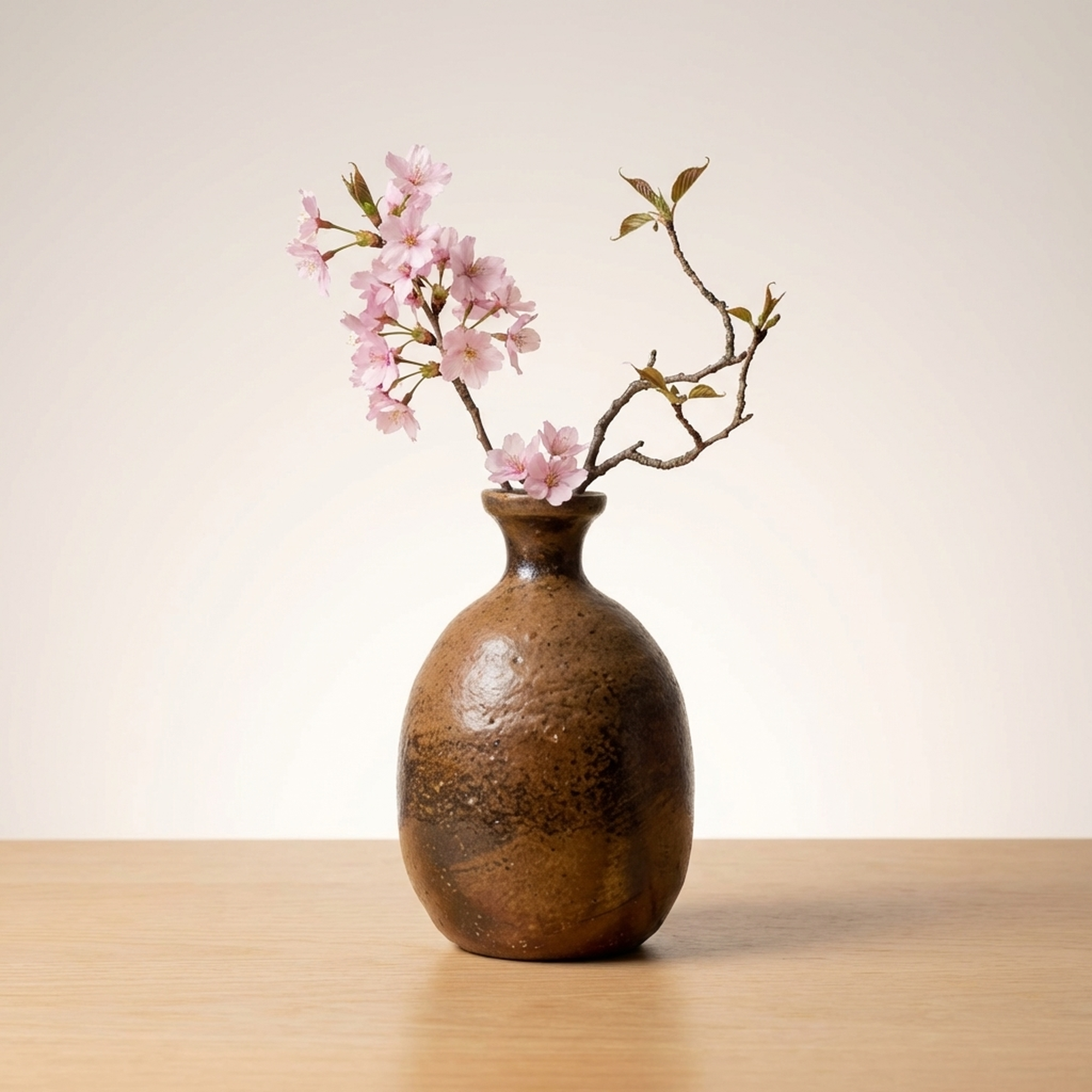
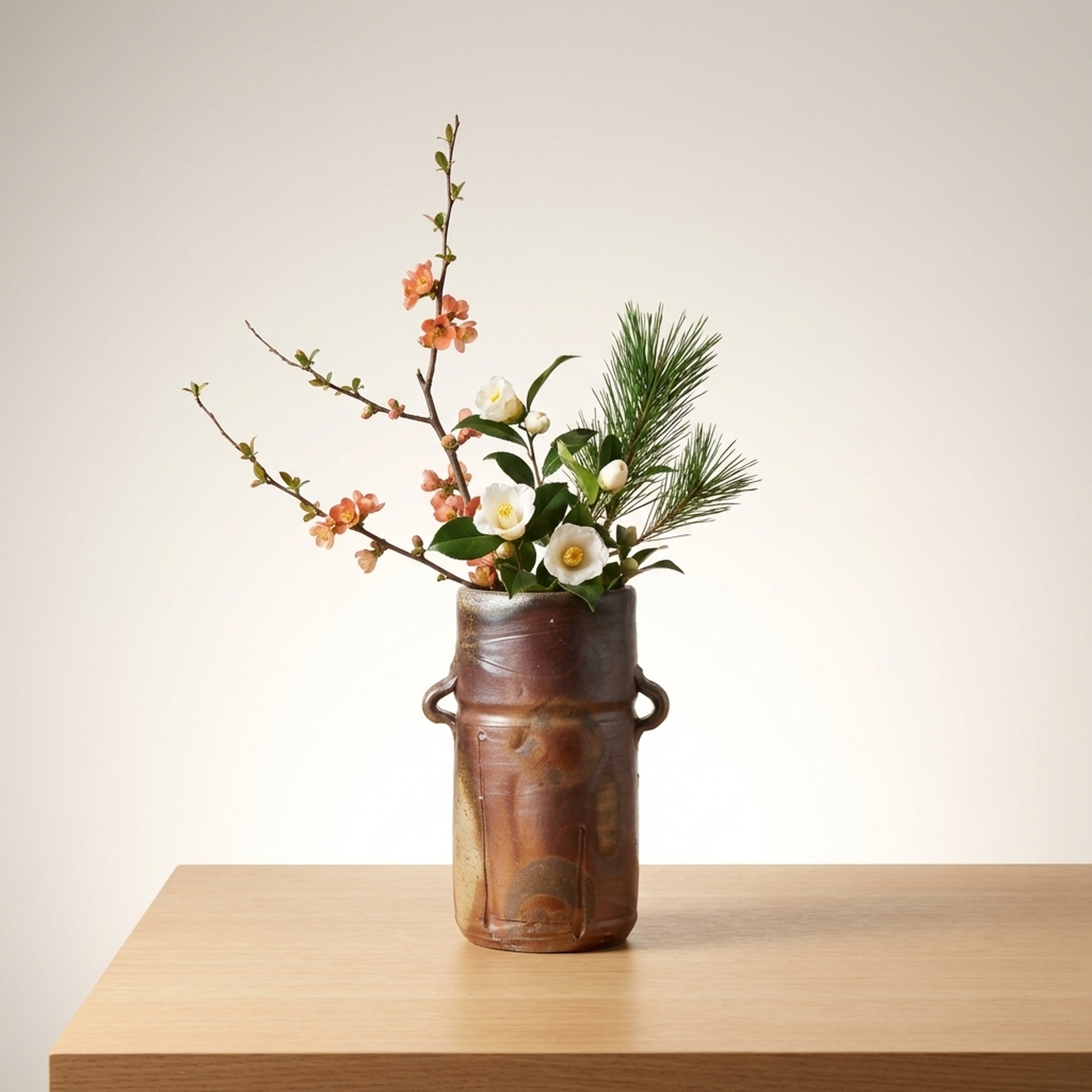
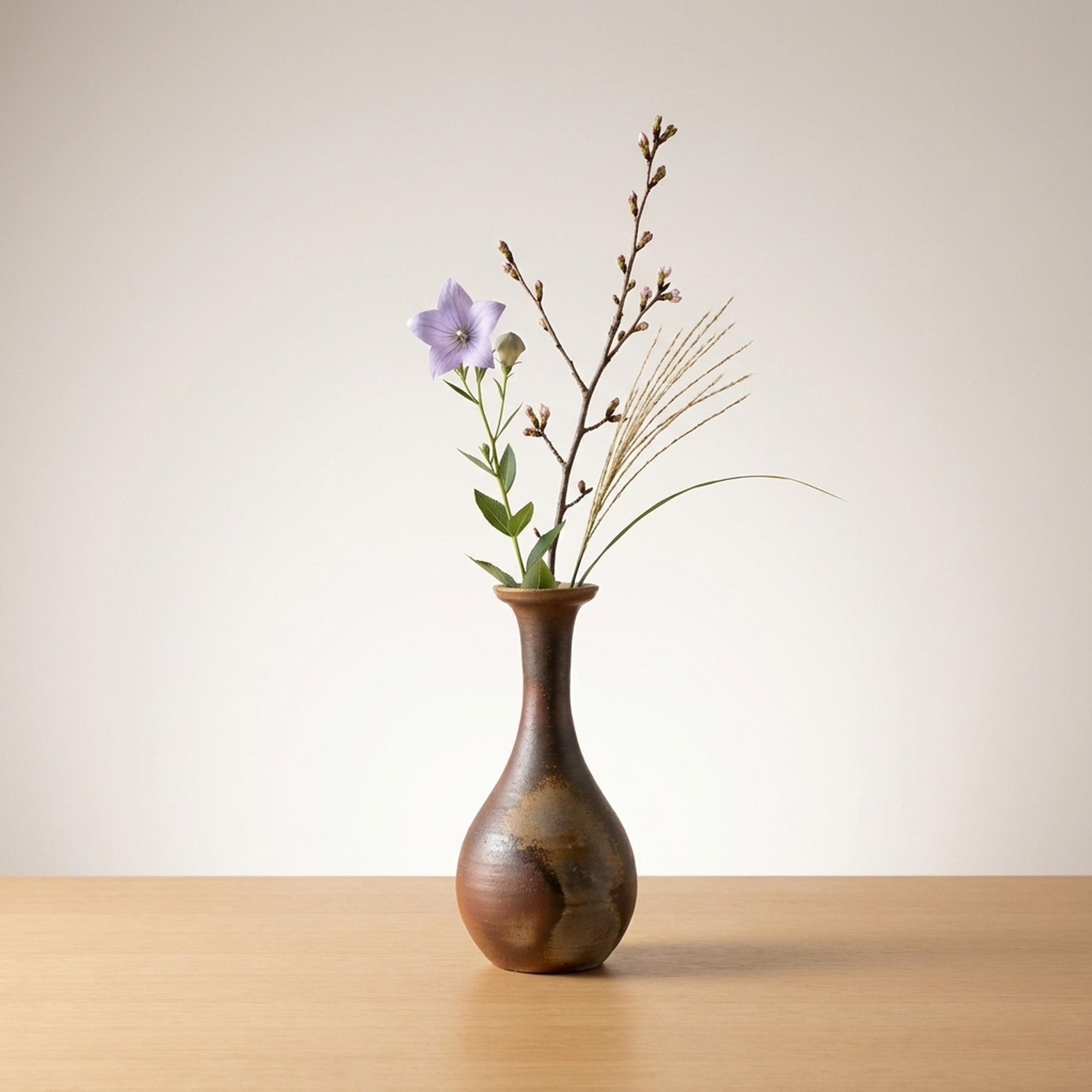
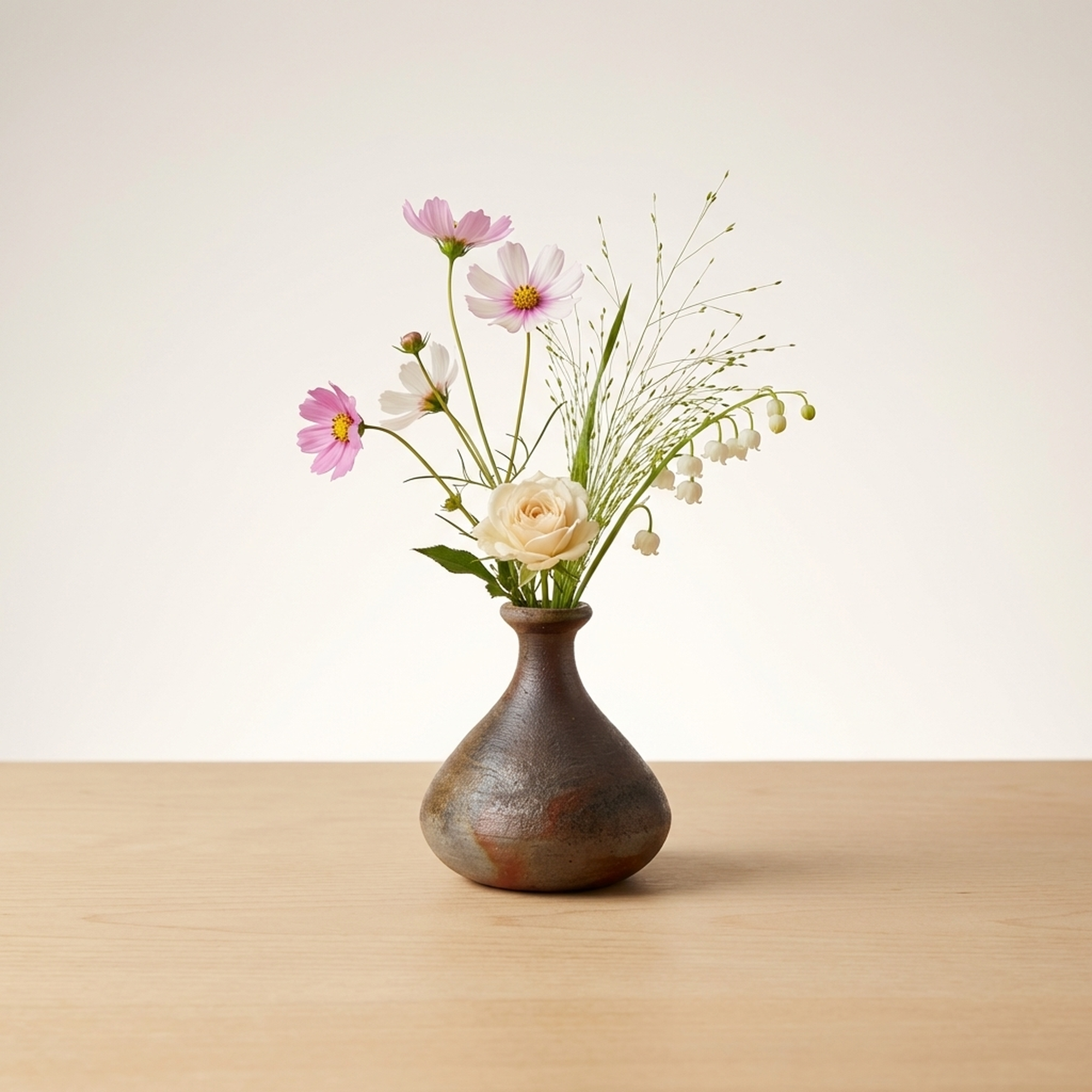
Bizen ware is made around Imbe in present-day Bizen City and grew out of the region's earlier Sue ware production. During the Kamakura and Muromachi periods its kilns made sturdy jars, mortars and storage vessels for everyday use throughout western Japan. From the Momoyama period, tea masters valued its plain, unglazed surfaces, and Bizen flower vases and water jars entered the tea ceremony repertoire. Under the Okayama domain, production was concentrated in large communal kilns. Demand declined in the later Edo and Meiji eras, but the twentieth century brought a revival led by Kaneshige Tōyō, who was recognised as a Living National Treasure in 1956. Bizen is one of the Six Ancient Kilns of Japan and today supports many studio potters working in wood-fired kilns.
Klei en stookproces
Iron-rich clay, traditionally including hiyose clay dug from beneath rice paddies, left unglazed and wood-fired for about one to two weeks; colour comes from flame, ash and kiln placement.
Hoe Bizen ware te herkennen
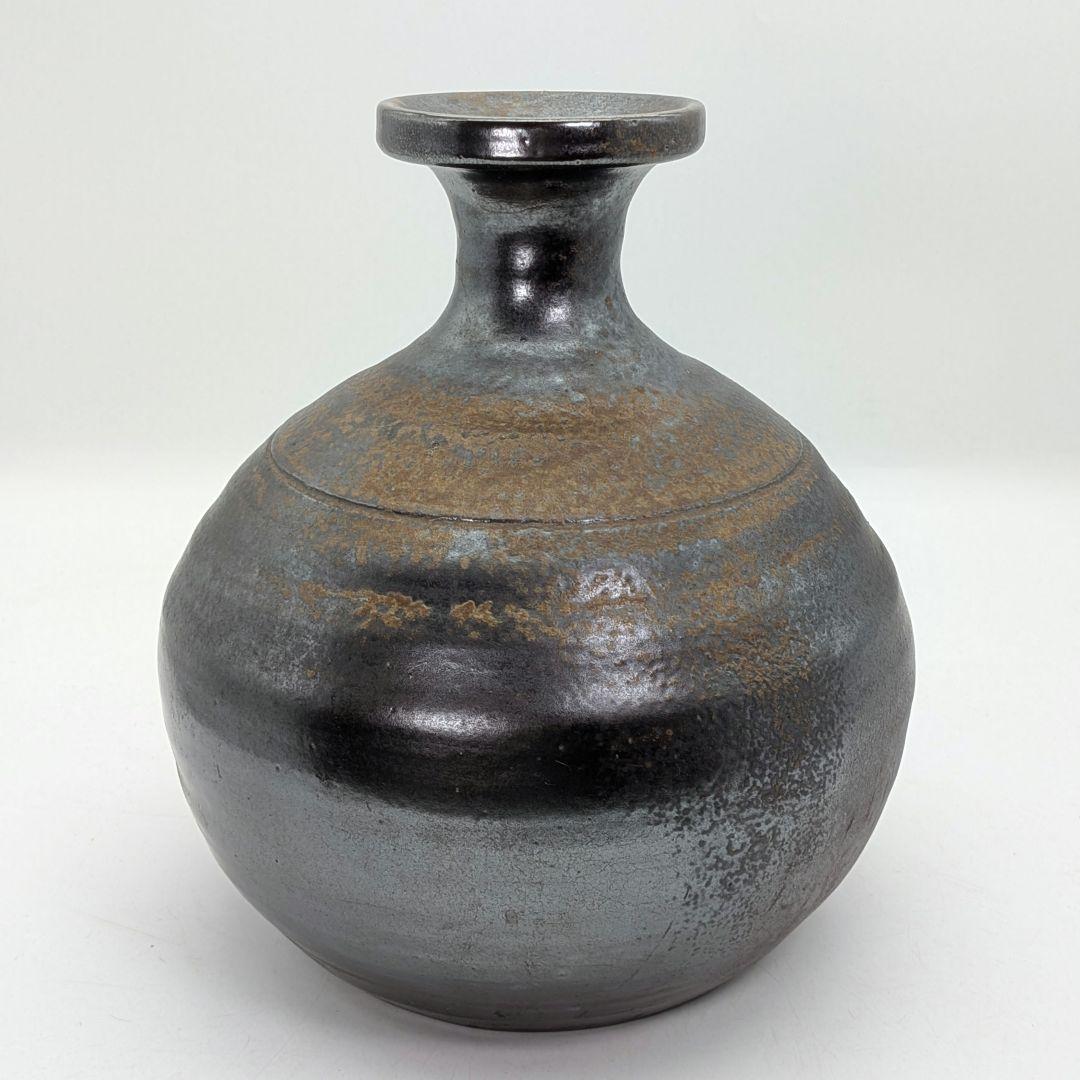
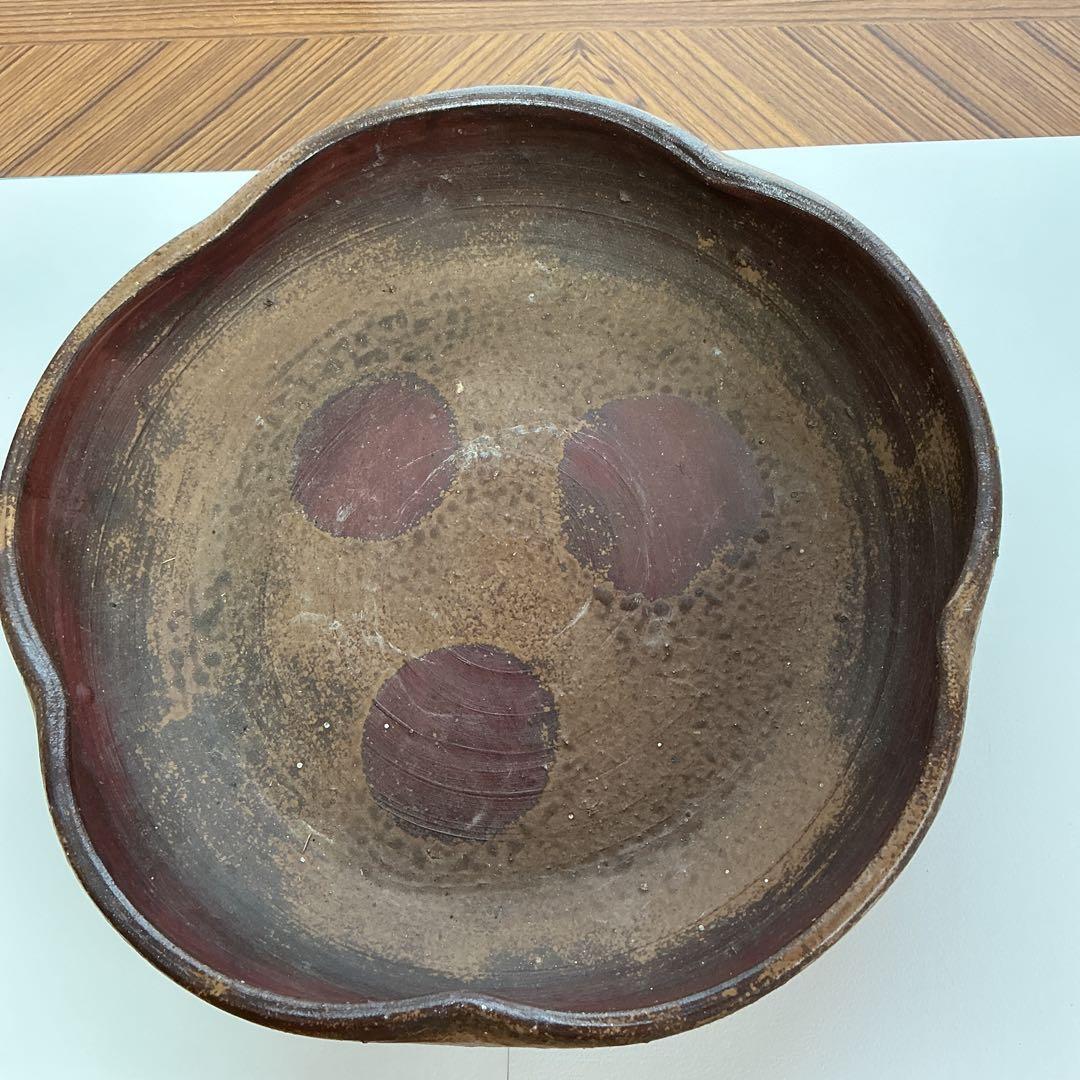
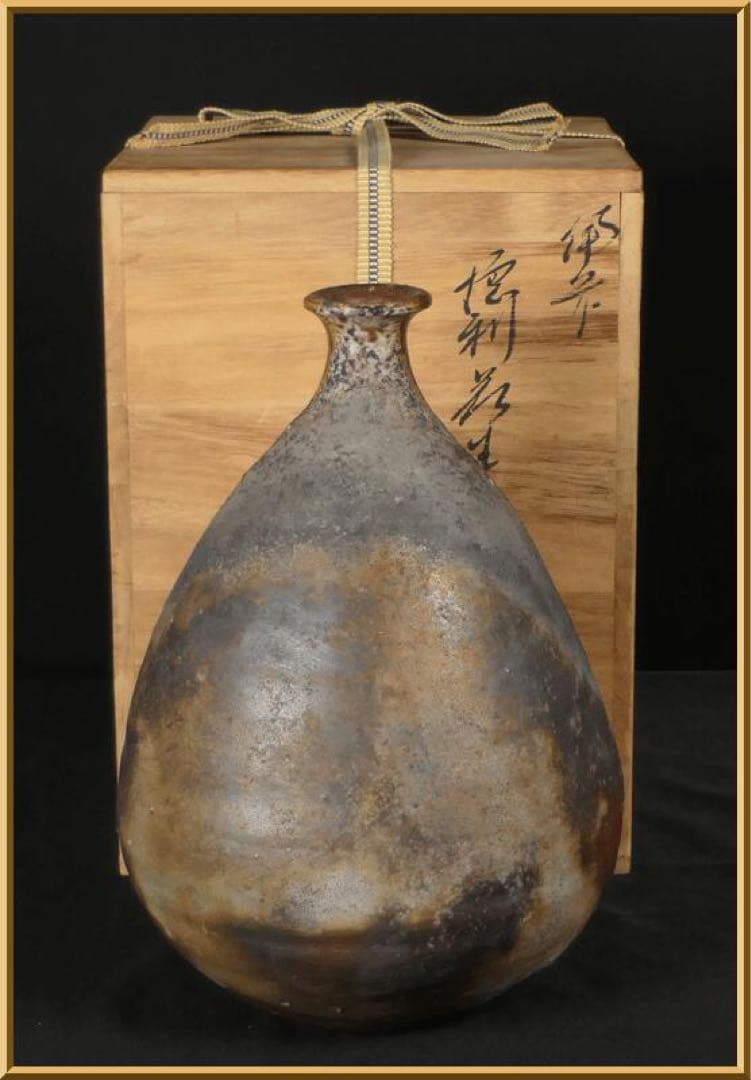
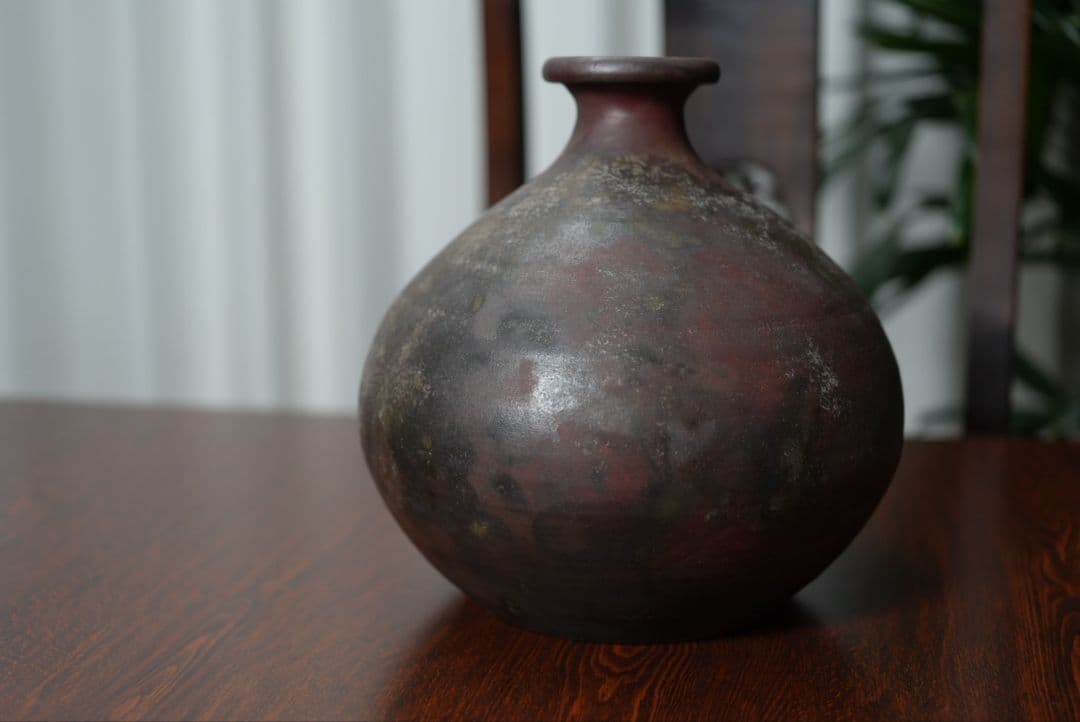
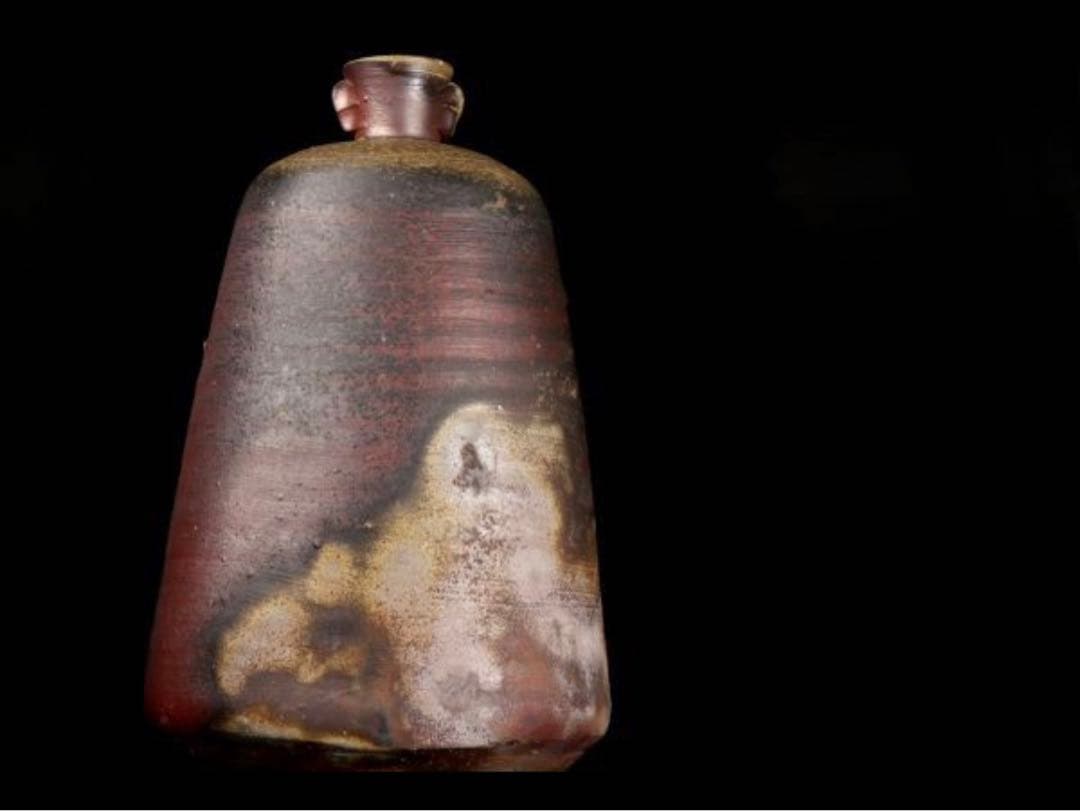
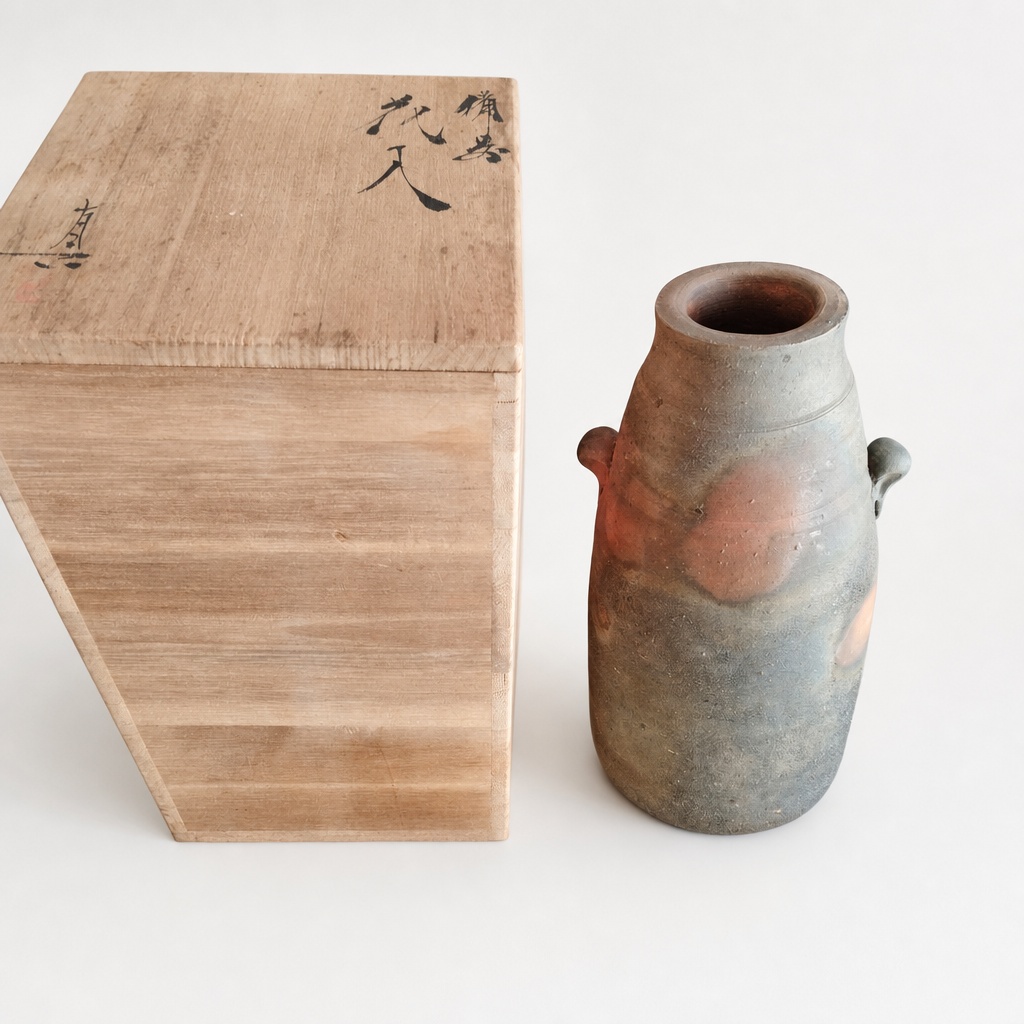
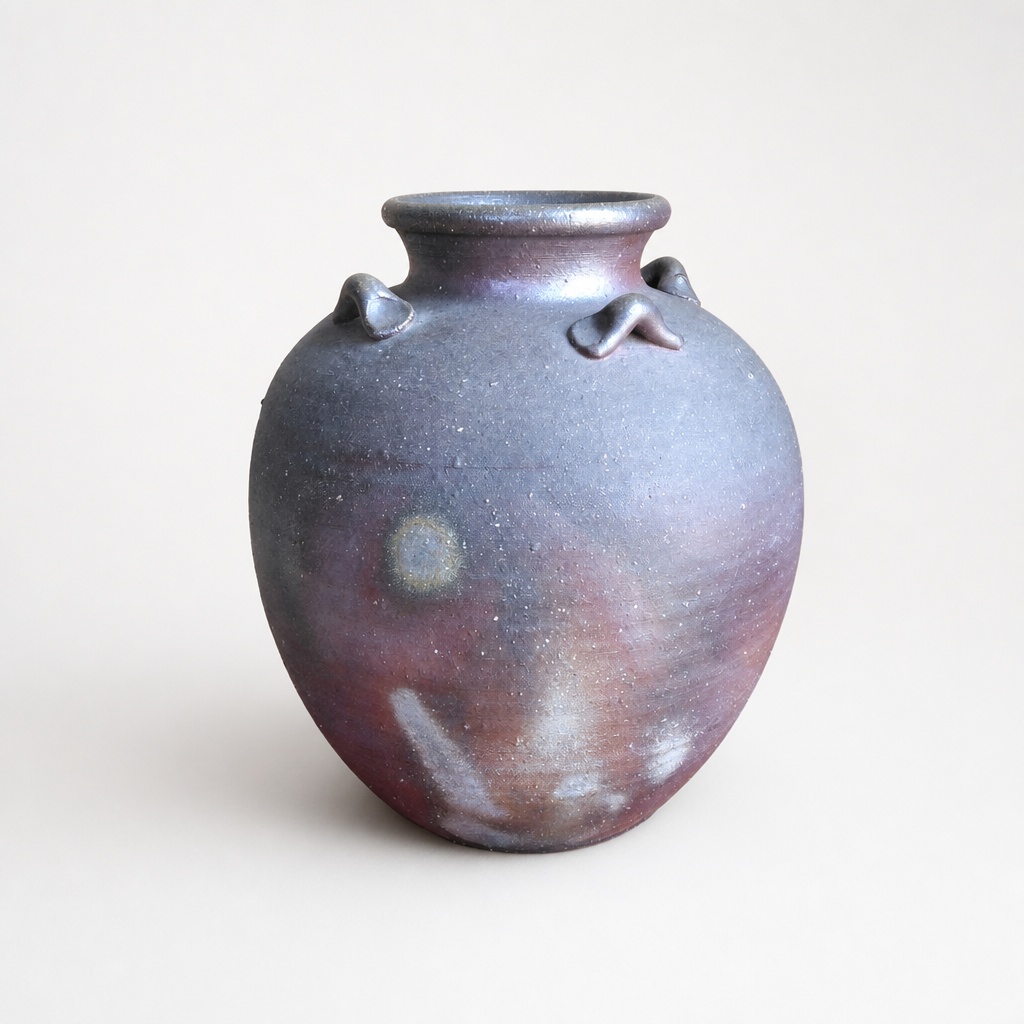
Unglazed reddish-brown to dark brown body with no applied glaze; goma ('sesame') speckles of melted wood ash, usually on the shoulder; hidasuki red straw-fire streaks or botamochi round pale patches where other pieces rested during firing.
- Six Ancient Kilns of Japan (Japan Heritage, 2017)
- Traditional Craft designated by METI (1982)