益子焼
Mashiko ware
Tochigi · Late Edo period (1853)
Thick, sturdy stoneware from Tochigi, closely linked to Hamada Shōji and the Japanese folk-craft (mingei) movement.
Mashiko ware began in the late Edo period, when Ōtsuka Keizaburō, who had learned pottery at nearby Kasama, opened a kiln in Mashiko in 1853. For decades Mashiko potters made everyday kitchen wares such as jars, mortars and earthenware pots for the Tokyo market. In 1924 the potter Hamada Shōji settled in Mashiko after working with Bernard Leach in England, and he made the town a centre of the mingei (folk-craft) movement led by Yanagi Sōetsu. Hamada was recognised as a Living National Treasure in 1955. His presence attracted many potters to Mashiko, including those from overseas. Today the town has a large number of kilns and workshops, and its spring and autumn pottery fairs draw many visitors.
Klei en stookproces
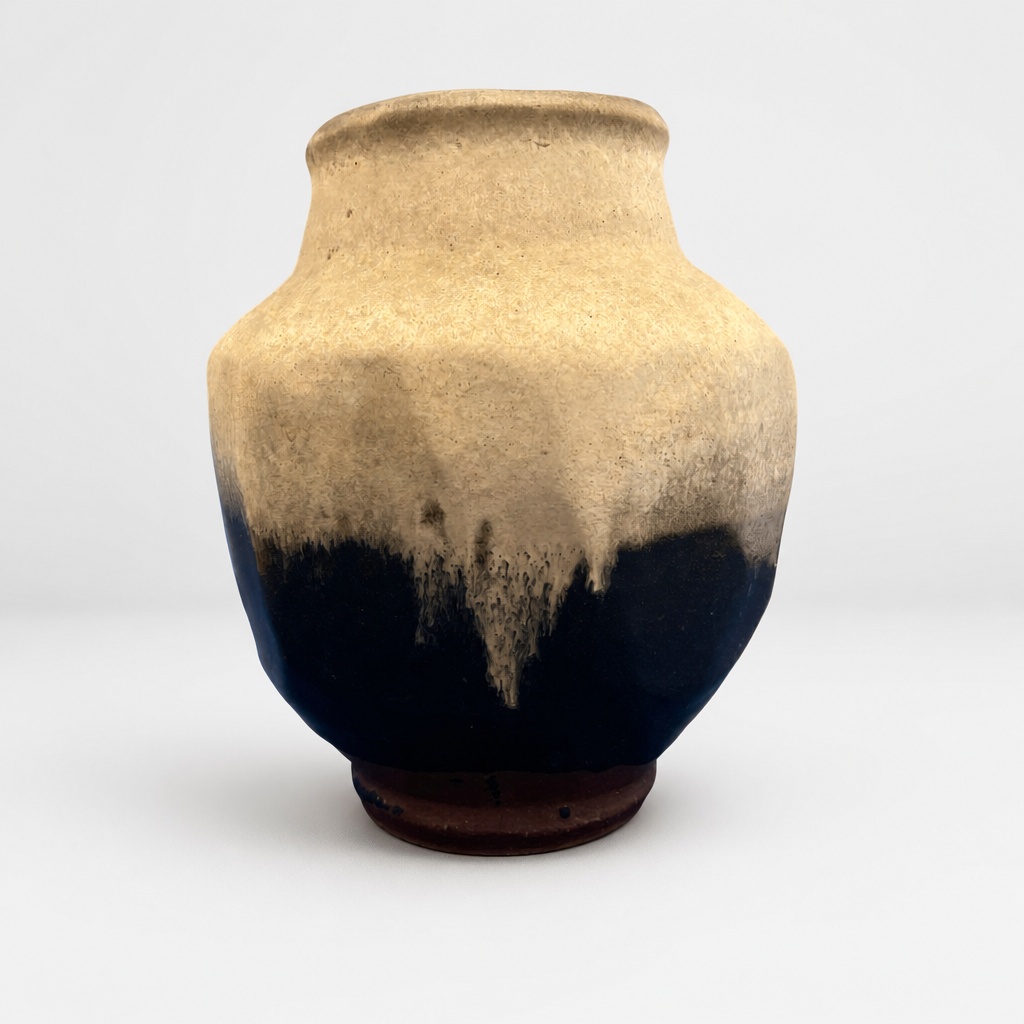
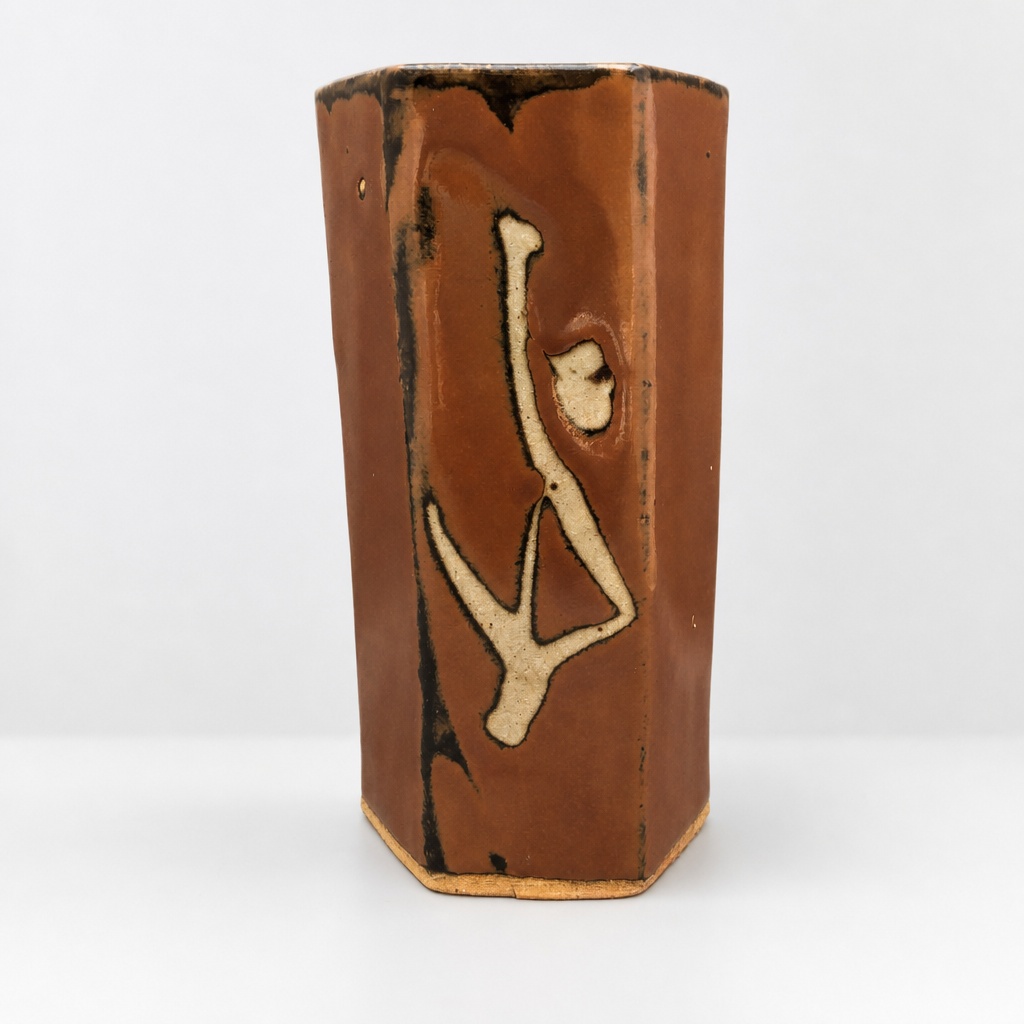
Coarse, sandy local clay that is thick-walled and slightly porous; traditional glazes include kaki (persimmon-red iron glaze), kuro (black), ame (amber) and nuka (rice-husk ash white).
Hoe Mashiko ware te herkennen
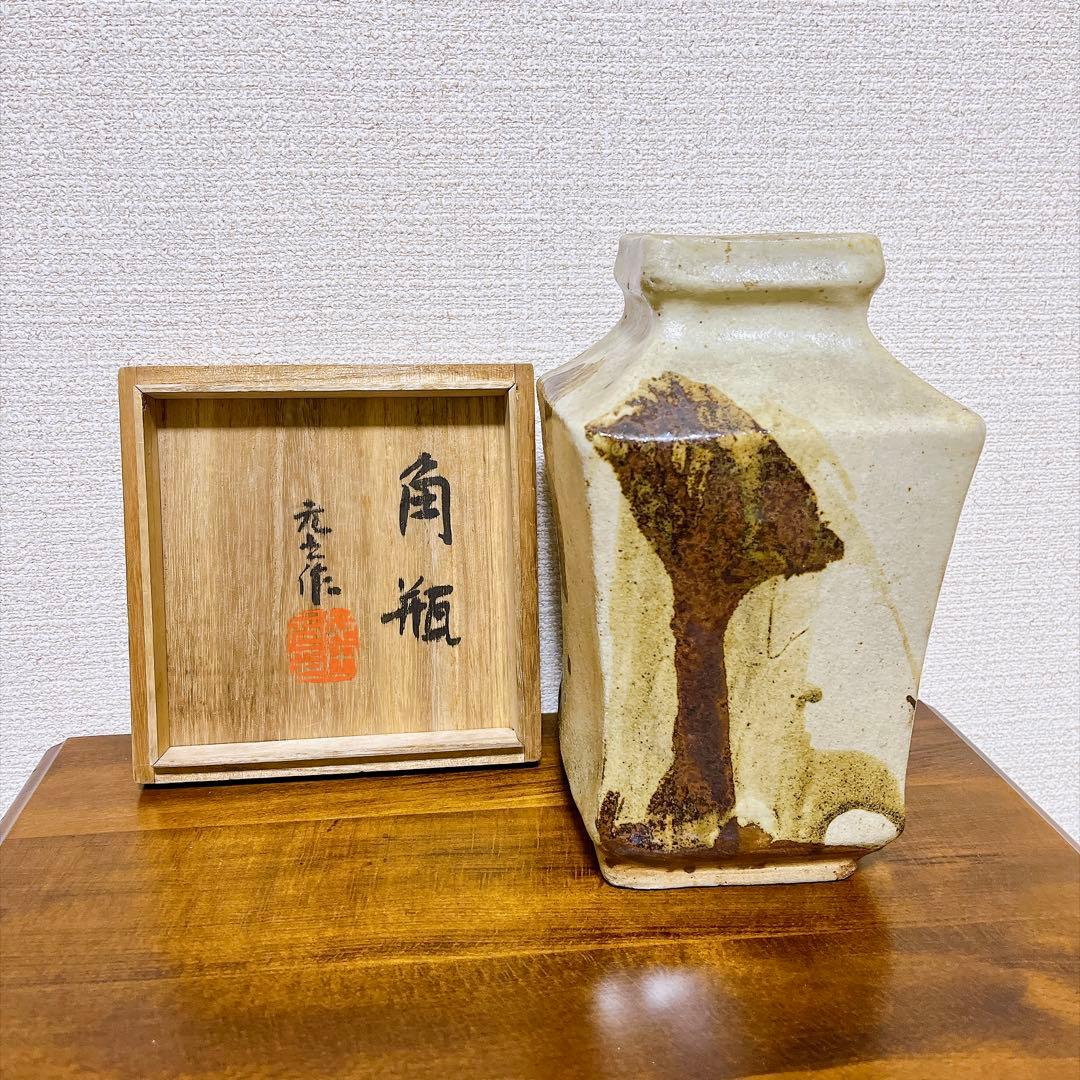
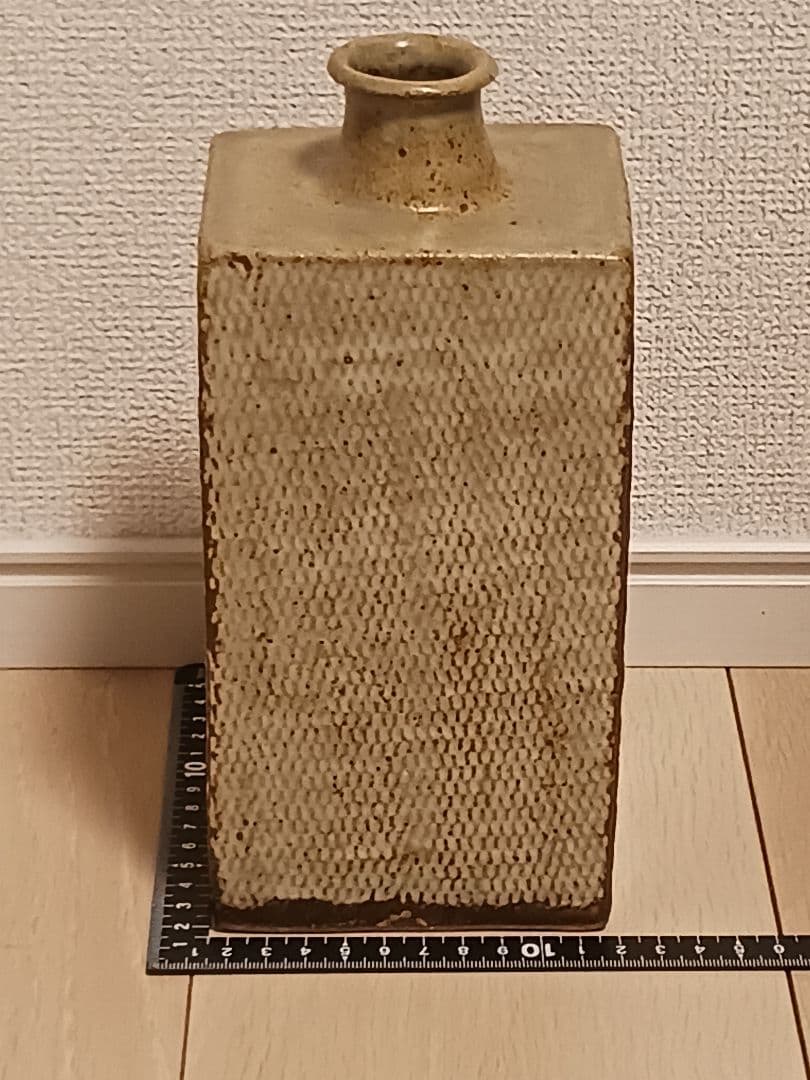
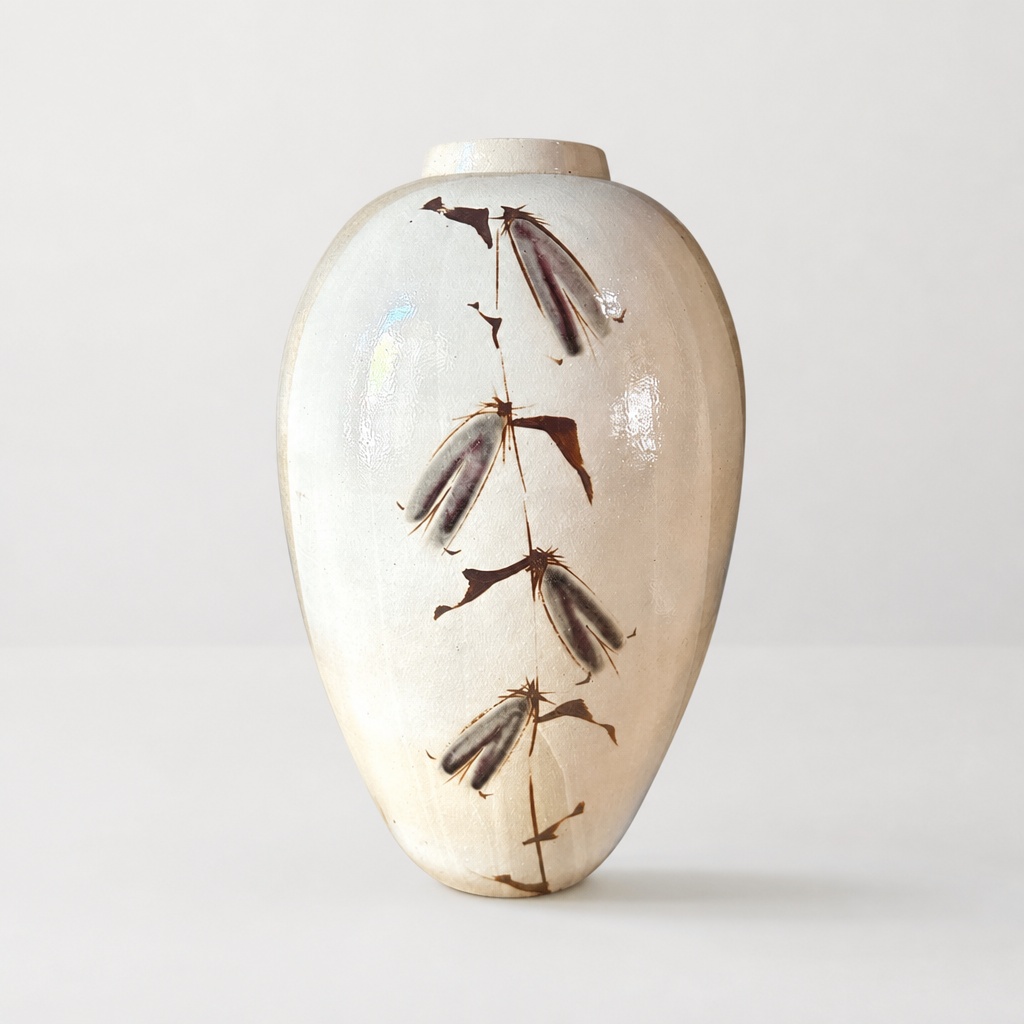
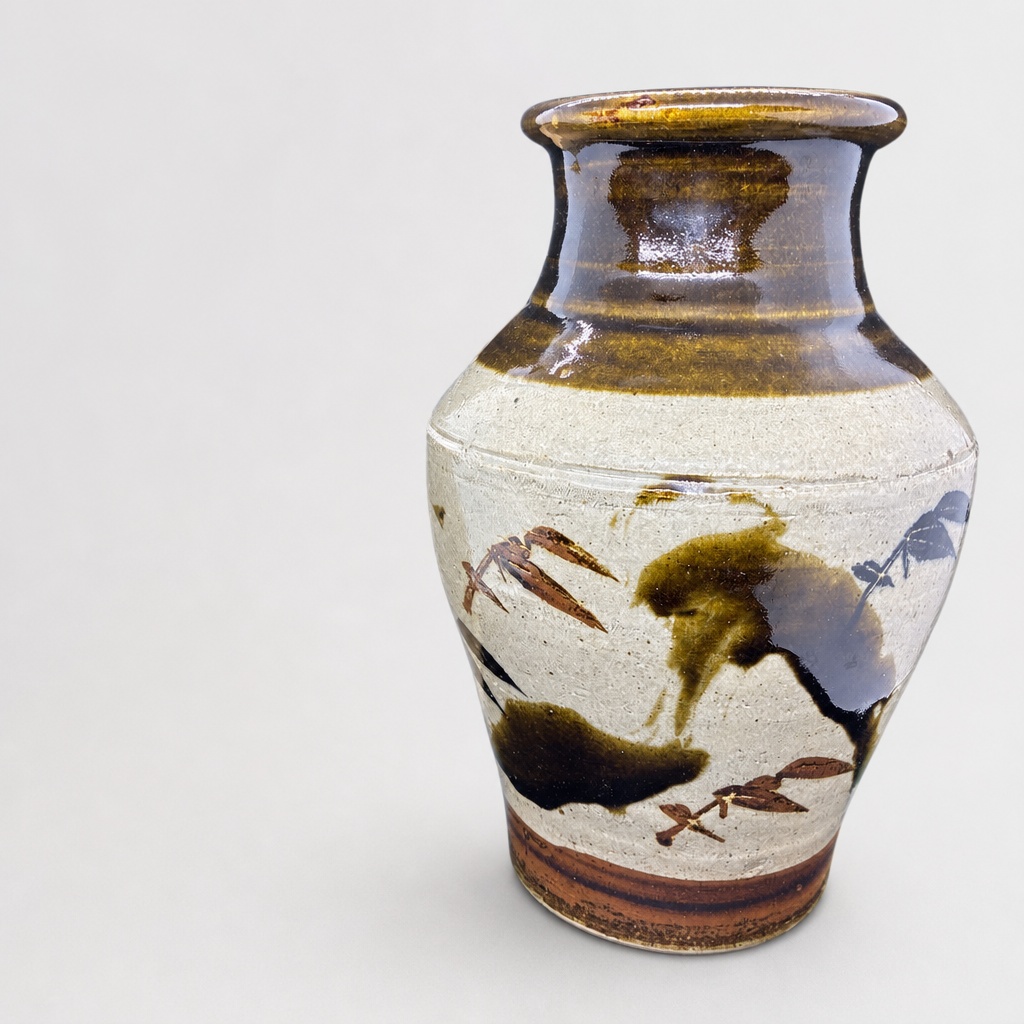
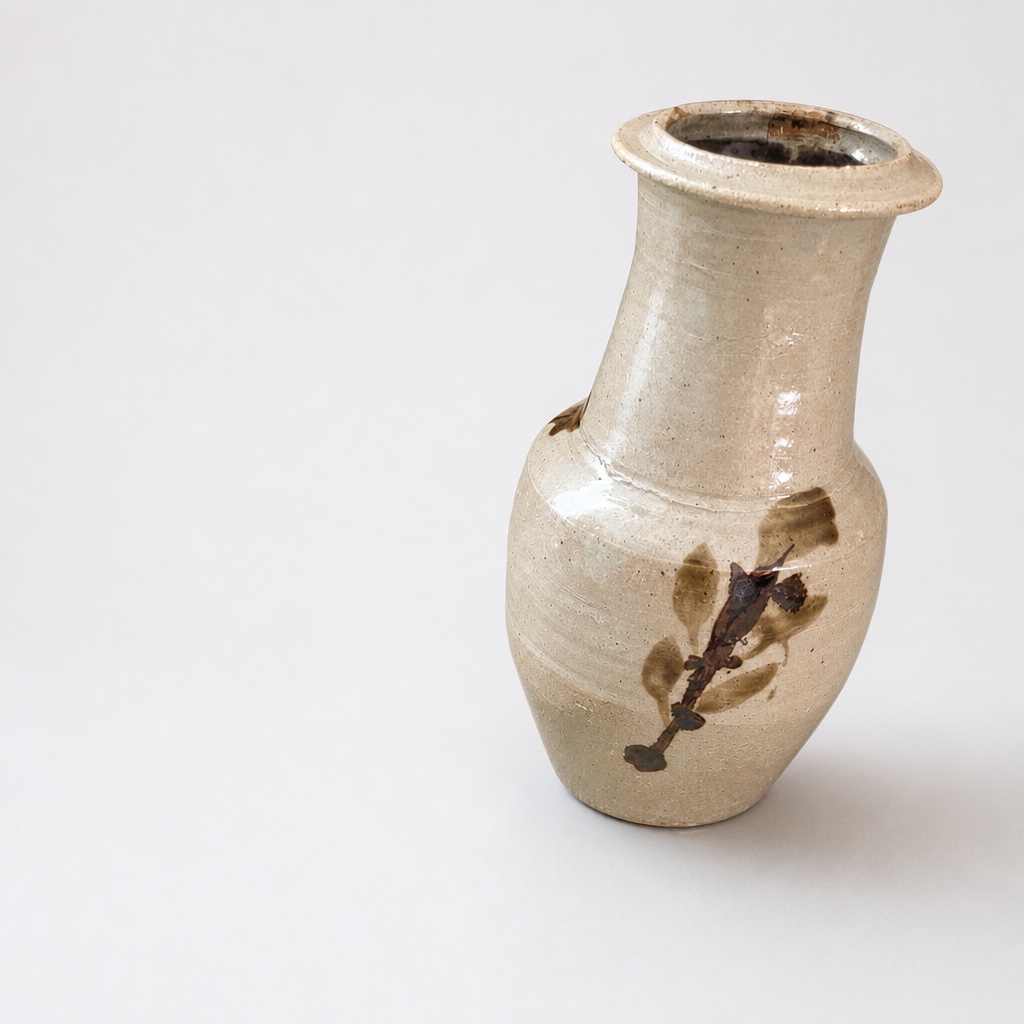
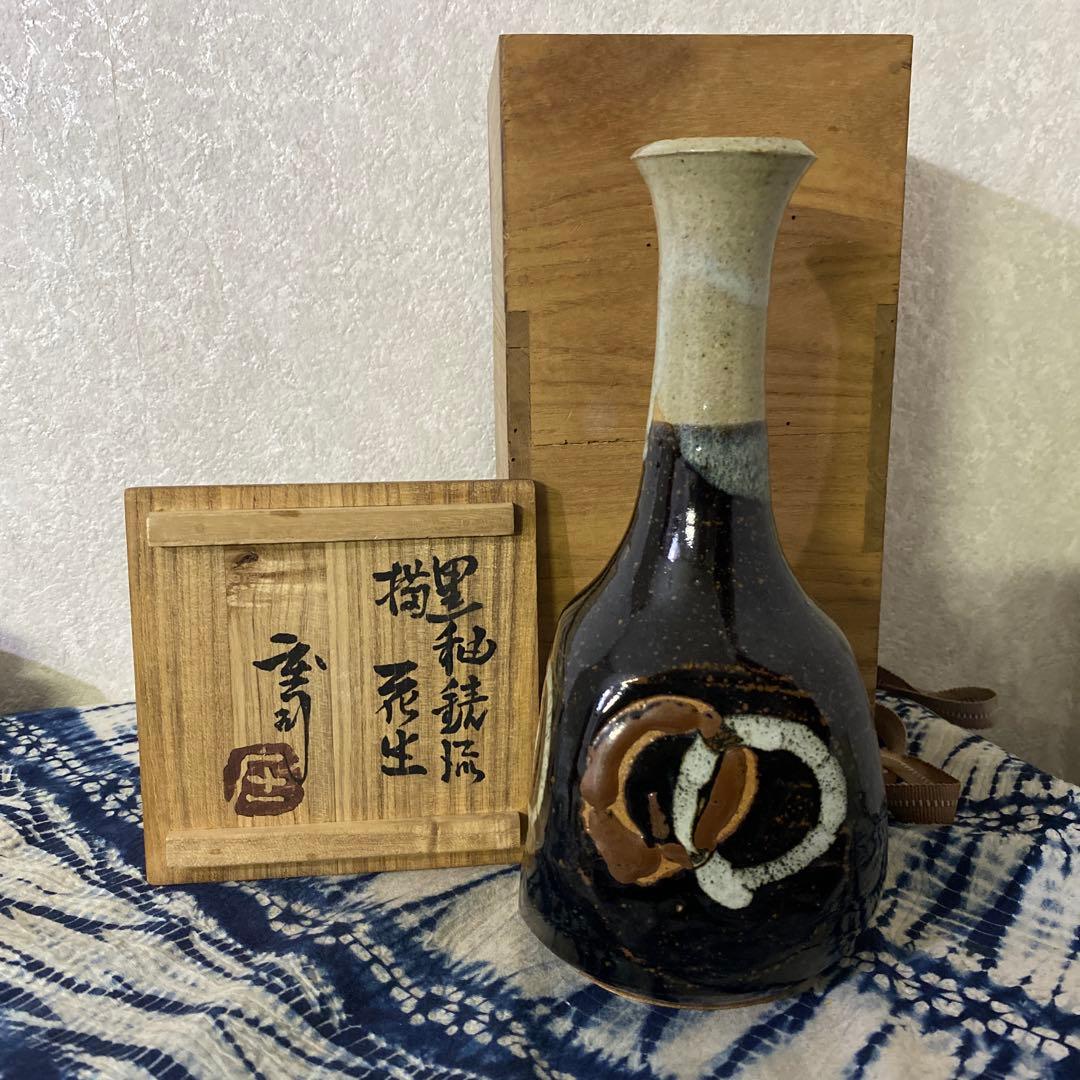
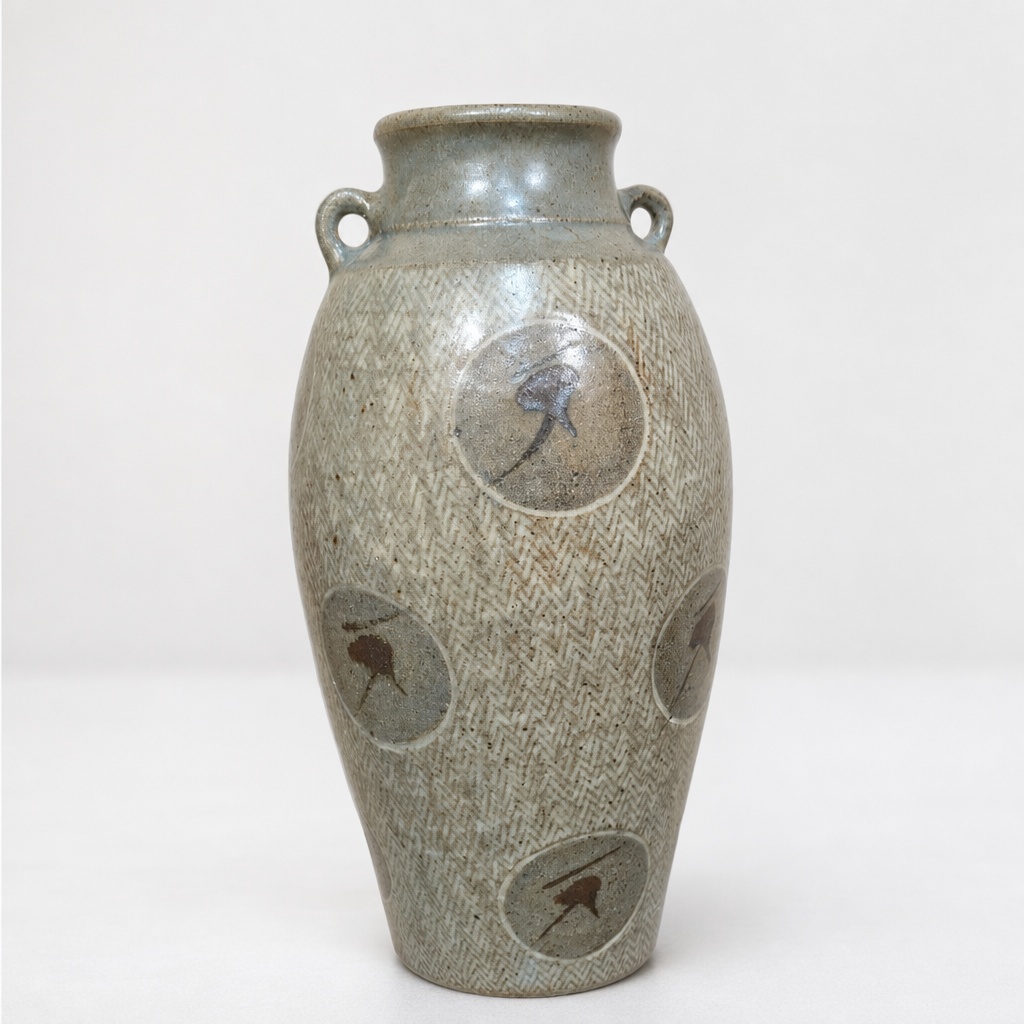
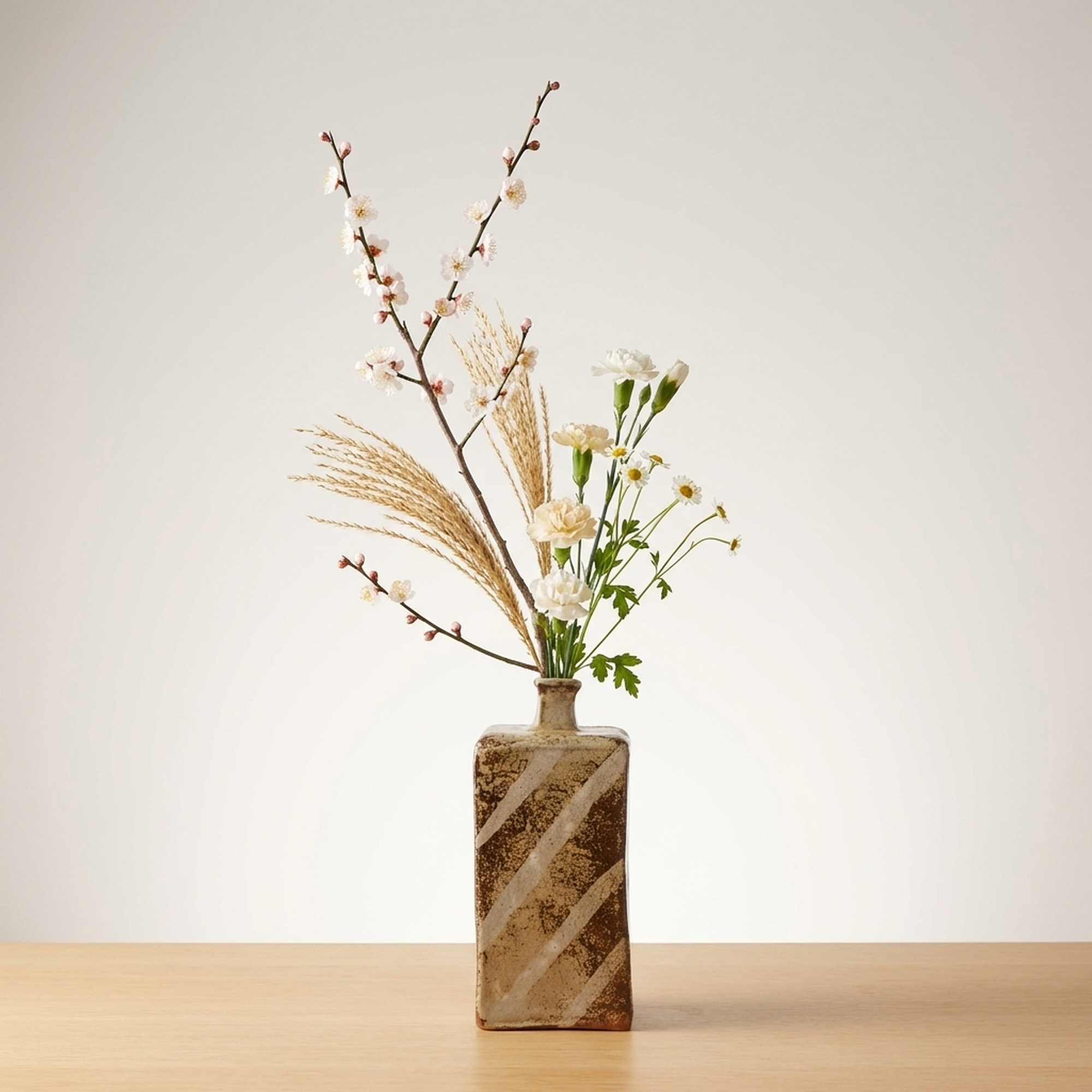
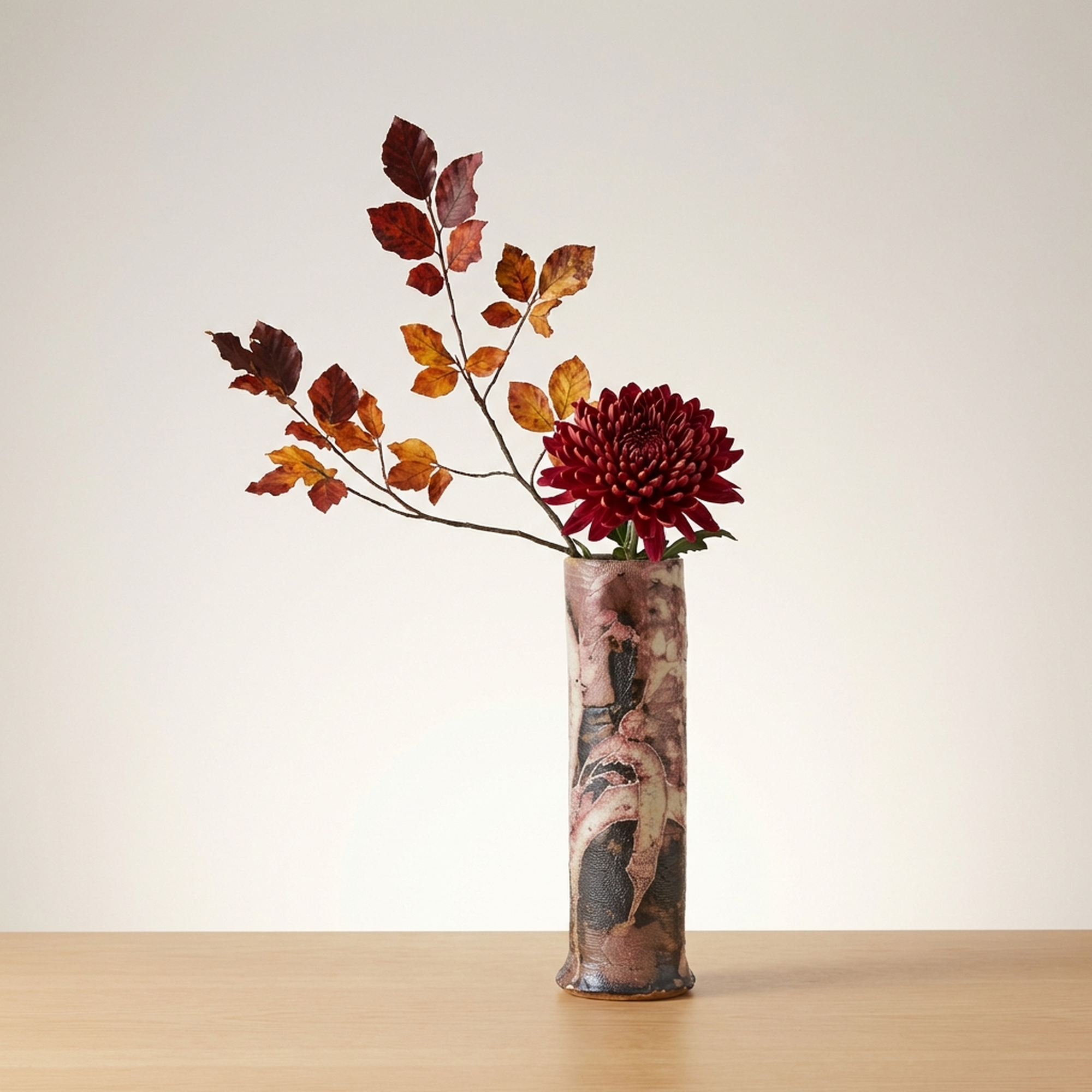
Heavy, thick-walled stoneware with a sandy, rough clay at the foot; rust-red 'persimmon' kaki glaze, black or amber glazes, sometimes with poured or trailed glaze designs; simple brushed or wax-resist decoration in the folk-craft style.
- Traditional Craft designated by METI (1979)