薩摩焼
Satsuma ware
Kagoshima · Late Momoyama / early Edo period (from 1598)
Ceramics of Kagoshima founded by Korean potters, in two branches: refined ivory 'white Satsuma' and robust everyday 'black Satsuma'.
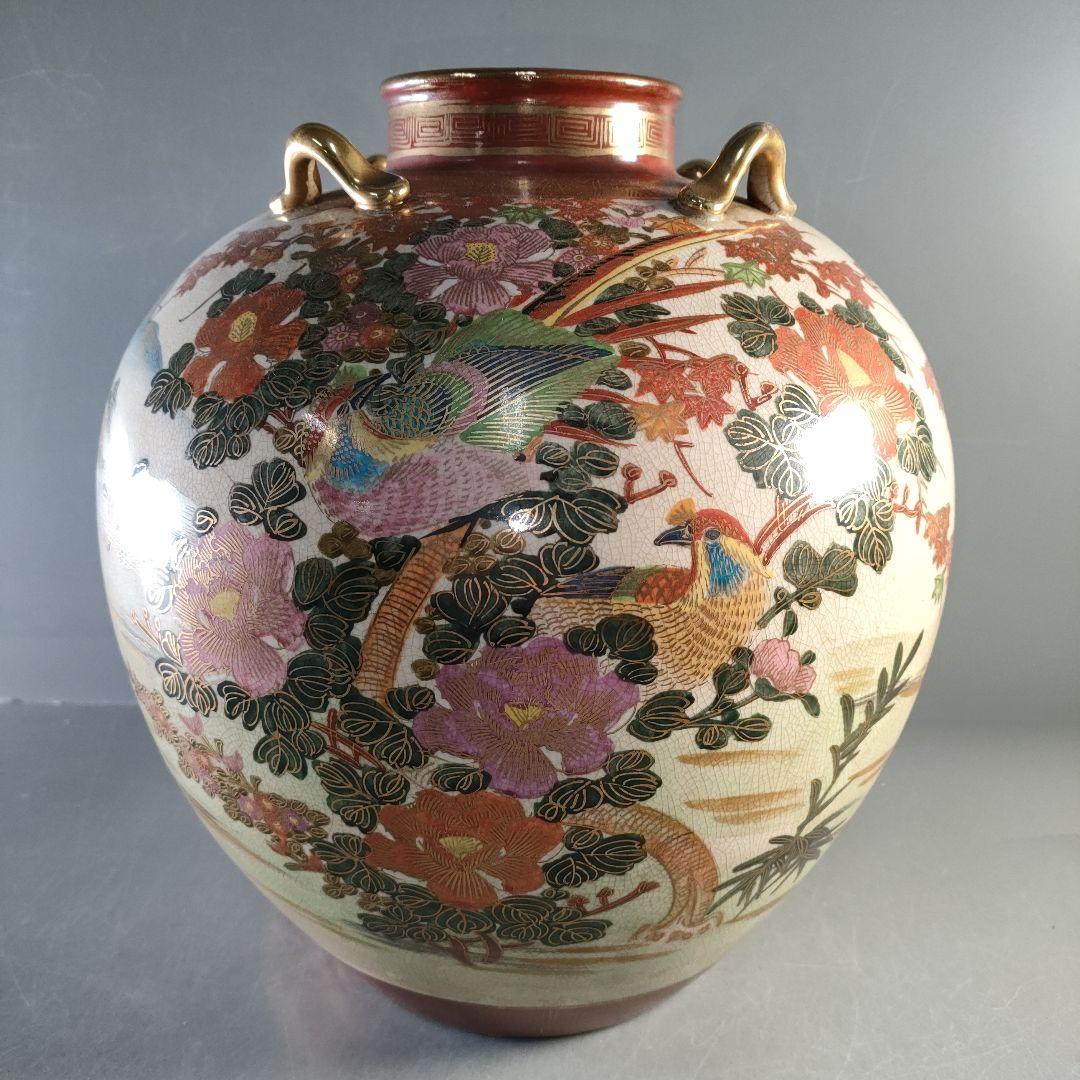
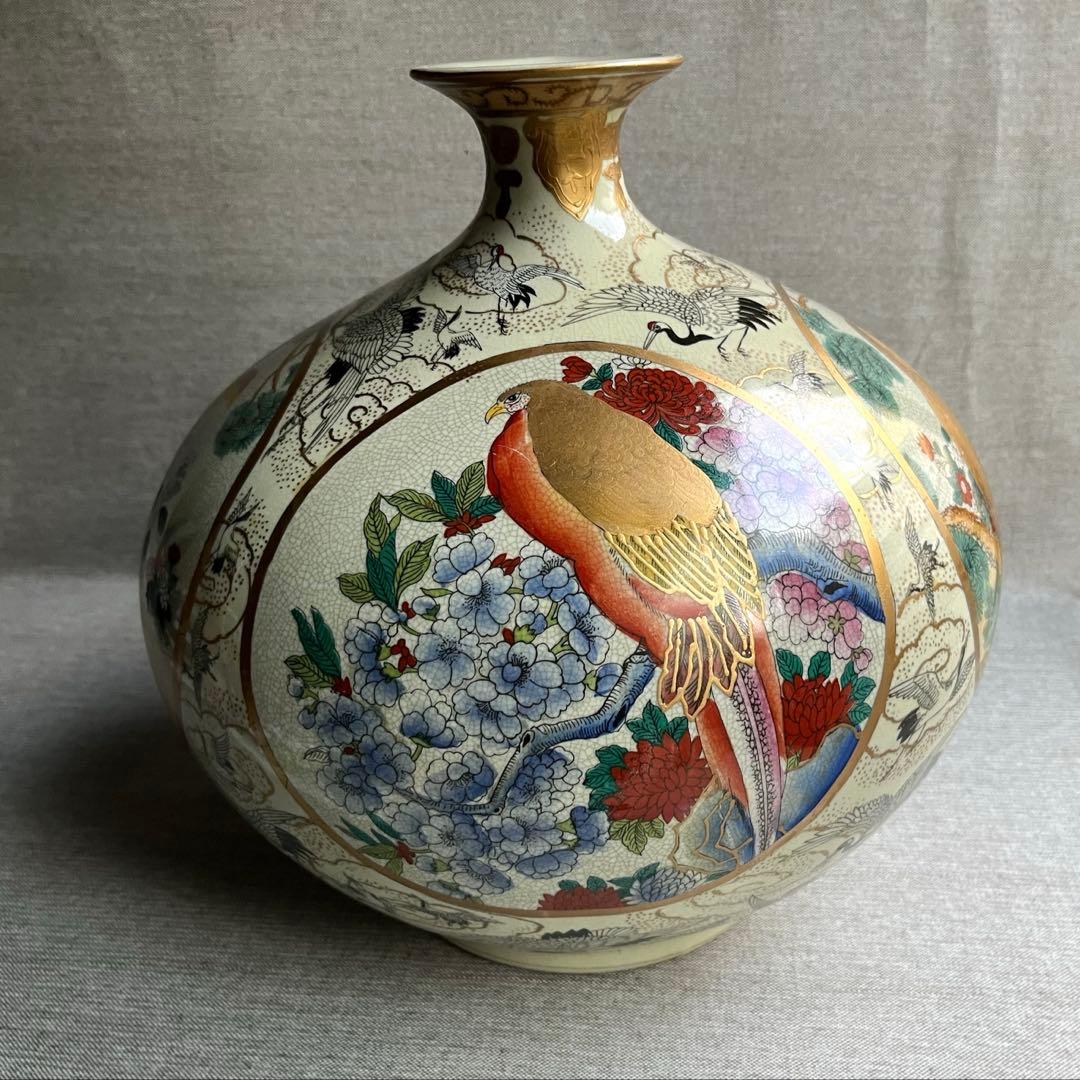
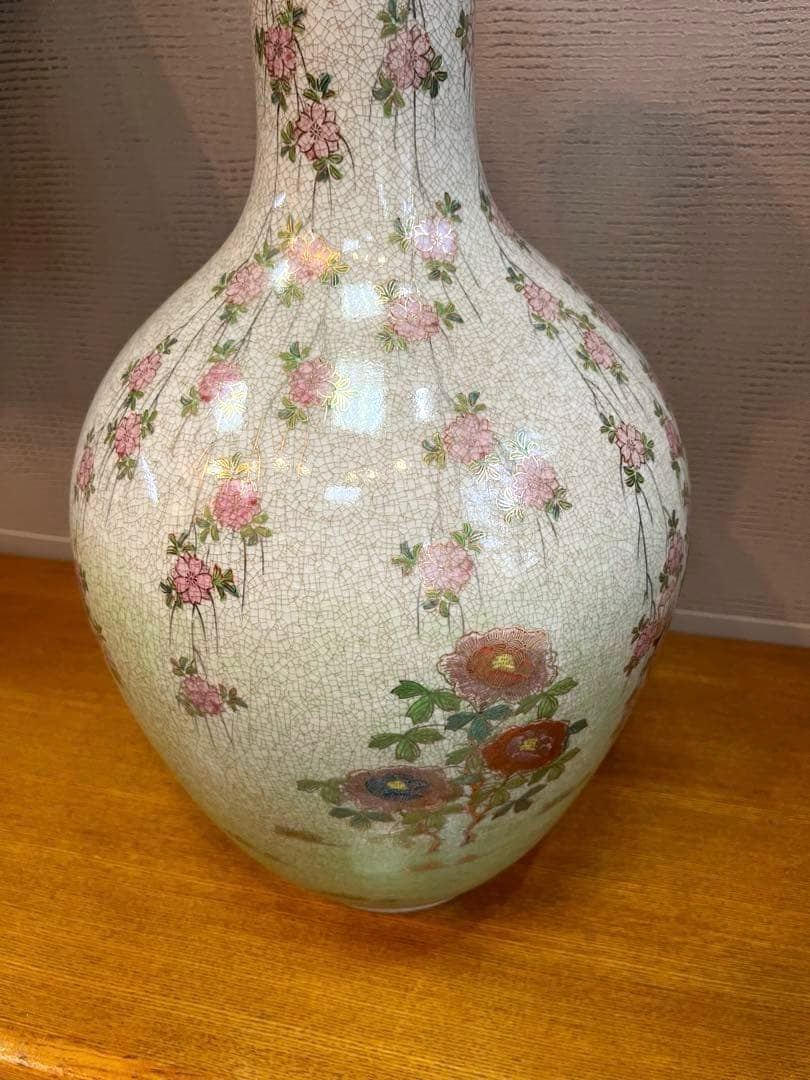
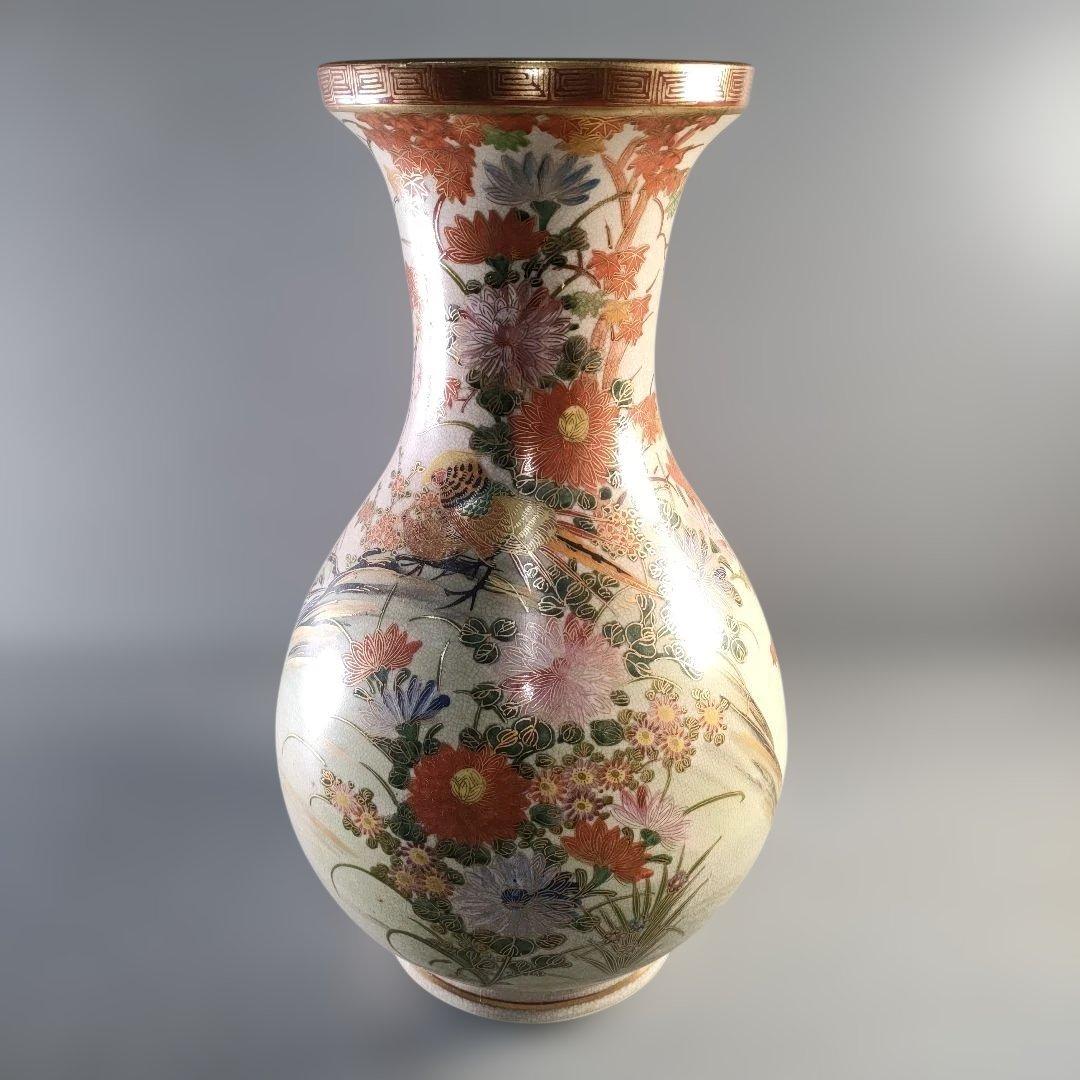
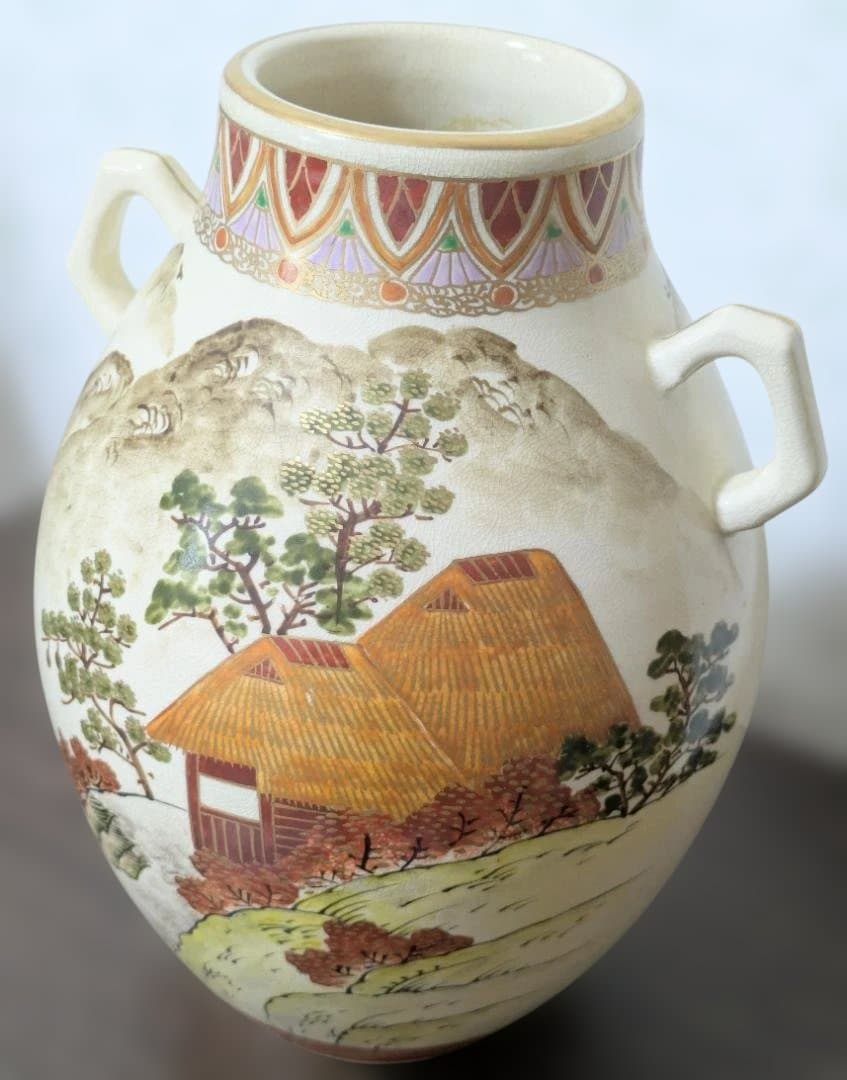
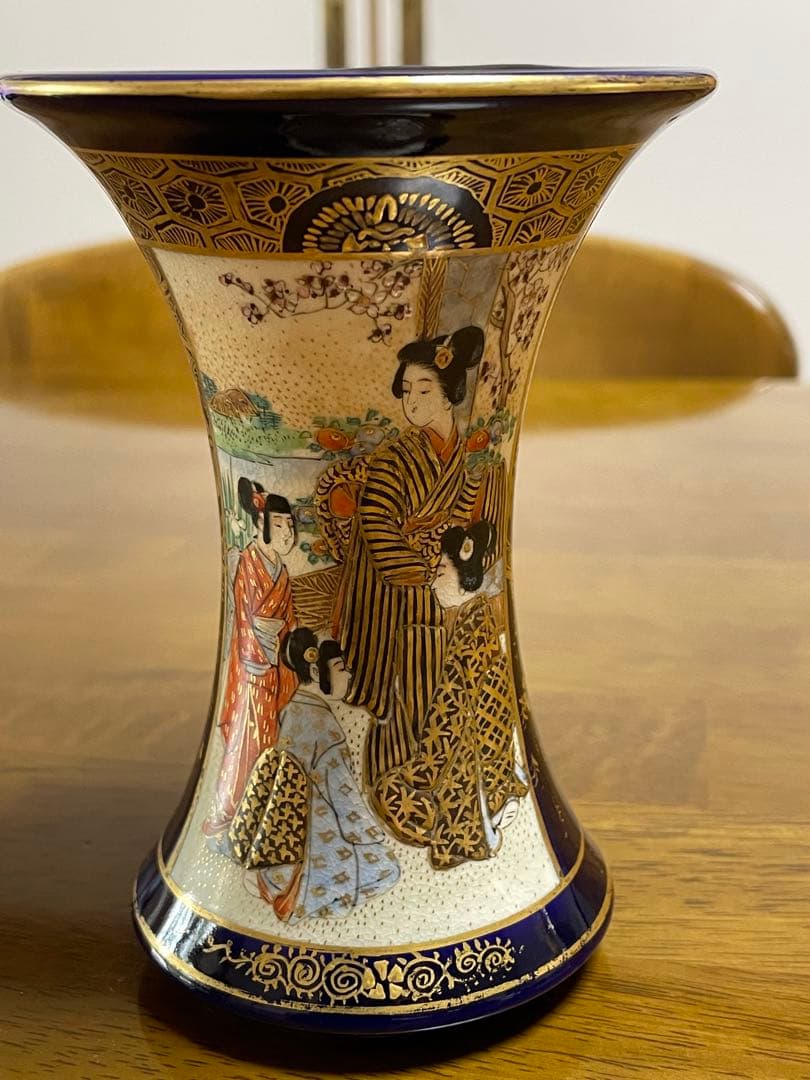
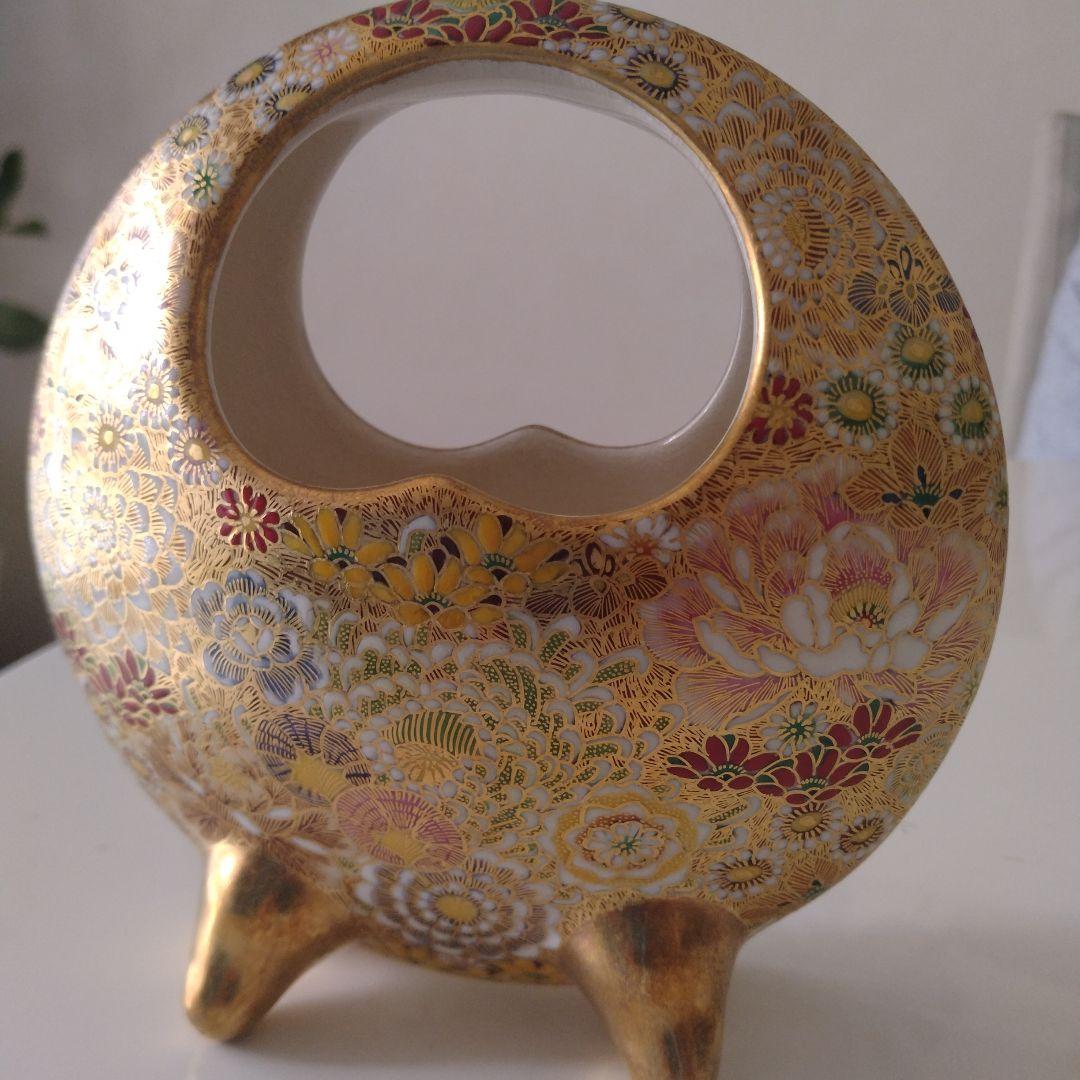
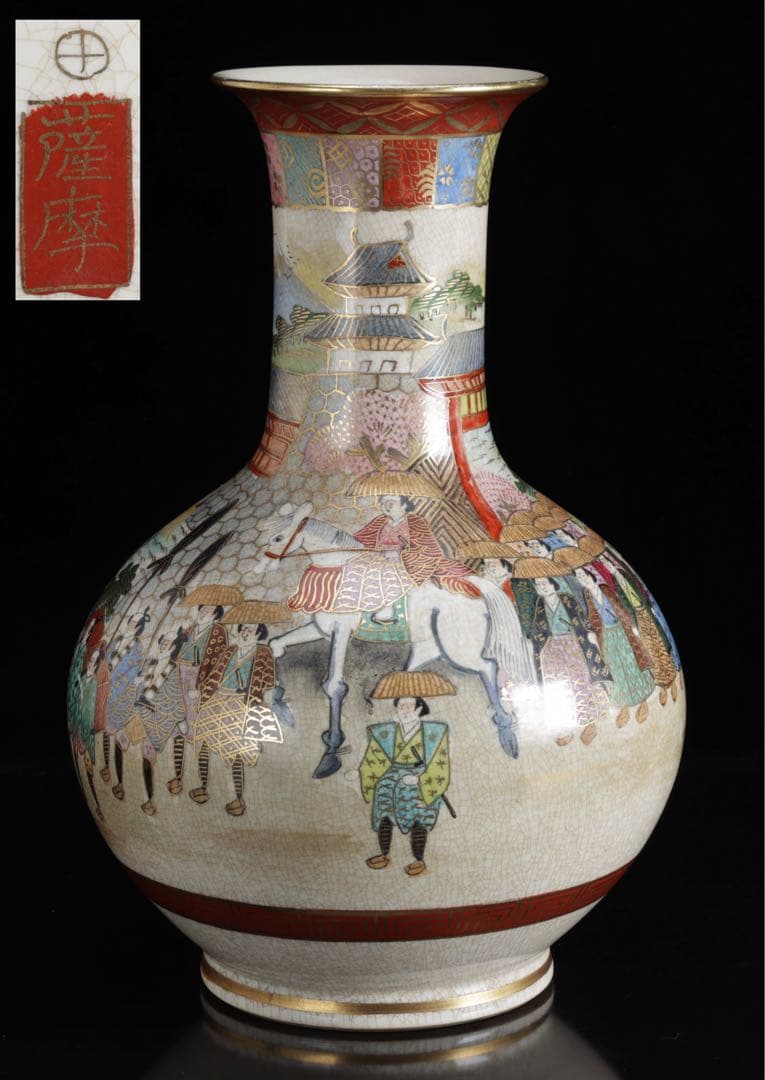
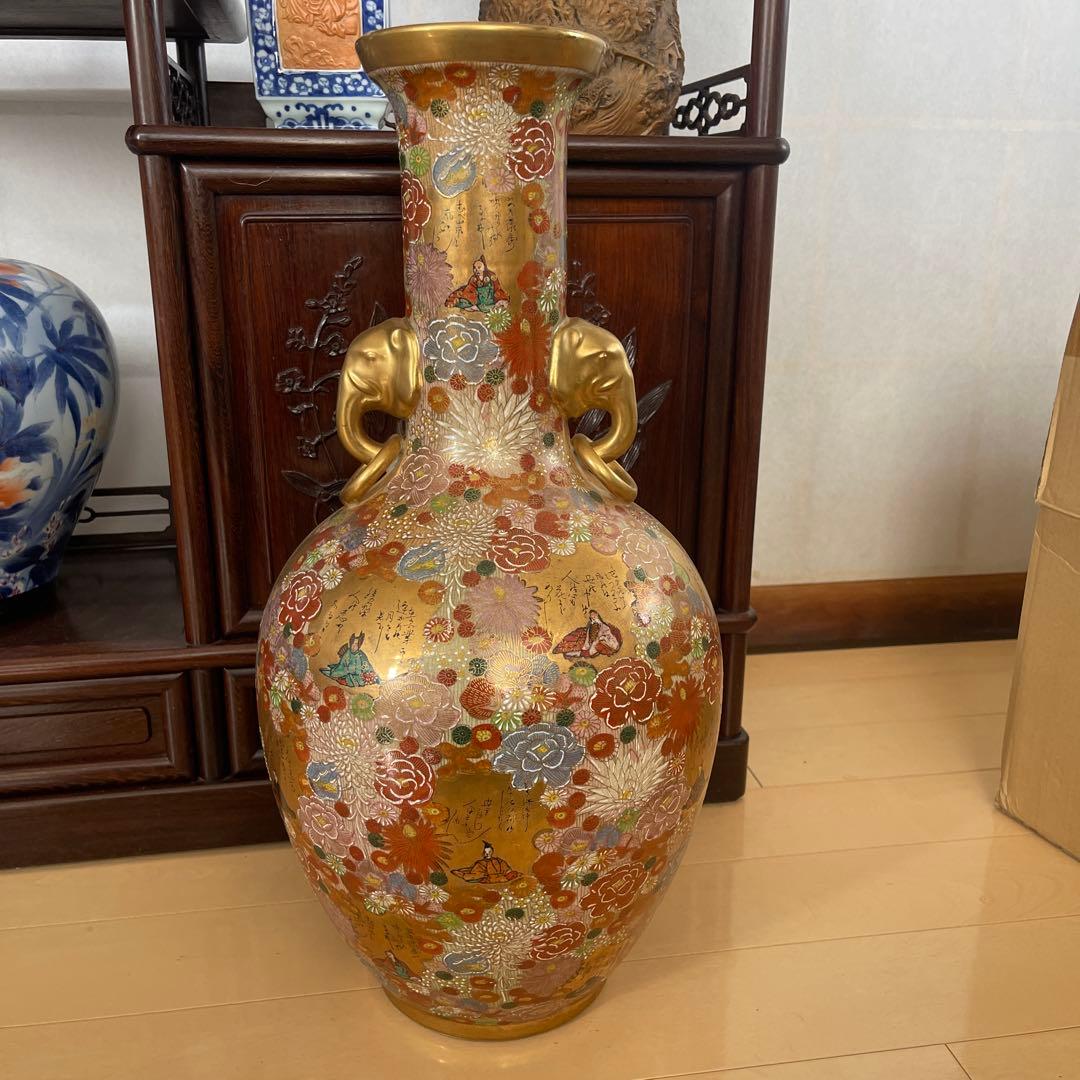
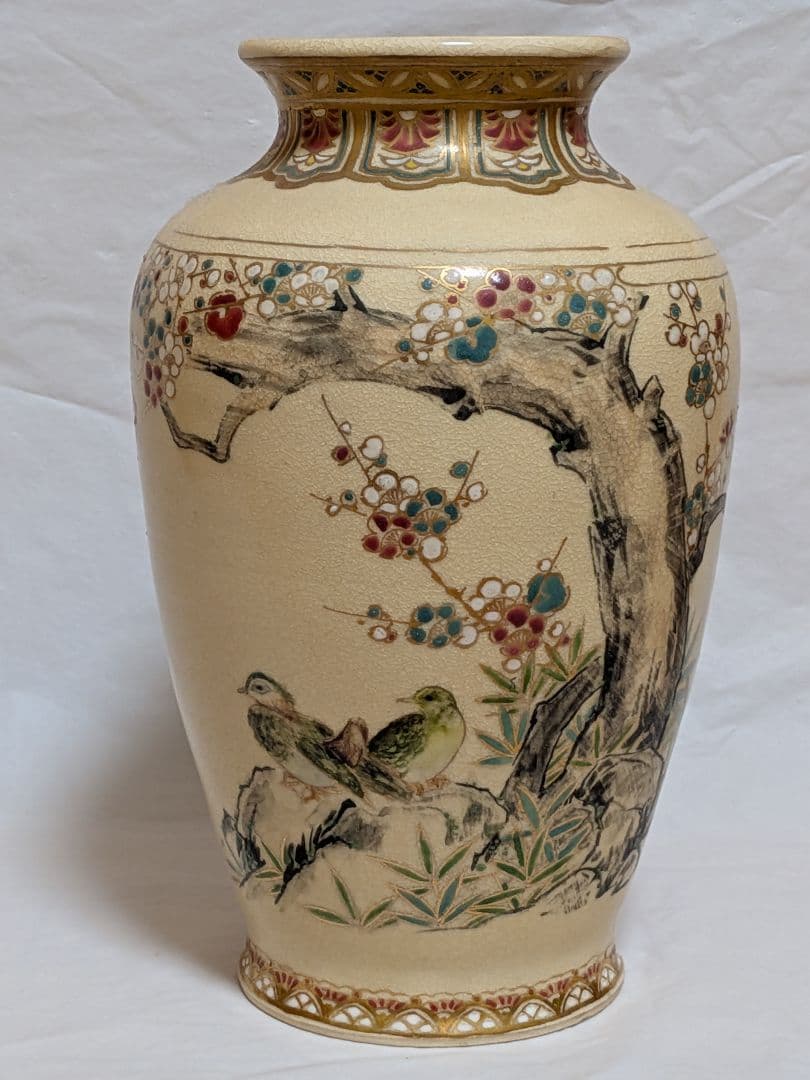
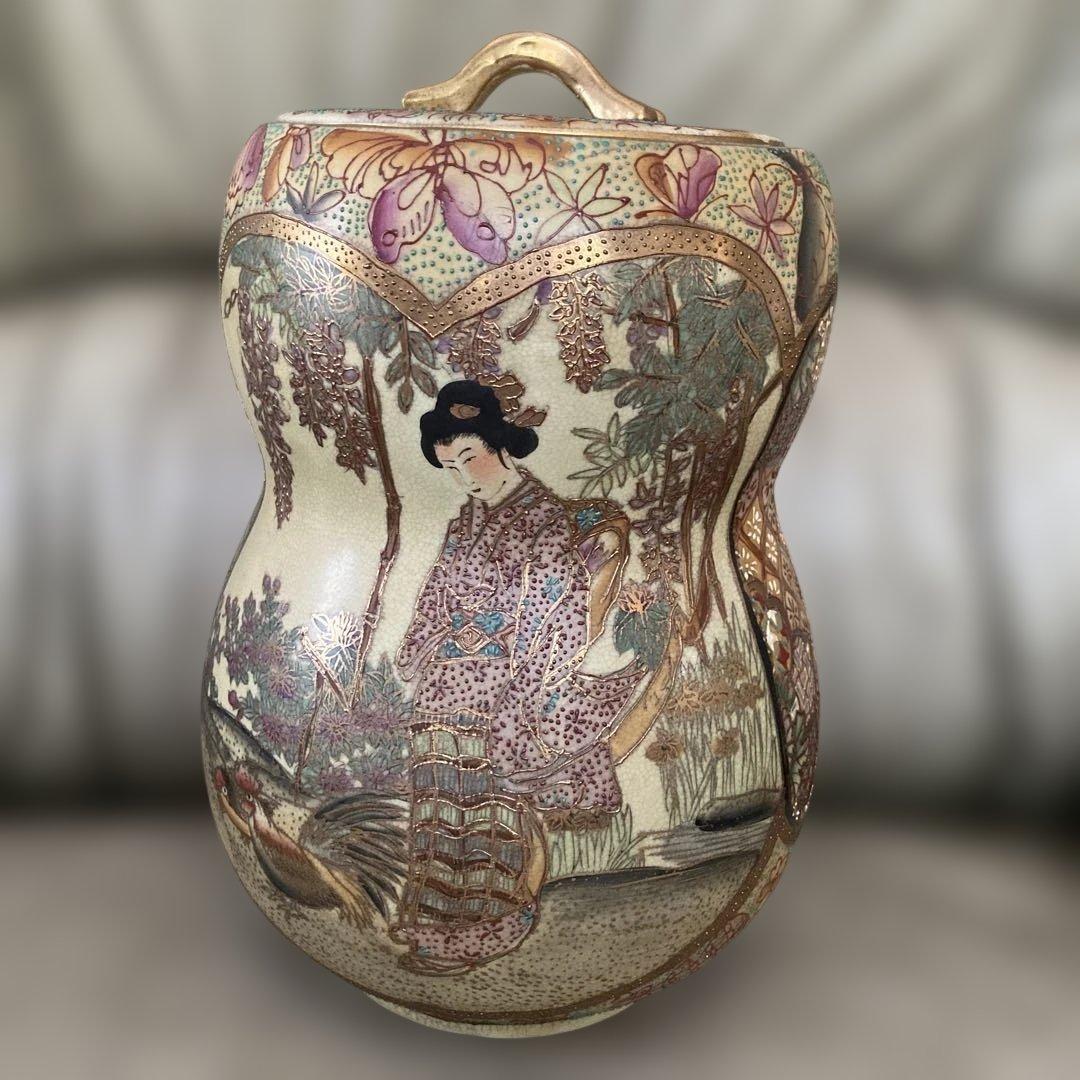
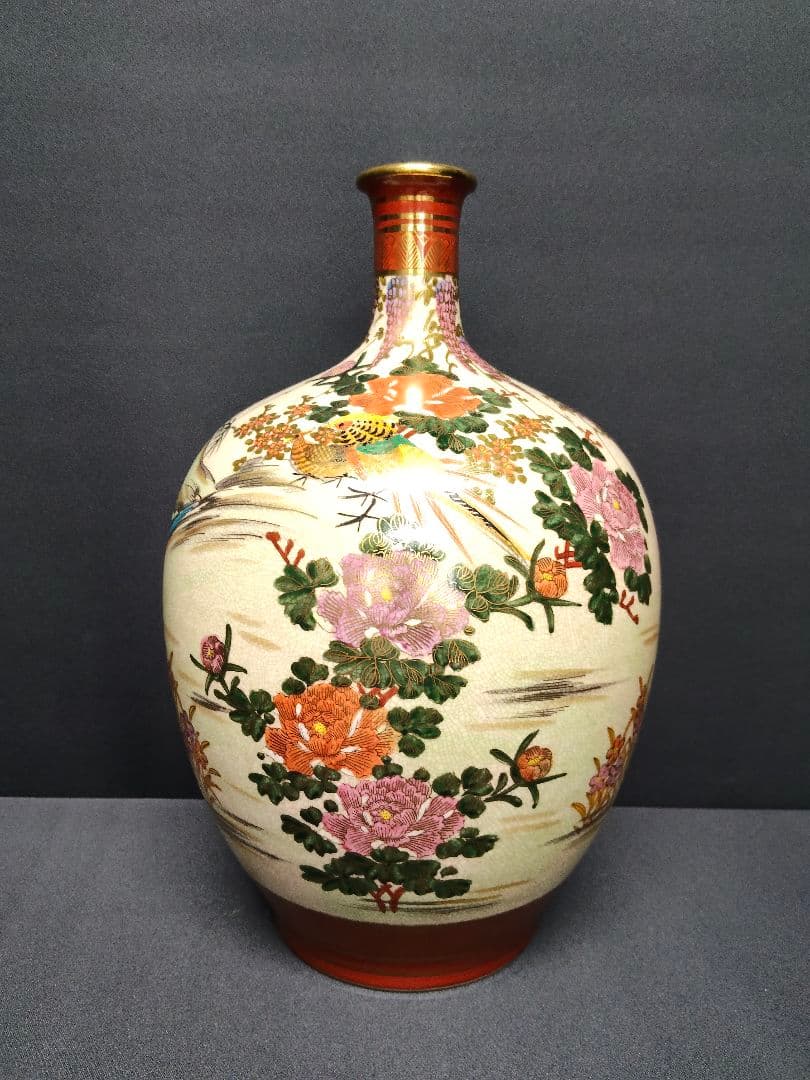
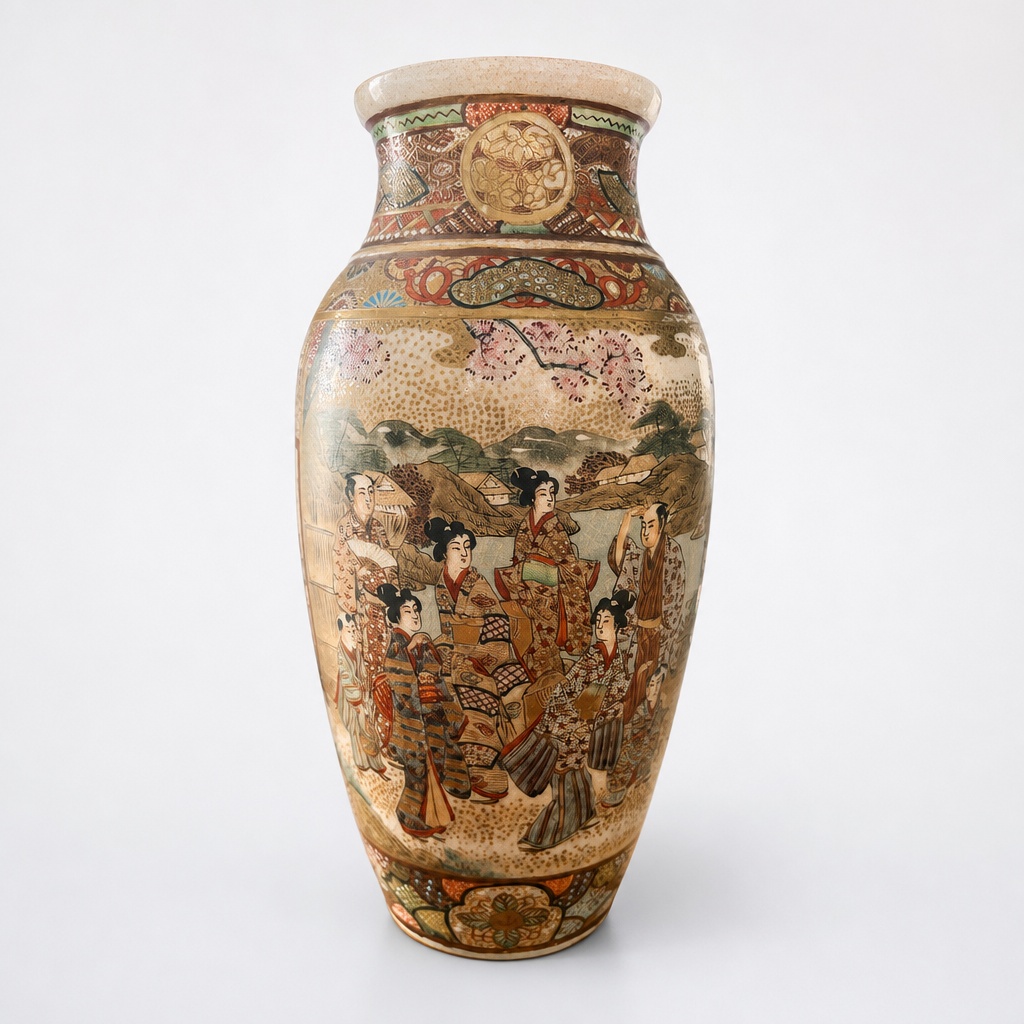
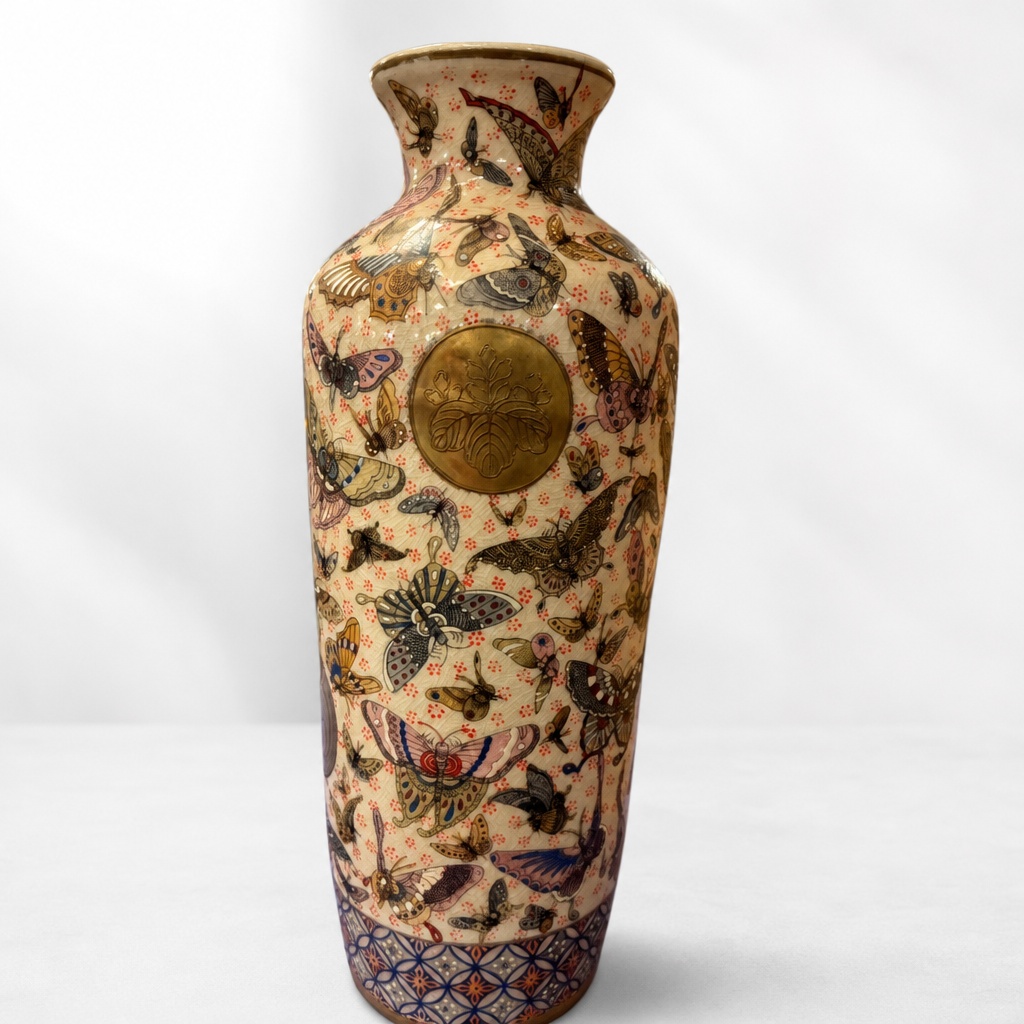
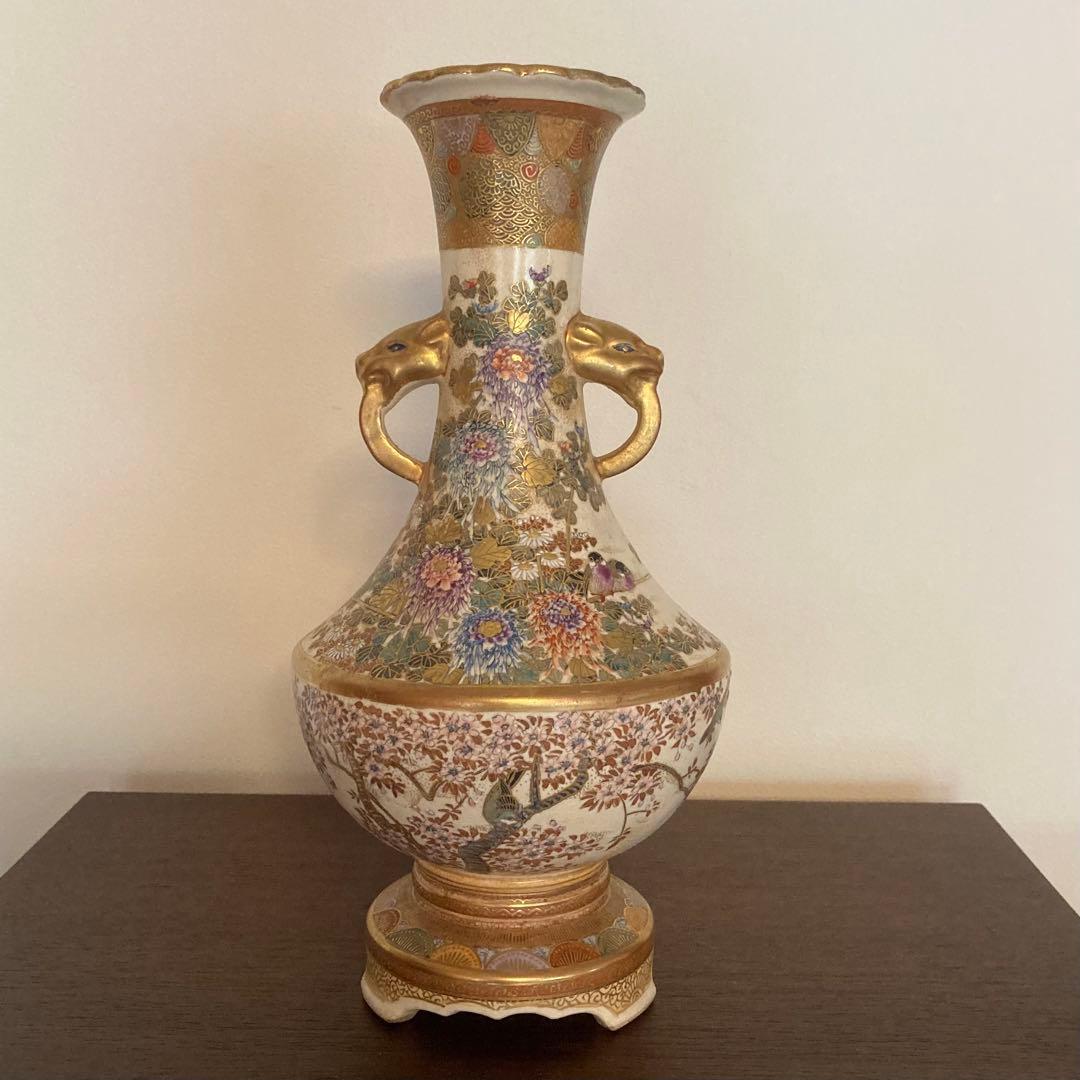
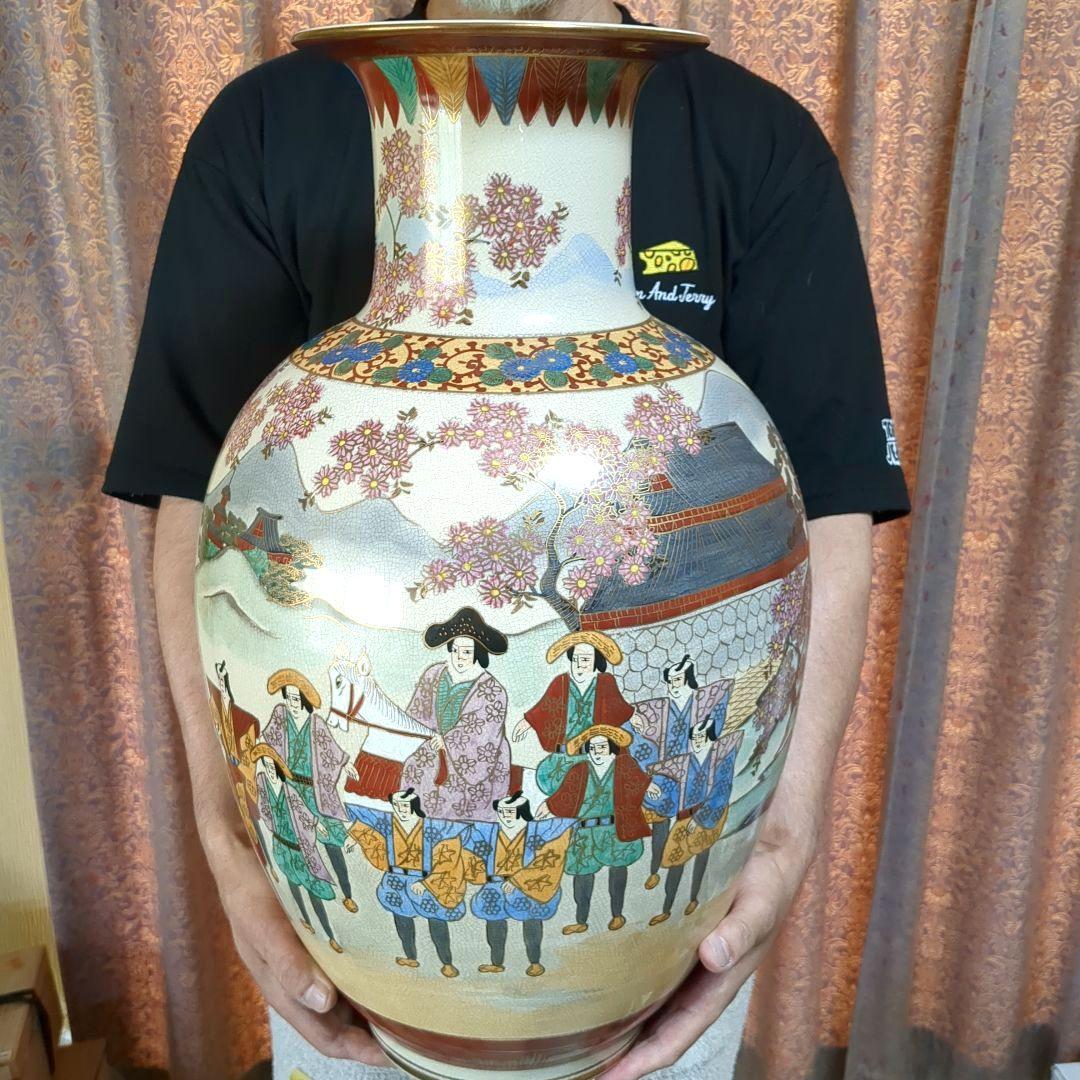
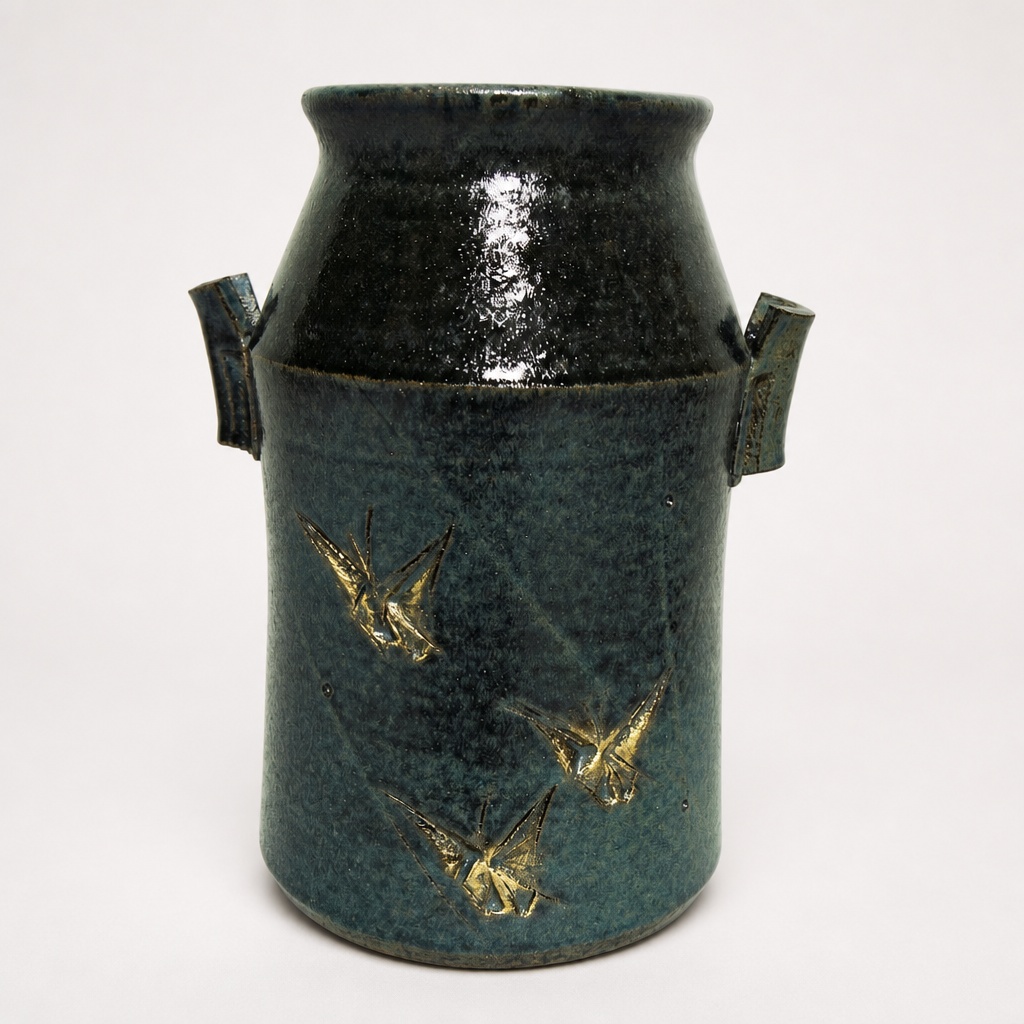
Satsuma ware traces its origins to Korean potters who were brought to the Satsuma domain by its lord, Shimazu Yoshihiro, after Japan's invasions of Korea in the 1590s. They set up kilns in several places, including Naeshirogawa (now Miyama in Hioki City), Ryūmonji and Tateno. Two branches developed. Shiro-Satsuma ('white Satsuma'), made for the domain, has a fine ivory body with a crackled glaze. Kuro-Satsuma ('black Satsuma') is a dark, iron-rich ware used in daily life. In the nineteenth century, enamelled and gilded white Satsuma attracted attention in the West, especially after the Satsuma domain exhibited at the 1867 Paris Exposition. Export demand in the Meiji era was so great that much 'Satsuma' was decorated in Kyoto, Osaka, Kobe, Tokyo and Yokohama rather than in Kagoshima. Kilns at Miyama, including the Chin Jukan family, remain active.
Klei en stookproces
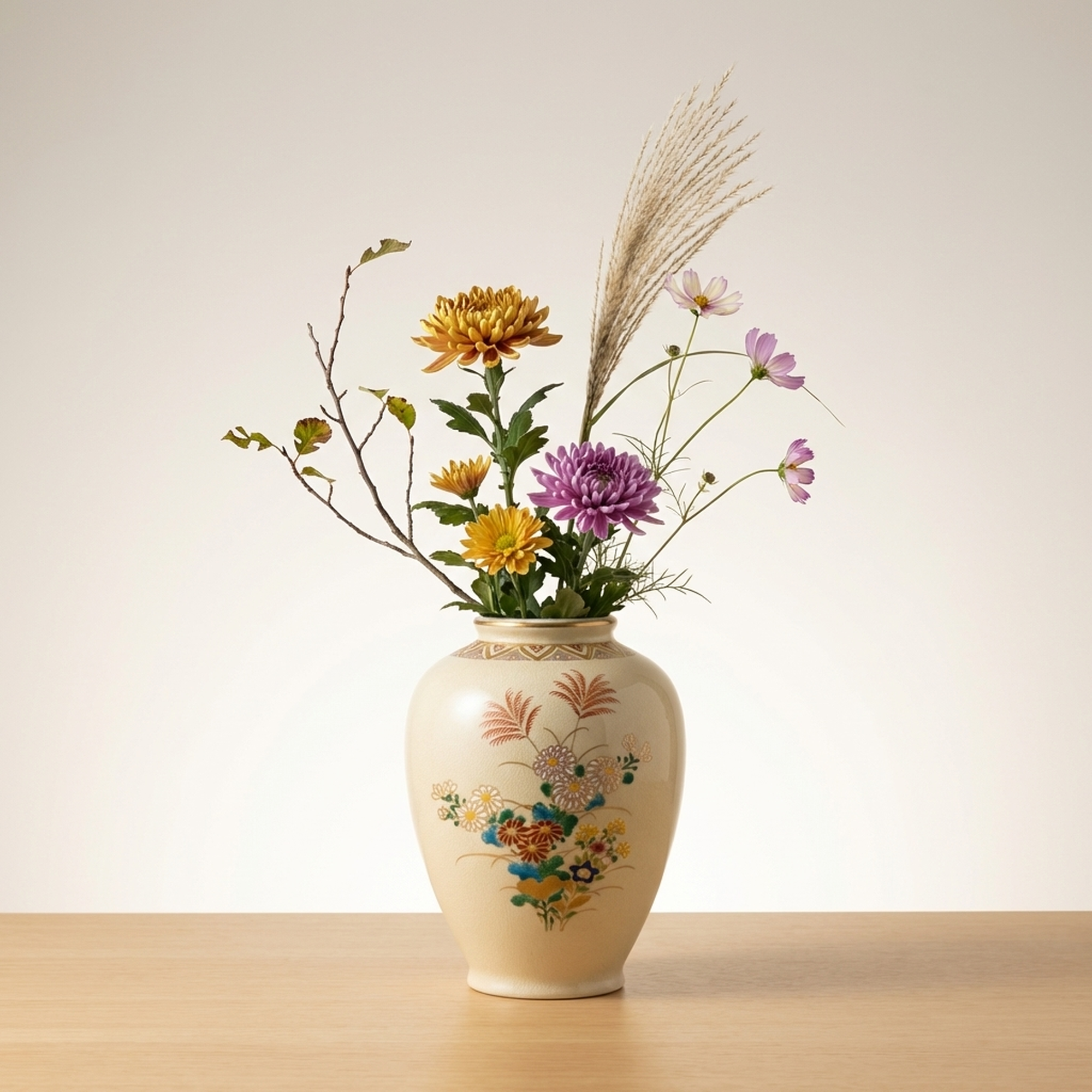
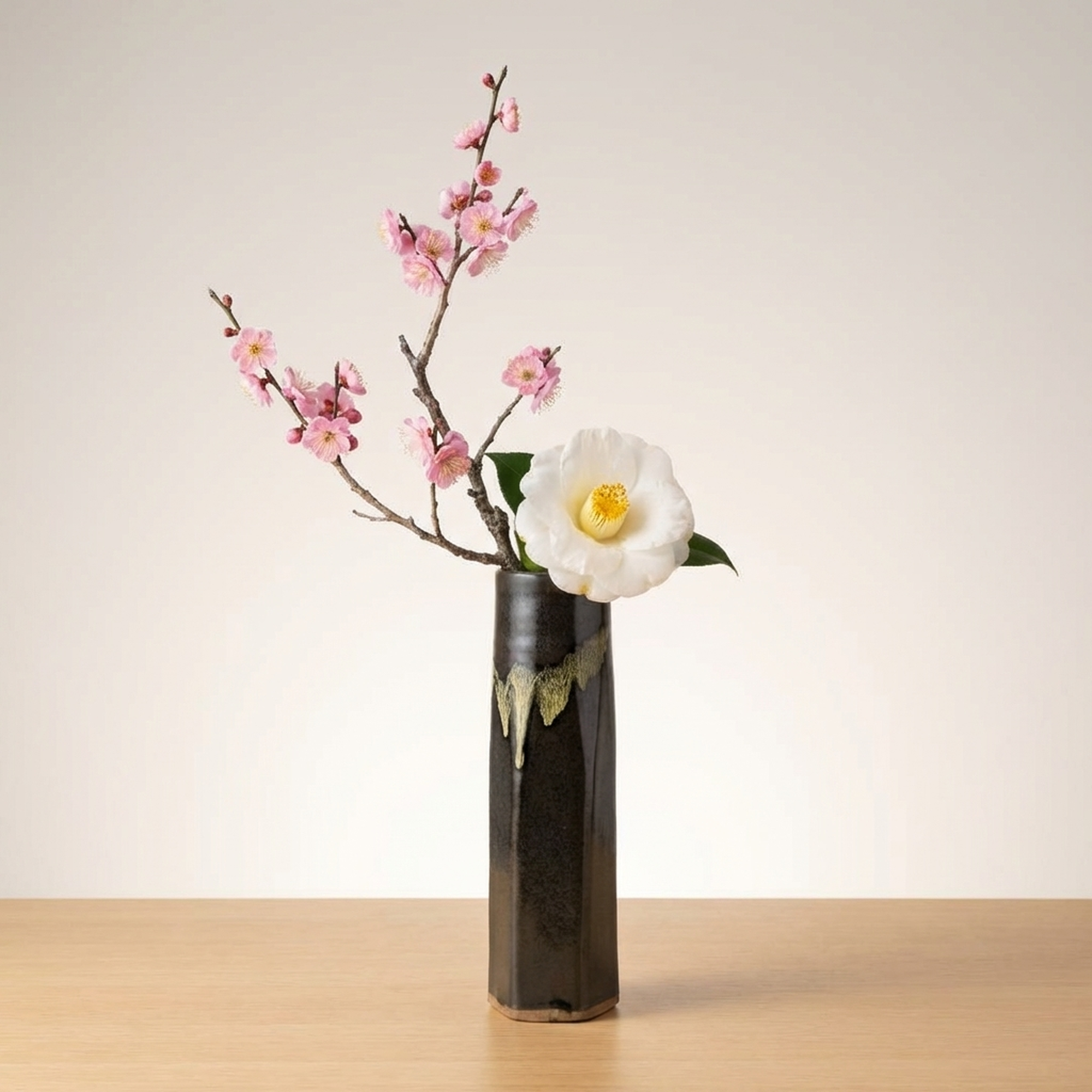
White Satsuma: a pale, soft earthenware-like body under a transparent glaze with fine crackle, often painted with overglaze enamels and gold. Black Satsuma: iron-rich clay with dark iron glazes.
Hoe Satsuma ware te herkennen
Ivory or cream glaze with a fine all-over crackle; dense, miniature overglaze enamel painting with heavy raised gilding on Meiji export pieces; black Satsuma is dark, glossy iron-glazed and plainly decorated.
- Traditional Craft designated by METI (2002)