京焼・清水焼
Kyo-yaki / Kiyomizu-yaki
Kyoto · Edo period (17th c.) for the main Kyo-yaki tradition
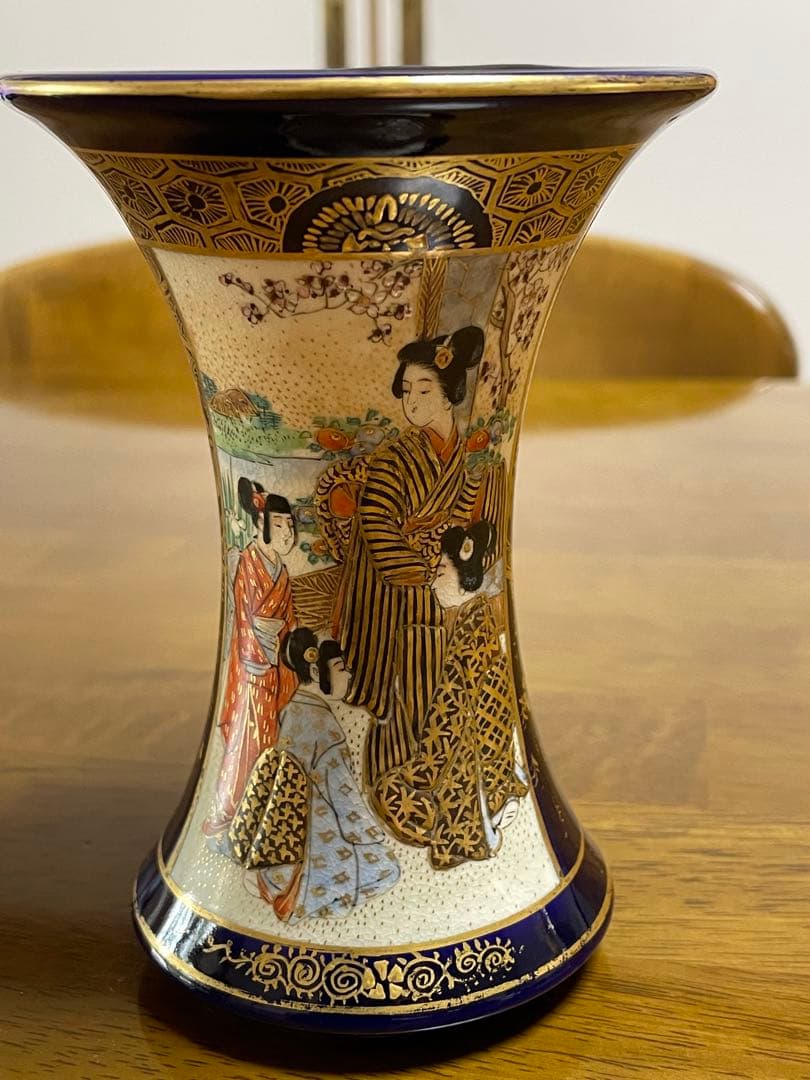
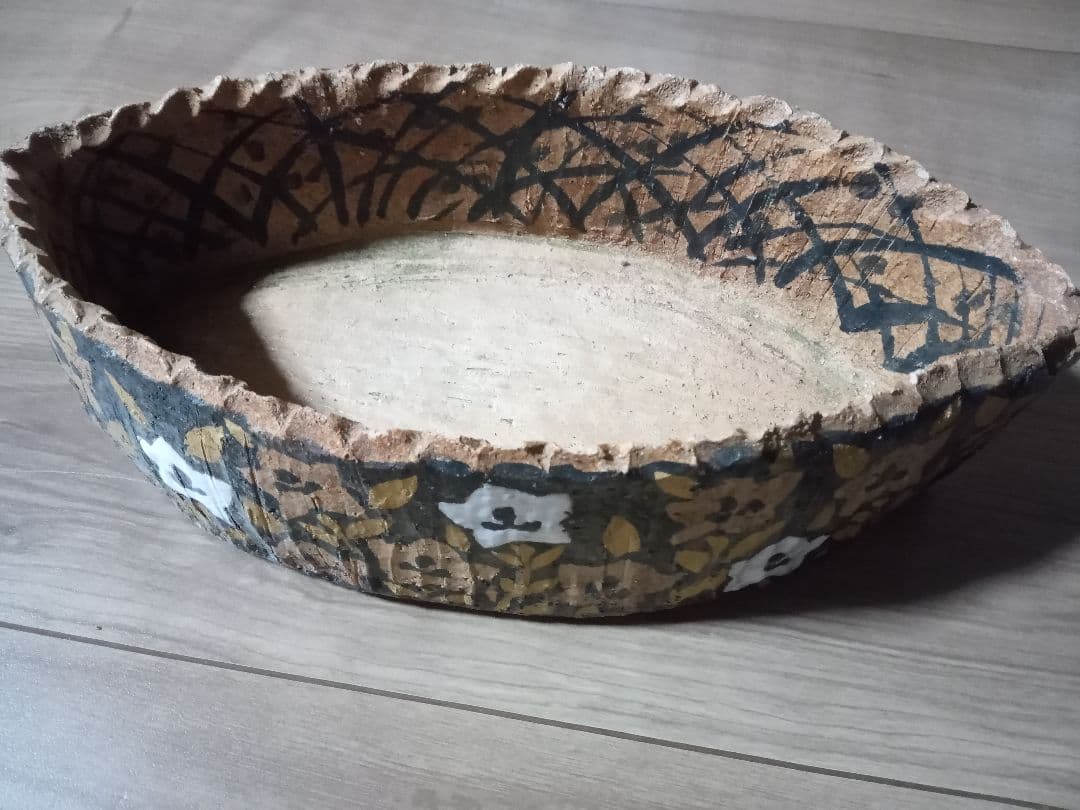
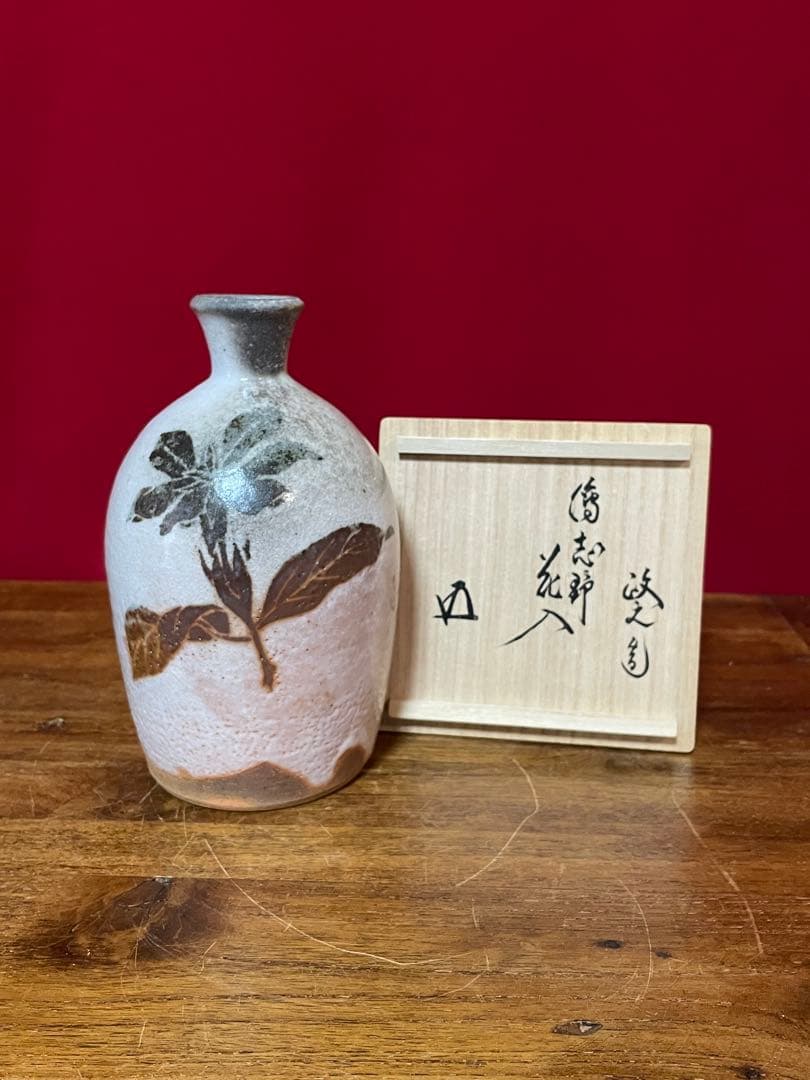
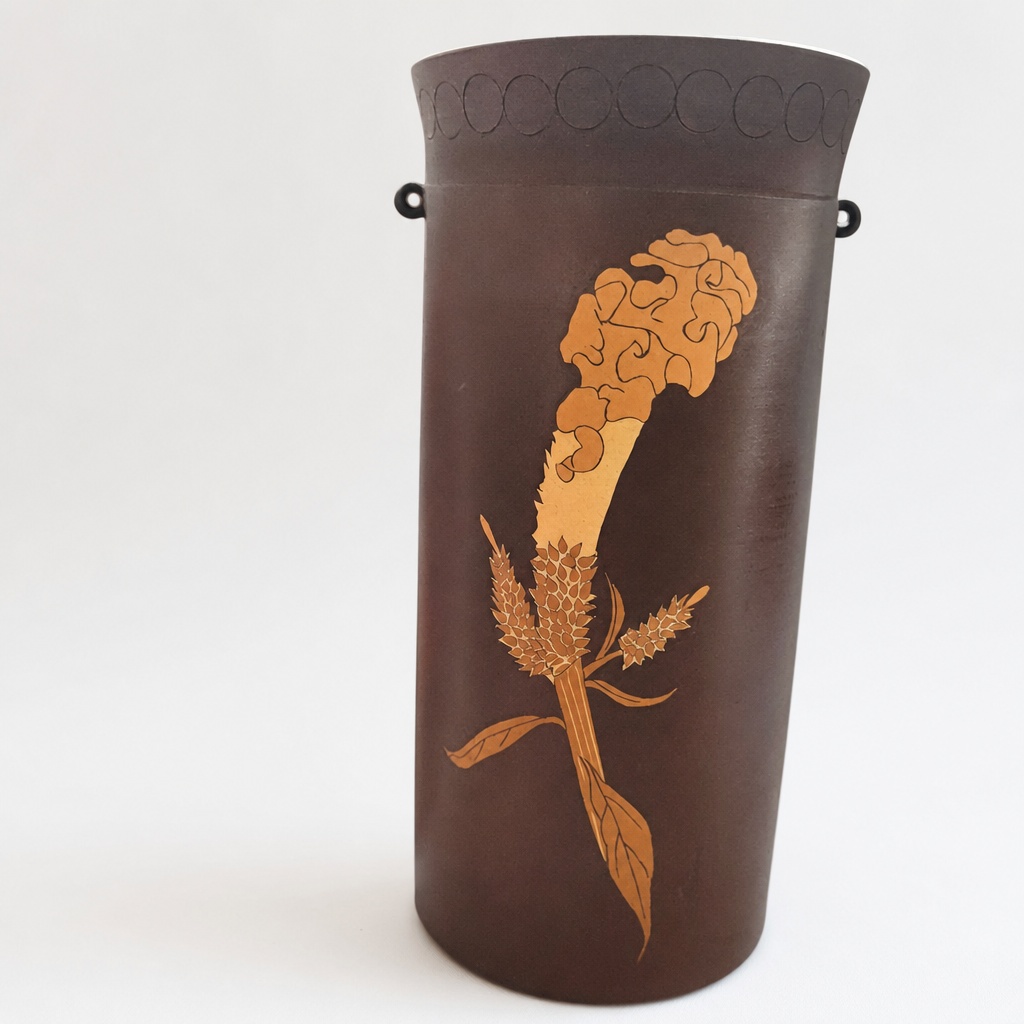
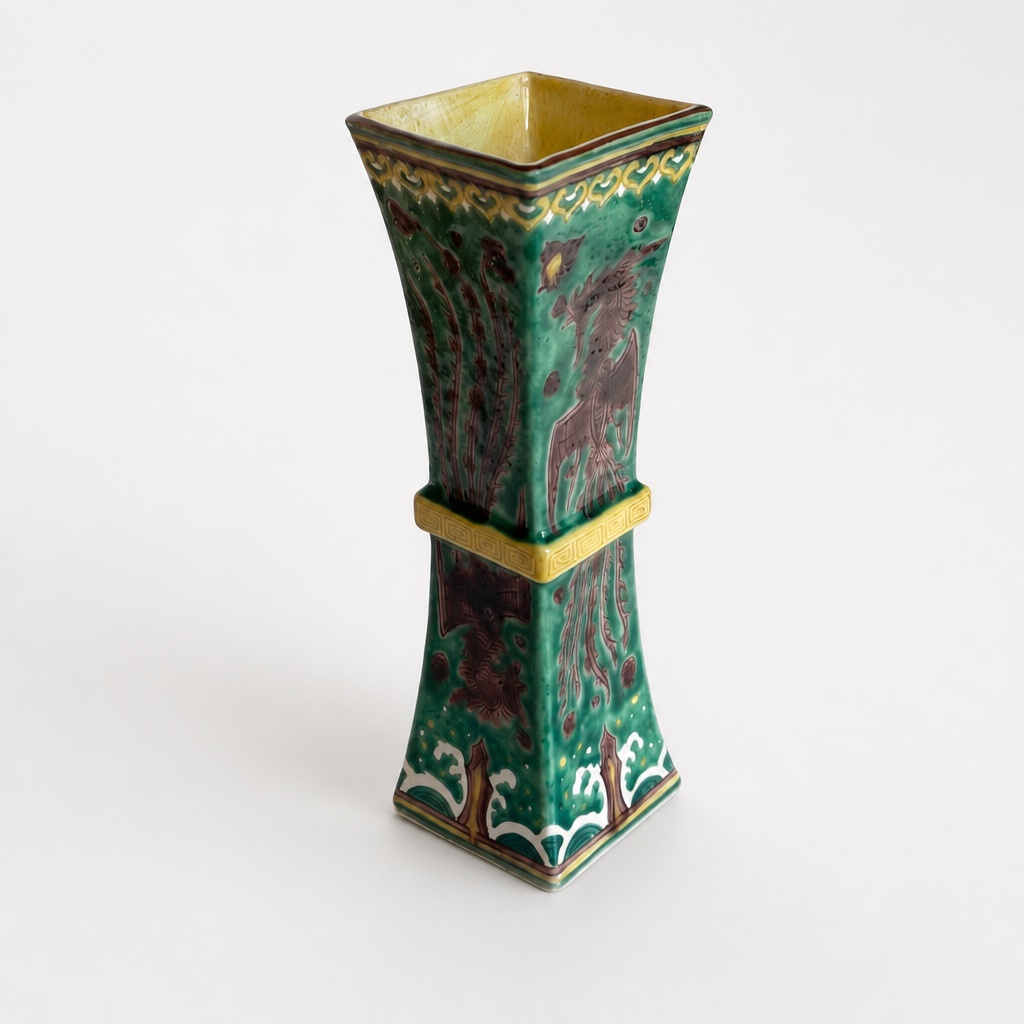
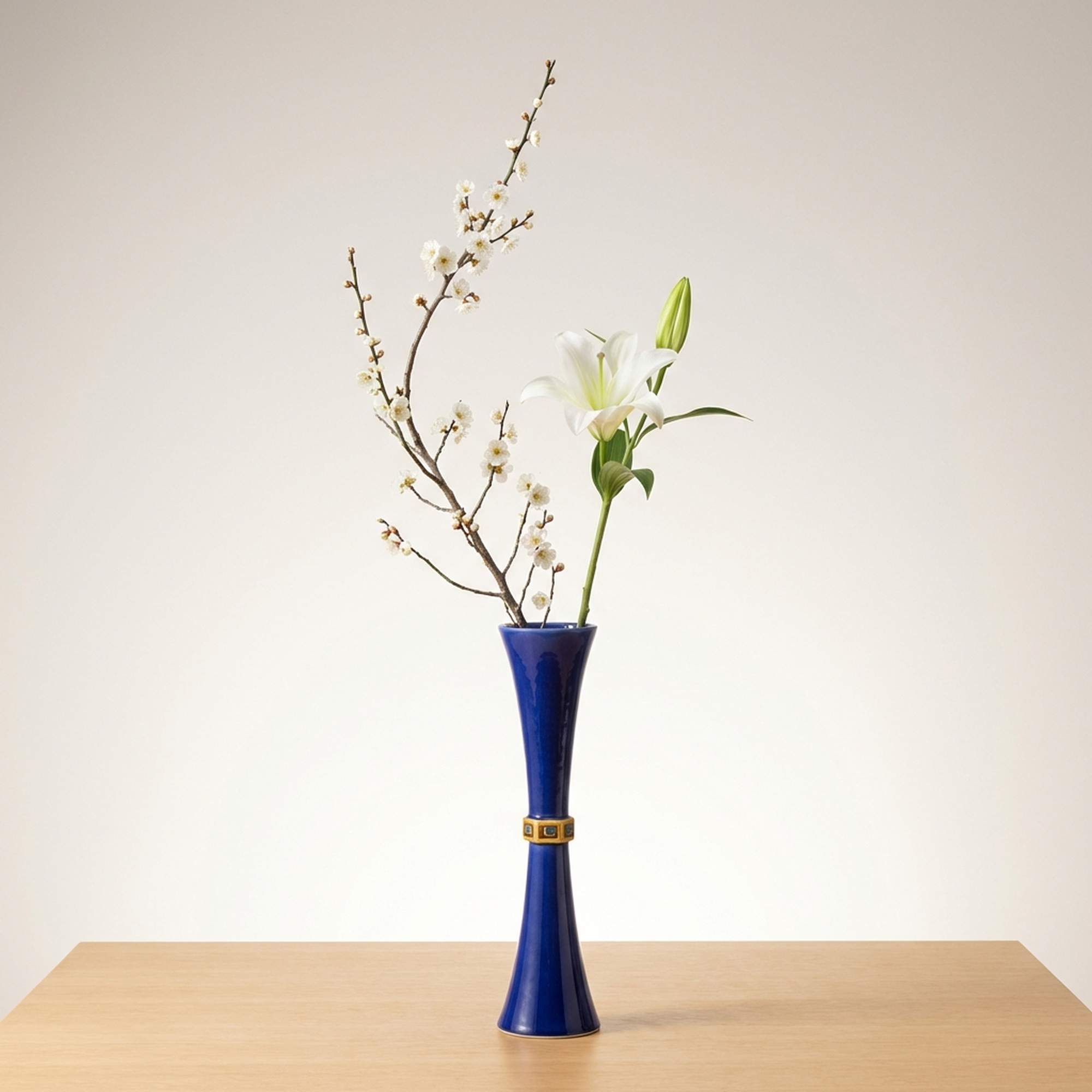
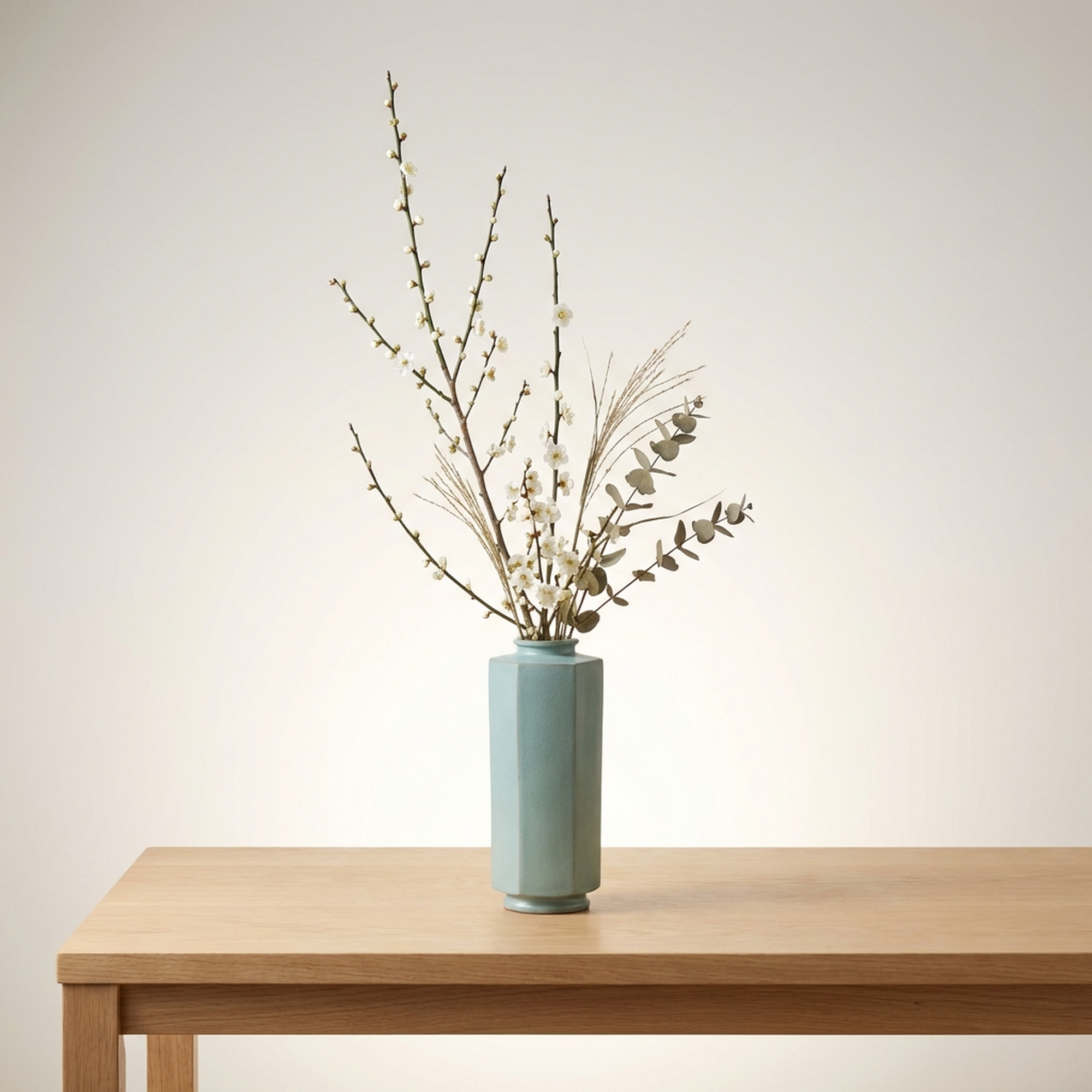
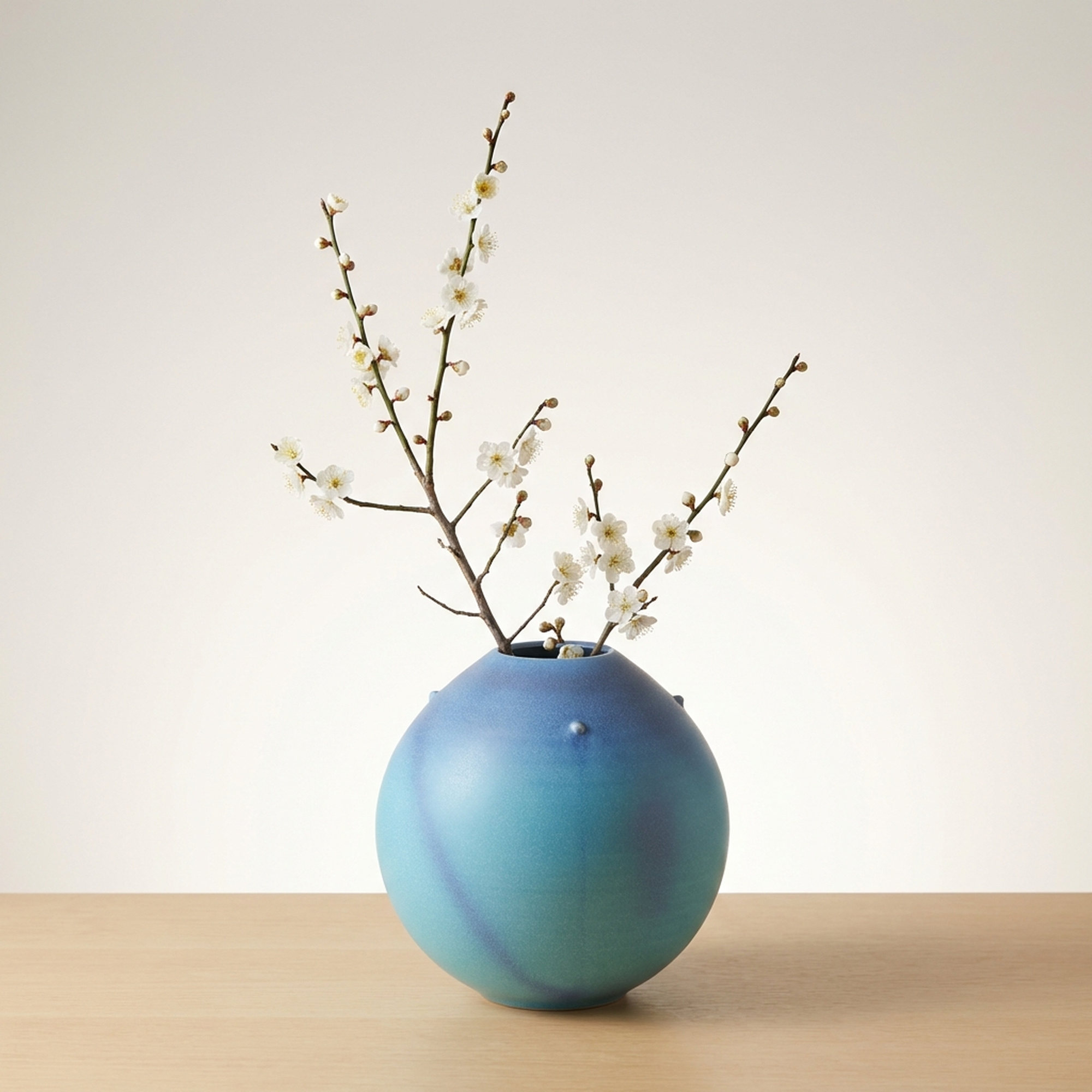
Ceramics and porcelain made in Kyoto, known for refined enamel painting and for famous individual artists rather than a single local clay.
Kyo-yaki is a general name for ceramics made in Kyoto, and Kiyomizu-yaki refers to wares from the Gojōzaka and Kiyomizu area below Kiyomizu-dera temple. Kyoto has had many small kilns since at least the early Edo period, and its potters worked for the imperial court, temples, tea masters and wealthy merchants. In the seventeenth century Nonomura Ninsei developed refined overglaze-enamelled stoneware, and Ogata Kenzan created wares with painted designs influenced by his brother, the painter Ogata Kōrin. In the late eighteenth and early nineteenth centuries potters such as Okuda Eisen, Aoki Mokubei and Ninami Dōhachi made porcelain and Chinese-style wares. Kyoto potters did not rely on one type of clay, and Kyo-yaki is known for its wide range of styles and its tradition of signed artists.
Klei en stookproces
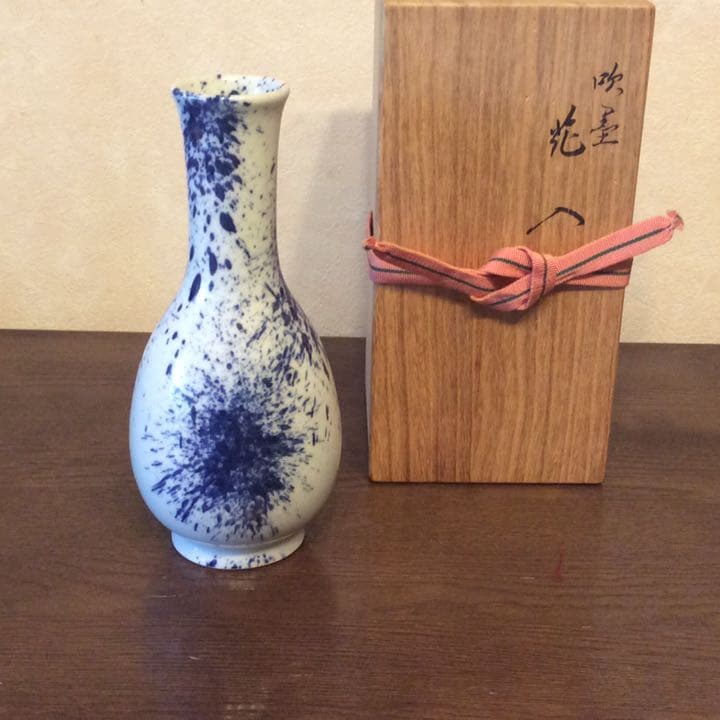
Clays and porcelain materials brought from other regions; wares include stoneware and porcelain with fine overglaze enamels, gold and underglaze blue.
Hoe Kyo-yaki / Kiyomizu-yaki te herkennen
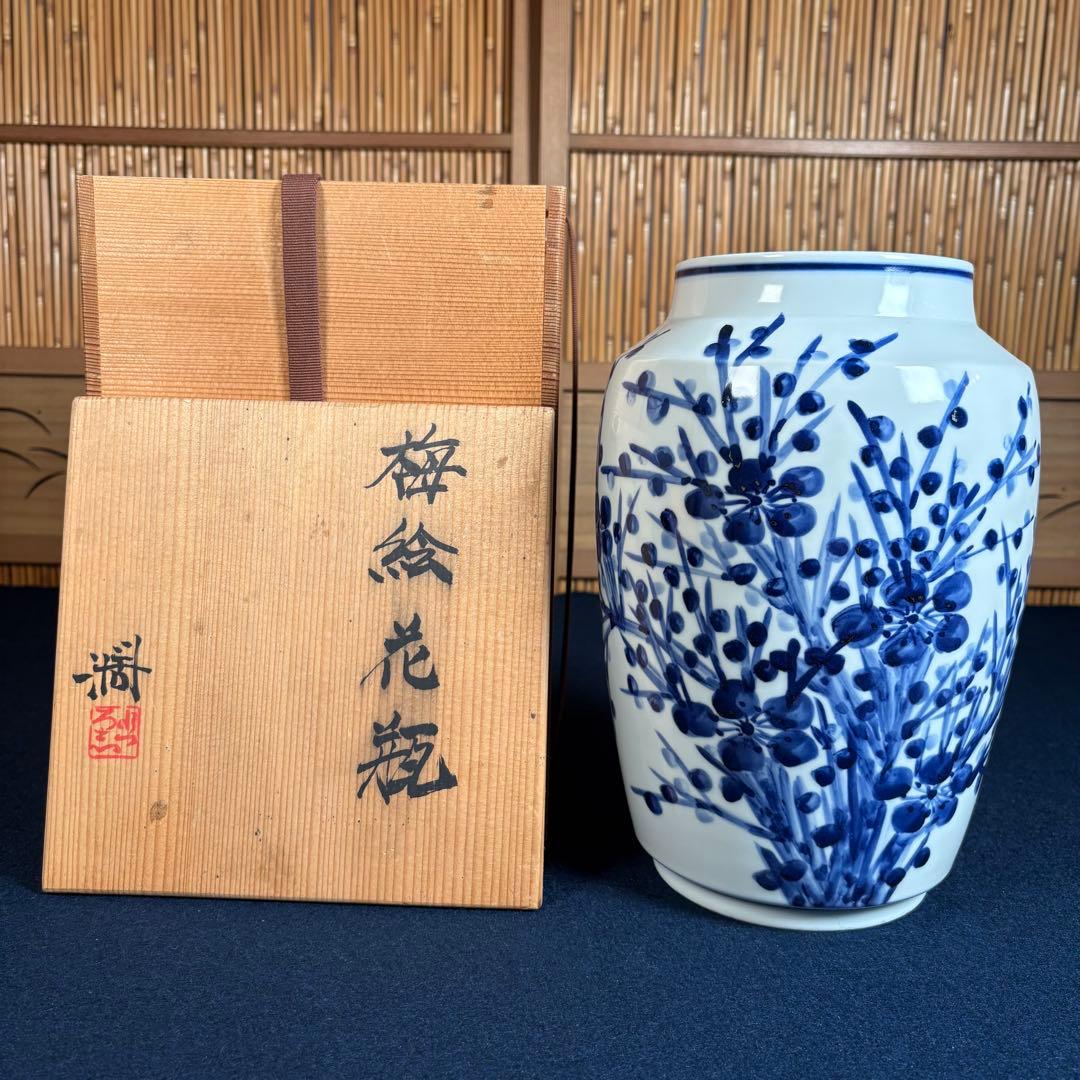
Delicate overglaze enamel painting, often with gold, on a smooth, finely finished body; an impressed or painted artist's or kiln seal on the base (Kyoto wares are often signed); elegant seasonal motifs such as maple, cherry blossom or classical scenes.
- Traditional Craft designated by METI as Kyo-yaki / Kiyomizu-yaki (1977)